Glamping Guide · Glamping & Unique Stays
Camping Pods: The Complete Guide
What a camping pod is, the tiers from basic to en-suite, what they cost, and how to pick one that matches your trip.
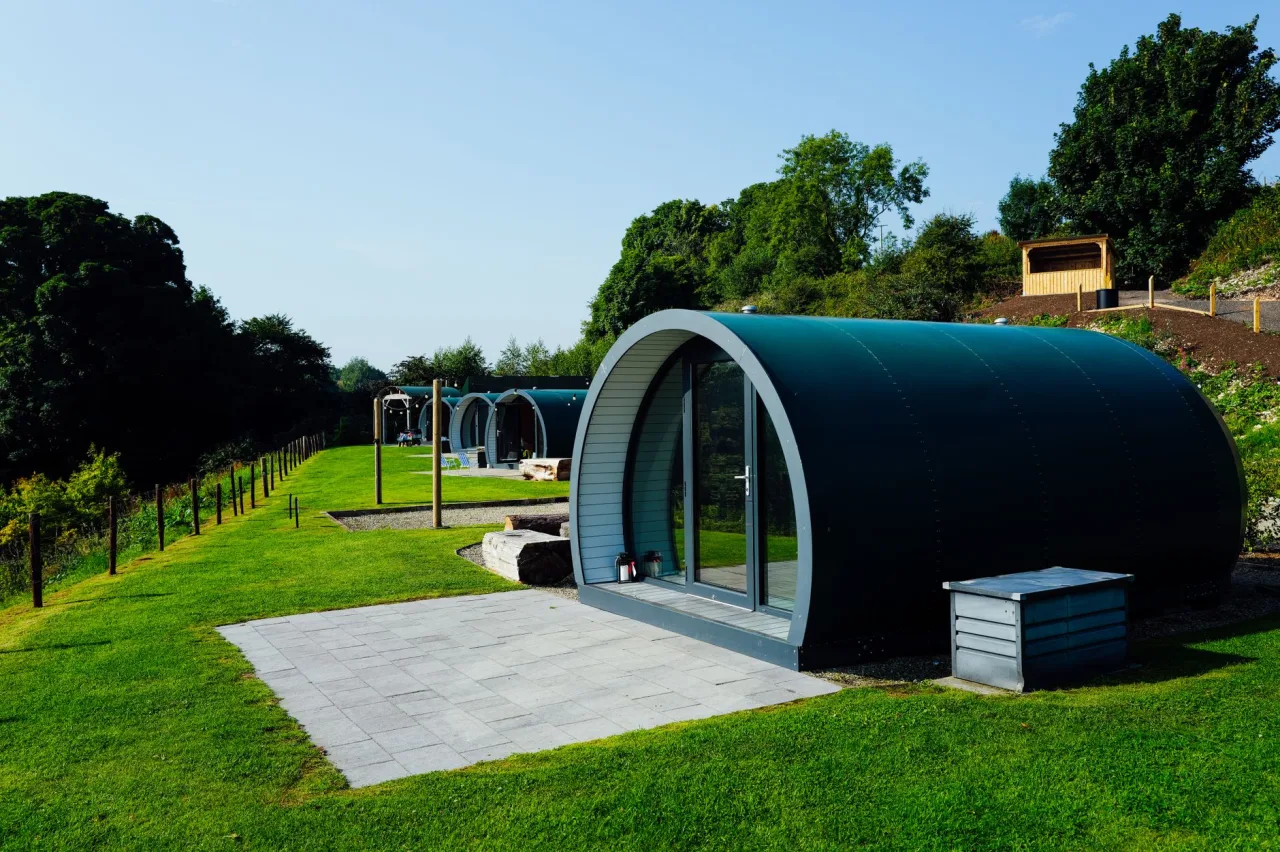
A camping pod gives you the outdoors without the canvas, the pitching, or the puddle under your sleeping mat. This guide explains what camping pods are, the different types you will meet, roughly what they cost, and how to pick one that matches the trip you have in mind rather than the photo that caught your eye.
The short version
- A camping pod is a small, usually wooden, insulated structure shaped like a rounded cabin, sitting between a tent and a hard-walled room.
- Pods range from a bare weatherproof shell you sleep in, to fully equipped units with heating, power, and a private hot tub.
- Nightly rates vary widely by season, location, and how equipped the pod is, so confirm the exact price and inclusions before you book.
- Pods shine in cold and wet weather because solid insulated walls and a lockable door beat a flysheet in a storm.
What a camping pod is
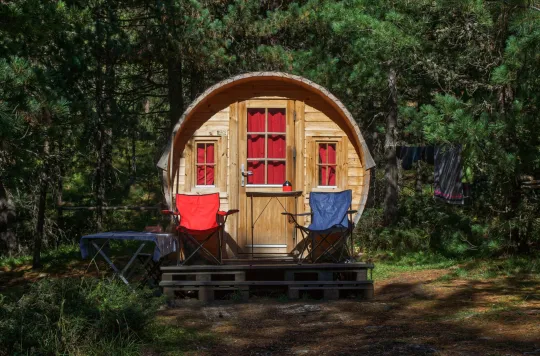
A camping pod is a compact, semi-permanent shelter, most often built from timber with a curved or apex roof and an insulated shell. It is a core part of the modern glamping scene. The Wikipedia entry on glamping lists pods alongside yurts, domes, cabins, and huts as standard glamping accommodation, and notes that glamping, a portmanteau of glamorous and camping, first appeared in the United Kingdom in 2005 and entered the Oxford English Dictionary in 2016.
In practice a pod feels like a tiny, cosy cabin. You get solid walls, a proper door you can lock, and a floor raised off the ground, which together remove most of the discomforts people associate with tents. Pods are especially common across UK campsites, where the official Lake District National Park where to stay guide lists glamping and camping pods among its budget-friendly ways to stay in the park.
Why choose a pod over a tent
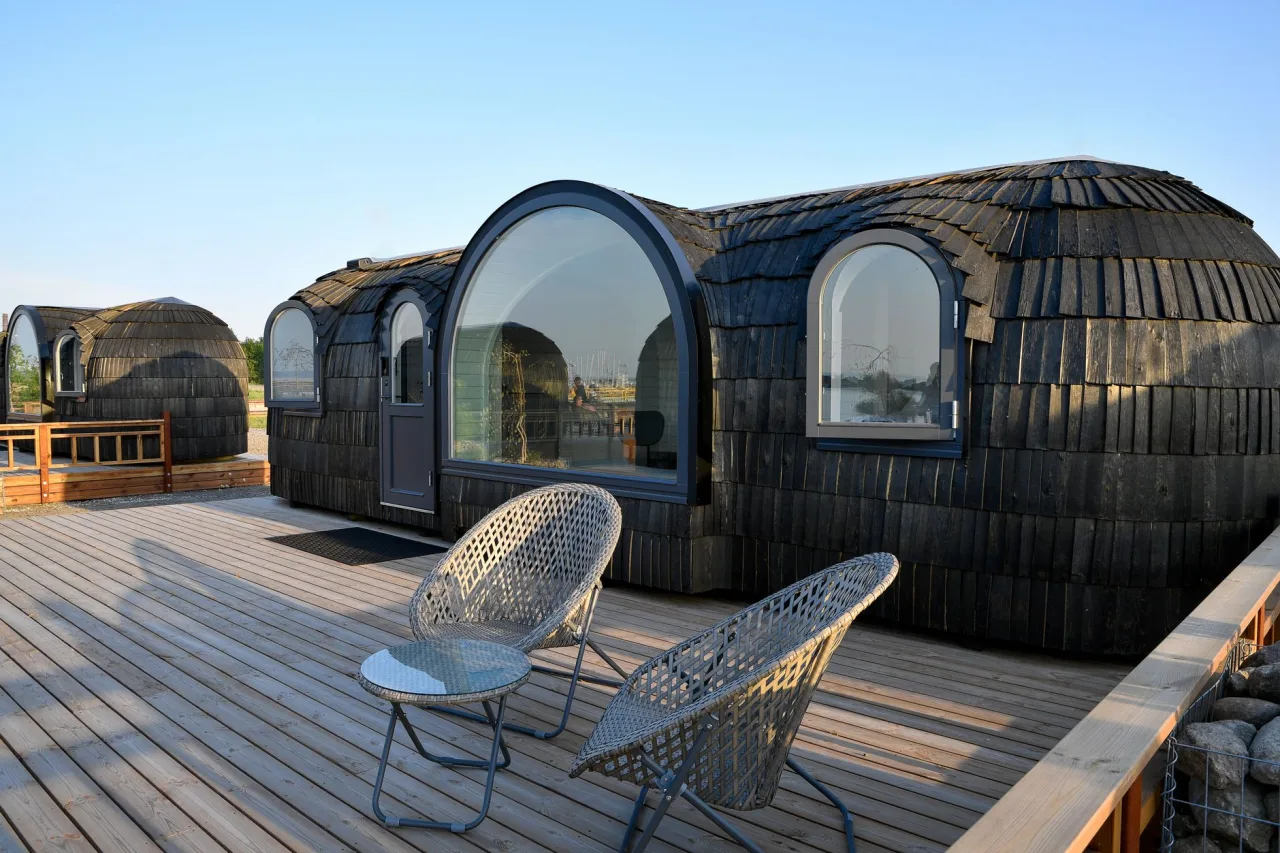
The pod exists to solve the parts of camping that put people off, while keeping the parts they enjoy. You still wake up on a campsite surrounded by the outdoors, but you do so warm, dry, and off the ground.
- Weatherproof: Insulated walls and a solid roof handle rain and wind far better than fabric.
- Nothing to pitch: The pod is ready when you arrive, which matters after a long drive or in the dark.
- Warmth: Many pods include heating, extending the camping season into spring, autumn, and winter.
- Security: A lockable door gives peace of mind that a zip never quite matches.
If you are still deciding between styles of glamping, our complete guide to glamping compares pods with yurts, cabins, and safari tents so you can see where each one fits.
Types of camping pod
The word pod covers a wide range, and two listings using the same term can offer very different nights. Sort what you are looking at into one of these tiers before you compare anything.
- Standard or camping pod: A basic insulated shell with room for sleeping mats or a simple bed. You use the campsite's shared facilities and often bring your own bedding.
- Glamping pod: Better equipped, usually with a real bed, lighting, heating, and power. Some include a small kitchenette or eating area.
- En-suite or luxury pod: Fully self-contained, with a private bathroom, kitchen facilities, and sometimes a deck or a hot tub.
Two specialised versions are worth naming. A glamping pod leans into comfort and finish, while a glamping pod with a hot tub adds a private soak that pushes the experience toward a short spa break. Knowing which tier you want keeps your comparison honest.
Booking tip
Photos flatter every pod. Before you pay, confirm three things in writing: whether bedding is included, whether there is heating, and where the toilet and shower are. Those three answers decide whether a pod weekend is snug or miserable.
What a pod stay typically costs
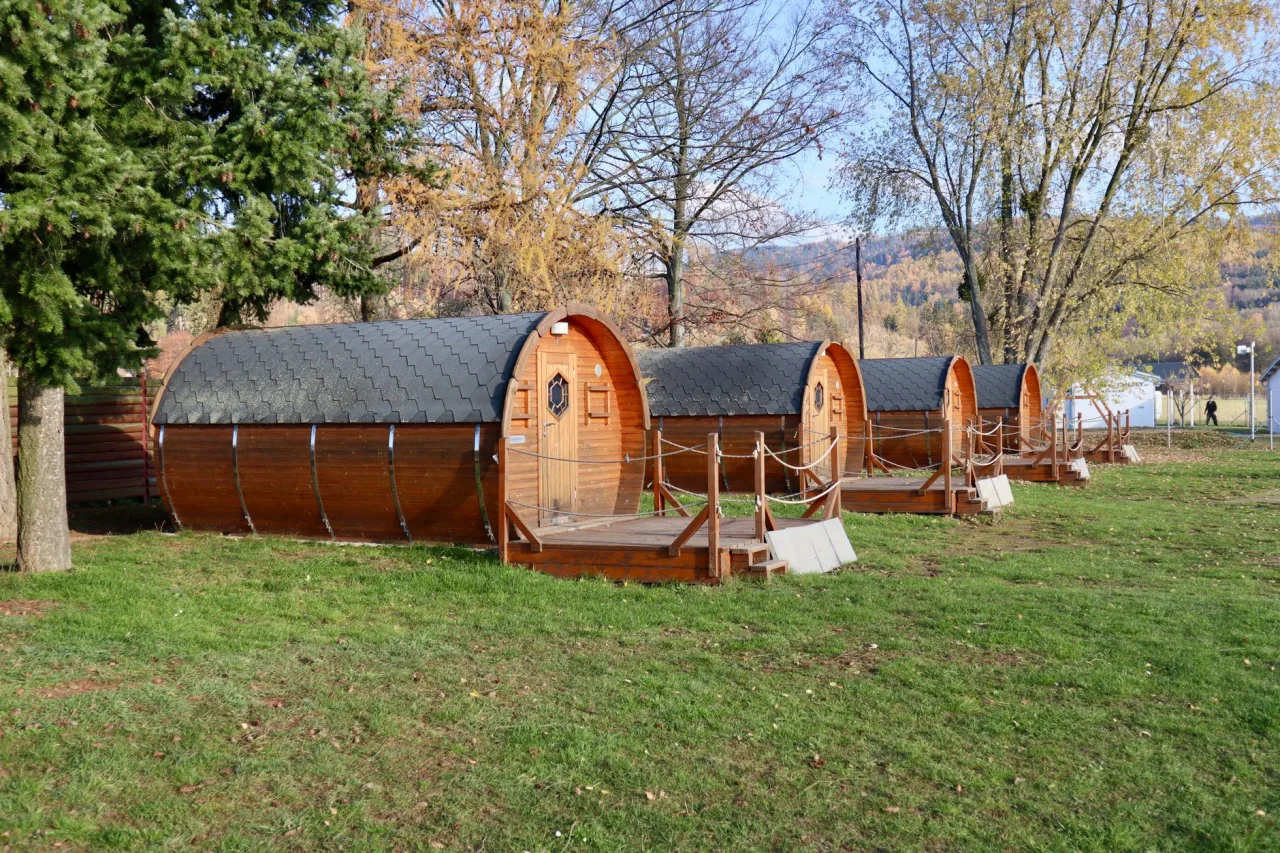
Pod prices vary too much to pin to a single figure, and the drivers are predictable: location, season, night of the week, and how equipped the pod is. A basic pod at a rural site midweek in the off-season sits at the bottom of the range. A luxury en-suite pod with a hot tub near a popular destination on a summer weekend sits near the top, and can approach the price of a hotel room.
Always read every quote as a range, and confirm the full total, including any cleaning or booking fee, before you commit. Scenic sites and hot-tub pods book out early for peak dates, so planning ahead protects both your dates and your budget.
How to choose a good pod
Since you cannot inspect a pod before you arrive, choosing well comes down to reading the listing carefully and asking the right questions. Run every option through the same short checklist.
- Heating: Look for a named heat source rather than a vague promise of warmth, especially outside high summer.
- Bathroom: Private en-suite or a shared block, and how far the walk is at night.
- Kitchen: A kitchenette, an outdoor cooking area, or nothing at all, which changes your packing entirely.
- Power: Sockets for charging and running a fridge or cool box make longer stays far easier.
- Recent reviews: The newest reviews reveal cleanliness, warmth, and how well the site is run.
If you find you want more space and a round canvas character, a yurt may suit you better, while anyone wanting solid timber walls throughout might prefer full cabin camping.
What to pack for a pod trip
A well-equipped pod shortens your packing list, but a basic pod leaves gaps that are easy to forget. Adjust to the tier you booked.
- Sleeping bags or bedding if the pod does not confirm linen.
- Warm layers, since even insulated pods cool overnight without heating on.
- A head torch or lantern for trips to shared facilities.
- A camping stove and cookware if there is no kitchen or cooking shelter.
- Flip-flops for the shower block and sturdy shoes for the site.
- Power banks and a multi-socket adaptor if power is limited.
Comfort tip
Pods are compact, so bring soft furnishings rather than more hard gear. A couple of extra pillows, a throw, and a small rug transform a bare pod into a cosy space without taking up meaningful room in the car.
Where to find camping pods
Pods appear on farm campsites, dedicated glamping sites, holiday parks, and inside some national and country parks, particularly across the UK. Rather than commit to the first attractive listing, decide on your region and dates, then compare a handful of pods against the checklist above. If a scenic UK region is on your list, our guide to Lake District camping covers seasons, sites, and what to expect, and pods feature heavily there.
Because pods vary so much in what they include, the honest way to compare them is by criteria, not by a headline price or a single photo. Match the tier, the heating, and the facilities to your trip, and the right pod becomes obvious.
Frequently asked questions
What exactly is a camping pod?
A camping pod is a small, usually wooden and insulated structure shaped like a rounded cabin. It sits between a tent and a hard-walled room, giving you solid walls, a lockable door, and a raised floor while keeping you on a campsite among the outdoors.
Are camping pods warm in winter?
Insulated pods with a working heat source can be comfortable in cold weather, which is a big part of their appeal. A basic uninsulated pod without heating is really a warmer-weather option. Confirm the heating arrangement before booking any cold-season stay.
Do camping pods have bathrooms?
Some do and some do not. Standard pods usually rely on the campsite's shared toilet and shower block, while en-suite or luxury pods include a private bathroom. The listing should say which, and if it is unclear you should ask before booking.
How much does a camping pod cost per night?
There is no fixed rate. Prices vary widely with location, season, day of the week, and how equipped the pod is, from a modest midweek off-season rate to something near a hotel room for a luxury pod with a hot tub on a peak weekend. Confirm the full total, including fees, when you book.
What is the difference between a pod and a yurt?
A pod is a small, hard-walled, usually wooden structure, so it feels like a tiny cabin. A yurt is round and canvas-covered, based on a centuries-old portable dwelling, so it keeps more of the tent character. Pods tend to be better insulated by default, while yurts feel more spacious and open.
Do I need to bring bedding to a camping pod?
It depends on the tier. Glamping and luxury pods often include beds with linen, while basic camping pods frequently provide only a platform or floor space. Check the listing, and bring a sleeping bag as a safeguard if bedding is not clearly confirmed.
More guides on Glamping & Unique Stays
Have a question or a topic to suggest?
We read every message. Tell us what you would like to see next on the blog.
Get in touchYou may also like
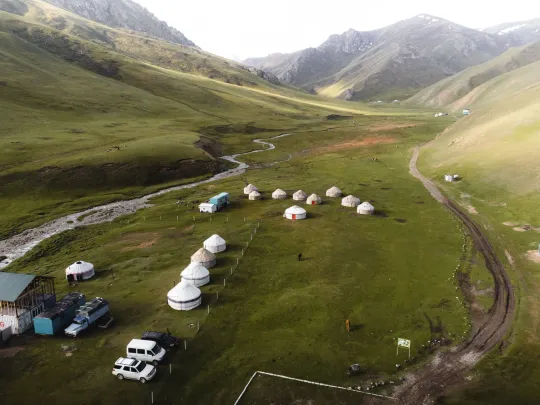
Yurt Camping: The Complete Guide
What a yurt actually is, the different types you can stay in, realistic costs, and how to choose and pack for your first yurt camping trip.
Glamping Pods: The Complete Guide
A complete guide to glamping pods: what they are, the range from basic sleeping pods to en-suite units, what they cost, how they compare to tents and cabins, and how to choose a warm one.
Glamping Pods with Hot Tub Guide
Everything to check before booking a glamping pod with a hot tub: whether the tub is private or shared, what drives the price, hot tub safety and cleanliness, and the practical details that decide the stay.