Cabin Stays
Cabin Camping Near Me: How to Choose
From bare bunkhouse to lodge: how to compare camping cabins, what they include, and how to book the right one.
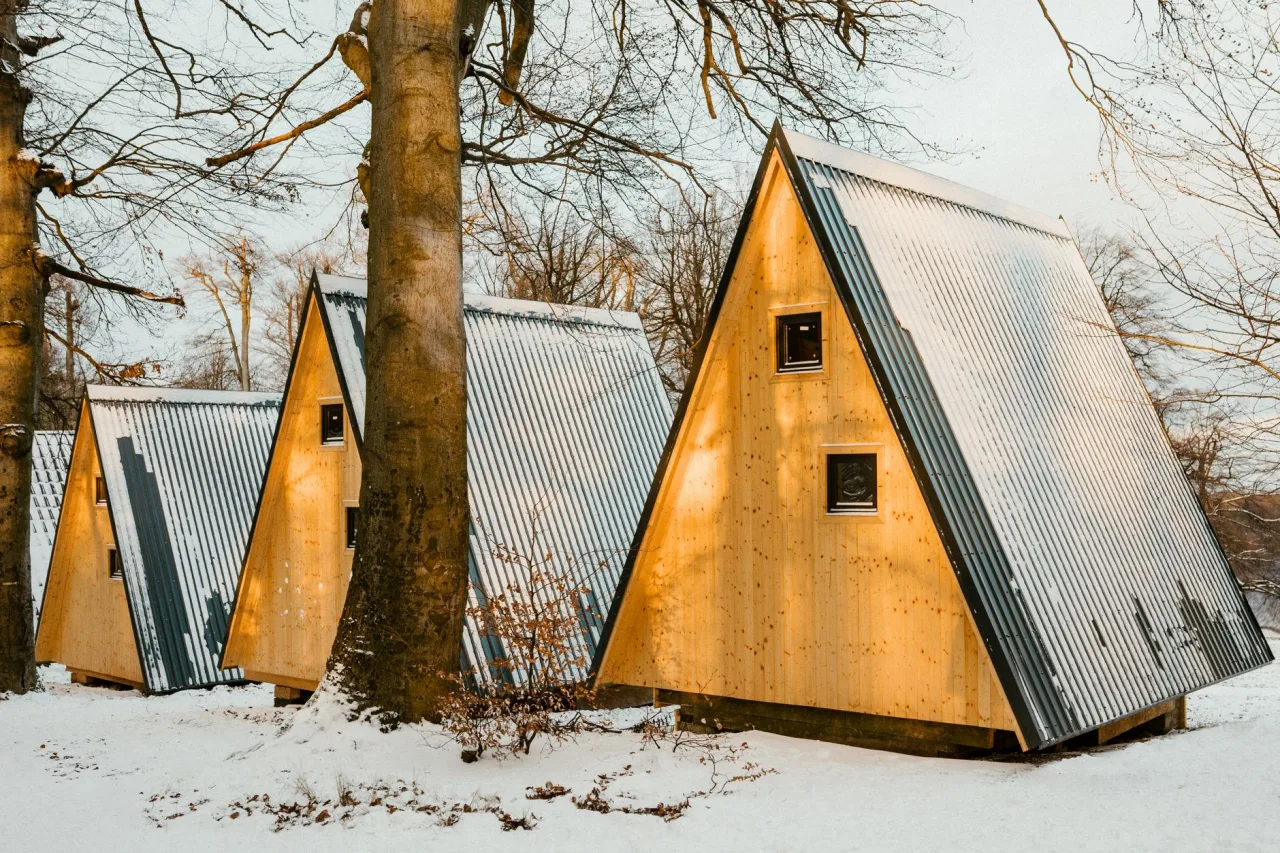
Cabin camping is the sweet spot between a tent and a hotel: you get the campground setting and the outdoor mornings, but you sleep under a solid roof on a real bed. Searching "cabin camping near me" turns up everything from a bare bunkhouse to a fully kitted lodge, so the trick is knowing what you are comparing. This guide is a method for finding, comparing and choosing a camping cabin that matches your group, not a fake ranking of the "best" ones.
The short version
- "Cabin" covers a huge range, from a bare four wall shelter to a lodge with a kitchen and bathroom, so always check exactly what is included.
- The key question is what you bring: rustic cabins need your own bedding and cooking kit, deluxe ones need almost nothing.
- Cabin prices sit above a tent pitch and vary by season, size and amenities, so budget with ranges and confirm at booking.
- Book early for weekends and holidays, since campgrounds usually have only a handful of cabins and they go first.
Why choose a cabin over a tent
Cabin camping solves the two things that put people off tents: weather and comfort. A solid roof shrugs off rain that would flood a pitch, and a proper bed beats a mat on the ground for anyone with a bad back or a short patience for fiddly setups. You still get the campground: the fire pit, the walks, the shared outdoor space and the neighbours. You just skip the pitching, the packing away wet canvas, and the gamble on the forecast.
That makes cabins ideal for a few specific groups: first timers testing whether they enjoy camping at all, families with young children, anyone camping in shoulder season or unpredictable weather, and people who want the outdoors without the full gear investment. If you are weighing it against pitching a tent, our general guide to finding campsites near you lays out the trade offs for every pitch type.
The types of camping cabin
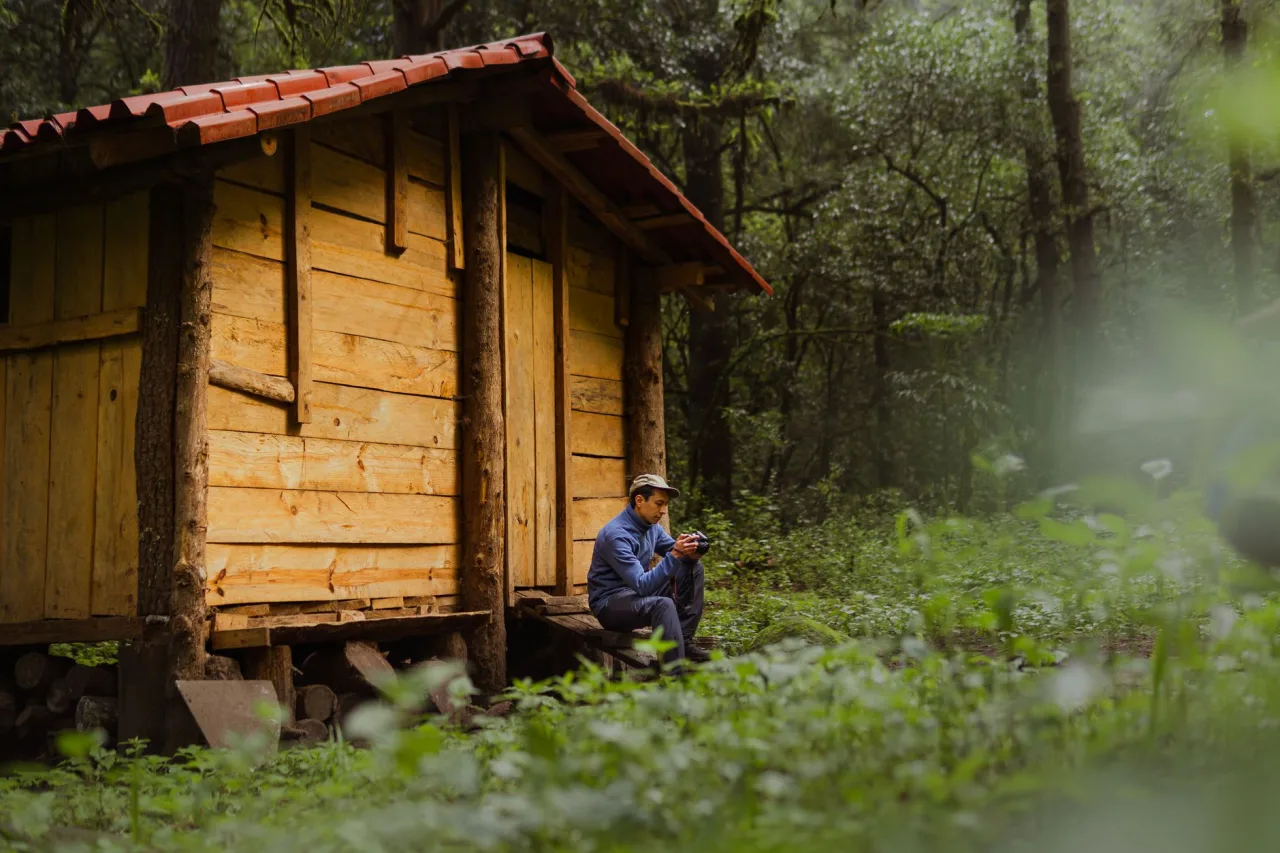
The single word "cabin" hides most of the useful information, so learn the tiers before you book. They differ mainly in what they provide and therefore what you must bring.
- Rustic or camping cabins. Four walls, a roof, and usually beds or bunks, but often no running water, no kitchen and no private bathroom. You bring bedding, cooking kit and use the campground facilities. The cheapest and closest to tent camping.
- Mid range cabins. Add some combination of electricity, heating or cooling, basic furniture and sometimes a small kitchenette. A comfortable step up.
- Deluxe cabins and lodges. A full kitchen, private bathroom, linens provided and living space. Close to a self catering holiday home in a campground setting, at the top of the price range.
None of these is "best" in the abstract. A rustic cabin is perfect for a hardy couple and frustrating for a family expecting a bathroom. Match the tier to your group before you compare individual sites. For an even more comfortable end of this spectrum, our glamping guide covers safari tents, pods and other upgraded stays.
Where to search so listings are real
As with any "near me" search, the goal is real availability, not a stale blog list. Go to the sources that hold the actual booking calendar.
- Government reservation platforms. Many public campgrounds with cabins are bookable through Recreation.gov in the United States, which shows live availability across national forests, parks and recreation areas.
- State and national park sites. The National Park Service camping pages and state park systems list their own cabins with accurate current rules.
- Campground operator pages and reputable marketplaces. Private parks often list cabins on their own site and on booking platforms. Cross check the price and what is included on the operator's page before you pay.
Search by the specific park or area as well as "near me," because cabins are limited and a slightly wider radius often reveals availability your local sites do not have.
How to compare cabins fairly
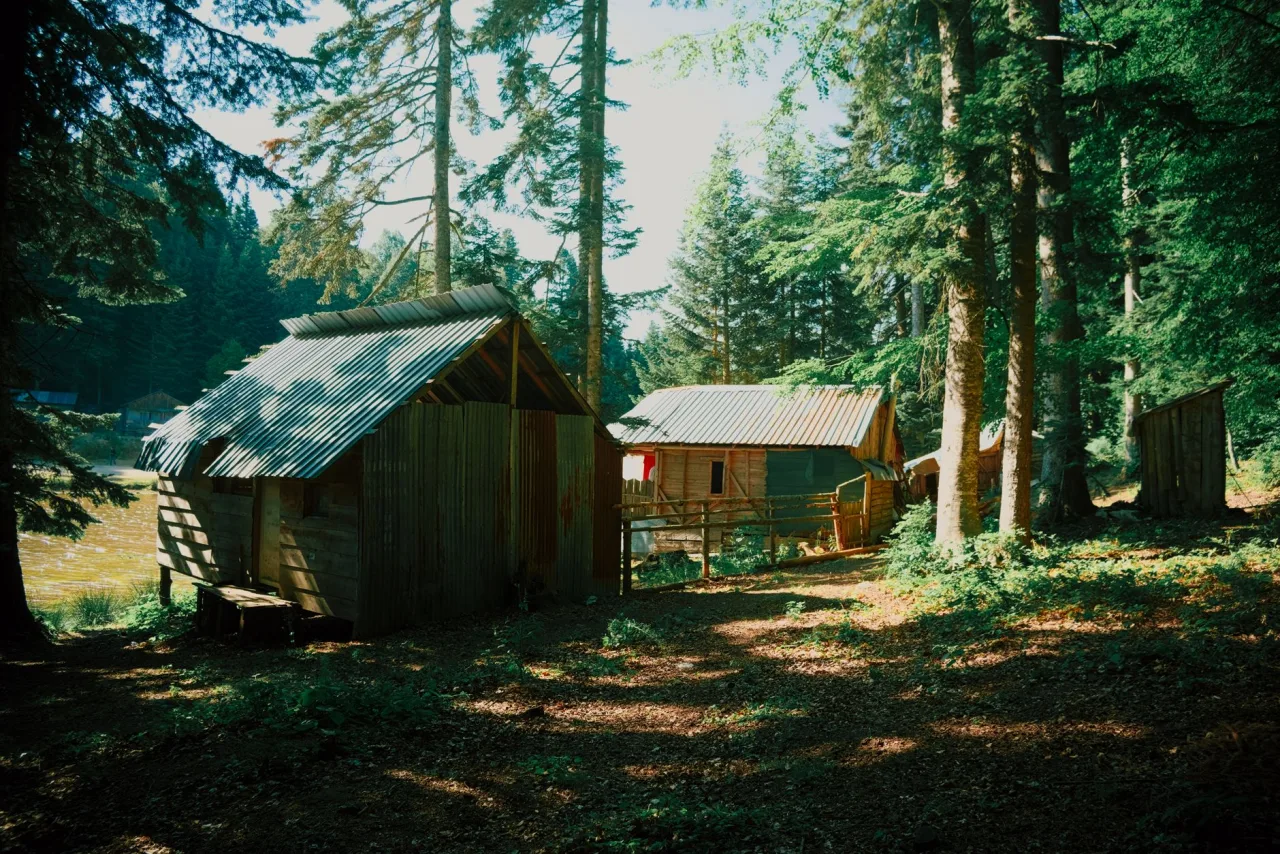
Photos flatter and descriptions gloss over gaps, so compare every shortlisted cabin against the same checklist rather than on charm alone.
- What is provided. Bedding and linens, a kitchen or kitchenette, a private or shared bathroom, heating and cooling. This single factor changes your packing list completely.
- Capacity and layout. How many people it genuinely sleeps in comfort, not the maximum squeezed onto every surface.
- Location within the campground. Distance to bathrooms if shared, to the car park, and to noise sources like the entrance or play area.
- Total cost. Nightly rate plus cleaning fees, booking fees, pet charges and any deposit. Compare the all in figure, not the headline rate.
Tip: read the "what to bring" line carefully
The most common cabin surprise is arriving without bedding because the listing quietly said "linens not provided." Before you book, find the exact line about what is and is not included, and build your packing list from it. A rustic cabin with no kitchen still needs the same cooking kit as a tent.
What cabin camping typically costs
Cabins cost more than a tent pitch and less than most hotels, but the range is wide and moves with season, size and amenities. Rustic cabins sit at the lower end, mid range cabins in the middle, and deluxe lodges with private bathrooms and full kitchens at the top. Peak summer weekends, holidays and popular parks push prices up and sell out first.
Because those figures shift so much by location and date, treat any price you see as an estimate that varies by season and specific cabin, and confirm the current rate and included extras on the booking page before you commit. If a cabin stretches your budget, compare the all in cost against a nearby caravan or campervan pitch, which our caravan campsites guide breaks down.
Booking tips for limited cabins
The defining feature of cabin camping is scarcity. A campground might have fifty tent pitches and only four cabins, so the cabins book out long before the pitches. Plan accordingly.
- Learn the reservation window and book the moment it opens for weekends, holidays and autumn colour season.
- Travel midweek or in shoulder season for better availability and lower rates.
- Confirm the cancellation policy, since cabins often have stricter terms and deposits than tent pitches.
- Check accessibility, pet rules and whether the cabin has heating or cooling for the season you are visiting.
- Have a backup park in mind, because a single popular campground's cabins can be gone months ahead.
If cabins near you are fully booked, widening the search to a lakeside or beachside park can open up options. See our lake camping guide and beach camping guide for waterside alternatives that often include cabins too.
Warning: confirm the bathroom situation
The word "cabin" says nothing about plumbing. Some have a private bathroom, many share the campground facilities, and a few have neither running water nor electricity. Read the amenities list in full before booking, especially if you are travelling with children or anyone who cannot manage a walk to a shared block at night.
Frequently asked questions
What is cabin camping?
It is staying in a small cabin within a campground instead of pitching a tent. You get the outdoor campground setting, fire pit and walks, but sleep under a solid roof on a real bed. Cabins range from bare rustic shelters to deluxe lodges with kitchens and private bathrooms.
What is included in a camping cabin?
It depends entirely on the tier. Rustic cabins usually provide only beds and shelter, so you bring bedding and cooking kit and use shared facilities. Mid range cabins add electricity and heating, and deluxe cabins include a kitchen, private bathroom and linens. Always read the exact "what is included" line before booking.
How much does cabin camping cost?
More than a tent pitch and less than most hotels, but the range is wide. Rustic cabins are cheapest, mid range cabins sit in the middle, and deluxe lodges are at the top, with peak weekends and holidays pushing prices up. Treat any figure as an estimate and confirm the current rate at booking.
Do I need to book cabins in advance?
Usually yes. Campgrounds often have only a few cabins, so they sell out well before tent pitches, especially for weekends, holidays and autumn colour season. Learn the reservation window and book as soon as it opens, and have a backup park in mind.
What should I bring to a camping cabin?
It depends on the cabin. For a rustic one, bring bedding, towels, cooking equipment and food, much as you would for a tent. For a deluxe cabin, you may need almost nothing. The listing's "what to bring" line is the definitive guide, so read it before you pack.
More guides on Campgrounds & Campsites
Have a question or a topic to suggest?
We read every message. Tell us what you would like to see next on the blog.
Get in touchYou may also like
Camping Near Me: Find and Compare Spots
A practical method for finding, comparing and choosing a genuinely good campsite close to you, using the tools and questions experienced campers rely on.
Glamping: The Complete Guide
What glamping is, the main accommodation types, realistic costs, and how to choose a stay that lives up to the listing.
Beach Camping Near Me: How to Choose
A practical method for finding, comparing and choosing a beach campsite near you: where to search for real availability, how to weigh distance, tide exposure, facilities and cost, and how to camp safely on the coast.