Glamping Gear
Best Bell Tent 2026: Picks by Budget
Cotton vs polycotton, the criteria that matter, budget tiers and sizing so you match the right bell tent to your money.
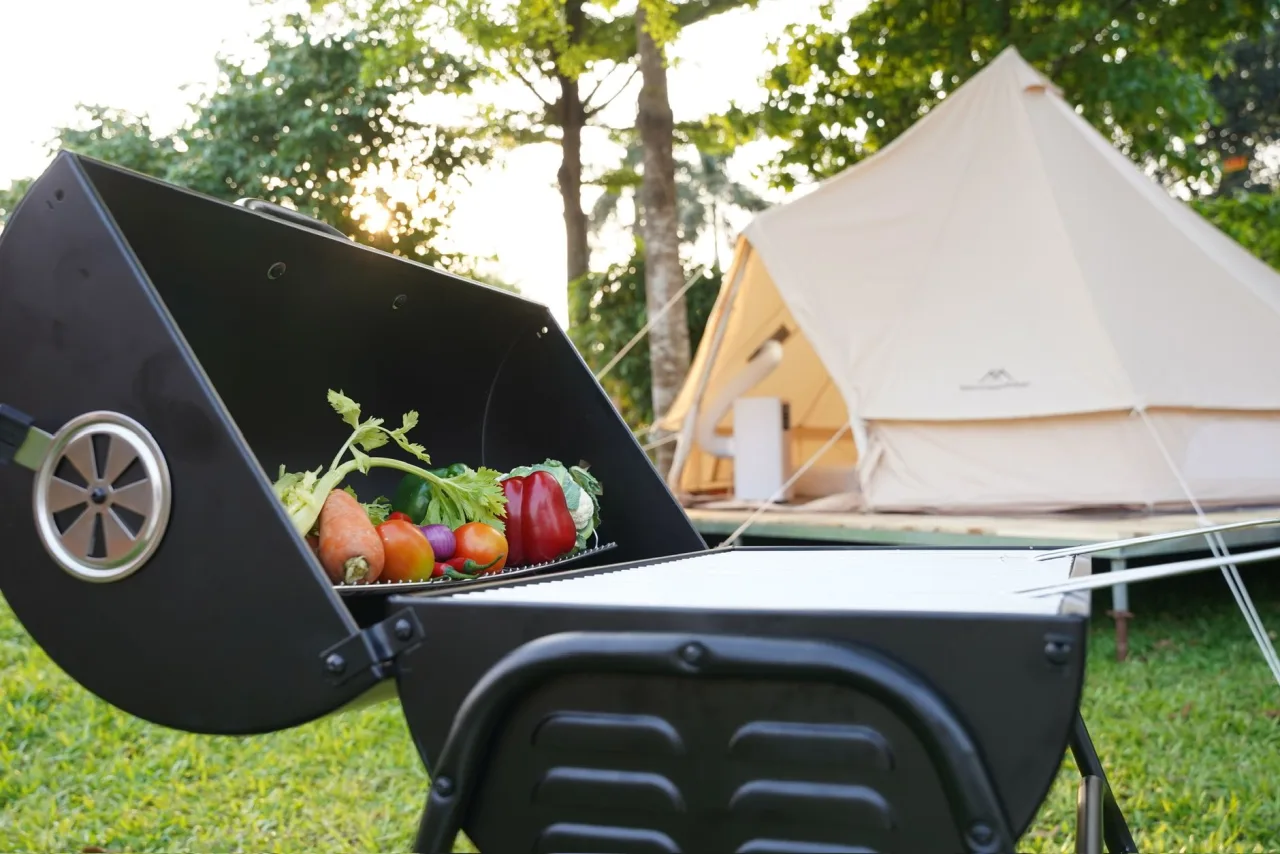
A bell tent turns a night under canvas into something closer to a holiday cottage: airy, warm and genuinely photogenic. But "best" depends entirely on your budget and how you camp. Rather than crown one winner, this guide gives you an honest buyer's framework, the criteria that separate a great bell tent from a leaky one, and how to match the right tier to your money in 2026.
The short version
- A bell tent is a single-pole, circular canvas tent with guy ropes, the classic shape used in modern glamping.
- Cotton canvas breathes and insulates but is heavy and needs care; polycotton and poly blends cut weight and cost.
- Judge on canvas weight, waterproof rating, pole quality, ventilation and stove compatibility, not just diameter.
- Buy by budget tier and match the diameter to your real group size, then confirm current specs before ordering.
What a bell tent is, and why people love them
A bell tent is a human shelter built around a single central pole and covered with cotton canvas, held stable by guy ropes anchored around the perimeter, usually with a circular floor of around ten feet or larger. The modern form was influenced by the nineteenth-century Sibley tent, and today the bell tent is, in the words of the Wikipedia entry on bell tents, "the classic type of accommodation used in modern luxury camping, or glamping." That heritage matters: the shape is proven, simple to pitch and remarkably spacious for its footprint.
Canvas is the other half of the appeal. Natural cotton canvas is breathable and durable, and modern versions can be treated to be waterproof, mildew resistant and flame retardant. The result is a tent that stays cooler in summer sun and warmer on cold nights than thin nylon, which is exactly why it anchors so many glamping setups.
How to judge a bell tent (the criteria that matter)
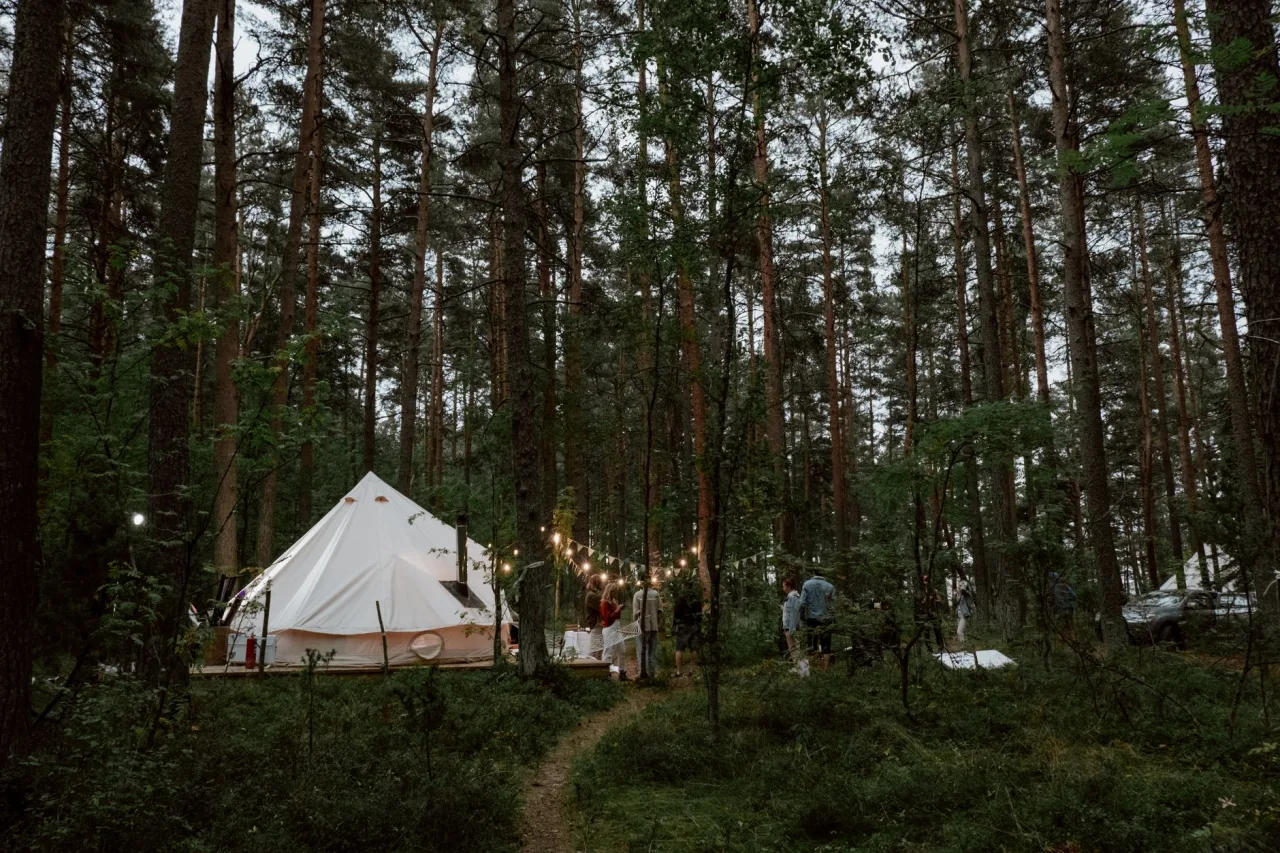
Photos sell bell tents on looks, but durability lives in the details. Score any tent you are considering against these:
- Canvas weight and type: Heavier cotton canvas is tougher and warmer; polycotton and poly blends trade some breathability for lighter weight and lower price.
- Waterproofing: Look for a stated hydrostatic head or a clear waterproof treatment, and remember new cotton canvas often needs "weathering" before its first real trip.
- Pole and peg quality: A sturdy central pole and A-frame door pole plus strong pegs make the difference in wind.
- Ventilation: Zip-out mesh windows and top vents stop condensation and summer stuffiness.
- Groundsheet: A sewn-in "zig" (fully sewn-in) or a zipped-in groundsheet each have trade-offs for cleaning and bug-proofing.
- Stove compatibility: If you want a wood stove for winter, you need a flashing kit and a fire-retardant canvas rated for it.
Tip: weather a new cotton bell tent before you rely on it
Fresh cotton canvas can seep at the seams until the fibres swell and seal. Pitch it in the garden and hose it or leave it out in rain for a spell, then let it dry fully. This "weathering" step tightens the weave so your first proper trip stays dry. Skip it and you may wrongly blame the tent.
Buying by budget tier
Rather than fixate on brand names, decide which tier fits your money and use. Prices move with size, canvas and season, so confirm the current figure before ordering.
- Entry tier: Smaller diameters and lighter poly or thin polycotton canvas. Great for occasional summer festivals and fair-weather weekends. Expect to baby it and avoid heavy storms.
- Mid tier: Fuller polycotton or lighter cotton, better poles, more ventilation. The sweet spot for regular family campers who want comfort without top-end weight.
- Premium tier: Heavy fire-retardant cotton canvas, robust hardware, stove-ready designs and larger diameters. Best for year-round glamping, hosts and anyone leaving a tent pitched for long spells.
There is no shame in the entry tier if you camp twice a summer. Equally, do not buy premium weight you will curse carrying if you only ever pitch in a garden.
One honest caveat about "tested picks" you will see elsewhere: a lot of ranking articles are really affiliate lists, and the order can reflect commissions rather than performance. We would rather hand you the criteria so you can test claims yourself. When a listing quotes a waterproof rating, a canvas weight or a warranty, check that the manufacturer's own specification confirms it before you trust the ranking. A tent that scores well on paper but hides its canvas weight is usually hiding something.
Sizing: match the diameter to your group
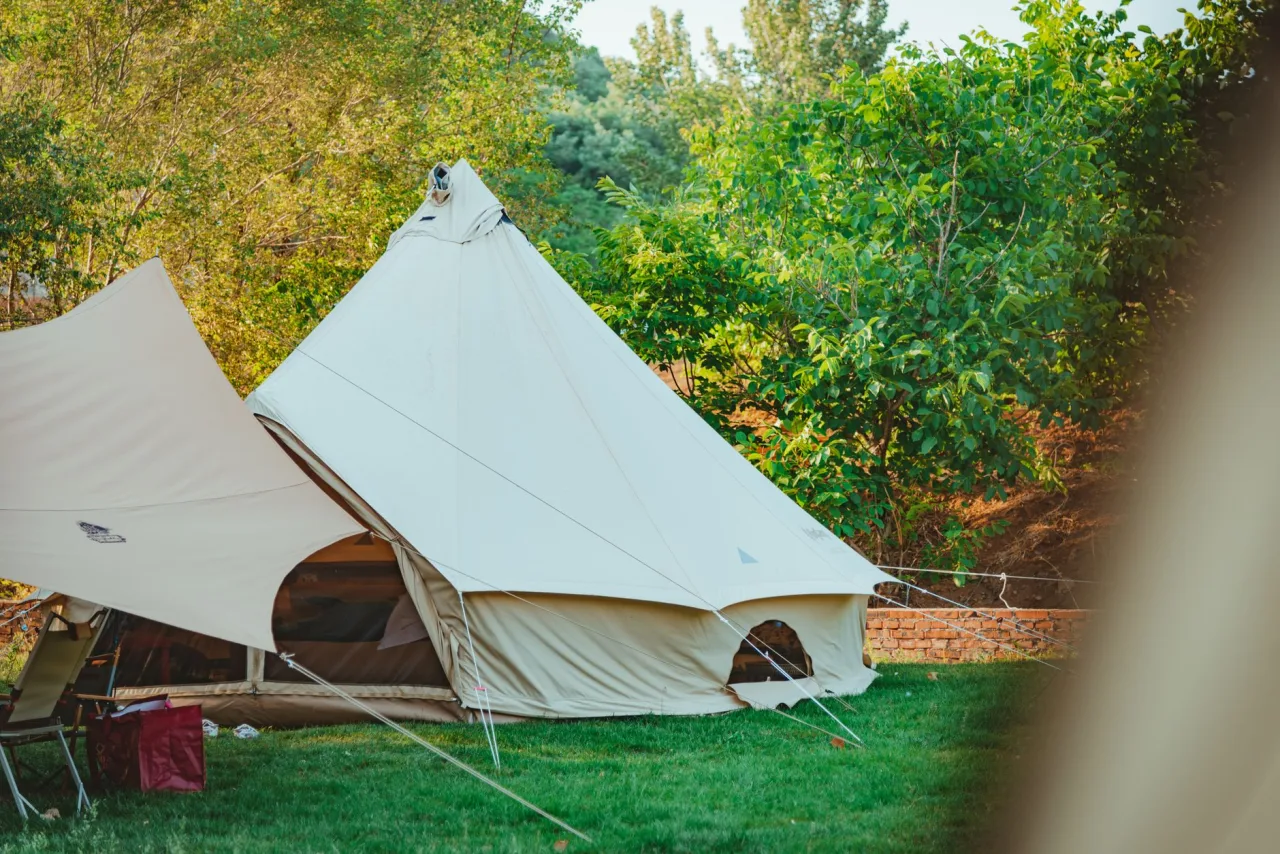
Bell tents are sold by floor diameter, and the headline sleeping numbers assume you sleep like sardines with no gear. For real comfort, size up. A smaller diameter suits a couple with room for a proper bed; a mid diameter comfortably takes a small family plus bags; the largest diameters give a family standing room, furniture and space to wait out a rainy afternoon. Because canvas is heavy, a bigger tent also means a heavier pack and a longer pitch, so be honest about how often two people will really be lugging it from the car.
Bell tent versus other glamping options
A bell tent is not the only route to a plush night outdoors. Yurts offer more permanence and headroom, while safari-style and other glamping tents trade portability for luxury. If you are still deciding, compare our roundups of the best yurt tents and the best glamping tents, and read our overview of glamping for the bigger picture. The word itself is recent: as the Wikipedia article on glamping notes, "glamping" emerged in the United Kingdom in 2005 and entered the Oxford English Dictionary in 2016, even though luxury tent-living goes back centuries.
If your group is larger or you want a more conventional family shelter as a back-up, our guide to the best family tents is worth a look alongside your bell tent shortlist.
Warning: cotton canvas needs dry storage
The biggest killer of bell tents is packing them away damp. Cotton canvas that sits wet will grow mould and rot, and no warranty covers that. Always dry the tent completely before long storage, even if it means re-pitching it at home after a wet trip. Treat the canvas well and a good bell tent lasts many seasons.
Caring for your bell tent
A bell tent rewards a little maintenance. Brush off dirt and bird mess promptly, spot-clean rather than machine wash, re-proof the canvas when water stops beading, and check guy ropes and pegs before each trip. It is worth carrying a small repair kit too: spare guy line, a few strong pegs, and a canvas repair patch cover the usual mishaps, since a heavy bell tent is slow to strike and you rarely want to abandon a pitch over a problem you could fix in minutes. Keep the groundsheet swept and lift furniture legs onto boards to protect it. Do this and the tent that felt expensive at purchase becomes the cheapest per-night option you own, because it simply keeps going.
Putting it together
The "best" bell tent is the one that matches your budget, your group size and how hard you will use it. Fix your tier, choose a diameter one step up from the sleeping claim, insist on the durability details, and weather and store the canvas properly. Follow that and you will end up with a tent that turns ordinary campsites into somewhere you actually want to linger.
Frequently asked questions
What is a bell tent?
A bell tent is a circular canvas tent built around a single central pole and stabilised by guy ropes around its perimeter, usually with a floor of around ten feet or more. The design was influenced by the nineteenth-century Sibley tent and is now the classic accommodation used in modern glamping.
Are cotton or polycotton bell tents better?
Cotton canvas breathes well and insulates against heat and cold, but it is heavier and needs careful drying. Polycotton and poly blends are lighter and usually cheaper, trading some breathability for convenience. Choose cotton for comfort and long stays, and a blend if weight and budget matter more.
How many people does a bell tent sleep?
Bell tents are sold by floor diameter, and the headline figures assume no gear and tight packing. For real comfort, size up: a smaller diameter suits a couple, a mid diameter a small family with bags, and the largest diameters a family with furniture and standing room.
Do I need to waterproof a new bell tent?
New cotton canvas often needs weathering before its first trip. Pitch it, wet it thoroughly and let it dry so the fibres swell and seal the seams. After that, re-proof the canvas whenever water stops beading off it. Polycotton tents usually need less initial weathering but still benefit from care.
Can I use a wood stove in a bell tent?
Only if the tent is designed for it, with a stove flashing kit and fire-retardant canvas rated for a flue. Never run a stove in a tent that lacks these features, and always follow safe ventilation and carbon monoxide precautions. Check the specification confirms stove compatibility before buying.
More guides on Glamping & Unique Stays
Have a question or a topic to suggest?
We read every message. Tell us what you would like to see next on the blog.
Get in touchYou may also like

Best Yurt Tent in 2026: Picks by Budget
Skip the fake leaderboard. A budget-based framework for choosing a yurt tent that survives a wet, windy night, with fabric, waterproofing and sizing advice.

Best Glamping Tent in 2026
A glamping tent is the difference between camping you tolerate and camping you look forward to. This buyer's guide skips the fake leaderboards and instead gives you an honest framework

Glamping: The Complete Guide
What glamping is, the main accommodation types, realistic costs, and how to choose a stay that lives up to the listing.