Glamping & Unique Stays
Best Glamping Tent in 2026
A glamping tent is the difference between camping you tolerate and camping you look forward to.
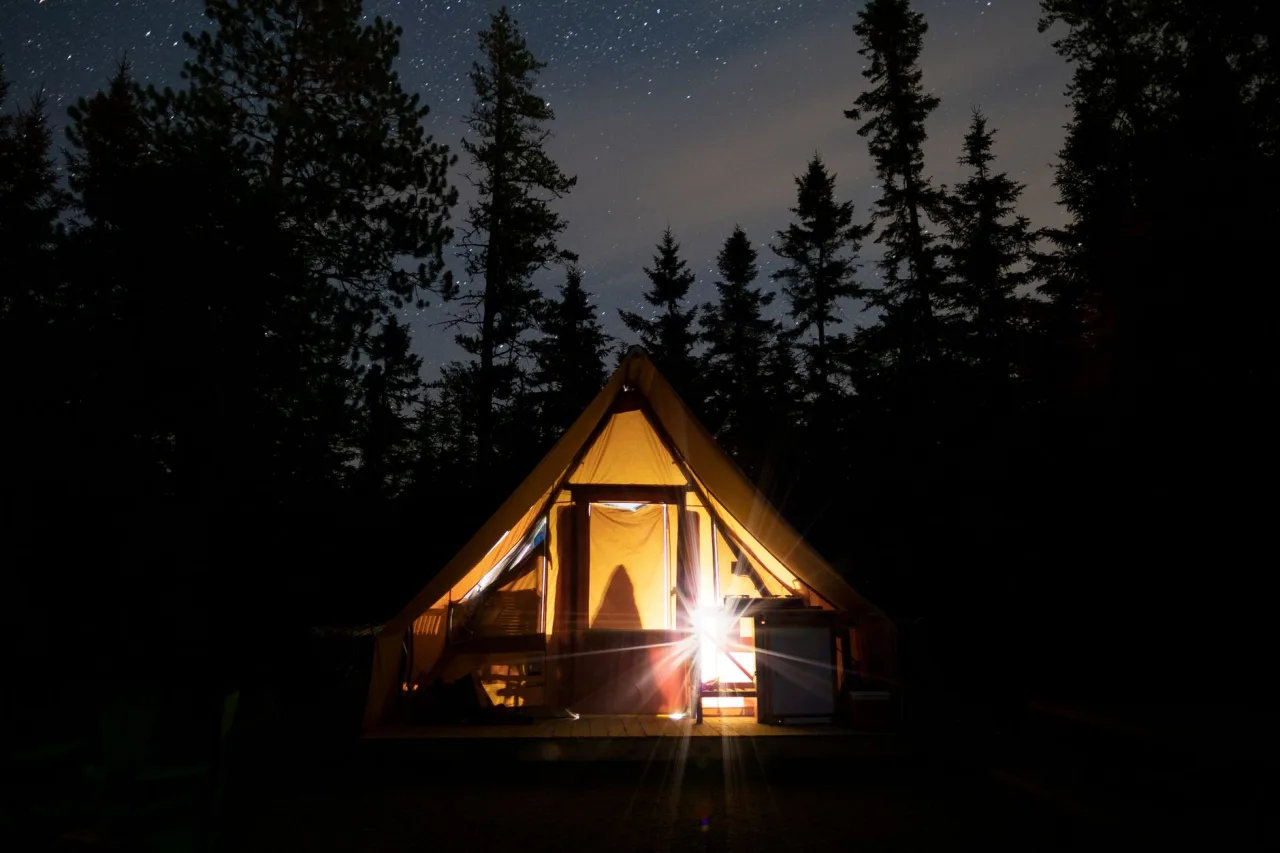
A glamping tent is the difference between camping you tolerate and camping you look forward to. This buyer's guide skips the fake leaderboards and instead gives you an honest framework: what actually separates a good glamping tent from a flimsy one, and how to choose the right style for your budget in 2026.
The short version
- Glamping tents trade packability for space, comfort, and durability, so weight matters far less than fabric quality and headroom.
- The main styles are bell tents, safari and cabin tents, and yurts, each suited to a different setup effort and budget.
- Canvas (cotton or poly cotton) breathes and lasts for years but is heavy and needs care. Technical polyester is lighter and lower maintenance but less luxurious.
- Match the tent to how you camp: a car campsite pitch and a permanent garden setup have very different needs.
What makes a tent a glamping tent
Glamping is a blend of glamorous and camping, a term that first appeared in the United Kingdom in 2005 and entered the Oxford English Dictionary in 2016. In practice, a glamping tent is one you can stand up in, furnish like a room, and sleep in comfortably for several nights or a whole season. That single shift, from a shelter you crawl into to a space you live in, changes every buying priority.
Where a backpacking tent obsesses over grams, a glamping tent prioritizes standing headroom, floor area, ventilation, and fabric that survives repeated pitching and real weather. You are not carrying it up a mountain. You are driving it to a pitch or leaving it standing in a garden, so heavier, sturdier materials become an advantage rather than a burden.
The main glamping tent styles
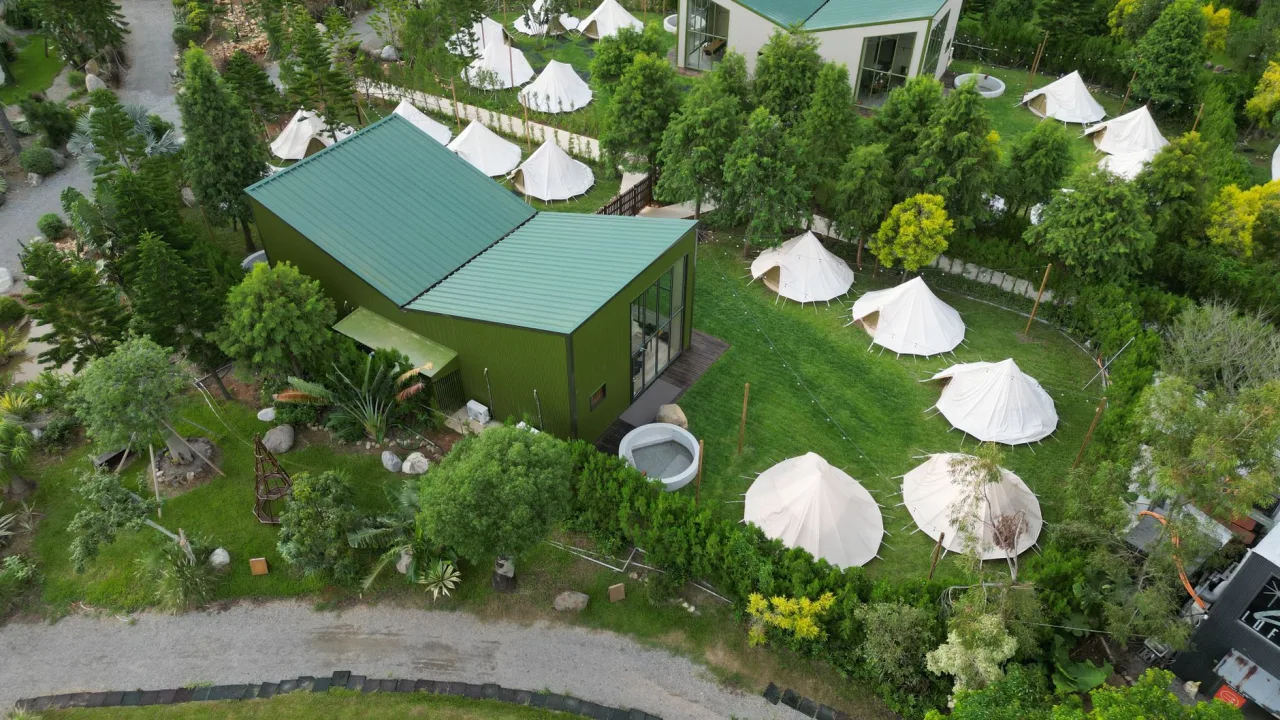
Before you compare products, decide on a shape. Each style solves a different problem.
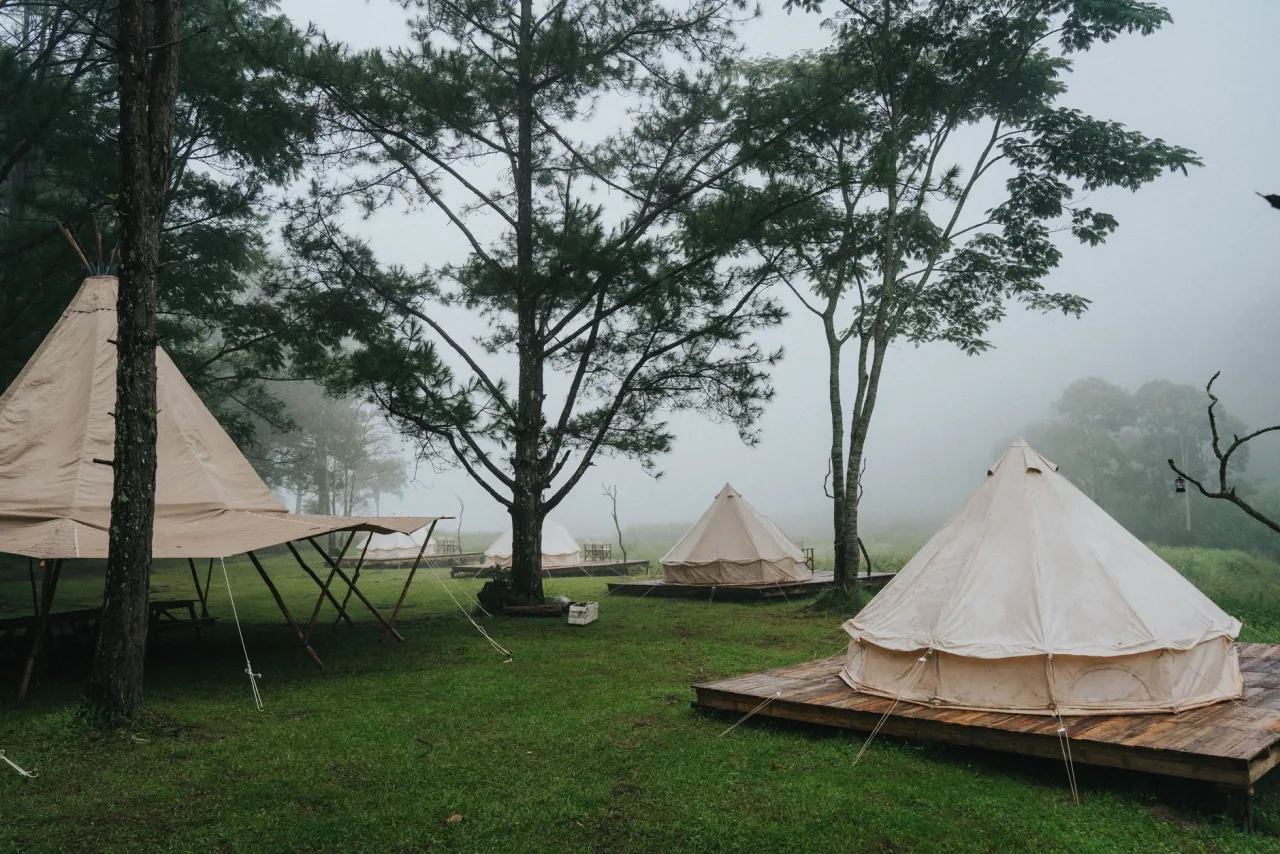
- Bell tents are the classic glamping silhouette: a single central pole, a circular canvas body, and a huge amount of usable floor space. They pitch relatively quickly for their size and look beautiful, which is why they dominate festival and boutique campsites. See our dedicated bell tent guide for a deeper comparison.
- Safari and cabin tents have near vertical walls and separate rooms, maximizing internal space and letting you place real furniture. They take longer to pitch and often need two people.
- Yurts and bell hybrids lean toward semi permanent setups. A true yurt is a serious structure, but yurt style tents give you that rounded, roomy feel. Our yurt tent guide covers when they make sense.
If you are still deciding whether glamping is for you at all, the broader glamping complete guide is a good place to start before spending on a tent.
Canvas versus polyester: the fabric decision
Fabric is the single biggest driver of price, comfort, and lifespan, so decide this early.
Cotton and poly cotton canvas is the traditional glamping material. It breathes, which dramatically reduces condensation, and it insulates, staying cooler in summer heat and warmer on cold nights. Good canvas lasts many years. The tradeoffs are real: it is heavy, it needs to be weathered before first serious use, it must be dried fully before storage to prevent mold, and it costs more up front.
Technical polyester is lighter, cheaper, dries fast, and needs little maintenance. As tent fabric references note, synthetic fabrics do not absorb much water and can be made very waterproof with coatings, though they deteriorate over time under ultraviolet light. Polyester does not breathe like canvas, so condensation and summer heat can be more noticeable, and cheaper versions have a shorter useful life. For occasional weekends, polyester is often the sensible, budget friendly call.
Warning: check the hydrostatic head and the seams
A tent's waterproof rating (hydrostatic head, measured in millimeters) tells you how much water pressure the fabric resists, but a high number means nothing if the seams and groundsheet are weak. Prioritize taped or well stitched seams, a sewn in or heavy duty groundsheet, and a genuine weatherproofing treatment over a single impressive marketing figure.
How to choose by budget
Rather than name specific models and prices that change constantly, use these honest tiers to set expectations. Confirm current prices and stock with the retailer, since they move with season and demand.
- Entry budget. Expect polyester bell or cabin tents. Perfectly usable for fair weather weekends, but scrutinize the pole quality and waterproofing. This is the right tier to test whether you enjoy glamping before investing more.
- Mid range. This is where poly cotton bell tents and better built cabin tents appear. You get breathable fabric, sturdier poles, and features like stove jacks and better doors. The best long term value for most families sits here.
- Premium. Full cotton canvas, thick groundsheets, reinforced everything, and semi permanent durability. Worth it if you camp often, run a garden setup, or want a tent that lasts a decade with care.
Sizing: buy bigger than the label
Tent capacity ratings assume bodies packed side by side with no gear and no furniture, which is the opposite of glamping. A realistic rule is to treat a rated capacity as roughly the number of people minus two once you add a proper bed, storage, and floor space to move around. A four person glamping setup is genuinely comfortable in a five to six meter bell tent, not a four berth backpacking tent. When in doubt, size up.
Also think in three dimensions. Peak height determines whether you can stand and dress comfortably, and wall height near the edges determines how much of the floor is truly usable rather than sloping dead space.
The accessories that make or break comfort
The tent is the shell. Comfort comes from what goes inside and underneath.
- A proper sleep system. A real mattress or a thick self inflating mat plus quality bedding is the biggest comfort upgrade. Pair it with a warm bag from our sleeping bag guide.
- Groundsheet protection. A footprint or extra tarp under the tent extends its life and blocks damp and cold from below.
- Lighting. Soft, battery powered lighting transforms the evening atmosphere. See the camping lantern guide.
- Ventilation management. Open vents and doors during the day, especially with canvas, to keep the interior fresh and dry.
Once you are set up, a good glamping trip deserves good food. Our camping meals guide pairs naturally with a comfortable base camp.
Caring for your glamping tent
A glamping tent is an investment, and care determines whether it lasts two seasons or ten. Never pack canvas away damp, since mold and mildew are the leading killers of expensive tents. Weather a new canvas tent by wetting it and letting it dry before a serious trip, which swells the stitching and improves waterproofing. Clean gently with water and a soft brush rather than harsh detergents, reproof when water stops beading, and store loosely in a dry, ventilated place. Polyester is more forgiving but still benefits from being fully dry before storage.
Frequently asked questions
What is the best fabric for a glamping tent?
Cotton or poly cotton canvas is the best fabric for comfort and longevity because it breathes, insulates, and lasts for years, though it is heavier and needs more care. Technical polyester is lighter, cheaper, and lower maintenance, which suits occasional fair weather weekends.
How big a glamping tent do I need?
Buy bigger than the label suggests. Capacity ratings assume no furniture or gear, so treat the rated number as roughly two fewer people once you add a bed and living space. A four person glamping setup is comfortable in a five to six meter bell tent.
Are bell tents or cabin tents better for glamping?
Bell tents pitch quickly, look striking, and offer great open floor space, making them ideal for festivals and quick setups. Cabin and safari tents have vertical walls and separate rooms for more furniture and privacy, but they take longer to pitch and often need two people.
How much should I spend on a glamping tent?
Entry level polyester tents suit testing the hobby, mid range poly cotton tents offer the best long term value for most families, and premium full canvas tents are worth it for frequent campers or semi permanent setups. Confirm current prices with the retailer, since they change with season and demand.
How do I stop my glamping tent going moldy?
Never pack a canvas tent away damp. Dry it fully before storage, clean it gently with water rather than harsh detergents, reproof it when water stops beading, and store it loosely in a dry, ventilated place.
More guides on Glamping & Unique Stays
Have a question or a topic to suggest?
We read every message. Tell us what you would like to see next on the blog.
Get in touchYou may also like
Yogi Bear Campground: How to Choose
"Yogi Bear campground" means a Jellystone Park camp-resort. Here is how to compare locations, judge amenities, and choose the right family site without the hype.
Sleeping Bear Dunes: Choosing a Site
From Platte River to the Manitou Islands, here is an honest framework for choosing the right Sleeping Bear Dunes campground and booking it before summer fills.

Milarrochy Bay: Loch Lomond Camping
Milarrochy Bay sits on Loch Lomond's eastern shore. Here is how to choose a lochshore campsite, understand the national park permit rules, and book smart.