Riverside Camping
Riverside Campgrounds: How to Choose
How to vet any riverside site by height above the water, bank access and drainage, with the safety knowledge moving water demands.
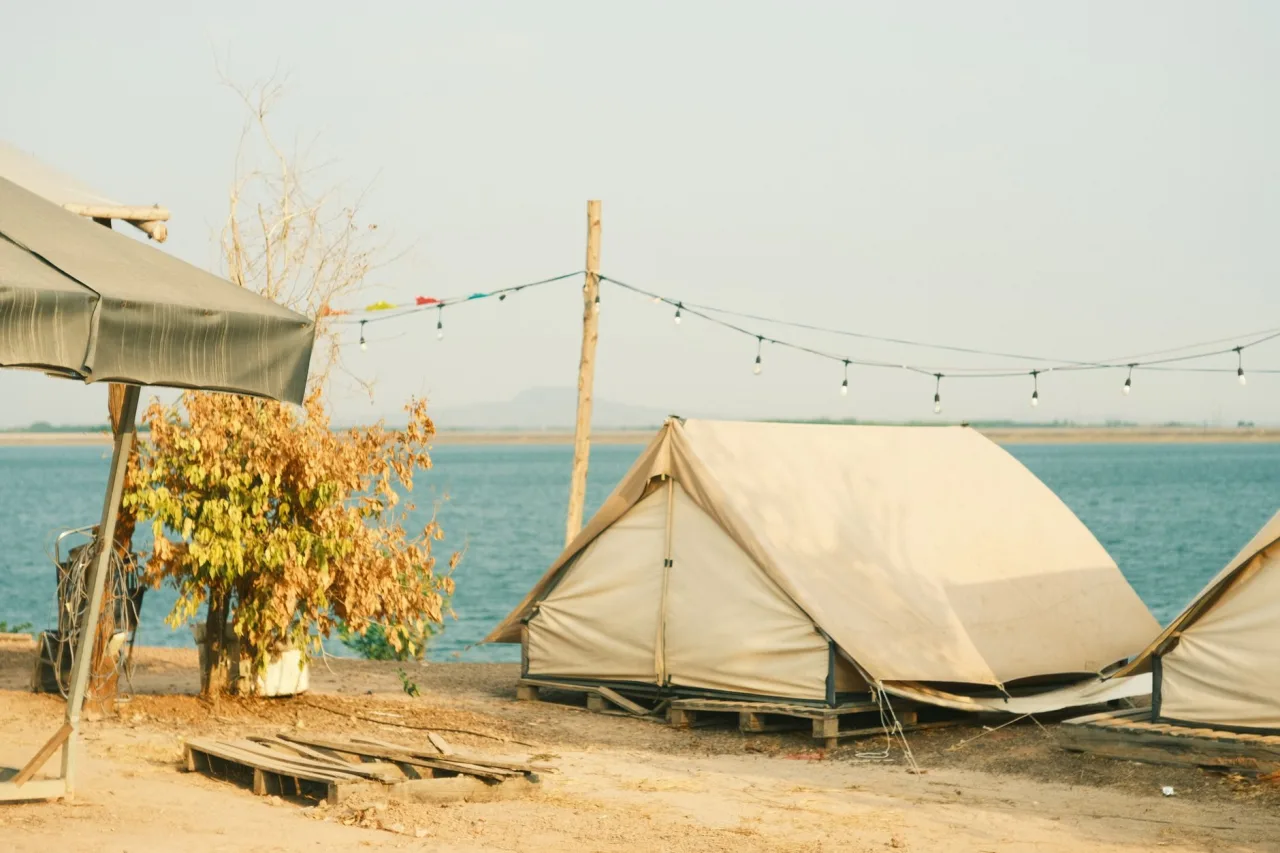
Falling asleep to running water is one of camping's simplest pleasures, which is why riverside campgrounds are so sought after. This guide is not a fake directory of named sites. It is an honest, practical framework for how to find, compare, and choose a good riverside campground anywhere, plus the safety knowledge that camping near moving water demands.
The short version
- "Riverside campground" is a type of site, not one place, so judge each by its position on the bank, not by the name.
- The land beside a river, the riparian zone, is beautiful but dynamic. Water levels can rise fast after rain far upstream.
- Prioritise sites set safely above the waterline, and always check weather and flood forecasts before and during your stay.
- Expect insects, damp mornings, and soft ground. Pack and pitch accordingly.
What "riverside campground" actually means
A riverside campground is any campground positioned along a river or stream, from a manicured private park with hookups to a primitive forest site with a single pit toilet. The common thread is the riparian zone, the interface between land and a river. This strip of land is ecologically rich, shaded by trees, and alive with wildlife, which is exactly why it makes such a pleasant place to camp. It is also, by definition, the land most shaped by the water beside it.
Because "riverside" describes a setting rather than a specific location, a static list of "best riverside campgrounds" is close to meaningless. What matters is learning to read an individual site: how high it sits above the water, how the operator manages access, and what the river does in wet weather. Master that and you can vet any riverside site, anywhere.
Types of riverside campground, honestly compared
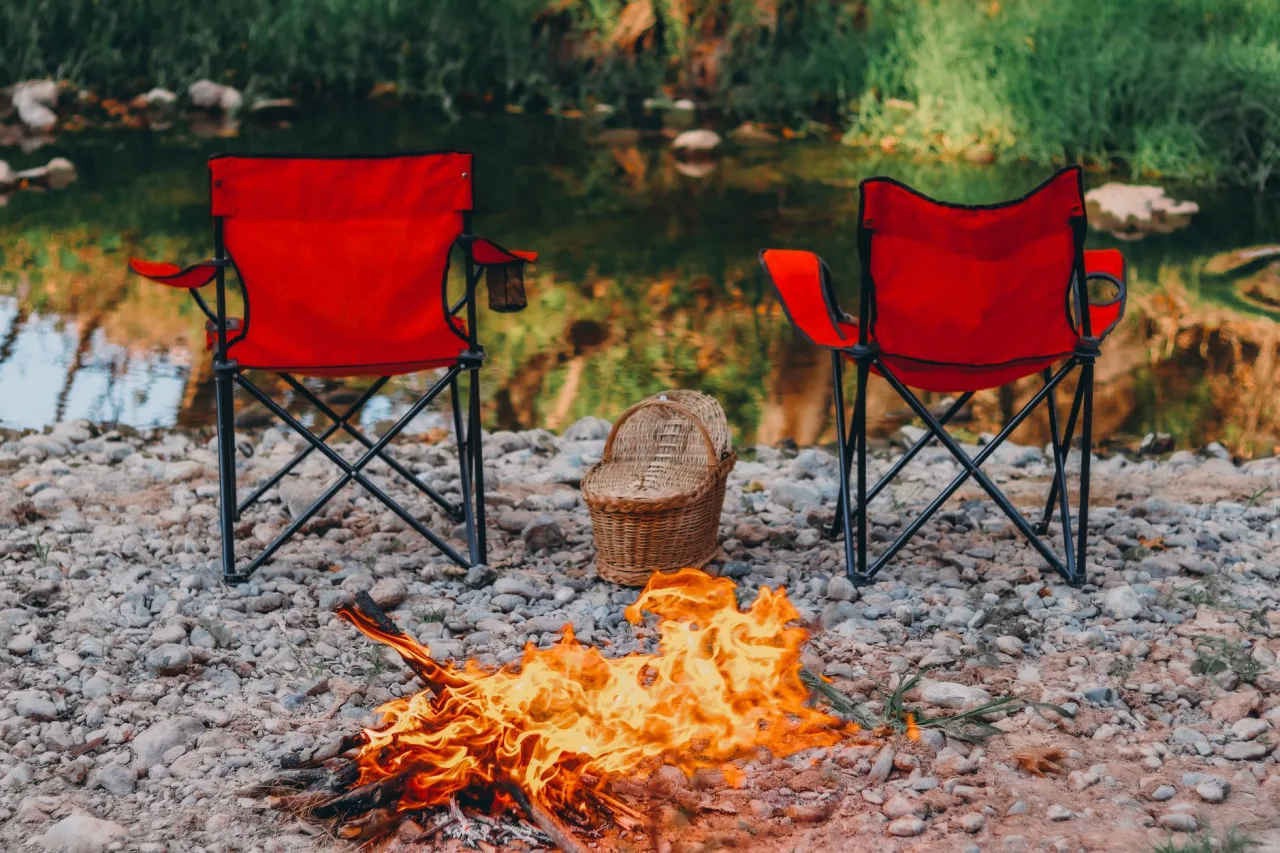
Riverside sites fall into a few broad categories. Match the category to your trip before you look at any single site.
- Developed public campgrounds: Run by national forests, parks, or state agencies, often with numbered sites, potable water, toilets, and sometimes hookups. Many federal riverside sites reserve through official booking systems.
- Private riverside parks and resorts: More amenities such as showers, laundry, camp stores, and full RV hookups, usually at a higher nightly rate.
- Primitive and dispersed sites: Few or no facilities, often first-come, and closest to nature. These demand the most self-reliance and the most caution about water levels.
If your trip is RV based, our RV campgrounds guide covers hookups, rig-length limits, and dump stations that apply directly to riverside RV parks.
What good looks like: a riverside site checklist
Use the same criteria to compare any riverside campground fairly:
- Height above the water: The single most important factor. Favour pitches set clearly above the current waterline, not on a low gravel bar.
- Bank stability and access: Look for stable, gently sloping access rather than crumbling or steep drops, especially if children or dogs are along.
- Shade and drainage: Riverside ground can stay damp. A pitch that drains well and gets some morning sun dries faster.
- Insect exposure: Slow, marshy stretches breed mosquitoes and midges. Faster, rockier reaches tend to be buggier only at dawn and dusk.
- Noise and privacy: A rushing river masks neighbour noise but can be loud itself. Some campers love it, some do not.
- Facilities and reservation terms: Match toilets, water, and hookups to your needs, and check cancellation policy.
Safety warning: water can rise fast
Rivers respond to rain that may fall many miles upstream, so a river can rise quickly even under a clear local sky. Never pitch on a low gravel bar or right at the water's edge, camp above the visible high-water line, and keep an eye on both the forecast and the river itself. If the water starts rising or turning muddy, move to higher ground early rather than waiting.
Typical costs, as realistic ranges
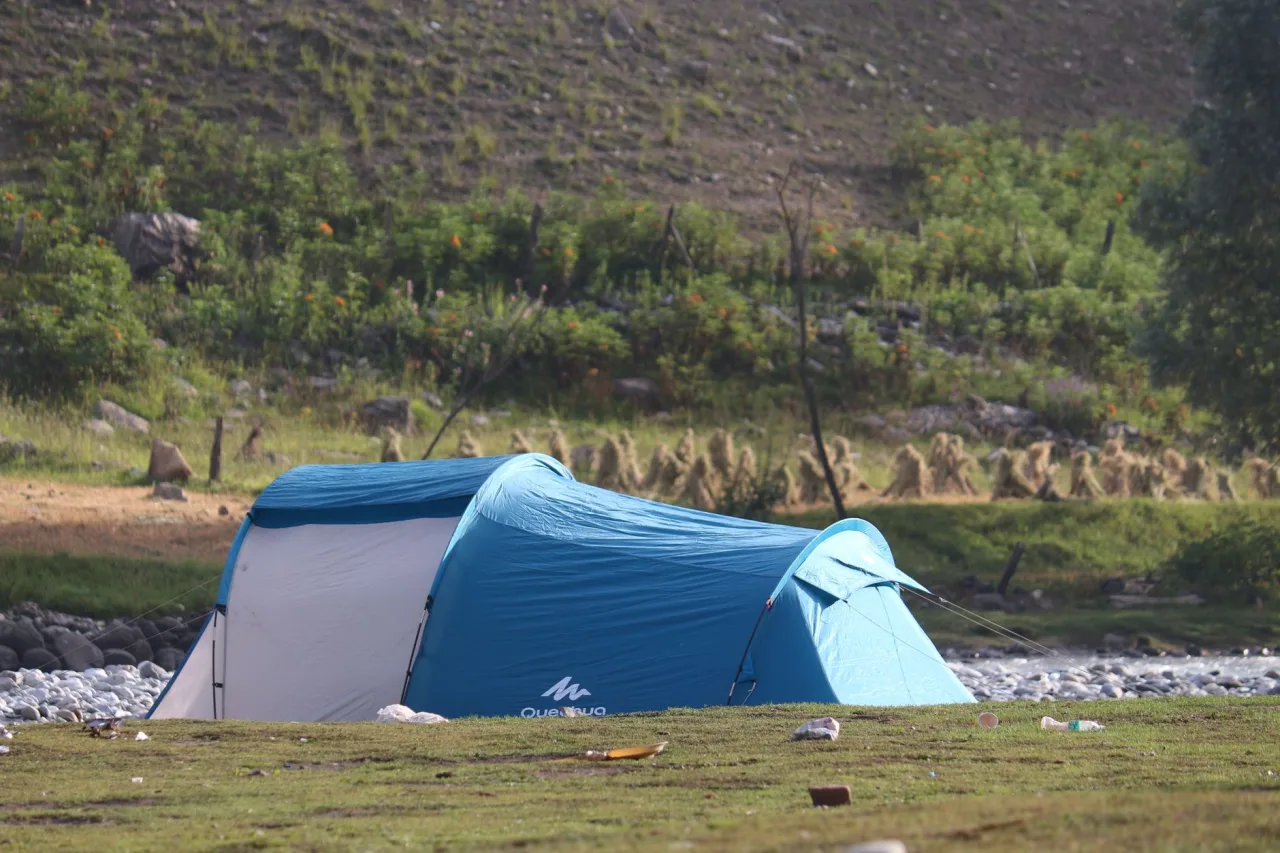
Prices vary by region, season, and site type, and every rate should be confirmed when you book. As a realistic 2026 planning range, primitive and basic public riverside sites often run from around the low $20s per night, developed public campgrounds sit in the mid-$20s to $40s, and private riverside RV parks with full hookups can run higher, particularly in peak season or near popular float and fishing rivers. Treat any figure you see as a starting point and confirm on the operator's own page, since demand near desirable rivers pushes prices up on summer weekends.
For the fundamentals of comparing any campsite by cost and amenities, see our complete guide to camping sites.
How to find and book a good riverside site
Finding the right riverside campground is a filtering exercise:
- Pick your river or region based on the activities you want, such as fishing, paddling, or simply relaxing by the water.
- Decide developed, private, or primitive based on the facilities you need.
- Check availability and reservation windows. Federal public sites often book through Recreation.gov, the official federal booking platform covering national forests and other public lands.
- Read recent reviews and the site map to confirm how close and how high the pitches sit relative to the water.
- Book early for summer weekends near popular rivers, and have a backup.
Packing and pitching for the riverside
Riverside camping rewards a few adjustments:
- Bring effective insect protection and consider a bug net or screen room for slow-water sites.
- Pack a robust groundsheet and expect heavier morning condensation than at a dry inland site.
- Choose a tent you trust in wind funnelling along the valley, and stake it well on soft ground.
- Bring water shoes for slippery banks and rocks, and store food securely against wildlife drawn to the water corridor.
If you are still choosing shelter, our best tent guide helps you match a tent to damp, breezy riverside conditions.
Leave no trace by the water
Riparian zones filter pollutants, slow floods, and shelter wildlife, so they are worth protecting. Wash dishes and yourself well away from the river using biodegradable soap, pack out all litter, keep vehicles on hard surfaces, and never disturb the bankside vegetation that holds the soil together.
Building your riverside shortlist
Put it together like this. Pick your river and the activities you want. Choose developed, private, or primitive by the facilities you need. Vet each candidate on height above the water, bank access, insects, and drainage. Confirm cost and reservation terms with the operator. Then book early and camp above the high-water line with an eye on the weather. That process beats any static ranking, because the best riverside campground is the one that is safe, open, bookable, and suited to how you camp. For more destination ideas, our lake camping guide and complete camping guide are natural next reads.
Frequently asked questions
Is it safe to camp next to a river?
It can be, with sensible precautions. Rivers can rise quickly from rain falling far upstream, so pitch above the visible high-water line, never on a low gravel bar, and watch both the forecast and the river during your stay. If the water rises or turns muddy, move to higher ground early.
What is a riparian zone?
A riparian zone is the interface between land and a river or stream. It is ecologically rich, shaded by vegetation whose roots slow water flow and reduce flood damage and erosion, and it supports abundant wildlife, which is part of what makes riverside camping so appealing.
How do I choose a good riverside campground?
Judge each site individually rather than trusting the name. Favour pitches set clearly above the waterline with stable bank access and good drainage, check insect exposure, match the facilities to your needs, and read recent reviews and the site map before booking.
How much does a riverside campground cost?
Prices vary by region, season, and site type and should be confirmed when booking. As a realistic 2026 range, primitive public sites often start in the low $20s per night, developed public campgrounds run mid-$20s to $40s, and private riverside RV parks with full hookups can be higher, especially in peak season.
Are riverside campgrounds buggy?
They can be, particularly along slow, marshy stretches where mosquitoes and midges breed. Faster, rockier reaches tend to be worst only at dawn and dusk. Bring effective insect protection and consider a bug net or screen room for slow-water sites.
How do I book a riverside campground?
Pick your river and site type, then check availability and reservation windows. Many federal public sites book through Recreation.gov, while private parks use their own systems. Book early for summer weekends near popular float and fishing rivers, and keep a backup site in mind.
More guides on Campgrounds & Campsites
Have a question or a topic to suggest?
We read every message. Tell us what you would like to see next on the blog.
Get in touchYou may also like
Lake Campgrounds: How to Choose
An honest guide to finding, comparing and choosing a good lake campground anywhere, with a checklist for water access, shade, insects and boats, plus how to book the best waterfront sites.
Mammoth Campground: How to Choose
Which Mammoth do you mean? An honest guide to Yellowstone's year-round Mammoth Campground and the campgrounds around Mammoth Lakes, California.
Beach Campgrounds: How to Choose
An honest method for finding, comparing and choosing a genuinely good beach campground, with a real checklist for shade, tides, wind and fires, plus how to book waterfront sites before they sell out.