Lakeside Camping
Lake Campgrounds: How to Choose
How to find and compare a lake campsite: water access, shade, bugs, boat rules, realistic costs and booking the best waterfront pitches.
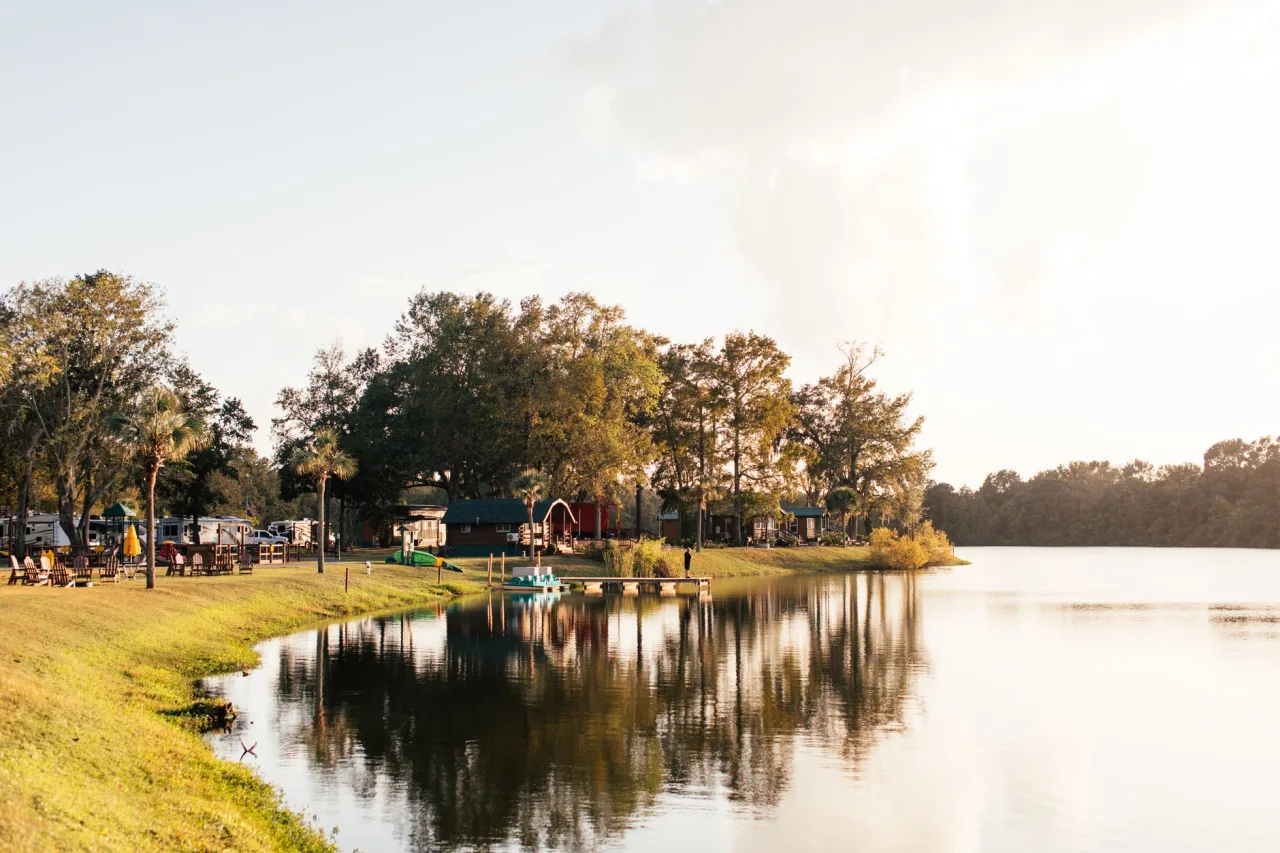
A lake campground offers the best of waterside camping without the salt, sand and surf of the coast: calm water for swimming, a launch for boats and kayaks, and some of the finest fishing you will find. This is an honest guide to finding, comparing and choosing a good lake campground anywhere, not a fabricated list of the "best" lakes.
The short version
- Lake campgrounds range from full-service state parks with hookups to primitive walk-in sites, so decide which experience you want before you search.
- Waterfront and lake-view sites book fastest, so learn the reservation window and be ready when it opens.
- Compare on water access, site distance from shore, shade, insect exposure, boat launch availability and facilities, not just the photos.
- Any price you see is a seasonal range. Confirm the exact fee, plus any entry or boat-launch charge, when you book.
Why lake campgrounds are so popular
Lakes are the most versatile waterside camping destinations. Unlike an exposed ocean beach, a lake usually gives you sheltered, still water that is gentler for young swimmers, a natural home for fishing, and calm conditions for kayaks, canoes and small boats. Many lake campgrounds also sit in wooded settings, which means shade, wind protection and a classic forest-and-water atmosphere in one place.
As the general description of a campground notes, developed sites commonly include road access, parking pads, picnic tables, fire rings, potable water and, at larger parks, utility hookups for RVs. Lake parks span that whole spectrum, from resort-style campgrounds to rustic hike-in spots, so the label alone tells you little until you dig into the specifics.
How to find lake campgrounds near you
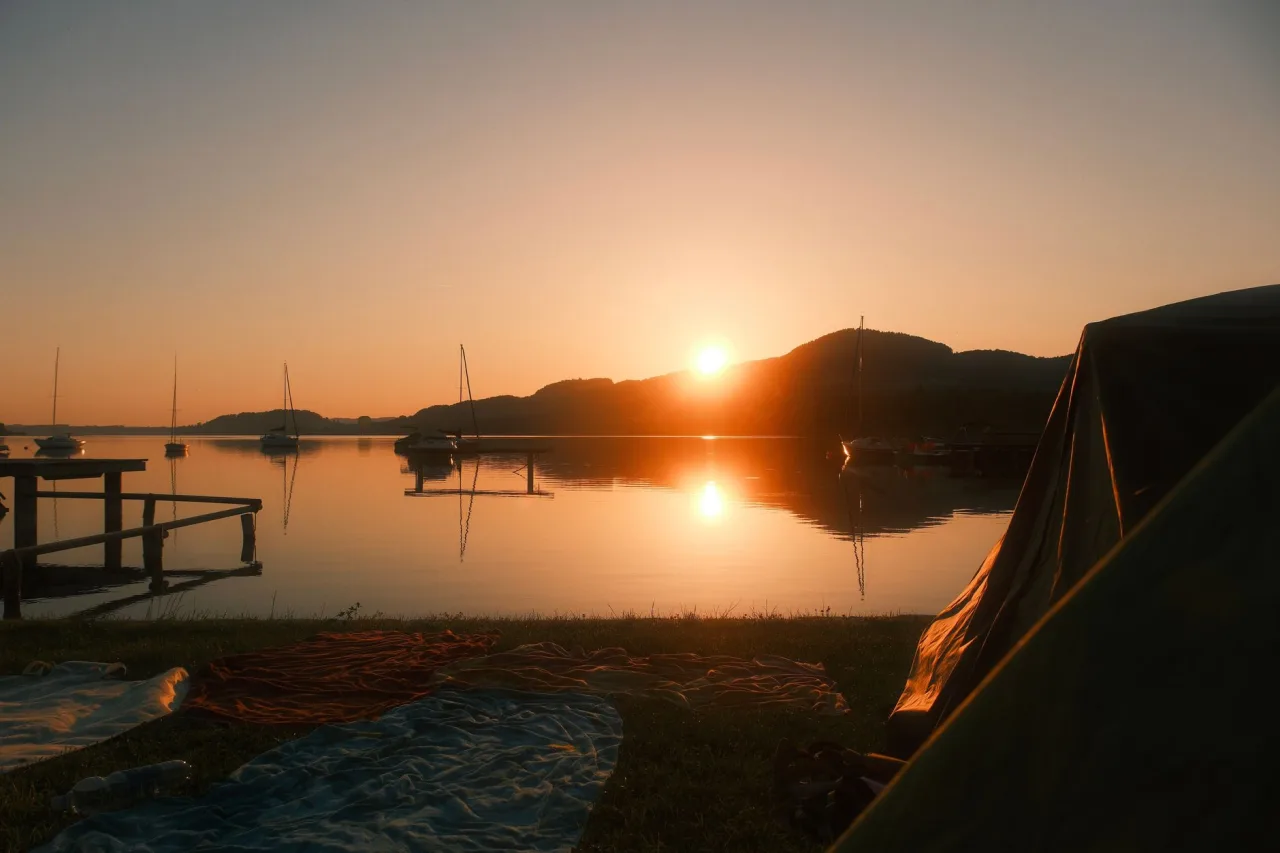
Cross-check several authoritative sources rather than relying on one directory:
- State park reservation systems. Most lakes with public camping are in state or provincial parks, each with its own booking portal showing live availability and current fees.
- Federal portals. In the United States, reservoirs managed by the Army Corps of Engineers and lakes in national forests are bookable through Recreation.gov.
- Private campgrounds and resorts. Many popular lakes have private parks with fuller amenities. Read recent reviews to judge quality.
If you specifically want somewhere close to home, our guide to finding lake camping near you focuses on searching your immediate area, while our complete guide to camping sites covers the wider picture of site types and reservation systems.
The comparison checklist for lake sites
Two lakeside campgrounds can differ enormously in practice. Score your shortlist on these points:
- Water access. Is there a swimming beach, a boat ramp, a fishing dock, or just distant views? Confirm what you actually get.
- Distance from shore. A "lakeside" park may place most sites well back from the water. Check the campground map for genuine waterfront pitches.
- Shade and shelter. Wooded sites are cooler and calmer. Open sites can be hot and breezy off the water.
- Insects. Still fresh water breeds mosquitoes and biting flies, especially in early summer. Ask about the season and pack repellent.
- Boat and gear rules. Some lakes restrict motor sizes, require launch permits, or ban certain craft to protect the water. Check before you tow a boat.
- Facilities. Toilets, showers, potable water, a dump station and hookups matter more the longer you stay and the bigger your rig.
Protect the water you came for
- Clean, drain and dry boats and gear between lakes to avoid spreading invasive species.
- Keep soap, dishwater and human waste well away from the shoreline.
- Store food securely, as lakeside campgrounds attract raccoons, bears in some regions, and bold waterfowl.
What lake camping realistically costs
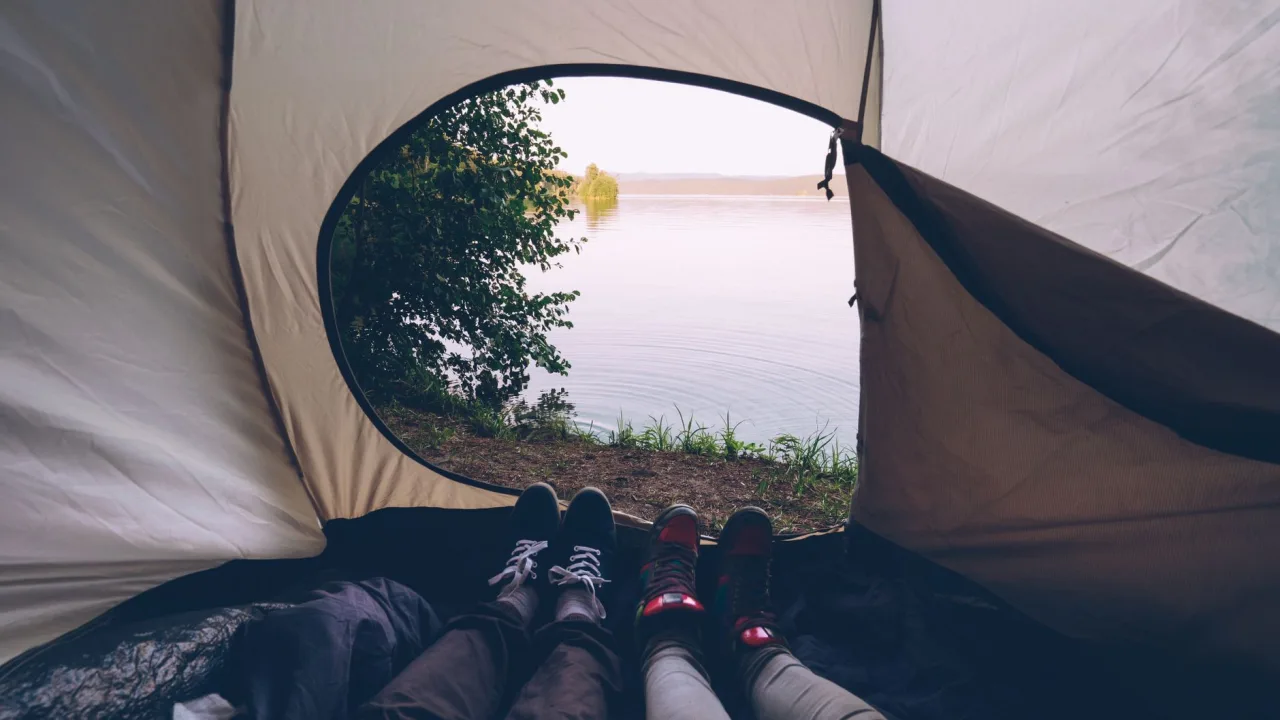
Fees vary widely by ownership, region and season, so treat any number as a range to confirm. Broadly, primitive and walk-in public sites tend to be the cheapest, developed public campgrounds with electric hookups sit in a moderate band, and private lake resorts with full hookups, beaches and extras cost the most, especially on peak summer weekends. On top of the nightly rate you may also pay a park entry or vehicle pass and, if you bring a boat, a launch or trailer fee. Always confirm the full total, including any reservation and cancellation charges, at the moment you book.
Booking the best waterfront sites
Waterfront pitches are the first to sell out at any popular lake. The winning approach:
- Find the park's booking window, since public systems often open reservations a set number of months or days ahead on a rolling basis.
- Set up your account and save payment details before the window opens.
- Be logged in and ready the moment your dates release, because prime lake-view sites can go in minutes on busy weekends.
- If you miss out, watch for cancellations and consider weekdays, which are far easier to book and quieter on the water.
Named destinations show how fierce this can get. A famous alpine lake such as Lake Tahoe books out months ahead, while a large state park like Silver Lake in Michigan sees its summer weekends sell fast. The same discipline applies to your local lake.
Packing for a lake trip
Lakes reward a few specific additions to your usual kit:
- Insect protection. Repellent, a head net in bug season and a screened shelter or tent with good mesh.
- Water footwear. Rocky or muddy shorelines and slippery ramps make sandals or water shoes worthwhile.
- Sun cover. Water reflects sunlight, so bring a hat, sunscreen and a shade tarp for open sites.
- A good tent. Wooded lakeshores are humid and buggy, so ventilation and mesh matter. See our tested tent picks by budget if you need one.
- Fishing and boating gear where allowed, plus any required licence or permit for the lake.
Camp responsibly at the lakeshore
Freshwater shorelines are sensitive and easily degraded. Following the Leave No Trace principles keeps them healthy: camp on established, durable sites set back from the water, pack out all trash including food scraps, dispose of waste and wash water well away from the shore, keep campfires to established rings where permitted, and observe wildlife without feeding it. Cleaning your boat and gear between waters also stops invasive plants and mussels from hitching a ride, which is one of the biggest threats to the lakes we love to camp beside.
If you decide you would rather face the ocean after all, our guide to beach campgrounds covers how tidal coasts differ from calm inland lakes.
Frequently asked questions
What makes a good lake campground?
The best lake campgrounds combine genuine water access such as a swimming area, boat ramp or fishing dock with comfortable sites that offer shade and shelter, decent facilities for your length of stay, and manageable insect conditions. Match those factors to whether you want a full-service park or a rustic, quiet site.
When should I book a lakeside site?
As early as the park allows, because waterfront and lake-view sites sell out first. Learn the reservation window, set up your account in advance, and be ready the moment your dates open. Weekdays and shoulder-season dates are much easier to secure than summer weekends.
How much does a lake campground cost?
It varies by ownership and season. Primitive public sites are cheapest, developed public sites with electric hookups fall in a moderate band, and private lake resorts cost the most on peak weekends. Budget for a possible entry pass and boat-launch fee too, and confirm the exact total when you book.
Are lake campgrounds buggy?
They can be, since still fresh water breeds mosquitoes and biting flies, especially in early summer. Bring repellent, choose a tent with good mesh, consider a screened shelter, and ask the park about the current bug season when you plan your dates.
Do I need a permit to bring a boat?
Often, yes. Many lakes require a launch permit or charge a ramp fee, and some restrict motor sizes or ban certain craft to protect the water. Check the specific lake's rules before you tow a boat, and always clean, drain and dry it between lakes to avoid spreading invasive species.
More guides on Campgrounds & Campsites
Have a question or a topic to suggest?
We read every message. Tell us what you would like to see next on the blog.
Get in touchYou may also like
Lake Camping Near Me: How to Choose
An honest method for finding lake camping near you: what lakeside really means, water safety and rules, the extra factors like bugs and water level, and how to book the right pitch.
Silver Lake Campground Guide
Silver Lake is a common lake name, so this guide focuses on the famous Silver Lake State Park in Michigan, with its dunes and ORV area, and a method for comparing and booking any Silver Lake campground.
Lake Tahoe Campground: How to Choose
An honest framework for choosing a Lake Tahoe campground across California, Nevada, state parks and national forest land, with confirmed facts and booking tips.