Tent buying
Best Tent 2026: How to Choose by Budget
Skip the fake leaderboard: choose a tent by your camping style, waterproof rating and price tier.
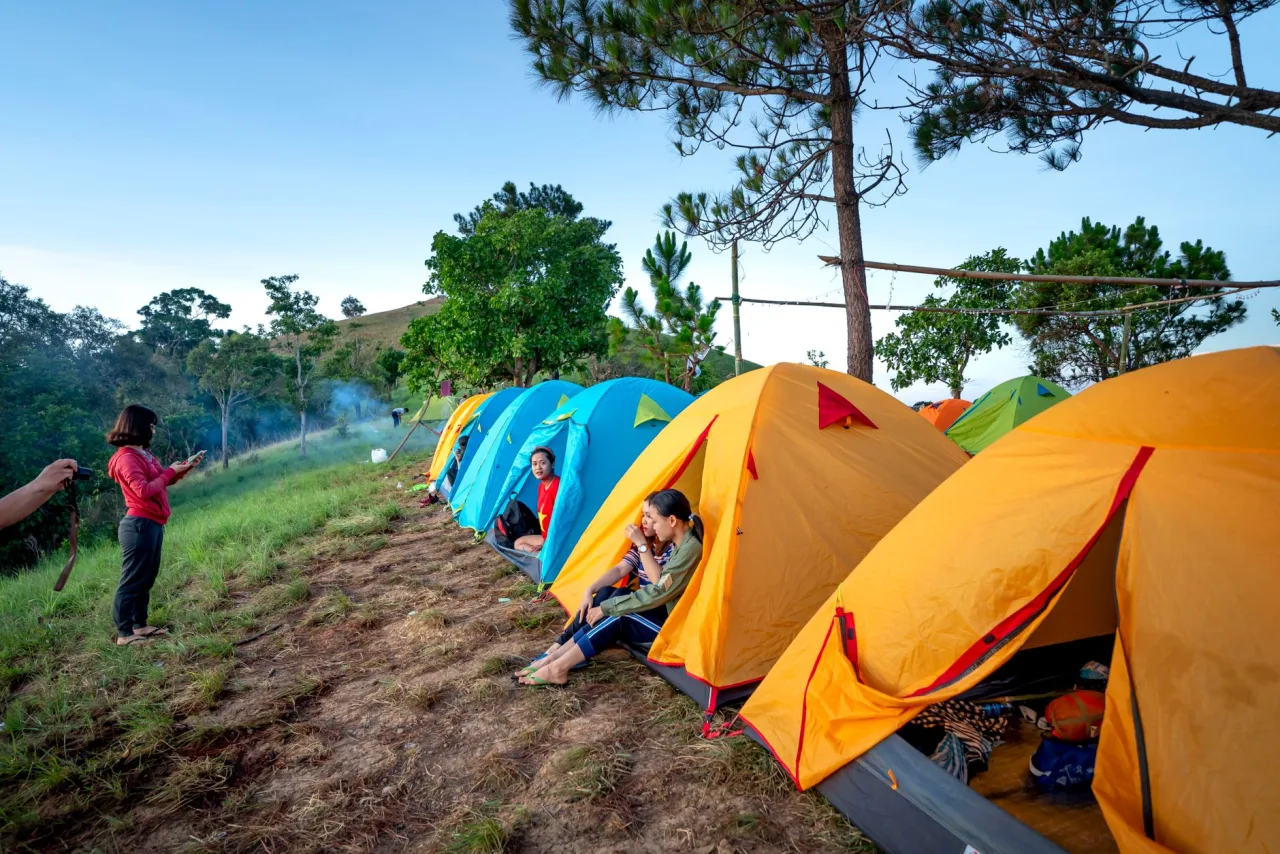
There is no single "best tent", only the best tent for how you camp, where you camp and what you can carry. This guide skips the fake leaderboard and instead gives you an honest buyer's framework: the criteria that separate a good tent from a bad one, and what to expect at each price tier in 2026. Use it to shortlist confidently, then check current stock and reviews before you buy.
The short version
- Match the tent to your camping style first: backpacking, family car camping, or festival and occasional use each want a different design.
- Waterproofing is measured as hydrostatic head in millimetres. Around 1,500 mm suits summer camping; higher ratings handle harsher weather.
- The "berth" rating is a tight fit. For comfort, size down by one or two people from the label.
- Weight matters enormously if you carry the tent, and barely at all if you drive to the pitch. Buy for the right one.
Why there is no single best tent
Tents come in a wide range of shapes and materials, and each design trades one strength for another. As Wikipedia's overview of tents explains, common styles include dome tents and tunnel tents built on flexible poles, sturdy frame and cabin tents on rigid poles, and geodesic designs that cross poles for strength in wind. Fabrics range from traditional cotton canvas, which is heavy but breathable, to lighter nylon and polyester with waterproof coatings.
That variety is exactly why "best" only makes sense once you name your use. A featherweight backpacking tent is a poor family shelter, and a huge cabin tent is impossible to carry up a mountain. So the first job is not to compare products, it is to describe your own camping honestly.
Step one: define how you camp
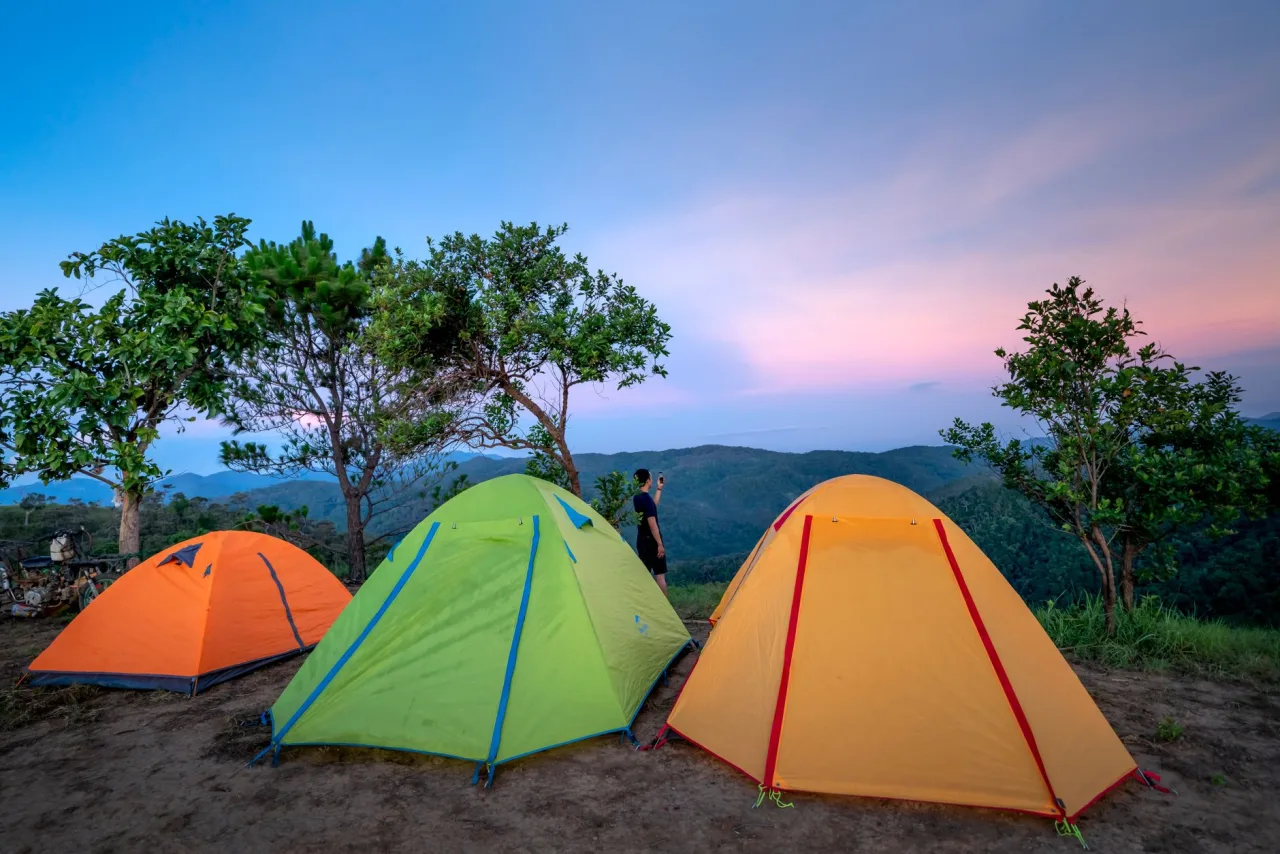
Sort yourself into one of three broad groups, because each points at a different design:
- Backpackers and hikers carry everything, so low weight and small packed size dominate, a priority the overview of backpacking describes as central to lightweight travel on foot. A one or two person dome or tunnel tent in lightweight nylon is the usual answer.
- Car campers and families drive to the pitch, so space, standing height and comfort matter far more than weight. Large tunnel or cabin tents shine here.
- Festival and occasional campers want speed, low cost and easy setup, often prioritising a quick pitch over long-term durability.
If you fall into more than one group, buy for the trip you do most often and accept a compromise on the rest, or plan to own two tents over time. Trying to buy one tent that does everything usually means it does nothing especially well.
Step two: understand weather ratings
The number that matters most for staying dry is the hydrostatic head, the waterproof rating measured in millimetres of water pressure the fabric resists before it leaks. Per the tent overview above, fabric rated around 1,000 mm or less is best treated as merely shower resistant, roughly 1,500 mm is usually fine for summer camping, and higher ratings around 2,000 mm and up suit year-round or more exposed use.
Waterproofing is only half the story, though. Taped or sealed seams, a bathtub-style groundsheet that curves up the walls, and good ventilation to manage condensation all decide whether you actually stay dry and comfortable. A high hydrostatic head with poor seams and no airflow is a wet, clammy night waiting to happen.
Tip: how to read a berth rating
- A "four berth" tent fits four sleeping mats edge to edge with no room for bags.
- For real comfort, size down: a four berth is a roomy two-to-three person tent.
- Check the sleeping-area dimensions, not just the headline number.
- Standing height only matters if the tent has a living area you will actually use.
Step three: weight, packed size and setup
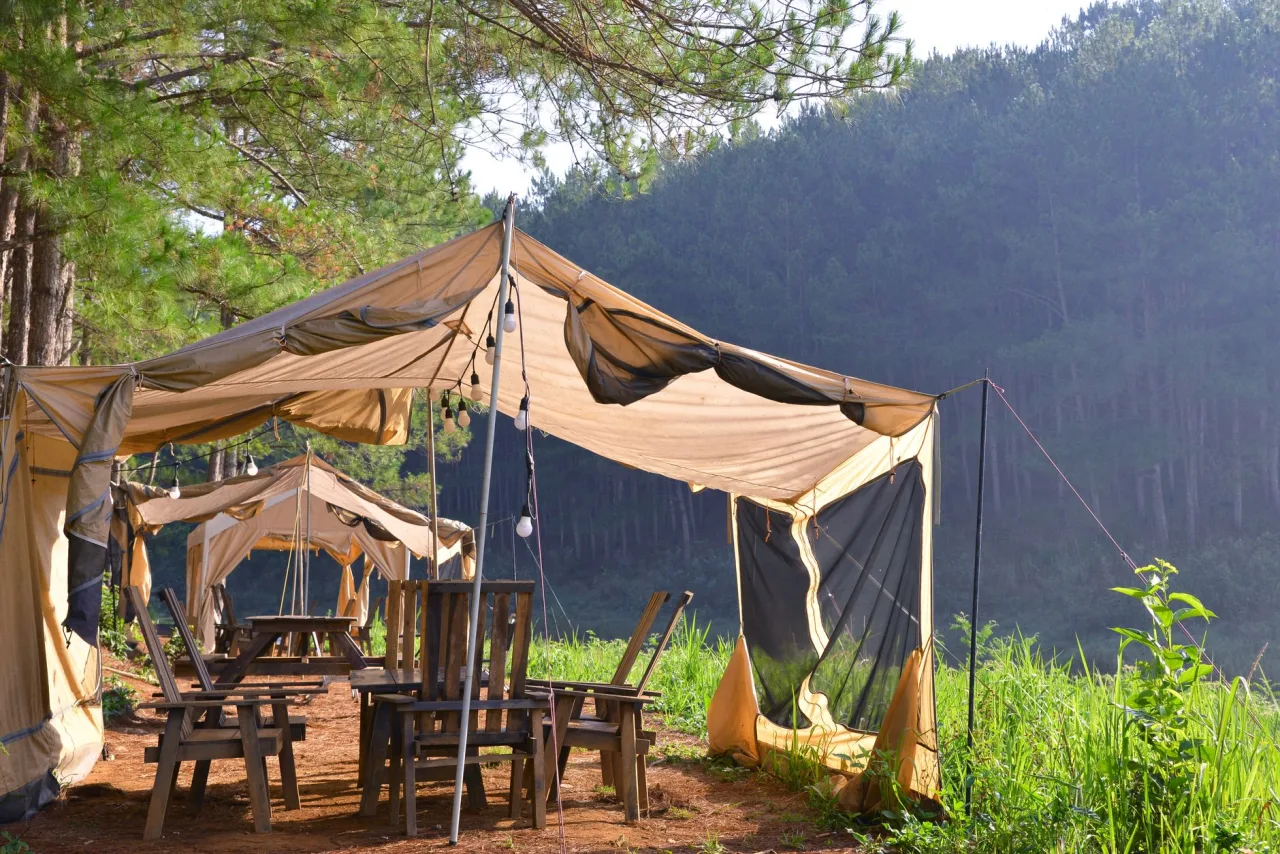
If you carry the tent, every gram counts, and packed size decides whether it fits in or on your pack. If you drive to the pitch, you can happily ignore weight and choose comfort instead. This single question, do I carry it or drive it, changes which tent is "best" more than any other factor.
Setup style matters too. Traditional pole tents are cheap, light and reliable but take a few minutes to pitch. Instant and pop-up designs trade some weight and wind resistance for speed. Air or inflatable tents remove poles entirely at the cost of price and pack weight. If quick setup is your priority, our dedicated guide to the best pop up tents digs into that specific trade-off, while families who want a comfortable multi-night base should read our companion piece on the best camping tents.
What to expect at each price tier
Prices vary by brand, size and season, so treat these as broad expectations to confirm against live listings, not fixed quotes:
- Budget tier: the cheapest tents get you shelter for occasional dry-weather use, but expect lower waterproof ratings, thinner poles and a shorter lifespan. Fine for a first festival, risky for a rainy week.
- Mid tier: the value sweet spot, where you find solid hydrostatic heads, taped seams and durable poles from established brands. Most campers should shop here.
- Premium tier: lighter materials for backpackers, or larger, tougher family tents built to last many seasons. Worth it if you camp often or in demanding conditions.
Spending more does not automatically buy a better tent for you: a premium ultralight tent is wasted on a family car camper, and a huge premium cabin tent is useless to a hiker. Match the tier to your use, then buy the best-reviewed option you can afford within it.
Buy the whole sleep system, not just the tent
A tent keeps the rain off, but a comfortable night also needs the right sleeping bag and an insulating mat, and it helps to have somewhere good to pitch. It is worth planning these together: the warmest tent in the world will not save you from a cold, thin sleeping bag. Our guide to the best sleeping bags pairs naturally with any tent choice here.
Where you pitch matters just as much as what you pitch. A well-chosen, sheltered site protects even a modest tent, while a bad, exposed pitch can defeat a good one. If you are still working out where to go, our complete guide to camping sites and our roundup of how to find tent camping near you will help you choose ground that plays to your tent's strengths.
Frequently asked questions
What waterproof rating should a tent have?
Waterproofing is measured as hydrostatic head in millimetres. A rating around 1,000 mm or less is only shower resistant, about 1,500 mm is usually suitable for summer camping, and 2,000 mm and above suits year-round or more exposed use. Seams, groundsheet design and ventilation matter alongside the raw number.
How many people does a tent really sleep?
The berth rating assumes people lying side by side with no room for gear, so it is a tight fit. For real comfort, size down by one or two people: a four berth tent makes a roomy two to three person tent once you allow space for bags and moving around.
Does an expensive tent mean a better tent?
Not necessarily. A premium ultralight tent is wasted on a family car camper, and a large premium cabin tent is useless to a backpacker. The best value comes from matching the tent to how you camp first, then buying the best-reviewed option you can afford within the right category.
What is the difference between a backpacking and a family tent?
A backpacking tent prioritises low weight and small packed size because you carry it, usually a compact one or two person design. A family tent prioritises space, standing height and comfort because you drive to the pitch, so it is much larger and heavier. Buy for the trips you do most often.
How long should a good tent last?
It depends on tier and care. A budget tent may last only a few trips, while a well-made mid or premium tent, dried properly after each use and stored dry, can last many seasons. Damp storage and rough handling shorten any tent's life far faster than the weather does.
More guides on Tents & Camping Gear
Have a question or a topic to suggest?
We read every message. Tell us what you would like to see next on the blog.
Get in touchYou may also like
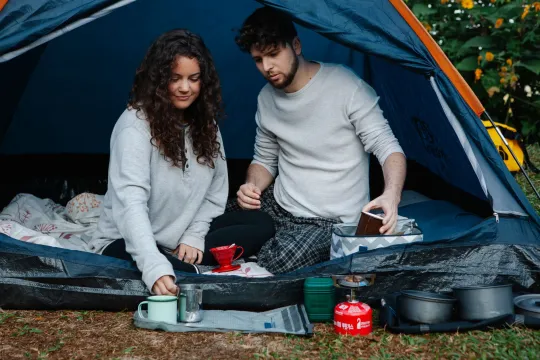
Best Pop Up Tent 2026: Honest Guide
Pop up tents pitch in seconds but trade away wind resistance and packed size. An honest look at what they do well and how to choose one by budget.
Best Camping Tent 2026: Family Picks
Roomy family and car camping tents built for comfort over several nights. How to choose one by space, weather protection and budget in 2026.

Best Sleeping Bags 2026: Budget Picks
The right sleeping bag decides whether you sleep warm or shiver till dawn. This honest buyer's guide shows how to read temperature ratings, weigh down against synthetic, and pick the best bag for your budget and trips.