RV Parks & Resorts · RV Parks & Resorts
Park Model RV
A park model RV blurs the line between a recreational vehicle and a small cabin: compact enough to count as an RV
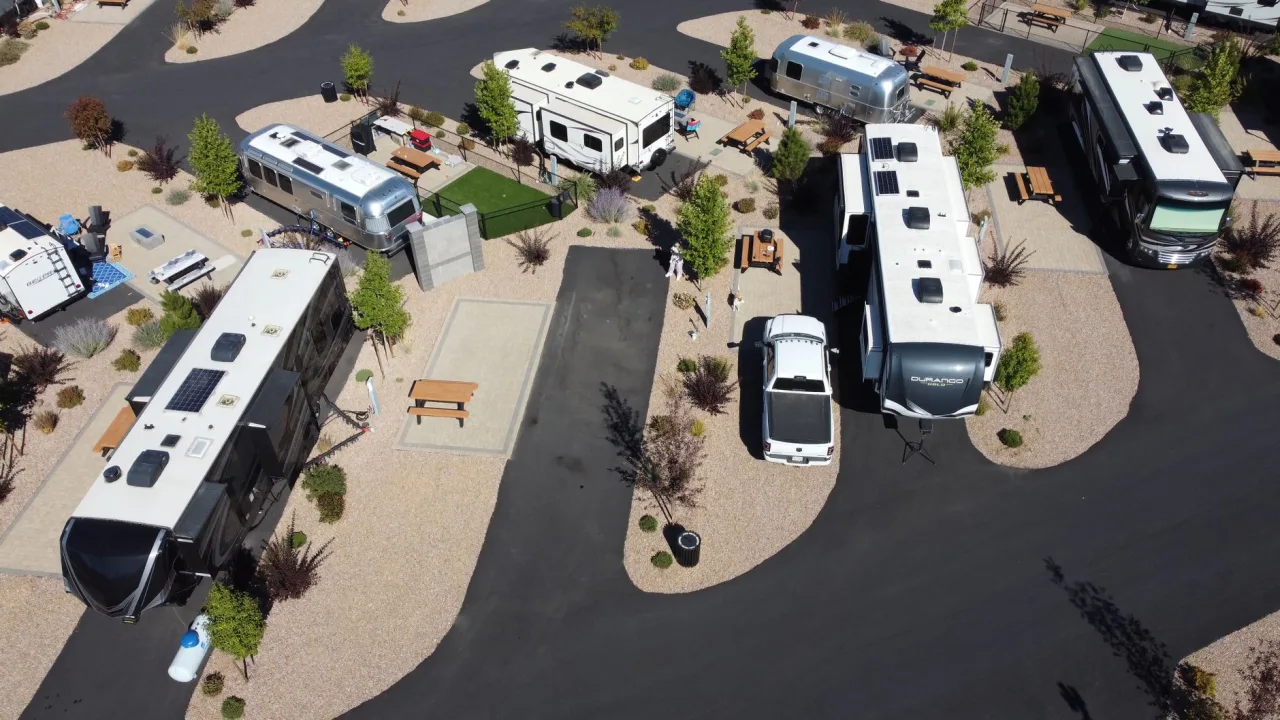
A park model RV blurs the line between a recreational vehicle and a small cabin: compact enough to count as an RV, but built and furnished to live in for weeks or seasons at a time. This complete guide explains what a park model RV really is, how it is regulated, what it costs to buy and run, and how to decide whether one fits your plans.
The short version
- A park model RV is a compact, towable recreational unit designed for extended stays in one spot rather than frequent travel.
- In the United States they are built to the ANSI A119.5 standard overseen by the RV Industry Association, which sets them apart from motorhomes, travel trailers and manufactured homes.
- They are typically kept to a small footprint, around 400 square feet of floor space, with cabin-like fittings inside.
- Prices vary widely by size, finish and features, so treat any figure as a range and confirm the total, delivery and setup costs before buying.
What a park model RV actually is
A recreational vehicle is a motor vehicle or trailer that includes living quarters designed for accommodation. A park model RV sits at the residential end of that definition. It is a single-unit, towable structure meant to be delivered to a site and left there, giving you a small but properly finished living space rather than something you tow around week to week. Many owners use one as a seasonal getaway, a long-stay base in a resort, or a compact home on their own land where local rules allow.
The look and feel is closer to a small cabin than a caravan. Inside you typically find a full kitchen, a bathroom, a living area and a sleeping space, often with residential-style windows, higher ceilings and a covered porch option. That is the appeal: the comfort of a little house with the regulatory and practical status of an RV. For how park models fit alongside other stay-in-one-place options, our guide to RV resorts is useful context, since many resorts host park models on long-term sites.
How park model RVs are regulated
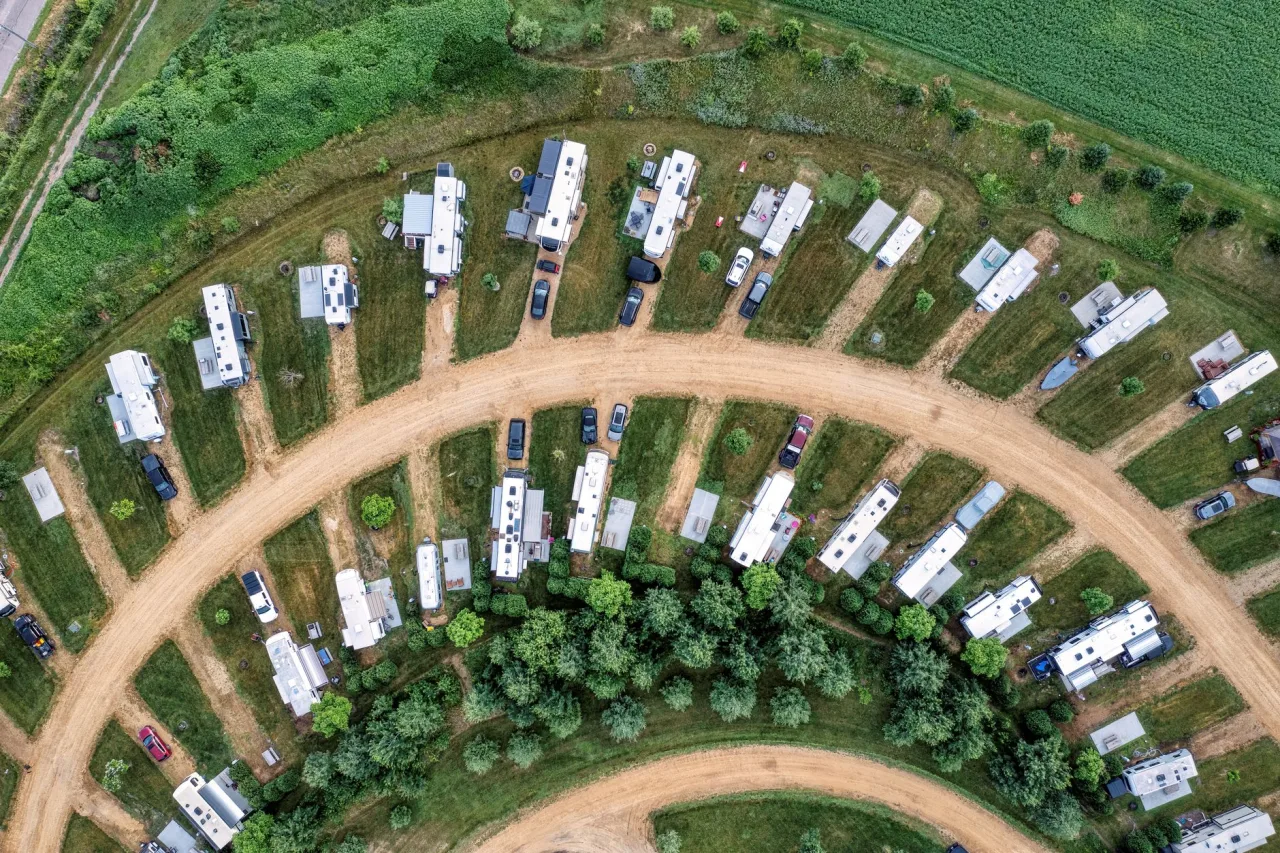
The defining detail of a park model RV in the United States is the standard it is built to. According to the RV Industry Association, park model recreational vehicles are manufactured to the ANSI A119.5 standard, with the association publishing a handbook based on the 2020 edition of that standard and administering enforcement positions. That construction standard, not the size alone, is what officially classifies the unit as a park model RV rather than another type of dwelling.
This matters because it shapes where and how you can place one. Being an RV rather than a permanent building affects zoning, permitting and financing in ways that differ from a house or a manufactured home. Park models are generally intended for placement in RV parks, resorts and designated communities, and the rules vary by state and locality. Always confirm what your intended site and local authority allow before you buy.
Tip: The build standard is a starting point, not the whole picture. Local zoning, park rules and utility connection requirements decide what you can actually do with a park model on a given plot. Check those first, before you fall in love with a floor plan.
Park model versus other options
It is easy to confuse a park model RV with neighbouring categories, so it helps to line them up. Compared with a motorhome or travel trailer, a park model is larger inside and built for staying put, not for regular towing, and it usually needs professional transport to move. Compared with a manufactured or mobile home, it is smaller, built to a different standard, and classed as a recreational vehicle rather than permanent housing.
- Motorhomes and travel trailers: built for travel and self-contained trips, generally smaller living space, easy to relocate.
- Park model RV: compact but residential in feel, designed to be delivered and left in place for long stays.
- Static caravans: the closest cousin in the UK and Europe, covered in our static caravan guide, filling a similar stay-put holiday-home role under different local rules.
- Manufactured homes: larger, built as permanent dwellings to housing codes, not classed as RVs.
If you are weighing a park model against the wider recreational vehicle world, our caravan and RV camping guides set out the more mobile alternatives so you can compare lifestyles, not just products.
Layouts and living space
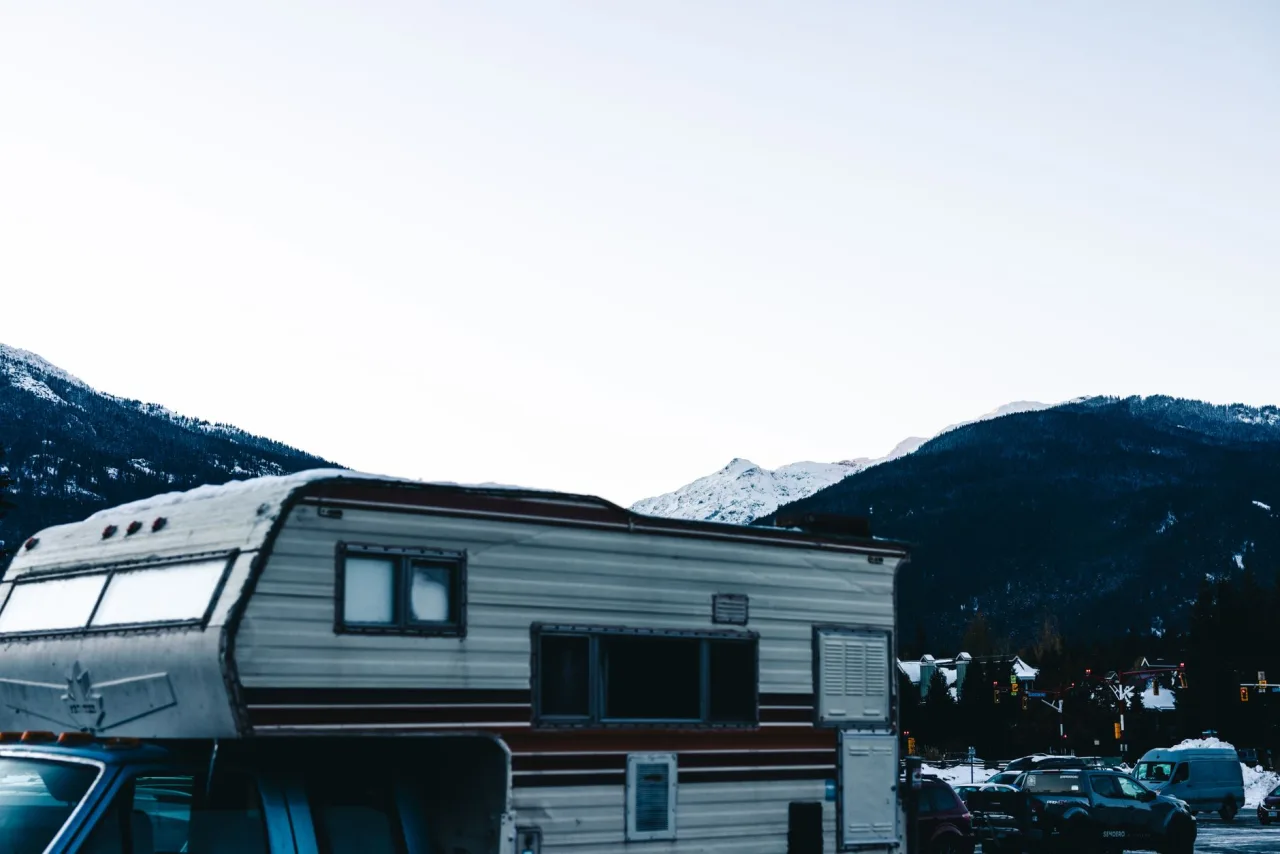
Despite the small footprint, park models are designed to feel like a proper home. Because they stay in one place, manufacturers can use the space for comfort rather than travel practicality: full-size appliances, real furniture, generous storage and often a lofted sleeping area to free up floor space below. High ceilings and large windows are common tricks to make a compact unit feel open.
Common layout choices include a bedroom on the main floor for easy access, a loft for extra sleeping, or an open-plan living and kitchen area that maximises the sense of space. Optional extras such as a covered porch, a deck or additional insulation for colder climates can significantly change how usable a park model is year round. When comparing models, think about how you will actually live in the space across a full season rather than how it photographs.
What park model RVs cost
Purchase prices span a wide range depending on size, build quality, finishes and features, so treat any single number with caution and get current quotes for the specific unit you want. A basic park model costs less than a large, high-specification one with premium fittings, a loft and a porch, and custom options add up quickly. Because pricing shifts with materials and demand, confirm the out-the-door figure rather than relying on a headline price.
The purchase is only part of the total. Budget separately for these ongoing and one-off costs:
- Delivery and setup: professional transport, siting, levelling and utility connection can be a significant added cost, especially over distance.
- Site fees: if you place it in a park or resort, expect ongoing lot rent, which varies by location and amenities.
- Utilities and maintenance: electricity, water, sewer or septic, plus routine upkeep of a residential-style structure.
- Insurance and any local taxes or permits: these depend on your state and how the unit is classified locally.
Add these together before deciding whether a park model is genuinely cheaper than the alternatives for your situation. In some cases a long-term site in a resort with a rented or owned park model works out well, while in others a different type of accommodation fits better.
Where you can place a park model
Placement is where good intentions meet local reality. Park model RVs are most commonly sited in dedicated RV parks, resorts and park model communities that are set up for them, with the utilities and rules already in place. Some owners place them on private land, but this is heavily dependent on local zoning and permitting, and rules differ sharply from one jurisdiction to the next.
Before committing, confirm three things: that your intended site accepts park models, that local zoning permits the placement and any intended use, and how utilities will be connected. If you plan to move the unit occasionally or store it, factor in transport logistics and where it can legally sit, along the lines covered in our motorhome parking guide for larger vehicles. Getting these answers in writing avoids expensive surprises after purchase.
Warning: A park model RV is classed as a recreational vehicle, not permanent housing, and that classification affects zoning, financing and where it can be placed. Never assume you can site one on any plot. Verify local rules with the authority and the park before you buy.
Is a park model RV right for you
A park model suits people who want a small, comfortable base in a fixed location: a seasonal retreat, a long-stay spot in a warm-weather resort, a guest space, or compact living where local rules allow. If you value the feel of a little home over the freedom to travel, and you have a clear, permitted place to put it, a park model can be an excellent fit.
It is the wrong choice if you want to travel regularly, since it is not built for frequent towing, or if you need the legal status and lending options of permanent housing. For those goals, a travel-focused RV or a manufactured home makes more sense. As always, match the product to how you will actually use it: decide on the lifestyle first, confirm where you can legally place the unit, then choose the park model that fits both.
Frequently asked questions
What is a park model RV?
A park model RV is a compact, towable recreational unit designed to be delivered to a site and left there for extended stays, with cabin-like fittings inside. In the United States it is built to the ANSI A119.5 standard overseen by the RV Industry Association, which classifies it as a recreational vehicle rather than a permanent home.
How big is a park model RV?
Park model RVs are kept to a small footprint, typically around 400 square feet of floor space, though layouts vary. Many use lofts, high ceilings and large windows to make that compact area feel open and comfortable. Optional porches or decks can add usable outdoor living space without changing the interior floor area.
How much does a park model RV cost?
Prices vary widely by size, build quality, finish and features, so treat any figure as a range and get a current quote for the specific unit. Remember to budget separately for delivery and setup, utility connection, ongoing site fees and maintenance, since these can add substantially to the purchase price.
Can I put a park model RV on my own land?
Sometimes, but it depends heavily on local zoning and permitting, which vary from place to place. Park models are most commonly sited in RV parks, resorts and dedicated communities set up for them. Always confirm with your local authority and the site that placement and your intended use are permitted before buying.
How is a park model RV different from a mobile home?
A park model RV is smaller, built to the ANSI A119.5 recreational vehicle standard, and classed as an RV rather than permanent housing. A manufactured or mobile home is larger, built to housing codes as a permanent dwelling. This difference affects size, construction standard, financing, zoning and where each can be placed.
More guides on RV Parks & Resorts
Have a question or a topic to suggest?
We read every message. Tell us what you would like to see next on the blog.
Get in touchYou may also like
Caravan and Camping Club
If you have searched for the "caravan and camping club," you have probably noticed something confusing: there is more than one. In the UK, two large, long established membership organisations dominate touring
Places to RV Camp Near Me: Find and Compare
Typing "places to RV camp near me" into a search box is easy. Sorting the results into a shortlist you would actually trust with your rig is the hard part.
Motorhome Parking
A motorhome gives you the freedom to sleep wherever you park, but only if you park somewhere you are actually allowed to stay. "Motorhome parking" covers everything from a daytime car park to a fully serviced