RV Parks & Resorts
Places to RV Camp Near Me: Find and Compare
Typing "places to RV camp near me" into a search box is easy. Sorting the results into a shortlist you would actually trust with your rig is the hard
Typing "places to RV camp near me" into a search box is easy. Sorting the results into a shortlist you would actually trust with your rig is the hard part. This guide is a practical method for finding, comparing, and booking RV camping near you, whatever "near" happens to mean on your trip.
The short version
- Good RV camping falls into four buckets: private RV parks and resorts, public campgrounds, membership networks, and free or low cost dispersed sites.
- Filter by the three things that actually strand people: your rig length, the hookups you need, and the road in.
- Nightly prices vary widely by season and location, so treat any figure as a range and confirm at booking.
- Read recent reviews for the details listings hide: site levelness, tree cover, cell signal, and real big rig access.
What "near me" really means for an RV
For a tent camper, "near me" might be an hour's drive. For an RV, the useful radius depends on your fuel, your schedule, and how far you are willing to reposition between hookups. Before you search, decide whether you want a base camp for several nights or a one night stopover on a longer route, because that single choice changes which sites make sense.
It also helps to be honest about your rig. A 22 foot campervan can squeeze into places a 40 foot fifth wheel cannot get near. Length, height, and turning space quietly rule out a surprising number of otherwise appealing spots, so keep your real dimensions in front of you as you browse.
The four kinds of RV camping near you

Almost every result you find will be one of these four types. Knowing which is which saves a lot of confusion.
- Private RV parks and resorts. These offer the most predictable experience: full hookups, level pads, laundry, and often pools or clubhouses. They cost more but reduce surprises. See our overview of RV resorts for what the upmarket end includes.
- Public campgrounds. National and state parks, forests, and reservoirs often have RV friendly loops, sometimes with electric and water but rarely full sewer. They trade amenities for scenery and price.
- Membership and club networks. Chains and clubs bundle many locations under one booking system, useful if you travel the same corridors often.
- Dispersed and boondocking sites. Free or cheap camping on public land with no hookups. Great for self contained rigs, unsuitable if you need power every night.
How to search without wasting an afternoon
The map pin results from a plain search are a starting point, not an answer. Layer a few better tools on top:
- Start with official public sources. For federal land in the US, Recreation.gov lists over 3,600 facilities and more than 103,000 individual sites and lets you book camping, cabins, and permits in one place. It is the cleanest way to find public RV loops near a destination.
- Check the managing agency. The National Park Service camping pages point you to park specific campgrounds and whether they suit tents or RVs.
- Use a private park directory or our own search. For private parks, compare listings on their amenities and recent reviews rather than the header photo.
- Cross reference reviews. Two or three recent reviews reveal more than any listing about the details that matter to a big rig.
When you want a curated shortlist for a given area, our directory guides to RV parks near you and RV resorts near you apply the same comparison method to specific searches.
Tip: verify big rig access in writing
Listings love the phrase "big rig friendly," but a tight mountain approach, low branches, or a soft grass pad can make it untrue for your setup. Before booking anything over about 30 feet, message the park with your exact length and ask about the approach road, pad surface, and turning space. A five minute reply saves a very bad afternoon.
The comparison checklist that matters
Once you have a handful of candidates, judge them on the criteria that decide whether a stay is pleasant or miserable. Score each site on these:
- Hookups. Do you need full (electric, water, sewer), or will electric and water do? Confirm amp rating (commonly 30 or 50 amp).
- Site type and levelness. Back in versus pull through, gravel versus grass, and whether pads are level. Reviews are your best evidence here.
- Rig fit. Maximum length, height clearance, and slide out room.
- Connectivity. Cell signal and Wi Fi quality if you work or stream.
- Rules and vibe. Age restrictions, pet policy, quiet hours, and whether it is a transient stopover or a long stay community.
- Access to what you came for. Distance to the trailhead, beach, town, or attraction.
Write your must haves down before you look. It is easy to be seduced by a pool when what you actually needed was a 50 amp pull through you could reach after dark.
What RV camping typically costs
Nightly rates swing enormously with location, season, and amenities, so think in ranges rather than fixed numbers. As a rough guide, public campgrounds tend to be the most affordable, full hookup private parks sit in the middle, and destination resorts near popular attractions command the highest rates, especially in peak season and around holidays.
Dispersed camping on public land can be free or nearly free, but you supply your own power and water and pack out your waste. Whatever a listing shows, confirm the current price when you book, because promotional rates, weekly discounts, and seasonal surcharges shift constantly.
For a deeper look at how nightly rates and hookups work across the category, our complete guide to RV camping breaks the costs down further.
Booking smart and avoiding common mistakes
The best sites near popular destinations book out months ahead, so plan early for holidays and peak weekends. A few habits keep trips smooth:
- Book the popular spots early, and keep a flexible backup for shoulder dates.
- Read the cancellation policy before you pay, especially at resorts.
- Screenshot your reservation and the site number, since signal can vanish at arrival.
- Arrive in daylight the first time you visit anywhere, so you can see the approach and the pad.
- Have a plan B for full campgrounds, such as a nearby park or a known overnight stop.
Warning: photos age, reviews do not
A listing's hero image might be years old. Trees grow, facilities close, and management changes. Weight your decision toward reviews from the last few months, and if every recent review complains about the same thing, believe them.
Matching a spot to your trip
Finally, let the trip choose the site type. A quick overnight on a long haul wants an easy on, easy off park near the highway, not a scenic site up a dirt road. A week long family holiday justifies a resort with a pool and a playground. A quiet nature escape rewards a public campground or a dispersed site if your rig is self contained.
If your search keeps landing on well known destinations, our detailed guide to the Oasis Las Vegas RV Resort shows how to evaluate a specific named resort, and our guide to park model RVs covers the option of a fixed, cabin like unit for long seasonal stays.
Frequently asked questions
How do I find RV camping near me right now?
Start with an official source such as Recreation.gov for public land, add a private park directory for full hookup options, then filter by your rig length, the hookups you need, and the drive in. Confirm availability directly with the site before you rely on any listing.
How much does it cost to RV camp per night?
It varies widely by location, season, and amenities. Public campgrounds are usually the cheapest, full hookup private parks sit in the middle, and destination resorts cost the most, especially in peak season. Dispersed camping on public land can be free. Always confirm the current rate when booking.
What is the difference between an RV park, a campground, and a resort?
An RV park focuses on hookup sites for vehicles, a campground is often a public area that may mix tents and RVs with fewer hookups, and an RV resort adds premium amenities like pools, clubhouses, and landscaped pads at a higher price. The labels are not strictly regulated, so check the actual facilities.
Do I need full hookups?
Only if you plan to stay put and use power, water, and your tanks without moving. Self contained rigs can manage with electric and water, or with no hookups at all for short stays if you conserve. Decide based on how long you will stay and how much you rely on onboard systems.
How far in advance should I book?
Popular parks near major attractions and national parks can fill months ahead for holidays and peak weekends, so book early for those. Off peak and less famous locations are often available with little notice. Keep a flexible backup option for busy dates.
Is dispersed or free RV camping safe and legal?
Dispersed camping is legal in many areas of public land, subject to local rules, stay limits, and designated zones. It has no hookups and no facilities, so it suits self contained rigs. Always check the managing agency's rules for the specific area and follow leave no trace practices.
More guides on RV Parks & Resorts
Have a question or a topic to suggest?
We read every message. Tell us what you would like to see next on the blog.
Get in touchYou may also like
Caravan and Camping Club
If you have searched for the "caravan and camping club," you have probably noticed something confusing: there is more than one. In the UK, two large, long established membership organisations dominate touring
Motorhome Parking
A motorhome gives you the freedom to sleep wherever you park, but only if you park somewhere you are actually allowed to stay. "Motorhome parking" covers everything from a daytime car park to a fully serviced
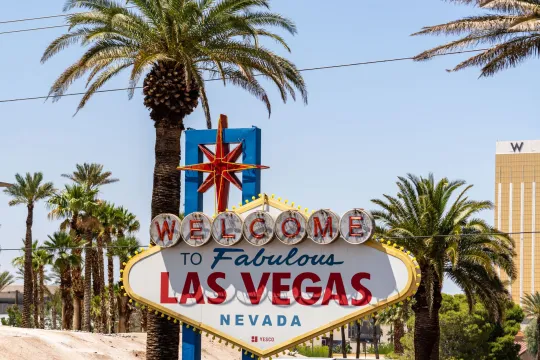
Oasis Las Vegas RV Resort
The Oasis Las Vegas RV Resort is one of the best known names in Nevada RV travel, sitting just off the south end of the Las Vegas Strip. This complete guide explains what the resort actually