Find RV Parks
RV Park: Find and Compare Spots
RV park versus campground, how to compare on rig fit and hook-ups, and matching the rate to your stay.

An RV park is where a motorhome or trailer feels most at home: level bays, proper hook-ups and often a full set of amenities. This guide does not hand you a fake list of "the best" parks. It shows you how to find, compare and choose an RV park that fits your rig and your trip, whether you are stopping for one night or settling in for a season.
The short version
- An RV park is a dedicated site with allotted bays for recreational vehicles, usually with hook-ups.
- Choose on rig fit, hook-up level and the amenities you will actually use, not the marketing.
- Overnight, weekly and monthly rates differ widely, and long stays often unlock better value.
- Prices vary by region, season and service level, so confirm the full total, including any fees, at booking.
What an RV park is
An RV park, sometimes called a caravan park, is a place where people with recreational vehicles stay overnight or longer in marked spaces known as sites or bays. Most offer utility connections at each bay, and shared facilities can range from basic toilets and showers to laundry, recreation halls, pools and shops. As the overview of RV parks notes, quality spans a wide spectrum, from simple sites within public parks to luxury resorts with hotel-grade amenities.
Because the label covers so much, the right park depends entirely on what you want from a stay. A quick overnight stop on a long drive has very different priorities from a month-long winter base, so decide what matters most before you start comparing.
RV park versus RV campground
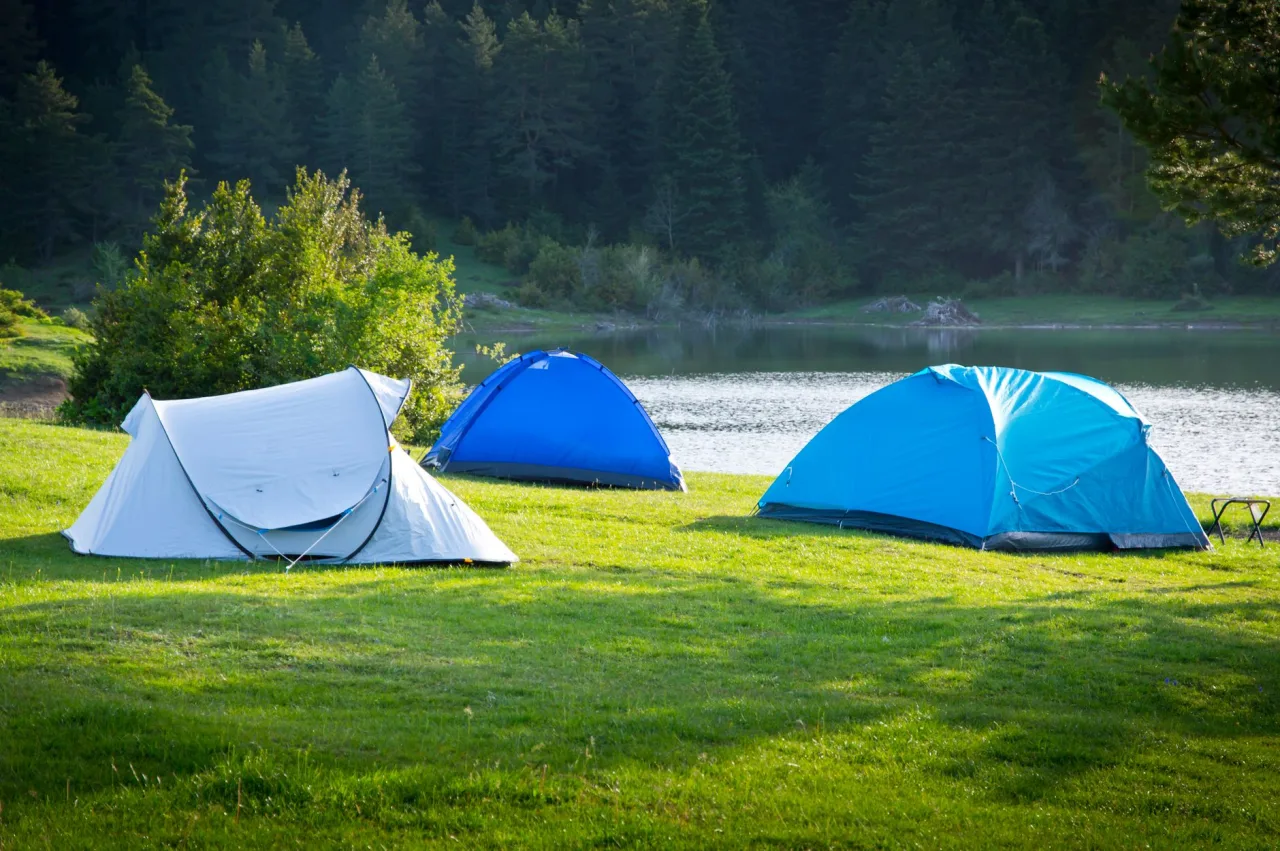
The two terms overlap, and many sites use them interchangeably, but there is a useful distinction. An RV park usually means a dedicated commercial site built around hardstanding bays and full hook-ups, often with more amenities and a more developed feel. An RV campground tends to sit within a more natural, camping-focused setting and may mix RV pads with tent pitches. Neither is better in the abstract, since one prioritises comfort and services while the other leans toward scenery and space. For the camping-focused side, see our guide to comparing RV campgrounds, and if you want the most amenity-rich end of the market, the RV resorts guide covers resort-style stays.
Where to find RV parks
Build your shortlist from sources that show real availability and honest feedback rather than a single opinion piece:
- Private RV park directories and booking platforms: the main way to find commercial parks, though you should weight recent reviews heavily.
- Official booking sites for public land: in the United States, Recreation.gov lists federal sites, some with RV-suitable bays and clear length limits.
- Map searches: reveal nearby parks the directories miss and show road access, which matters for large rigs.
- The park's own website: the final word on current bay availability, hook-up levels and long-stay rates.
Cross-check two or three sources, since availability and pricing differ between platforms and the park's own page is usually the most accurate on hook-ups and length limits. To search by proximity, our guide to finding RV parks near you walks through the process.
How to compare RV parks fairly

With a handful of candidates, score them on the same criteria so you compare like with like:
- Rig fit: maximum bay length including any towed vehicle, plus height and width clearance and pad levelness.
- Hook-ups: electric amperage, water and sewer, and whether a dump station is available if bays lack sewer.
- Amenities: showers, laundry, Wi-Fi, pool and shop, weighed against whether you will actually use them.
- Location and access: proximity to your route or attractions, road quality and turning space for a large rig.
- Recent reviews: the last few months, focusing on cleanliness, noise, accuracy of listings and how big rigs are handled.
Tip: Do not pay for amenities you will not touch. A resort pool and clubhouse are lovely on a long stay, but for a single overnight stop on a long drive, a clean, well-lit, easy-in park near your route is usually the smarter and cheaper choice.
Overnight, weekly and monthly stays
RV parks price differently depending on how long you stay, and matching the rate to your plans can save a lot. Overnight and short stays carry the highest nightly rate, weekly rates usually bring that down, and monthly or seasonal rates are lower still per night, which is why long-term and snowbird travellers gravitate to them. Longer stays may also be metered for electricity separately, so check how power is billed before committing.
Consider what a long stay needs beyond a bay: reliable Wi-Fi if you work remotely, laundry, mail handling at some parks, and a community feel if you value it. For newcomers weighing the whole touring lifestyle, the RV camping guide explains tanks, hook-ups and setup in plain terms, and finding a motorhome park near you follows the same comparison method.
What RV parks typically cost
Nightly fees depend on the service level, amenities, region and season, so treat any figure as a range. As a general pattern, simple sites within public parks sit at the low end, standard commercial RV parks in the middle, and full-service resorts at the top. Peak season and popular destinations raise every tier, while weekly and monthly bookings lower the effective nightly cost.
Read the fine print for extras that do not show in the headline rate: resort fees, metered electricity on longer stays, extra-vehicle and extra-guest charges, and pet fees. Confirm the full total at checkout so a park does not turn out pricier than a rival once the add-ons are counted.
Frequently asked questions
What exactly is an RV park?
An RV park is a dedicated site where people with recreational vehicles stay overnight or longer in marked bays, usually with utility hook-ups. Shared facilities range from basic toilets and showers to laundry, pools and shops. Quality spans from simple public-park sites to luxury resorts, so always check what a specific park actually offers.
How is an RV park different from an RV campground?
The terms overlap, but an RV park usually means a dedicated commercial site built around hardstanding bays and full hook-ups, often with more amenities. An RV campground tends to sit in a more natural, camping-focused setting and may mix RV pads with tent pitches. Check the facilities rather than relying on the label.
Do RV parks offer weekly and monthly rates?
Many do, and long stays usually cost less per night than overnight rates. Weekly rates bring the nightly cost down, and monthly or seasonal rates are lower still, which is why long-term and snowbird travellers use them. Electricity may be metered separately on longer stays, so check how power is billed.
How do I choose the right RV park?
Shortlist a few, then compare them on rig fit, hook-up level, amenities you will actually use, location and recent reviews. Avoid paying for resort extras you will not touch on a short stop. For a long stay, weigh Wi-Fi, laundry and community more heavily. Confirm bay length and hook-ups directly with the park when unsure.
How much does an RV park cost per night?
It varies by service level, amenities, region and season. Simple public-park sites are cheapest, standard commercial parks sit in the middle, and full-service resorts cost the most. Peak season raises prices, weekly and monthly bookings lower the nightly rate, and resort or metered-electric fees can add up, so confirm the full total.
More guides on RV Parks & Resorts
Have a question or a topic to suggest?
We read every message. Tell us what you would like to see next on the blog.
Get in touchYou may also like
RV Campgrounds: Find and Compare
How to find, compare and choose an RV campground that matches your vehicle, your power needs and the kind of trip you want.
RV Parks Near Me: Find the Best
A practical guide to finding, comparing and booking a good RV park near you: how to filter by hookups, read reviews, judge price ranges and keep a backup for busy dates.

RV Resorts: The Complete Guide
What RV resorts actually are, how they differ from standard parks, what the amenities and premium cost, and how to tell a genuine resort from a marketing label.