RV Spots
RV Spots Near Me: Find the Best
Find and compare the full range of places to park your rig, from paid parks to free public land and overnight stops.
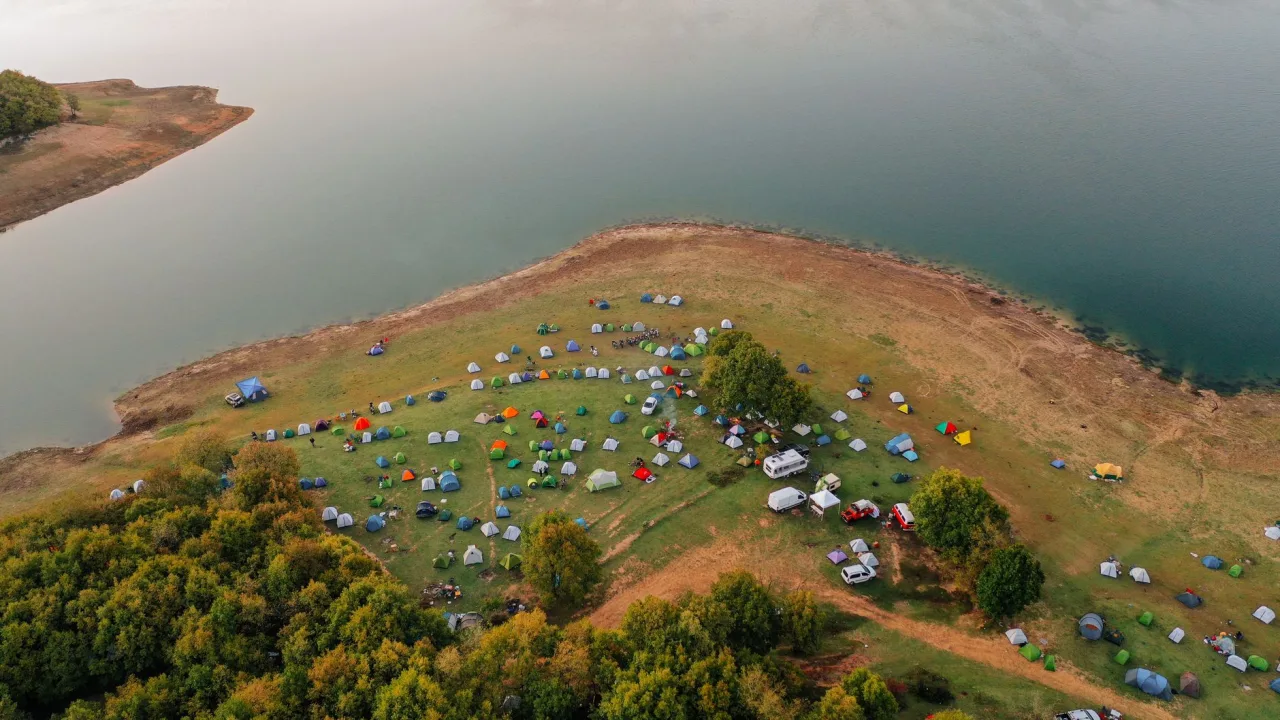
"RV spots near me" is the broadest of searches: a spot might be a full-hookup site, a quiet public campground, a patch of free public land or an overnight parking lot. This guide covers the whole range, so you can find, compare and choose the right place to park your rig tonight, whatever your budget and however self-sufficient your RV is.
The short version
- An RV spot can be a paid park site, a public campground, free dispersed public land or a permitted overnight lot.
- Paid full-hookup sites often run roughly 35 to 90 US dollars a night; public and dispersed options are cheaper or free, with fewer facilities.
- Match the spot to your rig: self-contained RVs can boondock, while those needing power and water lean on serviced sites.
- Never assume overnight parking is allowed. Check local rules and signs, and always camp responsibly.
What counts as an RV spot
Unlike "RV park" or "RV resort", the word "spot" covers everything. A recreational vehicle carries its own living quarters, so where you can legitimately park it stretches far wider than a single category. Your local search will mix several very different kinds of place into one list, and knowing them apart is how you pick well:
- Private park sites: paid pitches with hookups and shared facilities, the most predictable and comfortable option.
- Public campgrounds: government-run sites in national, state and regional parks, often scenic and good value but with size limits.
- Dispersed or boondocking spots: free camping on certain public lands with no hookups, suited to self-contained rigs.
- Overnight parking: lots or areas where staying one night is permitted, meant for rest on a journey rather than a stay.
Because these differ so much in price, facilities and rules, treat a "near me" result as a shortlist spanning categories, not a ranked verdict. For the more comfort-focused end specifically, our RV parks near me and RV resorts guides go deeper.
Start with how self-contained your rig is
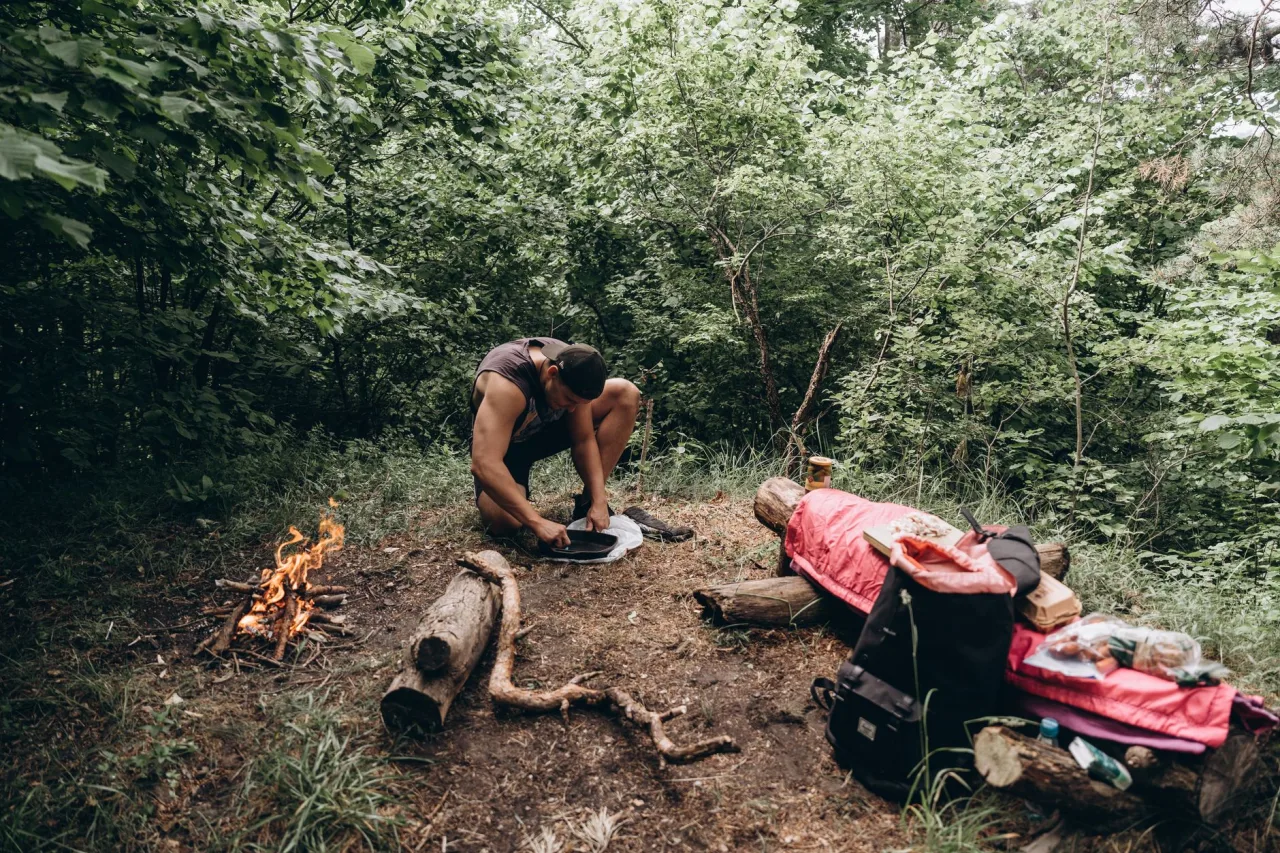
The single biggest factor in which spots suit you is how independent your RV can be. A rig with a large fresh water tank, solar, a decent battery bank and onboard waste tanks can happily use free dispersed spots for days. A simpler setup that needs regular power and water will lean on serviced sites. Be honest about your setup before you search, because it rules whole categories in or out.
Work through the basics: how long your batteries last without a charge, how much water you carry, and how many days your waste tanks hold before needing a dump station. The answers tell you whether a free spot is realistic or whether you should filter straight to hookup sites. Our broader RV camping guide covers building that self-sufficiency in more detail.
The best tools for finding a spot
No single app lists every kind of spot, so combine a few. Each covers part of the map and misses the rest.
- Campground and RV apps: strong for paid parks, filtering by hookups and rig length, and reading recent reviews.
- Public reservation systems: in the United States you can search and book federal campgrounds through Recreation.gov, which covers thousands of facilities and individual sites.
- Park service pages: the National Park Service camping resource explains which parks take RVs and their size limits.
- Boondocking and overnight apps: community-sourced listings of free and dispersed spots, useful but worth verifying against official land rules.
Cross-checking two or three of these gives both the reliable paid options and the cheaper or free ones a single app would miss.
Compare spots on what matters
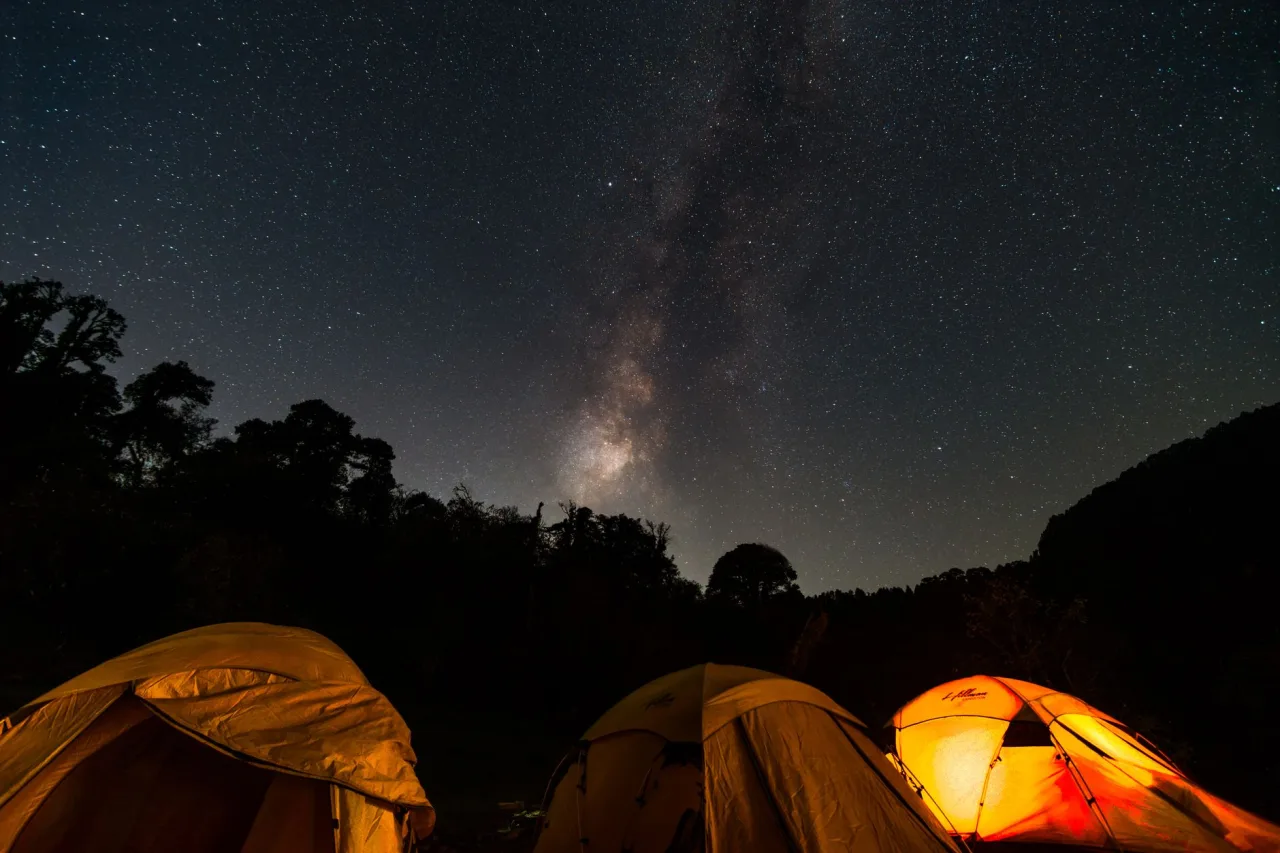
Because a "spot" could be almost anything, compare candidates against a consistent checklist rather than gut feel. That keeps a free patch of land and a paid pitch on the same footing so you can weigh the trade-offs honestly:
- Facilities versus cost: decide what you are willing to pay for, from full hookups to nothing at all.
- Rig fit: check length limits, access roads and surface, which matter most for larger rigs and free spots.
- Recent reviews and reports: for free spots especially, recent notes on access and conditions are vital, since they change with weather.
- Rules and legality: confirm the spot genuinely permits overnight RV stays before you rely on it.
Tip: When a paid site is not essential, mix your trip. Use a serviced park every few nights to refill water, dump tanks and charge up, then string cheaper or free spots in between. It cuts costs without leaving you stranded on empty tanks.
What different spots cost
Cost tracks facilities closely, so prices are best thought of as ranges to confirm at booking. Paid full-hookup sites in the United States often run somewhere around 35 to 90 dollars a night, with resort-style parks higher. Public campgrounds are frequently cheaper, sometimes well under that, though the most scenic fill fast. Dispersed public-land camping is often free or carries only a small permit fee, and permitted overnight parking is typically free but facility-free.
The right mix depends on your priorities. If comfort and reliability matter most, budget for paid sites. If stretching a trip and enjoying nature matter more, lean on public and dispersed spots and accept fewer facilities. Whatever you choose, confirm current fees and any permit requirements, since rates and rules change by season and location.
Overnight parking and boondocking rules
Free and overnight spots come with the strictest need for care, because getting the rules wrong risks fines and gets locations closed to RVers. Overnight parking permissions vary by business, city and region, and a lot that allowed it last year may not now. Dispersed camping on public land is allowed only in certain areas and often has stay limits and distance rules from water and roads. Always check the managing agency's rules and any posted signs before settling in for the night.
Responsibility is what keeps these options available. Following widely used outdoor ethics such as the Leave No Trace principles matters even more on free land: pack out all rubbish, empty tanks only at proper dump stations, keep noise and lights low, and leave the spot cleaner than you found it. Every considerate RVer helps keep the map of free and low-cost spots from shrinking.
Warning: Emptying grey or black tanks anywhere other than a designated dump station is illegal and damaging, and it is the fastest way to get spots closed to RVs. Always use proper facilities, and never assume a quiet spot permits overnight stays without checking.
Choosing the right spot tonight
Pull it together by matching the spot to the night you need. Arriving late and tired on a long drive suits a simple, legal overnight stop close to your route. A relaxed few days in nature suits a public campground or a dispersed spot if your rig can handle it. A comfort break to recharge, clean up and do laundry calls for a full-service park or resort. If your search leans toward the serviced end, the RV park guide is the natural next read.
The advantage of thinking in "spots" rather than one category is flexibility. You are not locked into paying park rates every night, nor forced to rough it when you want comfort. Know your rig's limits, check the rules, compare honestly, and you can always find a spot near you that fits both the trip and the budget.
Frequently asked questions
What counts as an RV spot near me?
A spot can be a paid private park site with hookups, a public campground in a national or state park, free dispersed camping on certain public lands, or a permitted overnight parking area. A local search mixes all of these together, so treat the results as a shortlist across categories rather than a ranked list.
Can I park my RV overnight for free?
Sometimes, but only where it is genuinely permitted. Some businesses allow one night, and dispersed camping on certain public lands is free within stay limits and local rules. Permissions vary widely and change over time, so always check the managing agency's rules and any posted signs before staying overnight.
How much do RV spots cost?
Paid full-hookup sites in the United States often run around 35 to 90 dollars a night, with resorts higher. Public campgrounds are frequently cheaper, and dispersed public-land camping is often free or a small permit fee. Prices vary by facilities, season and location, so confirm current fees and permits when you book or arrive.
Do I need hookups to find a good spot?
Not if your RV is self-contained. A rig with a large water tank, solar, a good battery bank and onboard waste tanks can use free and dispersed spots for days. If your setup needs regular power and water, filter for serviced sites with hookups instead. Match the spot to how independent your rig is.
Where can I empty my RV waste tanks?
Only at designated dump stations, which are found at many campgrounds, some service areas and dedicated facilities. Emptying tanks anywhere else is illegal and damaging and gets spots closed to RVs. Plan your route around dump-station access, especially when using free or dispersed spots without facilities.
More guides on RV Parks & Resorts
Have a question or a topic to suggest?
We read every message. Tell us what you would like to see next on the blog.
Get in touchYou may also like
RV Parks Near Me: Find the Best
A practical guide to finding, comparing and booking a good RV park near you: how to filter by hookups, read reviews, judge price ranges and keep a backup for busy dates.
RV Resorts: The Complete Guide
What RV resorts actually are, how they differ from standard parks, what the amenities and premium cost, and how to tell a genuine resort from a marketing label.

RV Park: Find and Compare Spots
How to find, compare and choose an RV park that fits your rig and your trip, whether you are stopping for one night or settling in for a season.