RV Parks & Resorts · RV Parks & Resorts
Motorhome Parking
A motorhome gives you the freedom to sleep wherever you park, but only if you park somewhere you are actually allowed to stay.
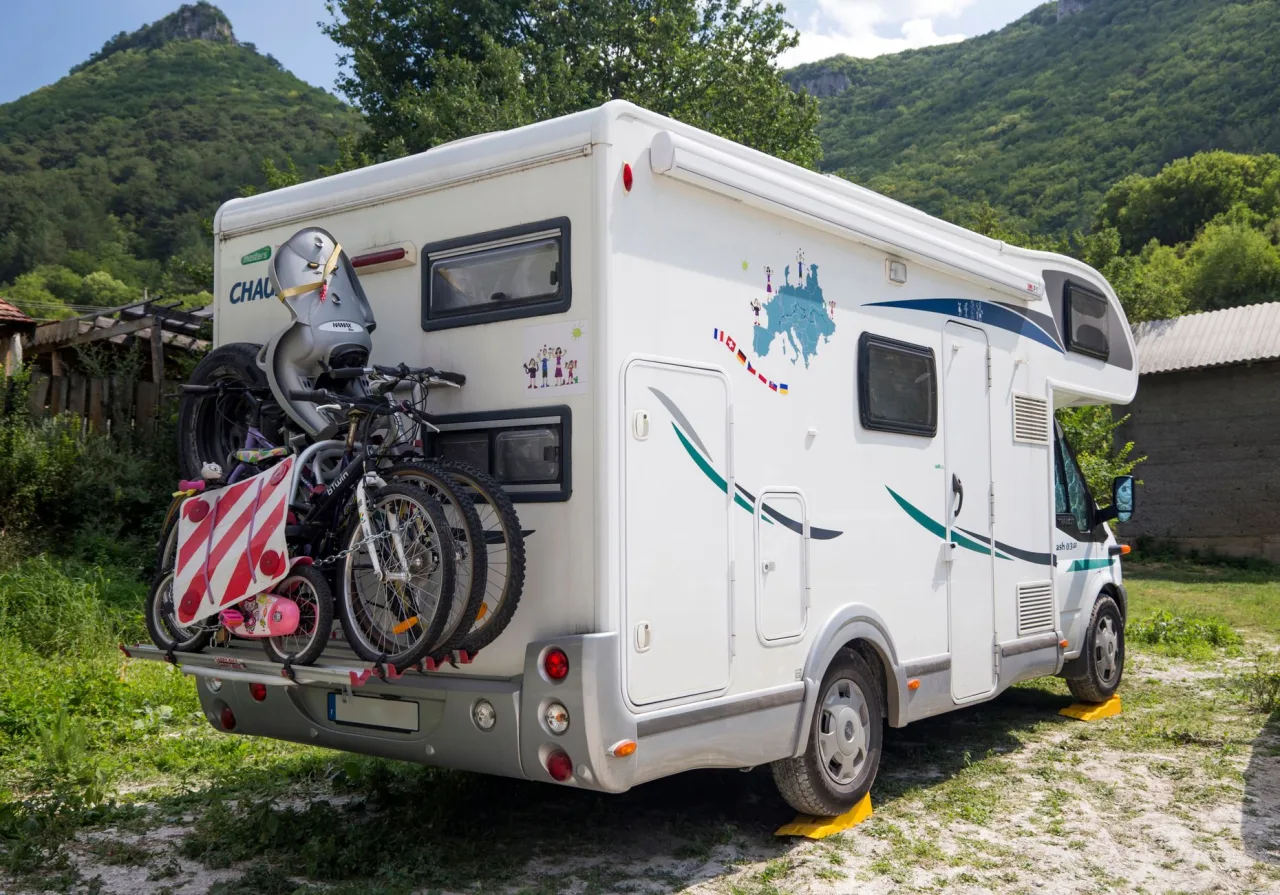
A motorhome gives you the freedom to sleep wherever you park, but only if you park somewhere you are actually allowed to stay. "Motorhome parking" covers everything from a daytime car park to a fully serviced overnight aire, and mixing them up is how tourers end up with a knock on the door at 2am. This guide untangles the options so you always know where you can legally stop.
The short version
- There is a difference between parking (leaving the vehicle) and staying overnight (sleeping in it). Many places allow one and not the other.
- Your main overnight options are campsites, dedicated motorhome stopovers or aires, pub and farm stopovers, and, where permitted, informal wild camping.
- Height, length, and weight limits quietly exclude motorhomes from many ordinary car parks, so check the barrier and signage first.
- Rules are intensely local. Always read the on site signs, which override any general advice, and never assume a spot is fine just because it is empty.
Parking versus staying overnight
The single most useful distinction in this whole topic is between parking and stopping over. Parking means leaving your vehicle somewhere during the day, the same as any large vehicle. Staying overnight means sleeping in it, which many locations treat completely differently even when daytime parking is fine.
A motorhome is a self propelled recreational vehicle, essentially a home on wheels, and it comes in several classes: the large integrated Class A, the compact semi integrated Class B, and the coach built Class C with a berth over the cab. The bigger and taller your class, the more parking restrictions you will run into, so knowing your dimensions is the foundation of parking well.
Where you can legally stay overnight
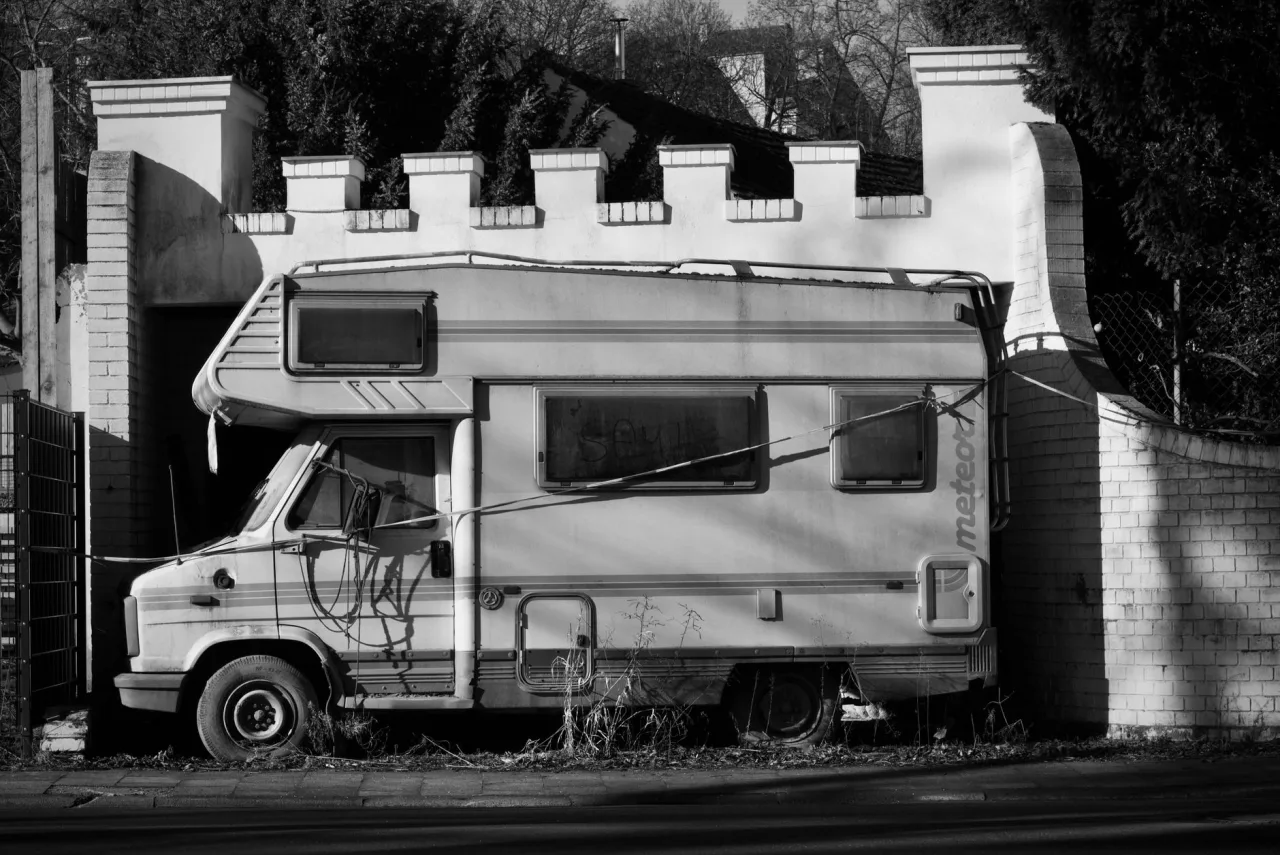
Overnight options fall into a few clear categories, each with its own trade offs.
- Campsites and holiday parks. The reliable default: a marked pitch, facilities, and often hookups. Best when you want to settle for a night or more. See our guide to motorhome campsites near you for how to compare them.
- Motorhome stopovers and aires. Dedicated overnight areas, common across parts of Europe, often with basic services like water and waste disposal for a small fee or free. Ideal for one night stops on a touring route.
- Pub, farm, and vineyard stopovers. Schemes where a host offers a night's parking, sometimes free with the expectation you buy a meal or produce.
- Wild or informal camping. Staying on public land or a quiet spot where it is permitted. Legality varies enormously by country and region, so this is the option that most requires local knowledge.
For touring specific stopovers and services, apps and directories such as Park4Night map user submitted spots, though you should always verify current rules on the ground.
Tip: the signage always wins
No online listing, app pin, or blog (including this one) overrides a physical sign at the location. Height barriers, "no overnight parking" notices, and residents only bays are legally binding whatever an app says. Make a habit of walking the entrance and reading every sign before you settle in.
The limits that catch motorhomes out
Ordinary parking is often designed for cars, and motorhomes hit constraints that car drivers never notice:
- Height barriers. Many car parks fit barriers around 2 metres, which excludes most motorhomes outright. Always check the posted clearance.
- Length and bay size. A single bay rarely fits a coach built van, and overhanging the markings can earn a ticket.
- Weight limits. Some roads, bridges, and car parks restrict vehicles over a certain weight.
- Overnight bans. Plenty of car parks permit daytime parking but ban sleeping in vehicles.
Keep a note of your motorhome's exact height, length, and weight somewhere you can see it from the driver's seat. It turns a stressful barrier decision into a two second check.
Using clubs and stopover networks
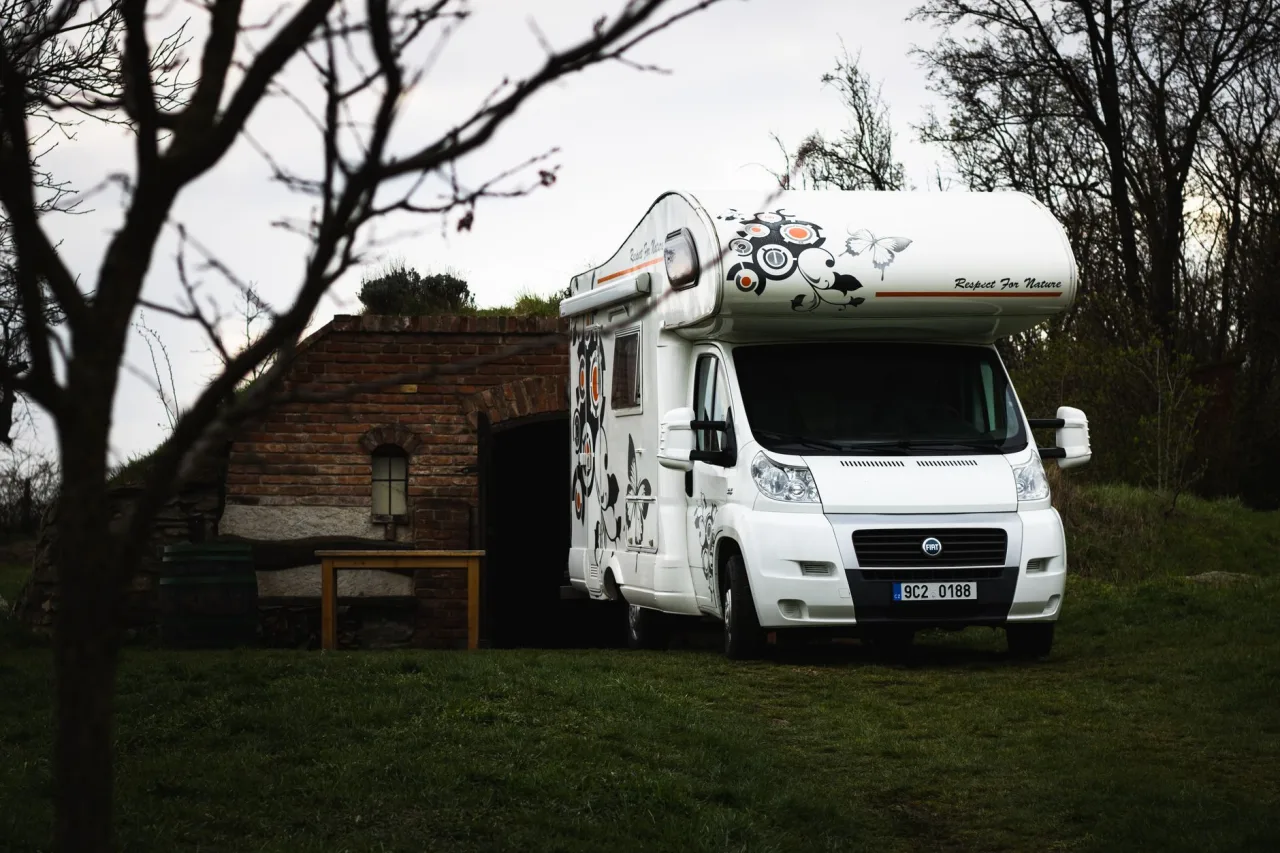
If you tour often, membership networks make finding a legal overnight spot far easier. In the UK, for example, the Caravan and Motorhome Club represents close to a million members and runs around 200 main sites plus more than 2,200 smaller certificated locations, the well known five van stopovers on farms and in gardens. These give you a guaranteed, rule clear place to stay rather than gambling on a car park.
Club and stopover memberships take the guesswork out of "am I allowed to sleep here." Our guide to the caravan and camping clubs explains how the different UK memberships compare, and the broader caravanning guide covers touring etiquette that applies to motorhomes too.
What overnight parking typically costs
Costs range from free to the price of a full campsite pitch, depending on what you use. Dedicated aires and stopovers are often free or charge only a small nightly fee, sometimes with an extra charge for services like water and electric. Pub and farm stopover schemes may be free with a purchase, or carry a modest membership fee for the network. Full campsites cost the most but include facilities.
Because charges and availability change by season and location, treat any figure as a range and confirm on arrival or when booking. Budgeting for a mix of free stopovers and occasional paid campsite nights is a realistic approach for a longer tour.
Overnight etiquette and staying welcome
Informal stopovers survive on good behaviour. Whether you are at a pub, a farm, or a tolerated wild spot, a few habits keep these options open for everyone:
- Arrive late, leave early. Treat it as an overnight stop, not a holiday base.
- Stay self contained. Use your onboard facilities and carry your waste to a proper disposal point.
- Keep no footprint. No awnings, chairs, or barbecues sprawling out unless you are explicitly welcome to.
- Be quiet and tidy. Leave the spot cleaner than you found it and keep noise down.
- Ask if unsure. A polite question to a landowner or business often turns a maybe into a yes.
Warning: an empty spot is not permission
The fact that a lay by, car park, or beachfront is deserted does not mean overnight stays are allowed there. Enforcement is often patchy rather than absent, and rules on wild camping in a motorhome differ sharply between countries and even between neighbouring districts. When in doubt, choose a stopover or campsite where your right to stay is clear.
Planning a route around legal stops
The tidiest way to avoid parking stress is to plan overnights in advance rather than hoping something appears at dusk. Rough out where you want to be each night, identify a legal stop within reach, and keep a backup option a short drive further on. Booking ahead at campsites for busy periods, and knowing which aires or stopovers lie on your route, removes the late day scramble entirely.
If your travels take you to popular destinations where demand is high, our directory of motorhome parks near you and our wider guide to places to RV camp near you help you line up dependable stops before you set off.
Frequently asked questions
Can I park my motorhome overnight anywhere?
No. Daytime parking and overnight staying are treated differently in many places, and rules are highly local. Your safest overnight options are campsites, dedicated aires and stopovers, and pub or farm schemes. Always read the on site signage, which overrides any general guidance.
What is a motorhome aire or stopover?
An aire is a dedicated area for motorhomes to stop overnight, common across parts of Europe, often with basic services such as fresh water and waste disposal for a small fee or free of charge. Stopovers are similar and include host schemes at pubs, farms, and vineyards.
Why can't I use ordinary car parks?
Many car parks have height barriers around 2 metres, bays too short for a coach built van, weight limits, or explicit bans on sleeping in vehicles. Always check the posted clearance and signage, and keep a note of your motorhome's height, length, and weight to judge quickly.
Is wild camping in a motorhome legal?
It depends entirely on the country and region. Some areas tolerate or permit informal overnight stays, while others prohibit them. An empty spot is not proof it is allowed. Check local rules for the specific area, and when unsure choose a campsite or aire where your right to stay is clear.
How much does overnight motorhome parking cost?
It ranges from free to the price of a full campsite pitch. Aires and stopovers are often free or charge a small nightly fee, sometimes with extra for services. Pub and farm stopovers may be free with a purchase. Full campsites cost more but include facilities. Confirm current prices when you book or arrive.
Do I need to join a club to find legal stopovers?
No, but it helps. Membership networks such as touring clubs give you access to guaranteed, rule clear sites and small certificated stopovers, which removes the guesswork of whether overnight staying is allowed. Independent aires, apps, and pub schemes are available to non members too.
More guides on RV Parks & Resorts
Have a question or a topic to suggest?
We read every message. Tell us what you would like to see next on the blog.
Get in touchYou may also like
Caravan and Camping Club
If you have searched for the "caravan and camping club," you have probably noticed something confusing: there is more than one. In the UK, two large, long established membership organisations dominate touring
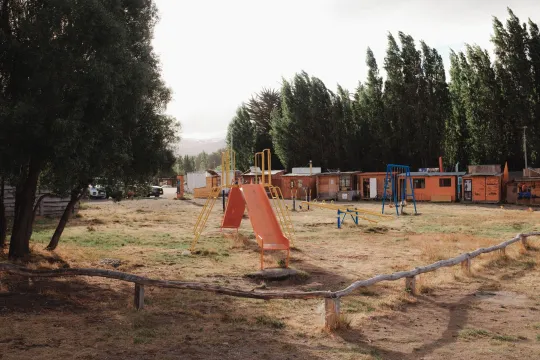
Places to RV Camp Near Me: Find and Compare
Typing "places to RV camp near me" into a search box is easy. Sorting the results into a shortlist you would actually trust with your rig is the hard part.
Oasis Las Vegas RV Resort
The Oasis Las Vegas RV Resort is one of the best known names in Nevada RV travel, sitting just off the south end of the Las Vegas Strip. This complete guide explains what the resort actually