RV Parks
RV Parks Near Me: Find the Best
How to find, compare and book a good RV park close to home or on the road, without the fake leaderboards.
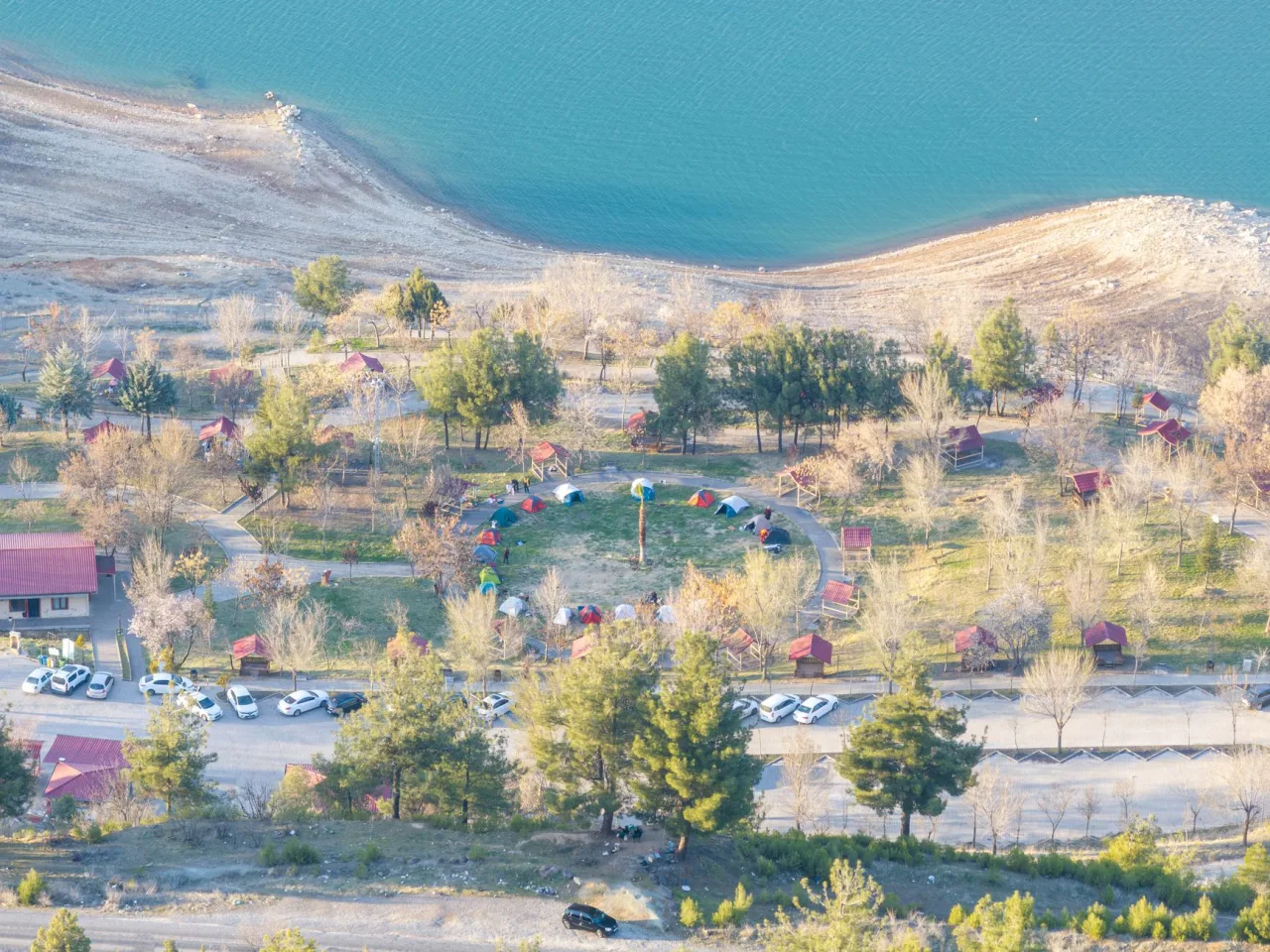
Searching "RV parks near me" usually means one of two things: you want a base close to home for a quick weekend, or you are mid road trip and need somewhere to plug in tonight. This guide skips the fake leaderboards and shows you how to actually find, compare and book a good RV park near you, whichever situation you are in.
The short version
- Use a map search with a radius filter, then sort by the hookups you need (30/50 amp, full sewer, water).
- Expect roughly 35 to 90 US dollars a night for a standard site, more at resort-style parks, and always confirm current rates when you book.
- Read the most recent reviews first, since ownership, road noise and maintenance change over time.
- Book ahead for weekends and holidays, but keep a boondocking or overnight-parking backup for busy dates.
What "RV parks near me" really returns
When you type that phrase into a search engine or a booking app, you are asking software to rank places by distance, not by quality. That is a useful starting point but a poor finishing point. The closest park is not automatically the best fit for your rig, your budget or the kind of trip you have in mind. Treat the first screen of results as a shortlist to investigate, not a verdict.
An RV park is, in the simplest terms, a place where people with recreational vehicles can stay overnight or longer in allotted spaces, usually with utilities such as power, water and sewer connections and shared facilities like showers and laundry. That definition covers a huge range, from a gravel lot behind a gas station to a landscaped property with a pool. Your local search will mix all of them together, so the real work is telling them apart.
If you are still deciding whether a commercial park is even the right call, our broader look at RV camping and the general RV park guide are good companions to this one.
Filter by the connections your rig needs

Before you compare anything else, filter for what your RV physically requires. A beautiful park is useless if it cannot power your air conditioning or fit your length. Work through this checklist as you narrow the list:
- Electric amperage: smaller rigs often run fine on 30 amp, while larger motorhomes with two air conditioners usually want 50 amp.
- Hookup level: full hookup means power, water and sewer at the site; partial usually means power and water with a shared dump station.
- Site length and type: check the maximum rig length and whether the site is back-in or pull-through, which matters a lot for big trailers.
- Slide-out and leveling room: confirm there is space for your slides and that the pad is reasonably level.
Getting these basics right removes most of the parks that would waste your time. Only once a park clears the physical requirements is it worth judging on amenities and atmosphere.
Compare on the things that actually matter
Two parks the same distance away can be wildly different. When you have a handful of candidates, score them against a consistent set of criteria so you are comparing like with like:
- Recent reviews: sort by newest and look for repeated complaints about power reliability, cleanliness or noise.
- Location trade-offs: a park right off the interstate is convenient but often loud; a quieter park may add fifteen minutes of driving.
- Amenities you will use: pool, laundry, dog run and reliable wifi matter only if they fit your trip. Do not pay a premium for extras you will ignore.
- Cancellation policy: flexible terms are worth a lot when weather or plans change.
Tip: Read the one and two star reviews before the five star ones. Happy guests tend to write short praise, while frustrated guests explain exactly what went wrong, which is the detail you need.
What a night typically costs
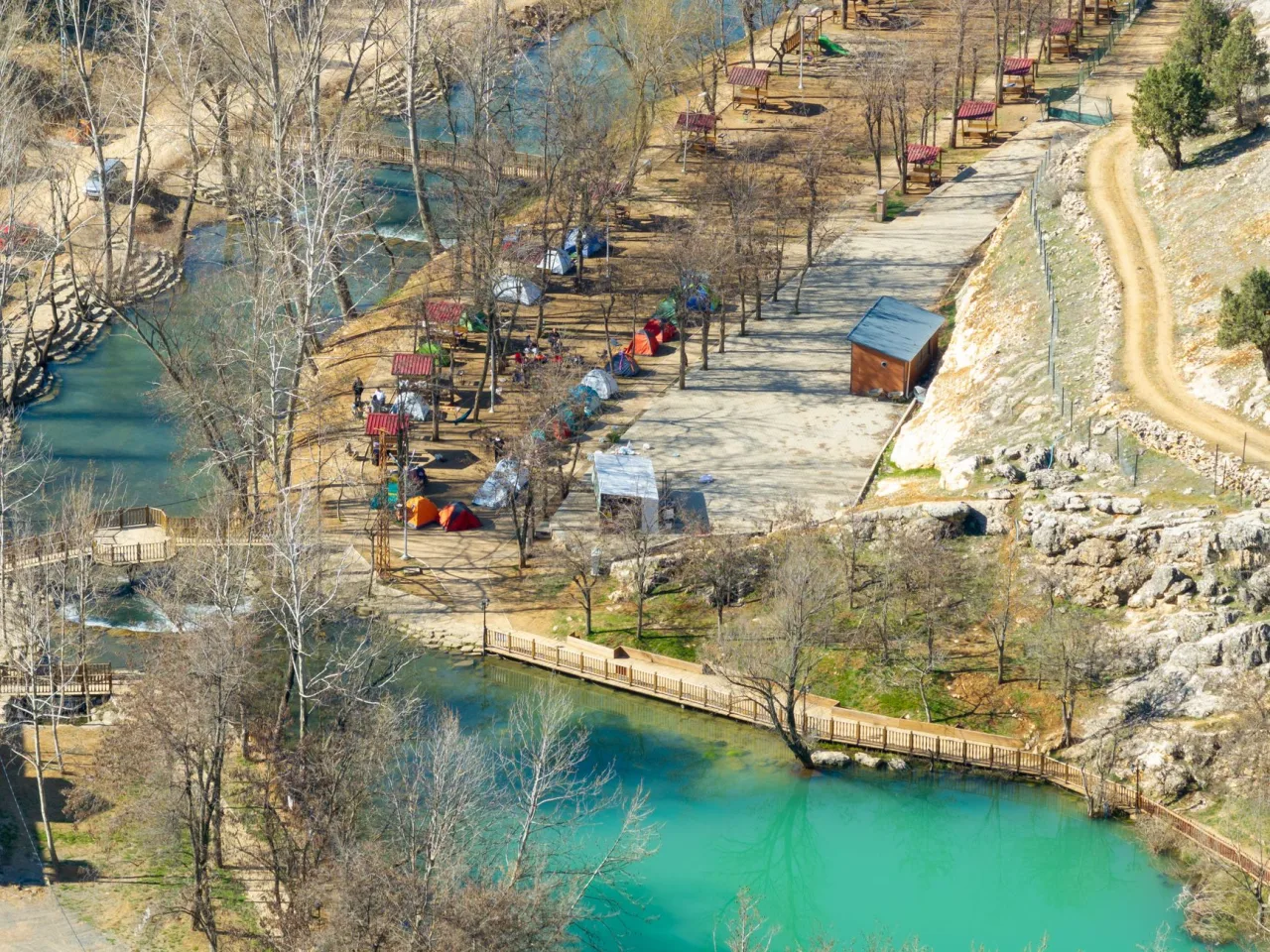
Prices vary widely by region, season and hookup level, so treat any figure as a ballpark to confirm at booking. As a rough guide in the United States, a standard full-hookup site often runs somewhere around 35 to 90 dollars a night, with basic or partial-hookup sites at the lower end and premium or resort-style parks higher. Popular destinations in peak season, and anywhere near a national park, push toward and past the top of that range.
Longer stays usually cost less per night. Many parks offer weekly rates and monthly rates that can bring the effective nightly price down considerably, though monthly guests may pay separately for metered electricity. If you are weighing a plusher property, our guide to RV resorts explains what the higher price tags buy. Whatever the sticker rate, ask what is included, since resort fees, extra-vehicle charges and pet fees can change the real total.
The best tools for searching near you
You do not have to rely on a single app. Each tool has blind spots, so cross-checking two or three gives a fuller picture of what is genuinely near you.
- Dedicated RV and campground apps: good for filtering by hookups, rig length and amenities, and for user reviews.
- Public-land reservation systems: for federally managed campgrounds in the United States you can search and book through Recreation.gov, which covers thousands of facilities and individual sites.
- Park service pages: the National Park Service camping pages explain which parks allow RVs and what the size limits and hookup situation are.
- Plain map search: sometimes the fastest way to spot a small, well-run local park that is not heavily marketed.
For state and national park campgrounds specifically, the National Park Service camping resource is worth checking early, because those sites book out far in advance and often have strict length limits.
Booking without getting caught out
Once you have chosen a park, a few habits protect you from unpleasant surprises. Confirm the reservation details in writing, including site number if assigned, arrival and departure dates, and the total price with all fees. Double-check the maximum rig length against your actual length with the tow vehicle or towed car attached, not just the coach measurement.
Ask about arrival cutoffs and after-hours check-in, since some parks lock the office early. If you are arriving late, a park with a self check-in board or a clearly marked overflow area is far less stressful. Screenshot the confirmation and the park phone number so you can reach someone if your plans slip.
Warning: Be sceptical of listings with no recent reviews, no clear address and prices that look too good. Verify the park exists and is currently operating before sending a deposit, and prefer platforms that hold payment until you arrive.
When no park nearby fits
Sometimes every park near you is full, closed for the season or simply wrong for your rig. Having a fallback keeps the trip alive. Depending on where you are, options include public-land dispersed camping, overnight parking that some businesses permit, or driving on to the next town where availability opens up. Our guide to finding RV spots near me covers these broader alternatives in detail, and the motorhome parks near me guide is useful if your search terms lean that way.
Wherever you end up, camp responsibly. Following established outdoor ethics such as the widely used Leave No Trace principles keeps sites open and welcoming for the next RVer looking for a spot near them.
Frequently asked questions
How much does an RV park near me usually cost per night?
As a rough guide, standard full-hookup sites in the United States often run around 35 to 90 dollars a night, with partial-hookup sites cheaper and resort-style parks more. Rates vary by region, season and demand, and popular areas cost more in peak months, so always confirm the current price and any extra fees when you book.
What is the difference between full hookup and partial hookup?
Full hookup means the site has electric, water and sewer connections at the pad, so you can stay connected without moving. Partial hookup usually means electric and water only, with a shared dump station for waste. If you plan a longer stay, full hookup is far more convenient.
Do I need to book an RV park in advance?
For weekends, holidays and anywhere near a national park, yes, because popular sites fill weeks or months ahead. Midweek and off-season you can often arrive without a reservation, but it is still wise to call ahead and to keep a backup option in mind for busy dates.
How do I know if my RV will fit a given site?
Check the park's maximum rig length and compare it to your total length including a tow vehicle or towed car, not just the coach. Also confirm whether the site is back-in or pull-through and whether there is room for your slide-outs. If in doubt, phone the park and give them your exact measurements.
Are the closest RV parks always the best choice?
Not necessarily. A local search ranks parks by distance, not quality or fit. The nearest park may be noisy, lack the hookups you need or fall short on reviews. Use distance as a starting filter, then compare candidates on hookups, recent reviews, amenities and price before deciding.
More guides on RV Parks & Resorts
Have a question or a topic to suggest?
We read every message. Tell us what you would like to see next on the blog.
Get in touchYou may also like

RV Park: Find and Compare Spots
How to find, compare and choose an RV park that fits your rig and your trip, whether you are stopping for one night or settling in for a season.
RV Spots Near Me: Find the Best
A guide to the full range of RV spots near you: paid parks, public campgrounds, free dispersed land and overnight parking, with tools, costs and the rules that matter.
RV Resorts: The Complete Guide
What RV resorts actually are, how they differ from standard parks, what the amenities and premium cost, and how to tell a genuine resort from a marketing label.