Gear Guide
Best Sleeping Bags 2026: Budget Picks
How to read temperature ratings, choose down or synthetic, and buy the right bag for your budget.
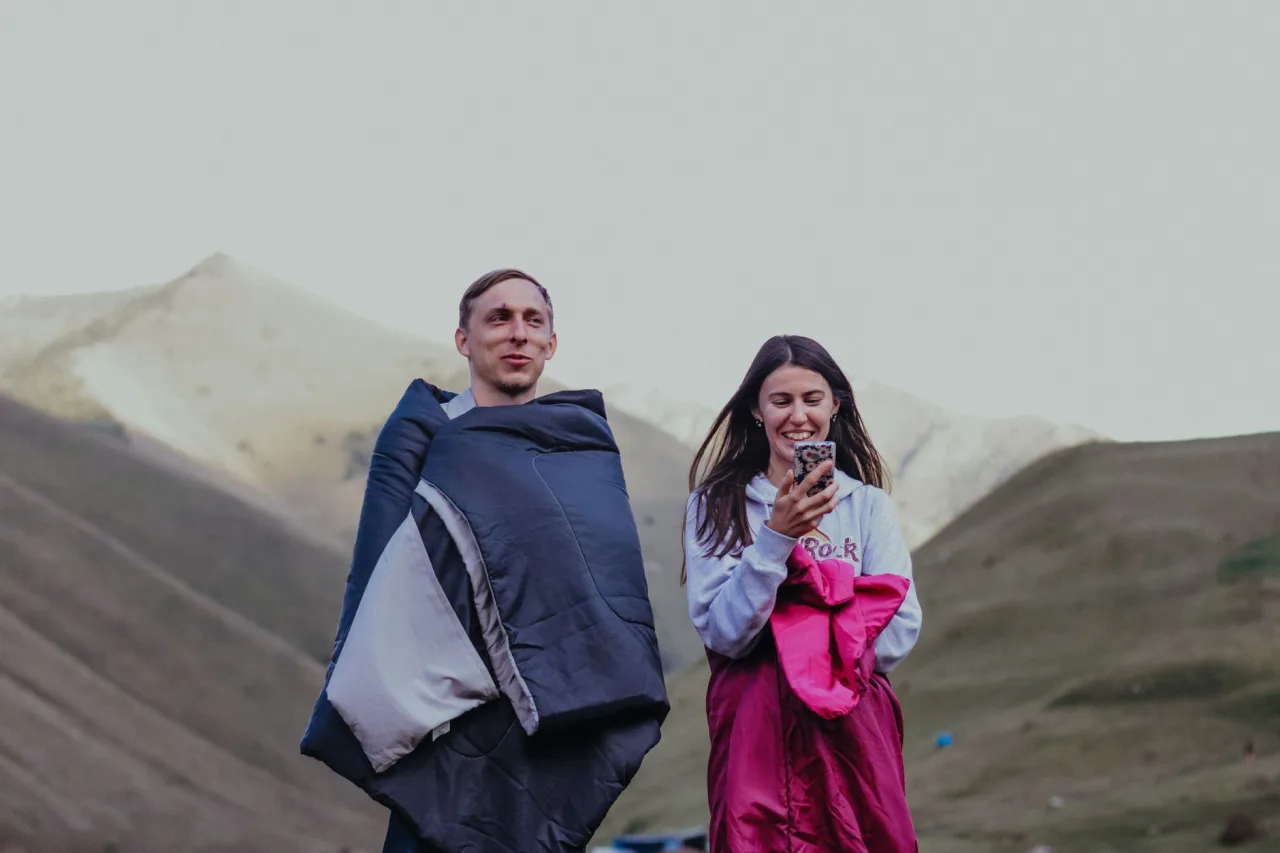
The right sleeping bag is the difference between a restful night and lying awake shivering until dawn. This is not a fake leaderboard of secret "number one" bags. It is an honest buyer's guide that shows you how to read temperature ratings, weigh down against synthetic fill, and match a bag to your budget and the trips you actually take.
The short version
- Buy for the coldest night you realistically expect, then use the comfort rating rather than the survival limit as your guide.
- Down is lighter and packs smaller for the same warmth. Synthetic is cheaper and keeps working when it gets damp.
- Shape matters: mummy bags are warmer and lighter, rectangular bags roomier and better for warm-weather car camping.
- Prices vary widely by season, fill quality and retailer, so treat any figure here as a rough range and confirm the current price when you buy.
How to read a temperature rating before anything else
The single most misunderstood number on a sleeping bag is its temperature rating. Most reputable bags are tested to the ISO 23537 standard, which grew out of the older EN 13537 standard, using a heated mannequin. That test produces several figures, and knowing which one to trust saves you from a cold, miserable trip.
- Comfort rating: the temperature at which a person who sleeps cold can rest comfortably. For most buyers, this is the number to shop by.
- Lower limit: the temperature at which a warm sleeper can get through the night curled up. Useful, but not a promise of comfort.
- Extreme rating: a survival figure only. A bag at its extreme rating keeps you alive, not rested. Never plan a trip around it.
A "0 degree bag" means you should be able to sleep at that temperature, though not necessarily in comfort. Build in a margin: if you expect nights around 5 degrees Celsius, a bag with a comfort rating near 0 gives you honest headroom. You can always vent a warm bag by opening the zip, but you cannot add warmth a bag does not have.
Tip: A sleeping bag only insulates the loft above you. The compressed layer beneath your body does almost nothing, which is why a good sleeping pad matters as much as the bag. Pair any bag with an insulated pad in cold weather.
Down versus synthetic fill
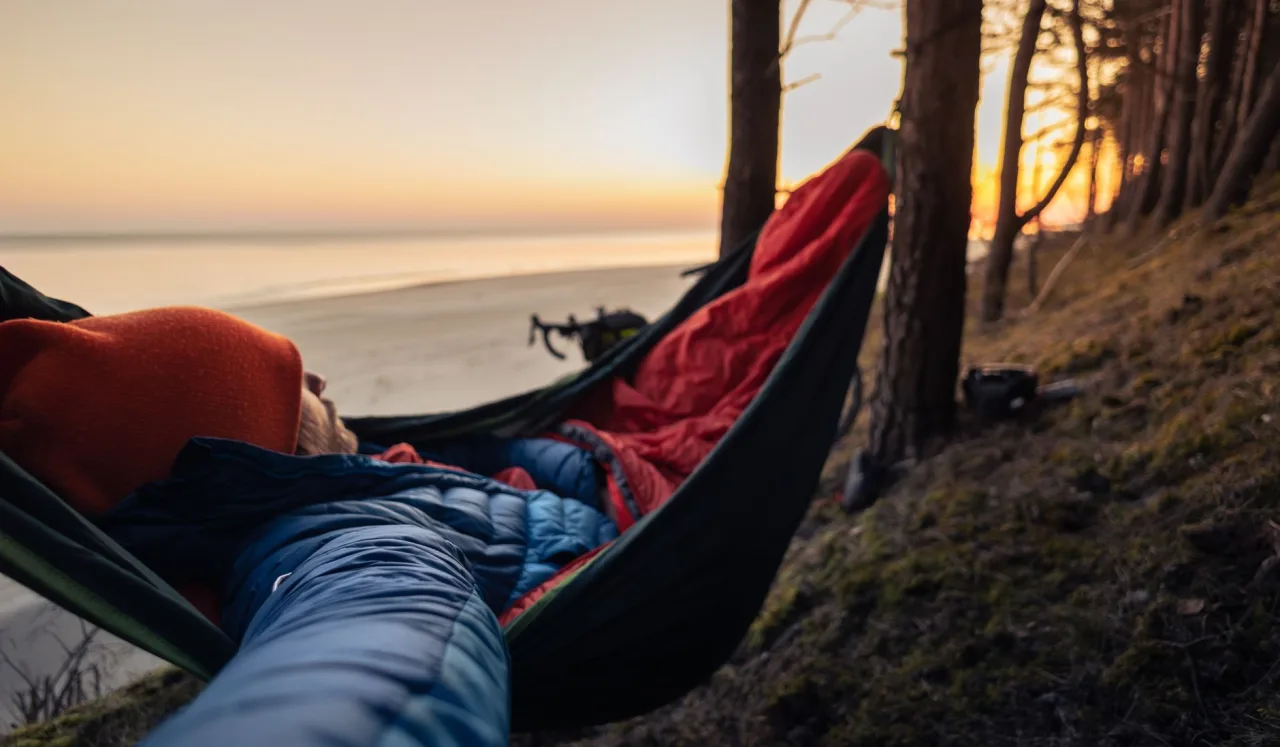
The insulation inside the bag drives its weight, packed size, price and wet-weather behaviour. There is no universally best choice, only the right trade-off for your trips.
Down is the soft under-layer of feathers from ducks or geese. It offers the best warmth for its weight, packs down small, and retains its loft far longer than synthetic when cared for. Its quality is measured as fill power, the cubic inches one ounce of down fills. Typical outdoor down runs from around 500 to 900 fill power, with higher numbers meaning more warmth for less weight. The catch is that down loses much of its insulating power when wet and dries slowly, and it costs more.
Synthetic fill is made from polyester fibres designed to mimic down's loft. It is heavier and bulkier for the same warmth, but it is cheaper, keeps some warmth even when soaked, and dries quickly. For damp climates, canoe trips or a first bag on a tight budget, synthetic is often the smarter pick.
If you are still assembling your kit, our camping tent buyer's guide and camping stove guide use the same honest, criteria-first approach, and the broader complete guide to camping shows how the whole setup fits together.
Shape, size and fit
Insulation only works if the bag traps a still layer of warm air close to your body, so shape is a genuine warmth feature, not just comfort.
- Mummy bags taper from shoulder to foot and include an insulated hood. The reduced volume and surface area means less air to heat and less heat lost, making them the warmest and lightest option for backpacking and cold weather.
- Rectangular bags are roomy and blanket-like, often unzipping fully. They are less thermally efficient but far more comfortable for restless sleepers and warm-weather car camping.
- Semi-rectangular or "barrel" bags split the difference, offering some taper with more room to move.
Match the bag length to your height, since a bag that is too long leaves cold empty space at your feet. Many brands sell women's specific bags with extra insulation at the feet and hips and a shorter cut, which genuinely helps colder sleepers regardless of gender.
Picking by budget: what your money buys

Rather than name specific models, which change every season and vary by region, here is what each price tier honestly tends to get you. Treat these as broad ranges that shift with sales, currency and fill quality, and always confirm the price at checkout.
- Entry level: synthetic, rectangular or barrel shape, rated for mild three-season use. Perfect for occasional summer campsites and festivals. Heavier and bulkier, but dependable and forgiving of damp.
- Mid range: better synthetic or entry-level down, a mummy or semi-rectangular cut, and a genuine three-season comfort rating. This is the sweet spot for most campers who go out several times a year.
- Premium: high fill-power down, a well-shaped hood and draft collar, and a low packed weight. Worth it for backpackers counting grams or anyone camping in genuine cold, less so for the occasional summer weekend.
Warning: Be wary of bargain bags that advertise a headline temperature with no ISO or EN test behind it. An untested "minus 10" rating is a marketing number, not a tested one. Look for the standard on the label, and read independent reviews rather than the box.
Features that actually matter
Beyond fill and shape, a handful of details separate a good bag from a frustrating one:
- Hood and draft collar: a huge amount of heat escapes around the neck and head. A hood you can cinch and an insulated collar make a bag noticeably warmer.
- Zip baffle: an insulated tube behind the zip stops cold air leaking through the teeth. Also check for anti-snag guards, the most common daily annoyance.
- Packed size and weight: matters most if you carry the bag rather than drive it to the pitch. A compression sack helps, though squashing down for long periods harms its loft.
- Zip compatibility: two bags with opposite-handed zips can join into a double, handy for couples.
For a car-camping or glamping trip, prioritise comfort and roominess over weight. For anything you carry on your back, weight and packed size move up the list.
Care that makes a bag last for years
A good bag rewards a little care and can last a decade or more. Store it loosely in a large cotton or mesh sack rather than crammed in its stuff sack, because long-term compression permanently flattens the loft that keeps you warm. Air it out after each trip, spot clean when you can, and wash it only when needed using a technical wash made for down or synthetic. Down especially needs thorough, gentle drying, often with clean tennis balls in the dryer to break up clumps and restore loft. Use a liner to keep the inside clean and add a few degrees of warmth cheaply.
Frequently asked questions
What temperature rating do I actually need?
Shop by the comfort rating, not the extreme or survival figure. Choose a bag whose comfort rating is a little below the coldest night you realistically expect, so you have a margin. You can always vent a warm bag by opening the zip, but you cannot add warmth a bag was not built to provide.
Is down or synthetic better?
Down is lighter, packs smaller and lasts longer for the same warmth, which suits backpackers and cold, dry trips, but it costs more and struggles when wet. Synthetic is cheaper, dries fast and keeps some warmth when damp, which suits wet climates and tight budgets. Neither is wrong, so choose based on your conditions.
How much should I spend on a sleeping bag?
Prices vary widely by season, fill and retailer. An entry-level synthetic bag covers occasional summer camping, a mid-range bag suits most three-season campers, and a premium down bag is worth it mainly for backpackers or genuine cold. Buy for your real trips rather than the coldest one you can imagine, and confirm current prices when you order.
Why do I still feel cold in a bag rated for the temperature?
Usually because the insulation under your body is compressed and does little, so you lose heat to the ground. Pair the bag with an insulated sleeping pad, wear dry base layers, eat before bed and use a hood or liner. A rating assumes you are also using a decent pad, not lying straight on cold ground.
How should I store my sleeping bag between trips?
Store it loosely in a large cotton or mesh sack, never crammed in its compression sack for months, because long-term compression permanently reduces loft and warmth. Keep it clean and dry, air it after trips, and wash it only occasionally with a technical wash suited to down or synthetic fill.
Sources and further reading:
- Sleeping bag on Wikipedia for temperature-rating standards, bag shapes and fill types.
- Down feather on Wikipedia for how fill power is measured and how down compares with synthetic insulation.
More guides on Tents & Camping Gear
Have a question or a topic to suggest?
We read every message. Tell us what you would like to see next on the blog.
Get in touchYou may also like
Best Camping Tent 2026: Family Picks
Roomy family and car camping tents built for comfort over several nights. How to choose one by space, weather protection and budget in 2026.
Best Camping Stoves 2026: Budget Picks
A good camping stove turns a cold pitch into a place to cook and warm up. This honest buyer's guide compares gas, liquid fuel and wood stoves, and shows what each budget tier really gets you.
Best Tent 2026: How to Choose by Budget
There is no single best tent, only the best one for how you camp. An honest framework for choosing by weather rating, size and budget in 2026.