Caravan Parks & Touring
Touring Caravans for Sale: Real Prices
"Touring caravans for sale" returns endless listings and very little guidance on which one is right for you or your car.
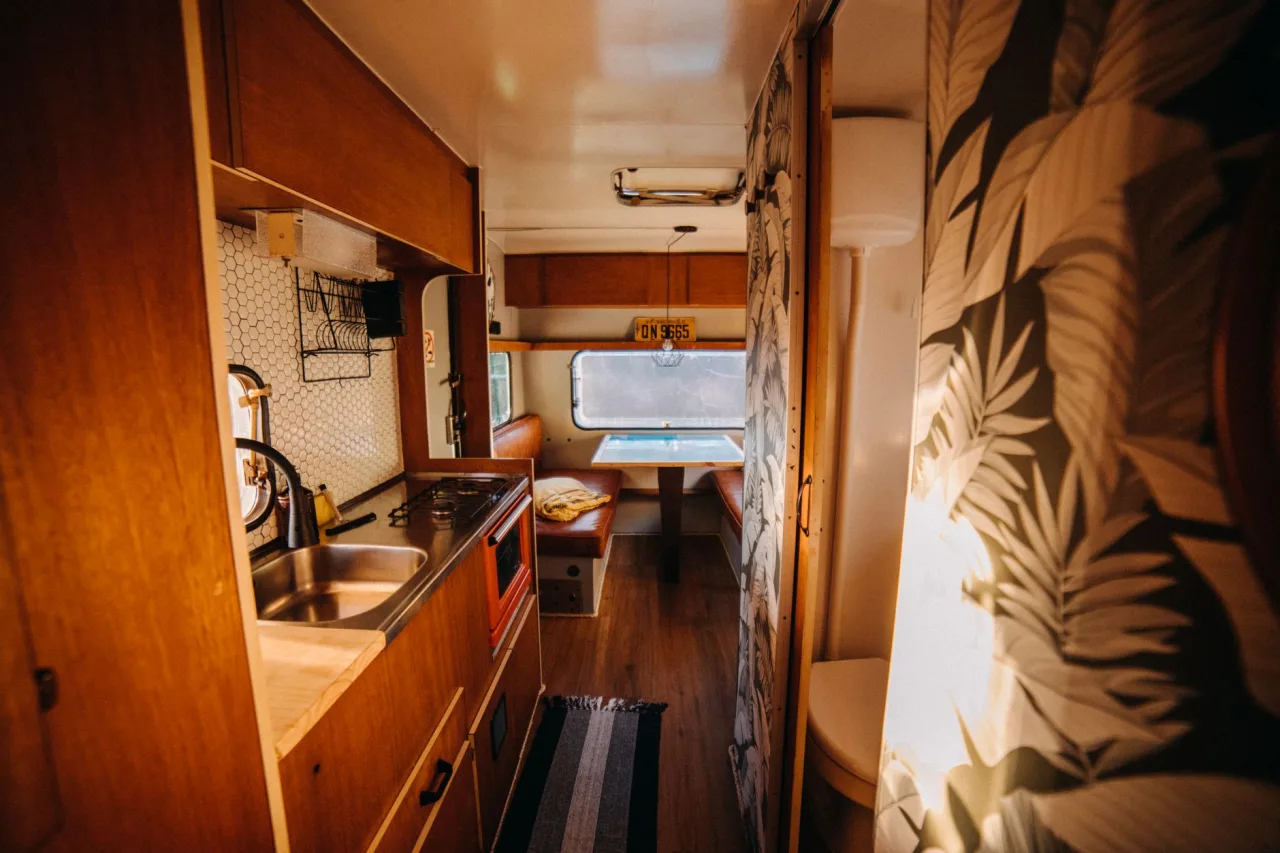
"Touring caravans for sale" returns endless listings and very little guidance on which one is right for you or your car. This guide focuses on the touring caravan specifically: how to match a tourer to your tow vehicle, choose a layout you will actually live with, and buy a dry, sound van at a fair price. It gives honest price ranges and a buying checklist, not a fake list of "best" models.
The short version
- A touring caravan is a towable tourer, not a static holiday-home. The right one depends first on what your car and licence can legally and safely tow.
- Layout and berth count decide daily comfort far more than the badge on the front. Buy for how you really travel.
- Price ranges are broad: budget roughly £3,000 to £8,000 for older used tourers, £8,000 to £20,000 for newer used, and £15,000 to £35,000+ for new, always confirmed at the point of sale.
- Damp is the number one killer of used tourers. A damp meter reading and service history beat a shiny finish every time.
What a touring caravan is and is not
A touring caravan is a trailer towed behind a car to give you a mobile base with beds, a kitchen and shelter that you can take from site to site. According to Wikipedia's overview of towed caravans, tourers range from small two-berth models with basic facilities up to large twin-axle six-berth family layouts. Crucially, a touring caravan is designed to be hitched and moved, unlike a static caravan, which is transported once and anchored on a permanent pitch.
That mobility is the whole point, and it shapes every buying decision. Because you tow it, weight and dimensions matter as much as the interior. A gorgeous six-berth is useless if your car cannot legally or safely pull it. So the touring caravan search really starts with your vehicle, not with the van.
Start with what your car can tow

Before you fall for any specific tourer, work out your towing limits. Your car has a maximum towing capacity, and your driving licence category sets the heaviest combination you may legally drive. As the official GOV.UK guidance on towing with a car explains, what you can tow depends partly on when you passed your test, so check both the car and your licence.
A common safe-towing guideline is to keep the loaded caravan weight well within your car's kerb weight, especially if you are new to towing. Getting this right narrows the field usefully: it rules out vans that are too heavy and points you toward lightweight tourers your outfit can handle comfortably. It is far better to discover this now than on a windy motorway.
Choose the layout before the brand
Once you know your weight budget, the next big decision is layout. This is what you live with every day on site, and it matters more than any badge. Think about how you will really use the van:
- Berth count: two-berth for couples, four-berth for small families, six-berth for larger groups. More berths means more length and weight.
- Fixed bed versus made-up bed: a fixed bed saves nightly setup but eats floor space, a dinette bed frees space but needs making up each night.
- Washroom position: an end washroom adds privacy but length, a mid-washroom splits the living space differently.
- Single versus twin axle: twin-axle tows more steadily but is heavier, harder to manoeuvre by hand and to store.
Sit in candidate layouts and mentally play out a wet evening: where does everyone sit, where do wet coats go, how easy is the loo run at night? A layout that works on paper can feel cramped in practice, and the reverse is also true.
Tip: match the van to the trips you actually take
- Weekend couples rarely need a six-berth, and the extra weight limits your car choice.
- If you tour off-season, prioritise heating and insulation over pool-side styling.
- Frequent movers value light weight and easy hitching over a huge floorplan.
- Long static-style stays reward a bigger, better-equipped van you rarely tow.
Realistic touring caravan prices in 2026

Prices move with age, layout, brand tier, condition and demand, so treat the figures below as a broad map to confirm against live listings, not fixed quotes. As a rough guide:
- Older used tourers (roughly 12 to 20+ years): often around £3,000 to £8,000. Great value if dry and cared for, but the highest-risk end.
- Newer used tourers (around 3 to 10 years): commonly £8,000 to £20,000, usually the sweet spot for value.
- Nearly new (one to three years): frequently £15,000 to £25,000, letting someone else take the steepest depreciation.
- Brand new: commonly £15,000 to £35,000 and up for premium twin-axle models, before extras or a motor mover.
Two tourers of the same age can differ by thousands based on layout desirability, accessories such as a mover or awning, and above all whether they are dry. For a deeper look at what drives those numbers and how to judge a fair figure, see our companion guide to caravan prices.
The used-tourer condition checklist
The most important word in used caravan buying is damp. Water ingress rots floors, delaminates walls and destroys resale value, and it often hides from a quick look. Take, or ask the seller to demonstrate, a damp meter reading around windows, corners, the washroom and along the floor edges. A recent clean damp report in a service history is worth more than any amount of polish.
Beyond damp, work calmly through the rest: tyres by age as well as tread, since caravan tyres perish before they wear out, the hitch and brakes, the water heater and pump, gas appliances, upholstery condition and any smell, and whether every window, roof light and locker seals properly. Ask for the CRiS registration and check it, and be wary of a van rushed to market with no paperwork at all.
Where to search and how to compare
Serious buyers look in more than one place. Dealers give you warranty and a paper trail at a higher price, private sales are cheaper but carry no safety net, and part-exchange lots sit between the two. Whichever route you take, compare like with like: the same age band, a similar layout and comparable condition, rather than chasing the lowest headline number.
Build a simple comparison sheet with columns for price, age, berths, layout, damp status, service history and what is included. A van that costs a little more but comes dry, serviced and with an awning can be far better value than a cheaper one that needs a new floor. If you decide a touring van is not for you after all, our general caravans-for-sale guide and overview of static caravans for sale cover the wider market, while the complete guide to caravans puts the whole lifestyle in context.
Warning: walk away from these
- No service history and no CRiS registration to verify.
- Fresh sealant smeared over window frames, a classic sign of hidden damp.
- A seller who refuses to let you take a damp reading.
- A price far below every comparable listing, which usually hides a problem.
Frequently asked questions
What is the difference between a touring caravan and a static caravan?
A touring caravan is designed to be hitched to a car and towed from site to site, so weight and towing legality matter. A static caravan is transported once and anchored on a permanent pitch as a holiday home, and is not towed on the road by the owner. If you want to move around and explore, you want a tourer, not a static.
How do I know if my car can tow a touring caravan?
Check your car's maximum towing capacity in the handbook and confirm your driving licence category allows the combined loaded weight, which can depend on when you passed your test. A common safe-towing guideline is to keep the loaded caravan weight well within your car's kerb weight, especially for newer tow drivers. Sort this before choosing a specific van.
How much should I budget for a touring caravan?
As a broad guide, older used tourers often sell for around £3,000 to £8,000, newer used ones for £8,000 to £20,000, nearly new for £15,000 to £25,000, and new from about £15,000 to £35,000 and up. These ranges shift with season, layout and condition, so always confirm against current listings before setting a firm budget.
What is the biggest risk when buying a used touring caravan?
Damp is the number one risk. Water ingress rots floors and walls, is often invisible in photos, and is expensive to repair. Always get a damp meter reading around windows, corners and the washroom, and treat a clean damp report and service history as more valuable than a shiny finish or a low price.
Which layout should I choose?
Choose the layout for how you actually travel, not the biggest floorplan. Couples rarely need more than a two or four-berth, families should weigh fixed beds against made-up dinette beds, and washroom position affects daily living. Sit in the van and imagine a wet evening in it before you decide, since a layout that looks fine on paper can feel cramped in use.
More guides on Caravan Parks & Touring
Have a question or a topic to suggest?
We read every message. Tell us what you would like to see next on the blog.
Get in touchYou may also like
Caravan Sites Near Me: Find and Compare
Typing "caravan sites near me" into a search box gives you a map full of pins and almost no way to tell a great pitch from a disappointing one.

KOA Near Me: Review, Prices
Search "KOA near me" and you will find one of North America's most familiar camping brands, but familiarity is not the same as being the right pick for your trip.
Caravan Prices: Real Prices and Smart
"How much is a caravan?" has no single answer, and vague listings rarely help. This guide breaks down caravan prices honestly: what a tourer really costs by type, age and condition