Tents & Gear
Best 6 Person Tent (2026 Buyer's Guide)
Real capacity, weather ratings and price bands so you buy the right 6 person tent, not the biggest number on the box.
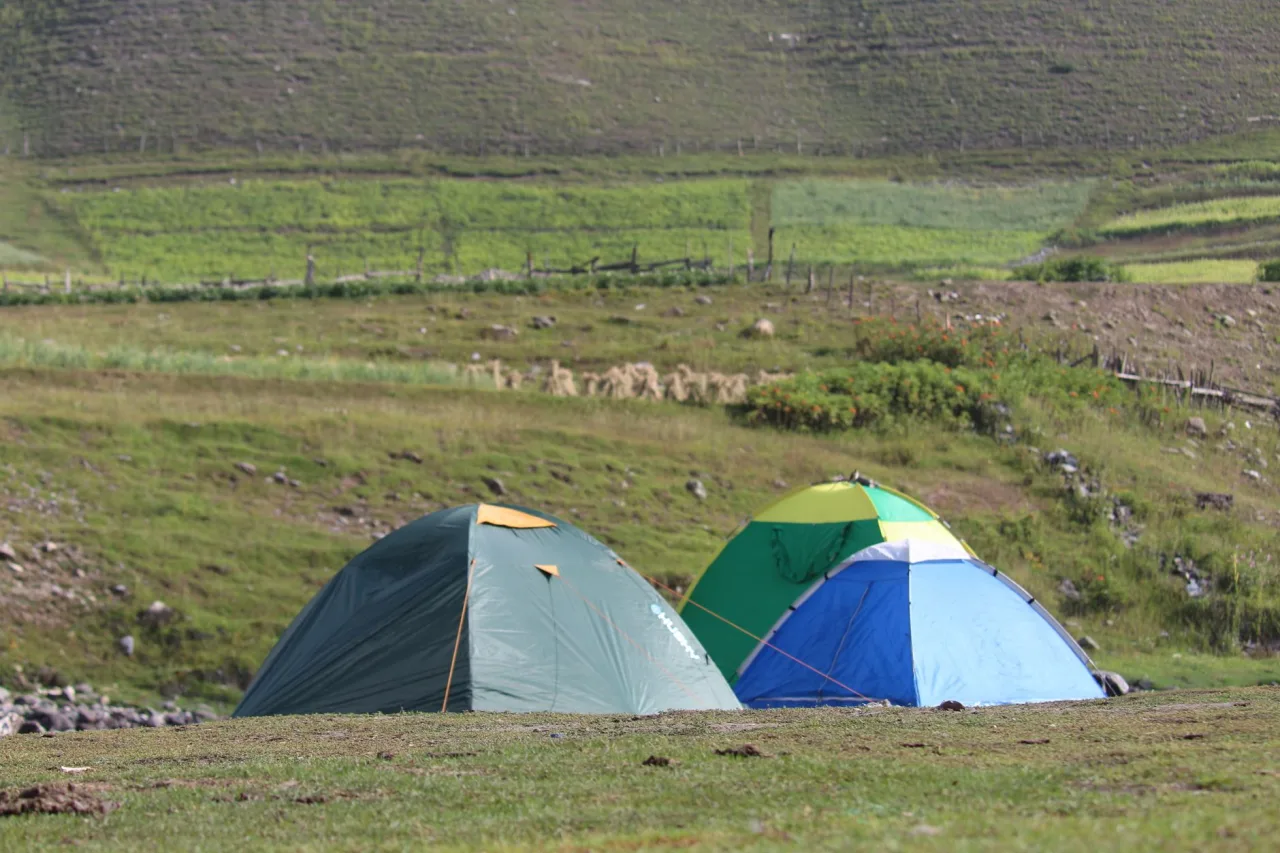
A good 6 person tent is the difference between a relaxed family weekend and a cramped, damp scramble at 2am. This guide is not a fake leaderboard: it is an honest buyer's framework that shows you how to judge capacity, weather protection, livability and value so you can pick the right tent in your budget with confidence.
The short version
- Treat the "6 person" label as a maximum, not a comfort rating. For real elbow room with gear, four to five adults is the honest number.
- Weather protection comes from the fly coverage, a decent hydrostatic head rating and taped seams, not from the sticker on the box.
- Match the shape to your trip: cabin tents win on standing room for car camping, dome tents win on wind stability.
- Set a budget band first, then compare within it. Spending more mostly buys durability, better poles and easier pitching, not extra floor space.
What "6 person" actually means
Tent capacity ratings assume sleepers lie shoulder to shoulder with no space for bags, boots or a stray toddler who migrates in the night. A tent rated for six typically gives each person a sleeping slot roughly the width of a standard sleeping pad, around 50 to 60 centimetres, and nothing more. That is fine for a festival or a one night stop, but it is miserable for a week.
The practical rule most experienced campers use is to rate a tent down by one or two people. A 6 person tent comfortably becomes a spacious home for a family of four, or a genuinely roomy shelter for a couple who like to bring a lot of kit. If you are a household of five or six, you may be happier with an 8 person model. Reading the floor dimensions in centimetres tells you far more than the headline number.
Cabin, dome or tunnel: pick the shape for your trip
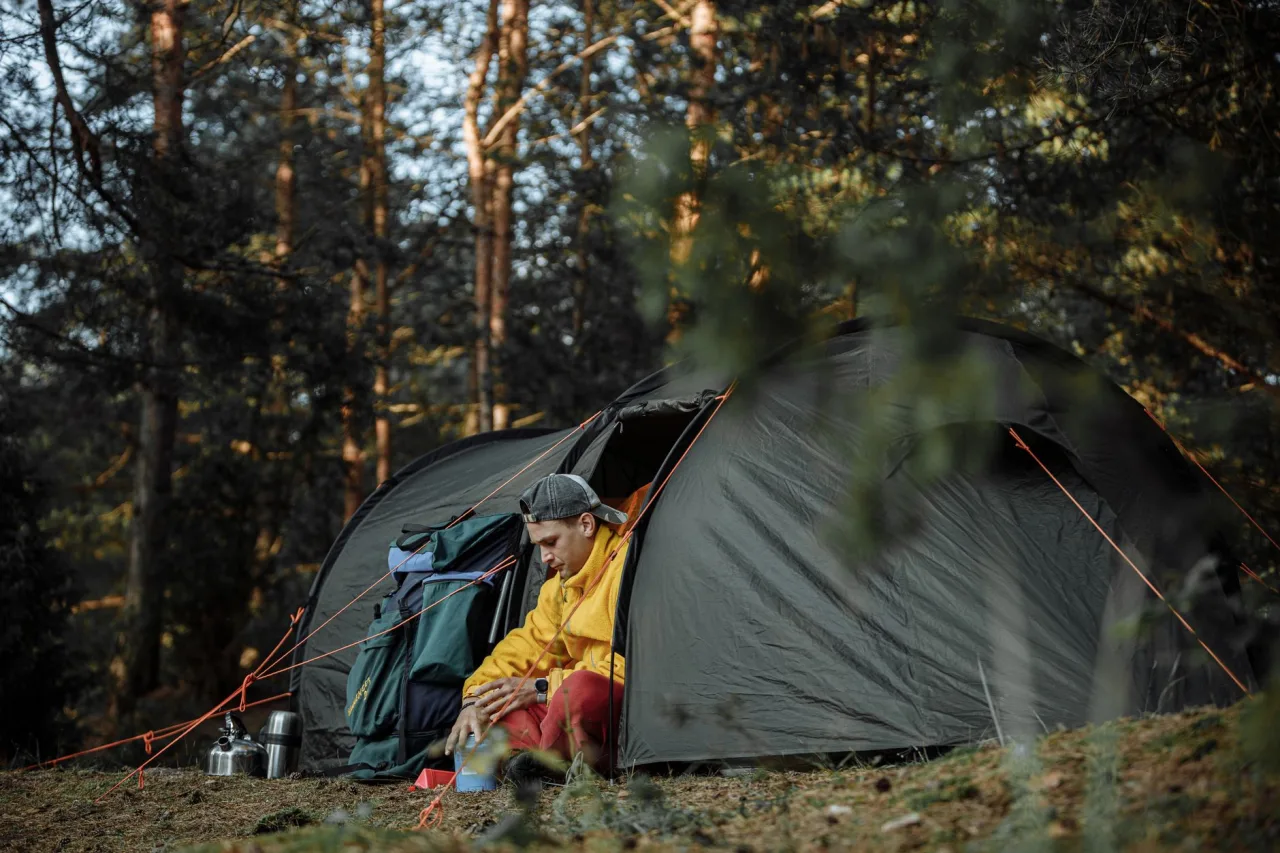
The body shape drives almost everything about how a tent feels to live in and how it copes with weather.
- Cabin tents have near vertical walls and often a full standing height in the middle. They maximise usable space and headroom, which is a joy for car camping, but the tall flat walls catch wind and they are heavier to carry and pitch.
- Dome tents use crossing poles to form a self supporting shape that sheds wind and rain well. Headroom is concentrated in the centre, so the sloping edges eat into usable space, but they are stable and quick to pitch.
- Tunnel tents use parallel hooped poles to create long, roomy interiors with generous porches. They are excellent for families but are usually not free standing, so they need to be pegged out properly to stand up.
If your camping is mostly drive up pitches at established sites in calm conditions, a cabin or tunnel design will feel like a palace. If you camp in exposed spots or shoulder seasons, lean toward a dome or a low profile tunnel. For a broader primer on tent types, see our best camping tent guide.
Weather protection: the numbers that matter
Waterproofing is measured as a hydrostatic head, the height of a column of water in millimetres that the fabric can hold back before it leaks. As a rough guide, 1500mm keeps out light rain, 3000mm and above copes confidently with sustained downpours, and the tent floor should be higher still because it takes the pressure of knees and elbows. According to Wikipedia's overview of tent construction, synthetic fabrics like nylon and polyester are treated with silicone or polyurethane coatings for water resistance, and tents are broadly graded as one, three or four season by how much weather they handle.
Beyond the fabric rating, look for a rainfly that reaches close to the ground, factory taped seams, and a bathtub style floor where the waterproof groundsheet curves up the walls before any stitching. Ventilation matters just as much as waterproofing: mesh panels and adjustable vents reduce the condensation that otherwise soaks the inside of any tent on a cold night.
Field tip
Whatever the box claims, seal test a new tent in the garden with a hose before your first trip. Pitch it, spray it, and look for drips at the seams and zips. It is far better to find a leak at home than on a mountainside.
Livability: doors, height, dividers and porches
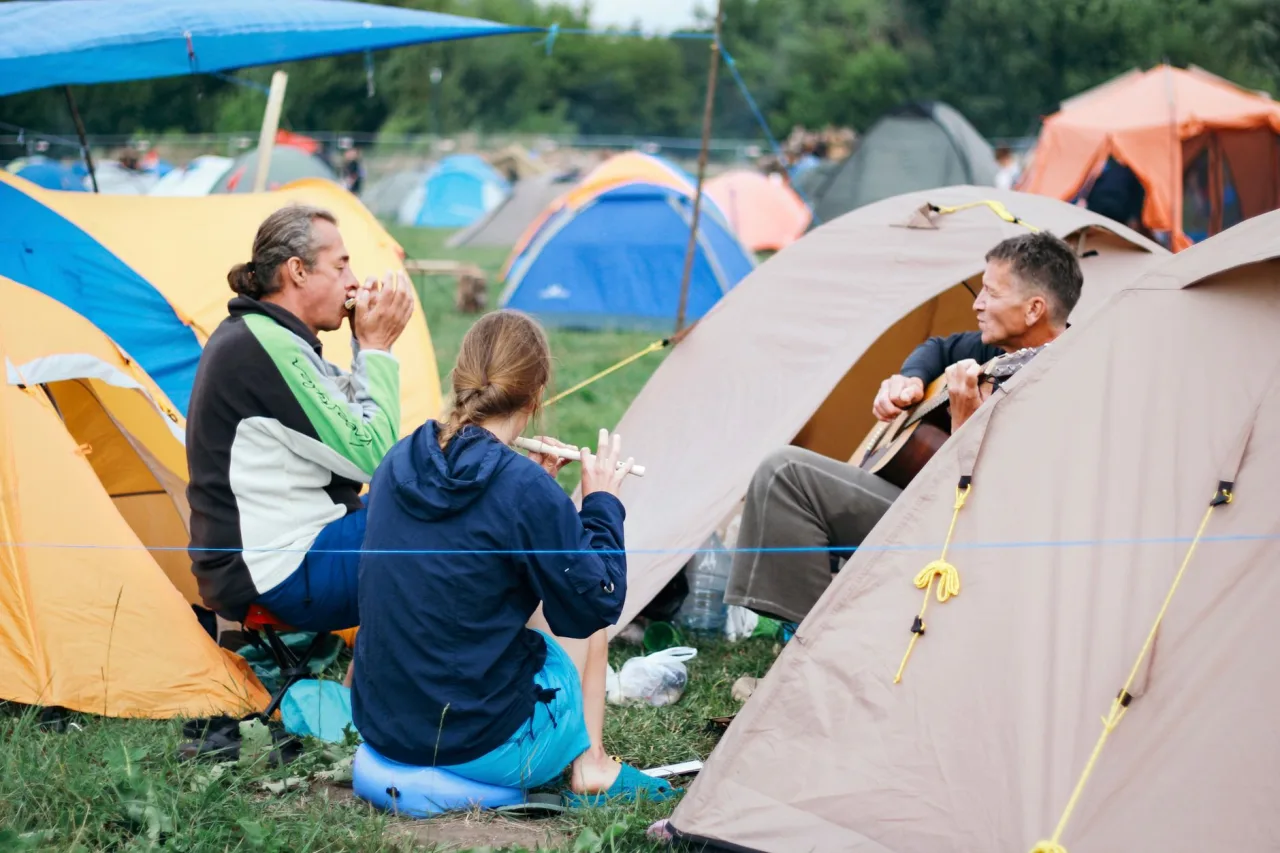
Two things separate a tent you tolerate from one you love. The first is standing height. Being able to stand to dress and organise gear transforms a wet morning, so if headroom matters to you, check the peak height and how far that height extends across the floor. The second is access. A single door means someone always climbs over sleeping bodies for a midnight bathroom trip, so two doors, ideally one at each end, are worth paying for in a family tent.
Room dividers turn one big space into a sleeping area and a living area, which is genuinely useful when children go to bed before the adults. A covered porch or vestibule gives you somewhere to store muddy boots and cook out of the rain, though never run a stove inside a tent or a closed porch because of fire and carbon monoxide risk. For safe meal planning, our camping meals guide has a printable checklist.
Budget bands: what your money buys in 2026
Prices vary widely by brand, region, season and sales, so treat these as realistic ranges rather than fixed figures, and always confirm the current price when you book or buy.
- Entry level (roughly 80 to 150 in your local currency): fine for occasional summer weekends at calm sites. Expect fibreglass poles, simpler fabrics and a shorter lifespan.
- Mid range (roughly 150 to 350): the sweet spot for most families. Sturdier poles, better waterproofing, two doors and thoughtful features like dividers and larger porches.
- Premium (350 and up): heavier duty poles, higher fabric ratings, better ventilation and the durability to survive many seasons of family use.
Spending more rarely buys extra square metres. It buys tents that pitch faster, survive wind, resist leaks and last longer. If you camp only once or twice a year, a mid range tent is usually all you need.
A simple scoring checklist before you buy
Rather than trust any single review, score candidate tents yourself against the criteria that will actually affect your trips.
- Real capacity: divide the floor area by your group and be honest about gear.
- Weather rating: hydrostatic head, seam taping and fly coverage suited to your season.
- Pitch time: pole count and clip versus sleeve design. Fewer, colour coded poles are faster.
- Weight and pack size: only relevant for how far you carry it from the car.
- Livability: peak height, number of doors, dividers and porch space.
- Durability signals: pole material, denier of the fabric and quality of zips and pegs.
Work through the list for two or three shortlisted models and the right choice for your budget usually becomes obvious. If you are weighing a smaller footprint, compare against our 4 person tent guide or the more compact family tent options.
Care tip
Always dry a tent fully before storing it. Packing a damp tent leads to mildew that permanently stains fabric and destroys waterproof coatings, which is the single most common way a good tent gets ruined.
Where to pitch a big tent
A large tent needs a large, level pitch, and not every site offers one. When you book, ask whether pitches are marked and how big they are, because a family sized tent plus a car and an awning can exceed a small pitch. Public land and national parks often have specific rules on tent size and placement. The United States National Park Service camping pages explain how to choose and set up a campsite responsibly, including tent versus RV options and leaving no trace. For finding suitable sites, our directory style guide to family friendly campsites walks through how to compare and choose.
Frequently asked questions
How many people really fit in a 6 person tent?
Comfortably, four to five adults with room for gear, or a family of four with space to spare. The "6 person" rating assumes everyone sleeps side by side with no storage, so rate the tent down by one or two people for a realistic trip.
Are cabin tents or dome tents better for six people?
Cabin tents give more standing room and usable space, which suits calm weather car camping. Dome tents shed wind and rain more reliably, so they are the safer choice for exposed pitches or shoulder season trips. Choose based on your typical conditions.
What hydrostatic head rating should a family tent have?
Around 3000mm on the flysheet copes confidently with sustained rain, with a higher rating on the floor because it takes body pressure. A rating near 1500mm only suits light showers. Taped seams and a bathtub floor matter as much as the number itself.
How much should I spend on a 6 person tent?
Most families are well served in the mid range, roughly 150 to 350 in your local currency, though prices vary by brand, season and sales so confirm at purchase. Extra spending mainly buys durability, better poles and easier pitching rather than more floor space.
Can I use a 6 person tent for backpacking?
No. Tents this size are heavy and bulky, designed for car camping where you carry them a short distance. For carrying on foot, choose a purpose built lightweight shelter instead, which we cover in our backpacking tent guide.
More guides on Tents & Camping Gear
Have a question or a topic to suggest?
We read every message. Tell us what you would like to see next on the blog.
Get in touchYou may also like
Best Family Tent (2026 Buyer's Guide)
An honest buyer's framework for family tents: size up wisely, judge weather protection and pitching, and match a mid range tent to how your family camps.
Best 4 Person Tent (2026 Buyer's Guide)
The 4 person tent is camping's most versatile size. Learn how to judge real capacity, shape, weather protection and value to pick the right one for your budget.
Best Camping Tent 2026: Family Picks
Roomy family and car camping tents built for comfort over several nights. How to choose one by space, weather protection and budget in 2026.