Gear Guide
Best Camping Stoves 2026: Budget Picks
Gas, liquid fuel and wood stoves compared, plus how to pick the right one for your trips.
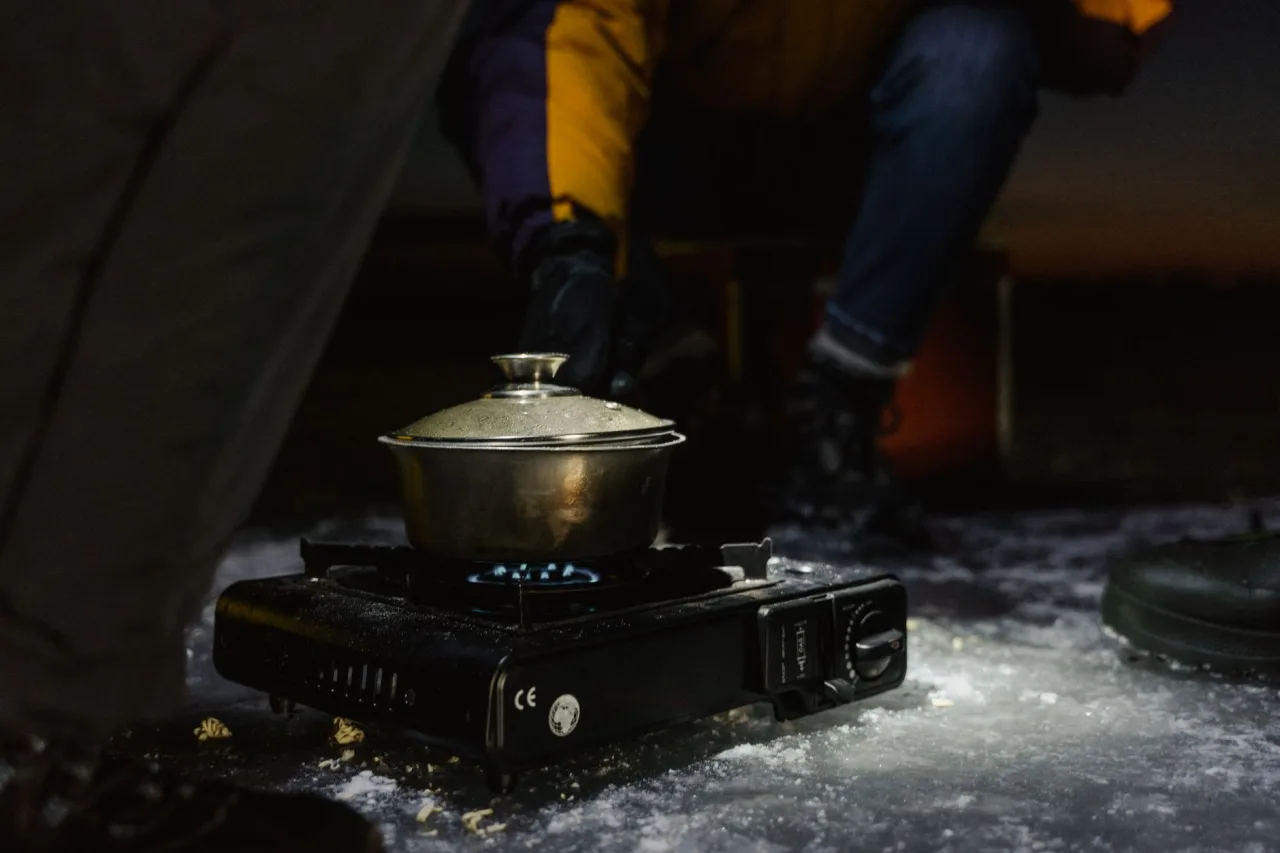
A camping stove is the piece of kit that turns a cold campsite into a place you can make coffee, cook a proper meal and warm up on a bad-weather day. This is an honest buyer's guide, not a fake leaderboard: it explains the real stove types, how fuel choice changes everything, and what each budget tier genuinely gets you so you can pick the right stove for your trips.
The short version
- The big choice is fuel type: gas canister, liquid fuel, wood, or a two-burner base-camp stove. Each suits a different style of trip.
- Canister stoves are the easiest for most people. Liquid fuel wins in extreme cold and on long expeditions.
- Backpackers care about weight and boil time. Car campers and families care about burner power, stability and cooking area.
- Prices vary by type, brand and season, so treat any figure as a rough range and confirm the current price when you buy.
Start with fuel type, not brand
The most important decision is what your stove burns, because that dictates its weight, cold-weather performance, running cost and where you can use it. There are four main families worth knowing.
- Gas canister stoves screw onto a sealed cartridge of liquefied gas, usually butane, propane or a blend. They light instantly, simmer well and need no priming, which makes them the easy default for most campers.
- Liquid fuel stoves burn pressurised fuels such as white gas, kerosene or petrol from a refillable bottle. They need priming and a little maintenance, but they perform reliably in deep cold and at altitude, and fuel is cheap and widely available.
- Wood and solid-fuel stoves burn twigs, pellets or fuel tablets. They carry no fuel weight, which appeals to ultralight and minimalist campers, but heat control is limited and they produce soot and ash.
- Two-burner base-camp stoves are larger units, often running on propane, built for car camping and family cooking rather than carrying.
If you are still building your kit, our sleeping bag buyer's guide and camping tent guide use the same criteria-first approach, and the complete guide to camping ties the whole setup together.
Canister stoves in more detail
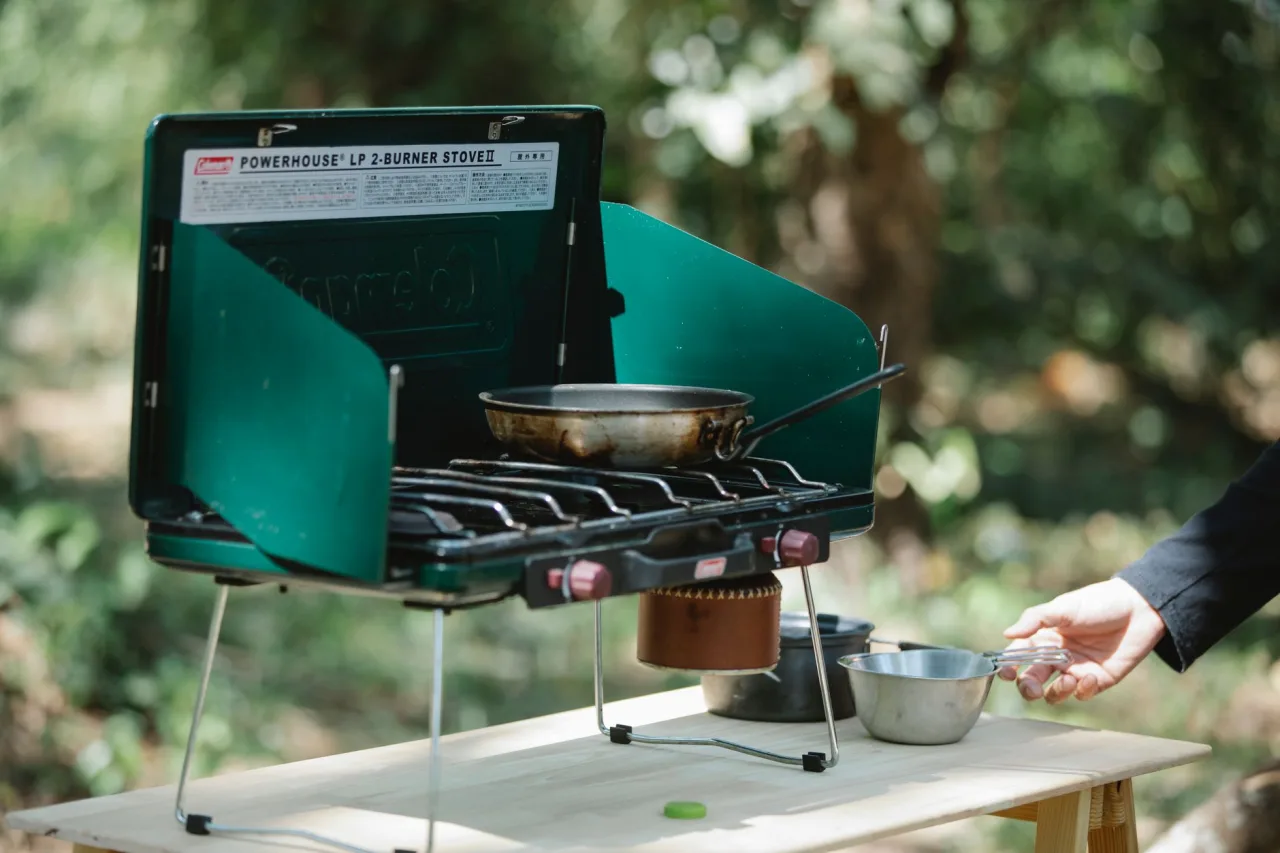
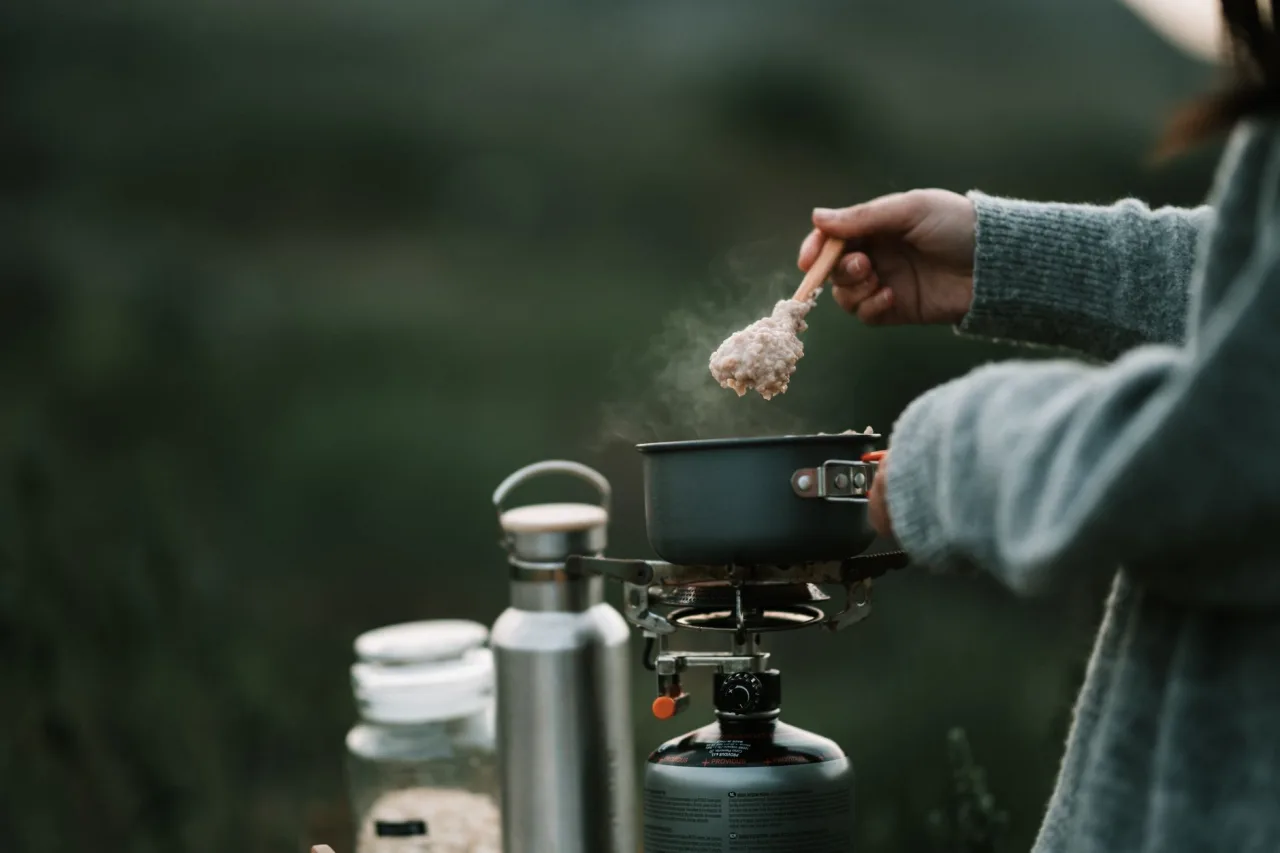
For the majority of campers, a gas canister stove is the right answer. The design uses a cartridge of liquefied gas, so there is no pump, no priming and almost no learning curve. Two sub-types matter:
- Upright canister stoves sit the burner directly on top of the canister. They are tiny, light and cheap, ideal for solo backpackers boiling water and cooking simple meals.
- Remote canister stoves connect the burner to the canister by a hose, sitting lower and wider for better stability with a big pan, and some allow the canister to be inverted for better cold-weather flow.
The one real weakness is cold. As a canister empties and the temperature drops, the gas pressure falls and the flame weakens. Blended fuels with propane help, and keeping the canister warm makes a difference, but in genuine winter conditions a liquid fuel stove is more dependable.
Tip: In cold weather, keep your gas canister inside your jacket or sleeping bag until you cook, and stand it on an insulating pad rather than frozen ground. A warm canister holds pressure and boils water far faster than a cold one.
Liquid fuel and wood stoves: when they win
Liquid fuel stoves are the choice of expedition campers and anyone travelling where canisters are hard to find. Because you refill a bottle, fuel is cheap and available almost anywhere, and the pressurised system keeps performing when canisters fade in the cold. The trade-offs are the priming ritual, occasional cleaning and a higher price.
Wood and solid-fuel stoves occupy a niche. Burning found wood means carrying no fuel weight at all, which ultralight hikers love, and there is something satisfying about a tiny twig fire. But you sacrifice easy heat control, you depend on dry wood being available, and many campsites and dry regions ban open flames or restrict fires. Always check local fire rules first.
Two-burner stoves for car camping and families
If you drive to your pitch, weight stops mattering and cooking capacity takes over. A two-burner stove, usually fuelled by a larger propane cylinder, gives you the power and space to cook for a family, run a pan and a kettle at once, and shield the flames from wind with fold-up sides. These are the workhorses of campsites and glamping trips. Look for solid pan supports, decent wind protection and burners powerful enough to actually boil a full pan rather than just simmer it.
Picking by budget: what your money buys
Rather than name models, which change every season and vary by country, here is what each price tier honestly tends to deliver. These are broad ranges that move with sales and fuel type, so always confirm the price at checkout.
- Entry level: a basic upright canister stove or a simple single-burner unit. Perfect for boiling water, brewing coffee and cooking straightforward meals on fair-weather trips.
- Mid range: a remote canister stove with better stability and wind resistance, or a solid two-burner for car camping. The sweet spot for most regular campers.
- Premium: integrated canister systems with fast boil times and built-in wind protection, or expedition-grade liquid fuel stoves. Worth it for serious backpackers, cold-weather trips or long expeditions, less so for occasional summer weekends.
Warning: Never use any fuel-burning stove inside a tent, awning or enclosed space. Stoves produce carbon monoxide, an odourless gas that can be fatal, and they are a serious fire risk against tent fabric. Always cook outside in the open air with good ventilation.
Features and accessories worth having
A few details separate a stove you enjoy from one you fight with:
- Piezo igniter: a built-in spark saves fumbling with matches, though always carry a lighter as backup since igniters can fail.
- Wind protection: wind is the biggest enemy of efficiency. A built-in shield or a separate windscreen dramatically cuts fuel use and boil time. Never fully enclose a canister stove, as trapped heat can be dangerous.
- Pot stability: wide, sturdy supports matter more as your pan gets bigger. A tippy stove and a full pot of boiling water is a genuine hazard.
- Simmer control: if you actually cook rather than just boil water, a valve that throttles down to a gentle simmer is worth paying for.
Match the stove to how you travel. Heading out in a campervan gives you room for a bigger, more capable stove, while a backpacking trip rewards the lightest setup that still cooks what you eat.
Frequently asked questions
What type of camping stove is best for beginners?
A gas canister stove is the easiest choice for most beginners. It screws onto a sealed cartridge, lights instantly, needs no priming and simmers well. An upright canister stove suits solo campers, while a remote canister or two-burner stove gives more stability for cooking bigger meals.
Are canister or liquid fuel stoves better?
It depends on your trips. Canister stoves are simpler, lighter and ideal for most three-season camping. Liquid fuel stoves need priming and maintenance but perform reliably in deep cold and at altitude, use cheap refillable fuel and are better for long expeditions or remote travel where canisters are hard to find.
Can I use a camping stove inside a tent?
No. Never use a fuel-burning stove inside a tent, awning or any enclosed space. Stoves release carbon monoxide, an odourless and potentially fatal gas, and pose a serious fire risk against tent fabric. Always cook outside in open air with good ventilation, even in bad weather.
How much should I spend on a camping stove?
Prices vary by type, brand and season. An entry-level canister stove covers boiling water and simple meals, a mid-range remote canister or two-burner suits most regular campers, and premium integrated or expedition stoves are worth it mainly for serious backpackers or cold-weather trips. Confirm current prices when you buy.
Why does my stove work poorly in cold weather?
Canister stoves lose power in the cold because gas pressure falls as temperature drops and the canister empties. Use a propane-blended fuel, keep the canister warm inside your jacket before cooking, and stand it on an insulating pad. For genuine winter conditions, a liquid fuel stove is more reliable.
Sources and further reading:
- Portable stove on Wikipedia for stove designs, fuel types and how they compare.
- Recreational vehicle on Wikipedia for background on RV and campervan cooking setups.
More guides on Tents & Camping Gear
Have a question or a topic to suggest?
We read every message. Tell us what you would like to see next on the blog.
Get in touchYou may also like
Best Sleeping Bags 2026: Budget Picks
The right sleeping bag decides whether you sleep warm or shiver till dawn. This honest buyer's guide shows how to read temperature ratings, weigh down against synthetic, and pick the best bag for your budget and trips.
Best Camping Tent 2026: Family Picks
Roomy family and car camping tents built for comfort over several nights. How to choose one by space, weather protection and budget in 2026.
Best Tent 2026: How to Choose by Budget
There is no single best tent, only the best one for how you camp. An honest framework for choosing by weather rating, size and budget in 2026.