Tents & Gear
Best 4 Person Tent (2026 Buyer's Guide)
Camping's do it all size, decoded: real capacity, shape, weather protection and price so you choose the right 4 person tent.
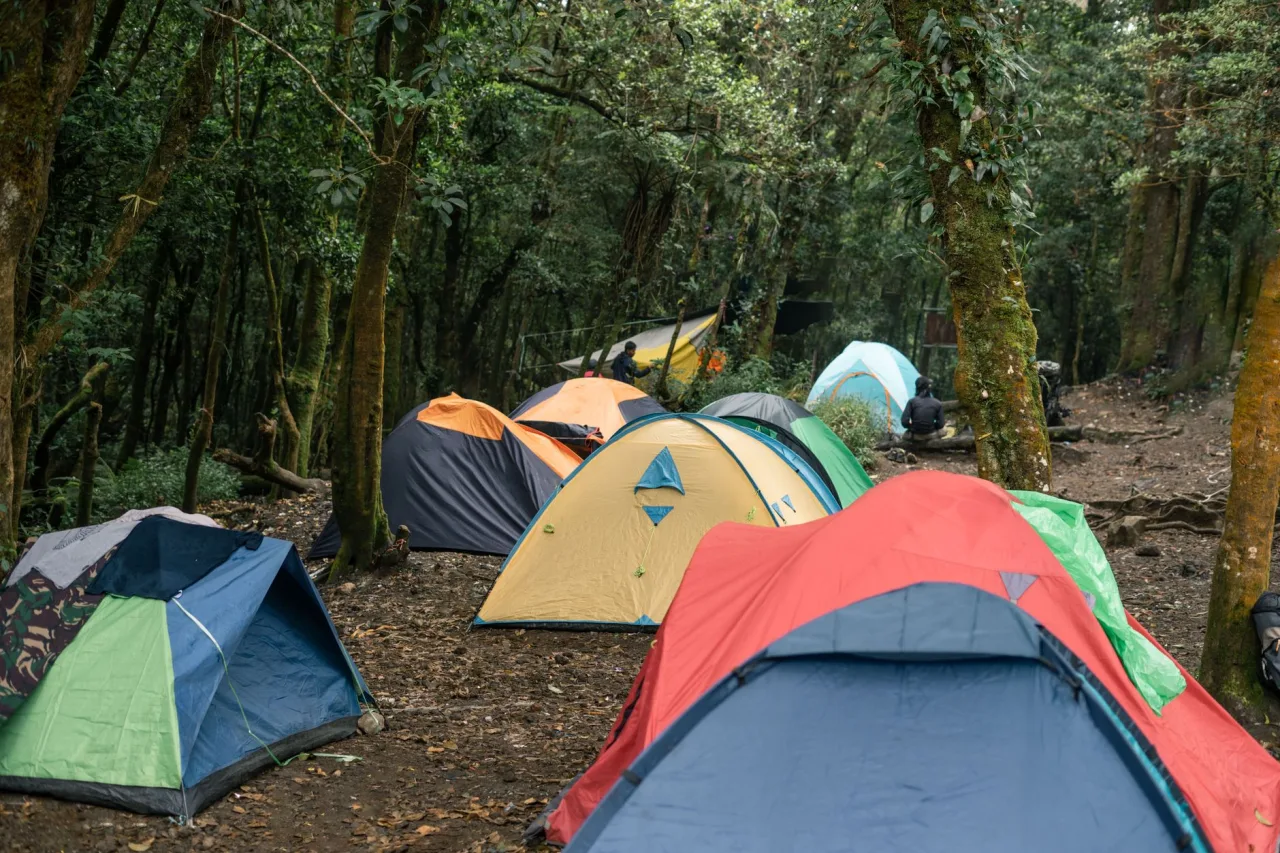
A 4 person tent is the most versatile size in camping: big enough for a small family or a couple with plenty of gear, small enough to pitch on almost any site. This honest buyer's guide skips the fake leaderboard and shows you how to judge real capacity, weather protection and value so you buy the right tent for your budget.
The short version
- A 4 person tent is most comfortable for two or three people with gear, or a couple who want room to spread out.
- It is the sweet spot size: roomy enough to be comfortable, compact enough to fit tight pitches and pack down small.
- Judge tents on floor dimensions, hydrostatic head, doors and pitch time rather than the headline capacity.
- Mid range models suit most campers. Extra spend buys durability and easier pitching, not much more space.
Why the 4 person size is so popular
The four person tent is the do it all size of the camping world. It is roomy enough for two adults to sleep comfortably with their bags inside, spacious for a couple who want a bit of luxury, and workable for a small family who do not mind a cosy fit. At the same time it stays light enough for one or two people to carry from the car and small enough to fit pitches that a giant family tent would never squeeze into.
That flexibility is exactly why it is the size many campers own first. If you are unsure how big to go, a four person tent is rarely a mistake. To compare against neighbouring sizes, read our 2 person tent guide for a lighter option and our 6 person tent guide for a roomier one.
Real capacity: who actually fits
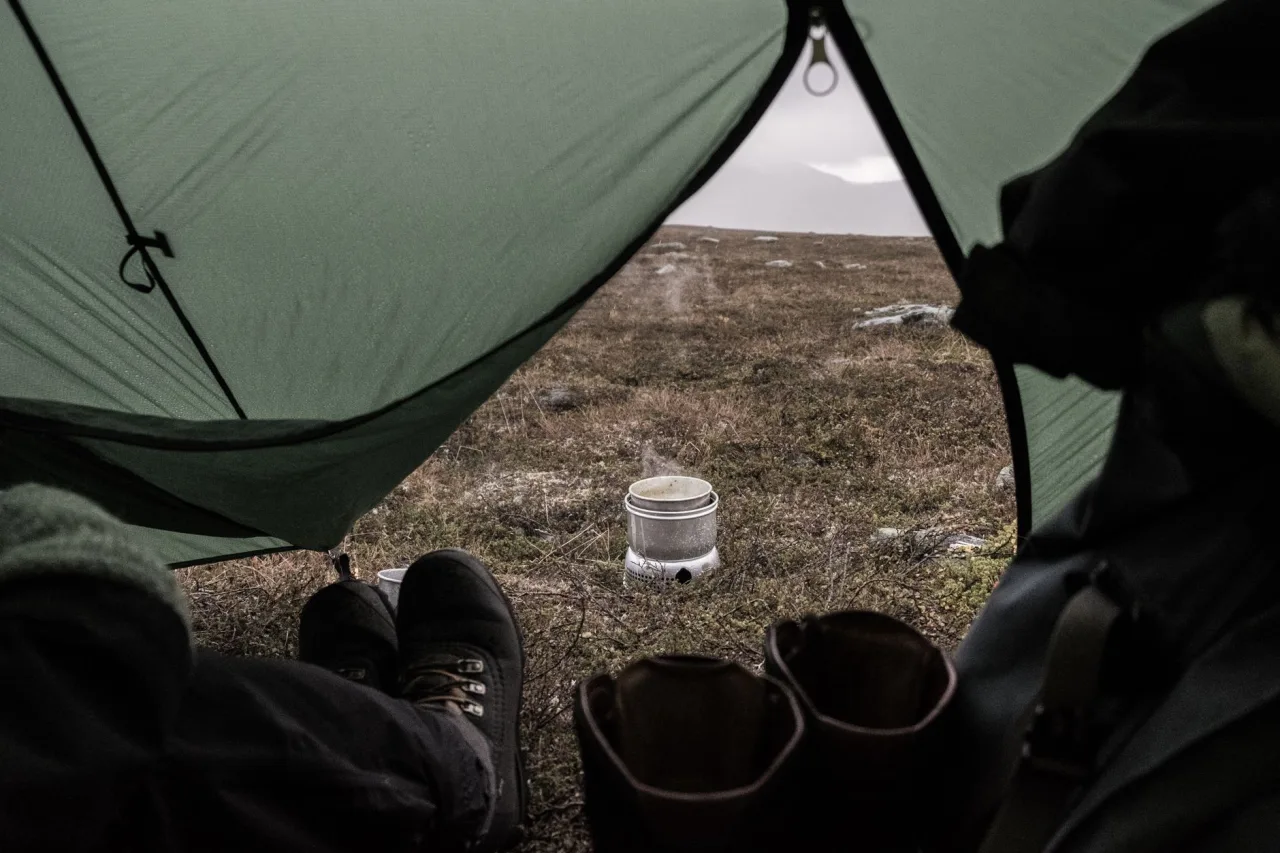
As with every tent, the "4 person" number assumes four people lying shoulder to shoulder with no storage. In practice, a four person tent is genuinely comfortable for two or three people once you allow space for bags, boots and moving around. A couple gets a spacious, near luxurious setup. A family of four fits but will feel snug, which is fine for short trips and less pleasant for a long stay.
Ignore the label and read the floor plan in centimetres. Count how many sleeping pads fit side by side, and note the peak height and whether the walls slope steeply, because sloping walls cut into usable space. If your household is four people who camp often, you may prefer to size up, a theme we cover in the family tent guide.
Shape and pitching style
Four person tents come in a few main shapes, each with tradeoffs.
- Dome tents use crossing poles to stand on their own, pitch quickly and shed wind well. Headroom is centred, so the edges slope, but they are stable and beginner friendly.
- Tunnel tents create long, roomy interiors with good porches, but they usually need pegging out to stand, so they are less forgiving on hard ground.
- Instant and pop up tents pitch in seconds, which is great for festivals and quick stops, though they tend to be bulkier to pack and less weatherproof than a well made pole tent.
For most campers a freestanding dome is the easiest to live with, because you can pick it up and reposition it before pegging. If speed is your priority, our pop up tent guide covers the fast pitch options.
Weather protection that holds up
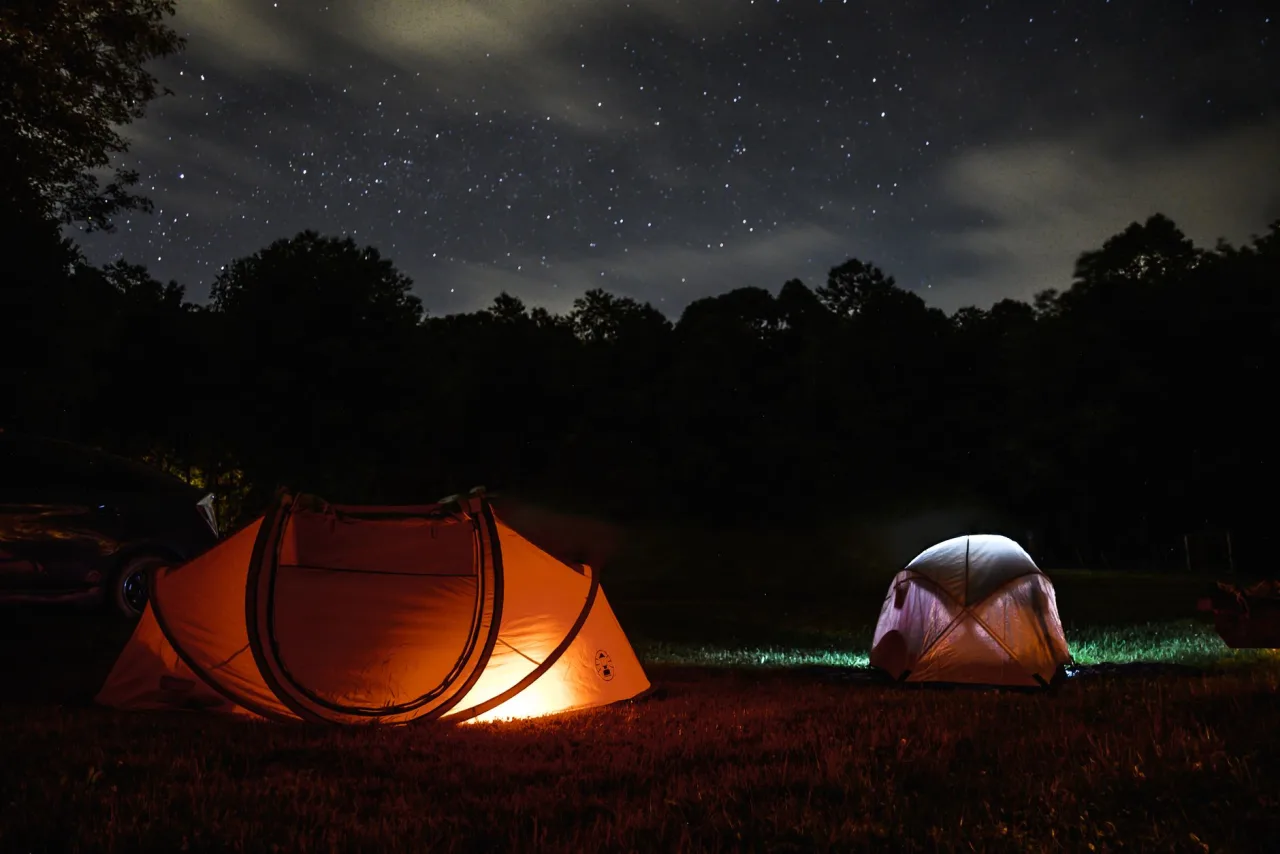
Waterproofing is measured as a hydrostatic head in millimetres. A flysheet around 3000mm handles sustained rain confidently, and the floor should be rated higher because it takes body pressure. Wikipedia's overview of tent construction explains that tents are graded as one, three or four season, with three season models handling fairly heavy rain and very light snow, which suits most trips outside deep winter.
Beyond the number, look for taped seams, a bathtub floor that curves up the walls, and a flysheet that reaches close to the ground. Ventilation is just as important: mesh panels and vents reduce the condensation that otherwise soaks the inside of a tent overnight. A tent that is well ventilated feels dramatically drier in the morning.
Field tip
Practise pitching a new tent at home and seal test it with a hose. You will learn the pole layout, confirm nothing is missing, and find any leaks at the seams before you rely on the tent in real weather.
Weight and packability
The four person size straddles two worlds. Most four person tents are car camping tents, where weight barely matters and you can enjoy sturdier poles and thicker fabric. A smaller number are lightweight backpacking models designed to be shared by two or three hikers, trading interior space and durability for a low carry weight.
Decide which world you are in before you shop. If you always drive to the pitch, prioritise space and comfort and ignore the weight. If you carry the tent any distance on foot, look at pack size and weight carefully, and consider whether a purpose built lightweight shelter from our backpacking tent guide would serve you better.
Budget bands: what your money buys in 2026
Prices vary by brand, region, season and sales, so treat these as realistic ranges and confirm the current price when you buy.
- Entry level (roughly 60 to 120 in your local currency): fine for occasional summer weekends. Simpler poles and fabrics, a single door, shorter lifespan.
- Mid range (roughly 120 to 280): the sweet spot for most campers. Better waterproofing, sturdier poles, often two doors and a decent porch.
- Premium (280 and up): tough, weatherproof tents built for frequent use, with quality poles, high fabric ratings and excellent ventilation.
As always, extra spending mainly buys durability, faster pitching and better weather resistance rather than extra floor space. Buy the level that matches how often you camp and in what conditions.
A quick buying checklist
- Real capacity: plan for one or two fewer people than the rating for comfort.
- Floor plan: read dimensions in centimetres, not the headline number.
- Weather rating: hydrostatic head, taped seams and fly coverage for your season.
- Doors: two doors add convenience for more than one person.
- Pitch time: freestanding domes are quickest and most forgiving.
- Durability: pole material, fabric denier and the quality of zips and pegs.
Score two or three shortlisted tents against this list and the best pick for your budget usually stands out. Pair your tent with the right sleep system using our sleeping bag guide.
Common mistakes to avoid
Most disappointment with a four person tent comes down to a few avoidable errors rather than the tent itself. Knowing them in advance saves money and frustration.
- Taking the capacity literally. Buying a four person tent for four adults on a long trip leads to a cramped, uncomfortable stay. Plan for one or two fewer people than the rating.
- Ignoring the floor plan. Two tents with the same rating can have very different usable space once you account for sloping walls, so always compare dimensions in centimetres.
- Skipping the practice pitch. Learning to pitch in a storm with tired children is the hard way. A dry run at home reveals missing parts and builds confidence.
- Underpegging. A dome tent may stand without stakes, but it will not survive wind unpegged. Always peg out and use the guy lines when weather threatens.
- Packing it wet. Storing a damp tent causes mildew that ruins waterproof coatings and stains fabric permanently. Dry it fully before it goes away.
Avoid these and a mid range four person tent will serve you reliably for many seasons across a wide range of trips, from festival weekends to quiet lakeside pitches.
Frequently asked questions
Is a 4 person tent big enough for a family of four?
It fits four but feels snug once you add gear, so it suits short trips more than long stays. For a comfortable family of four, many campers size up to a tent rated for six. A four person tent is most comfortable for two or three people with room to spare.
Is a 4 person tent good for two people?
Yes, it is one of the most comfortable options for a couple. Two people get generous room to sleep, store gear inside and move around, which feels almost luxurious compared with a two person tent. It is a popular choice for couples who value space over pack size.
What shape of 4 person tent is easiest to pitch?
A freestanding dome tent is usually the easiest, because it stands on its own crossing poles and can be repositioned before pegging. Instant and pop up tents pitch even faster but pack bulkier and tend to be less weatherproof than a well made pole tent.
How waterproof should a 4 person tent be?
A flysheet around 3000mm hydrostatic head handles sustained rain, with a higher rating on the floor. Taped seams, a bathtub style floor and good ventilation matter just as much as the number. Three season tents cover most trips outside deep winter conditions.
How much should I spend on a 4 person tent?
Most campers are well served in the mid range, roughly 120 to 280 in your local currency, though prices vary by brand and season so confirm at purchase. Extra spending mainly buys durability, easier pitching and better weather resistance rather than more floor space.
More guides on Tents & Camping Gear
Have a question or a topic to suggest?
We read every message. Tell us what you would like to see next on the blog.
Get in touchYou may also like
Best 2 Person Tent in 2026
A 2 person tent is the most versatile shelter you can own, small enough to carry and pitch alone, big enough for a couple or a solo camper who likes room to spread out.
Best 6 Person Tent (2026 Buyer's Guide)
Skip the fake rankings. Learn how to judge real capacity, weather protection and value so you pick the right 6 person tent for your family and budget.
Best Family Tent (2026 Buyer's Guide)
An honest buyer's framework for family tents: size up wisely, judge weather protection and pitching, and match a mid range tent to how your family camps.