Pop up tents
Best Pop Up Tent 2026: Honest Guide
Instant setup is the appeal, but pop up tents have real limits. Here is how to buy one wisely.
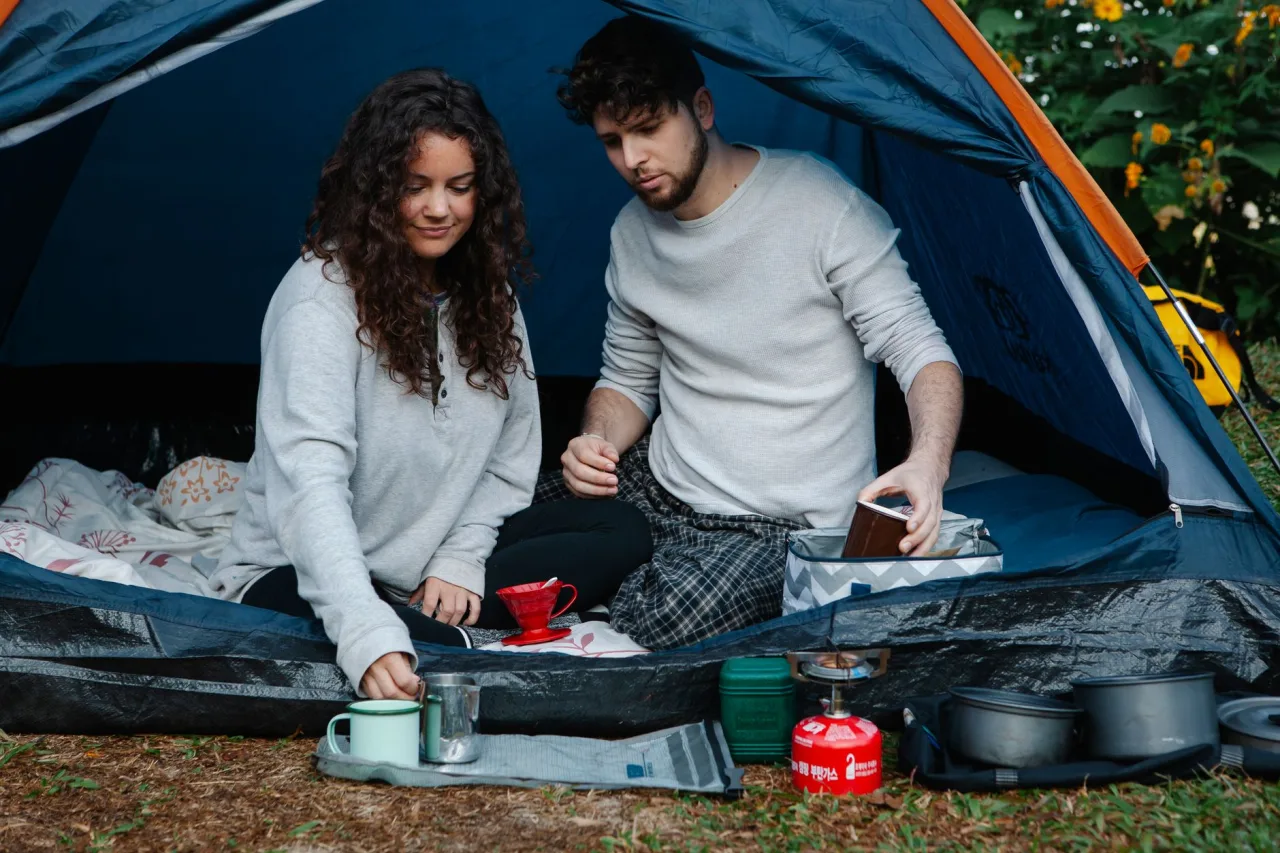
A pop up tent promises the dream: throw it in the air, and a shelter appears in seconds. That is genuinely useful, but the speed comes with real trade-offs, and no honest buyer's guide should hide them. Here is a straight look at what pop up tents do brilliantly, where they struggle, and how to choose one by budget in 2026, without pretending a folded leaderboard is real testing.
The short version
- Pop up tents win on speed and simplicity: seconds to pitch, ideal for festivals, beaches and first-time campers.
- They trade away wind resistance, packed size and folding ease. In a gale, a pop up is the wrong tent.
- Learn the folding technique before your trip. A pop up that will not fold back down is a genuine misery.
- Buy by use and budget: a cheap pop up for one festival, a mid-tier one if you camp more than a couple of times a year.
What a pop up tent actually is
A pop up tent, sometimes called an instant or throw tent, uses pre-tensioned flexible poles sewn into the fabric so the whole structure springs into shape on its own. As the general overview of tent designs notes, flexible-pole tents like domes are among the most popular modern styles, and the pop up takes that idea to its extreme by removing the assembly step entirely. You unclip it, toss it, and it opens.
That instant setup is the entire appeal, and for the right camper it is transformative. But the same spring-loaded design that makes it fast is also what limits its strength and its packed size, which is why a pop up is a specialist tool rather than a do-everything shelter.
What pop up tents do brilliantly
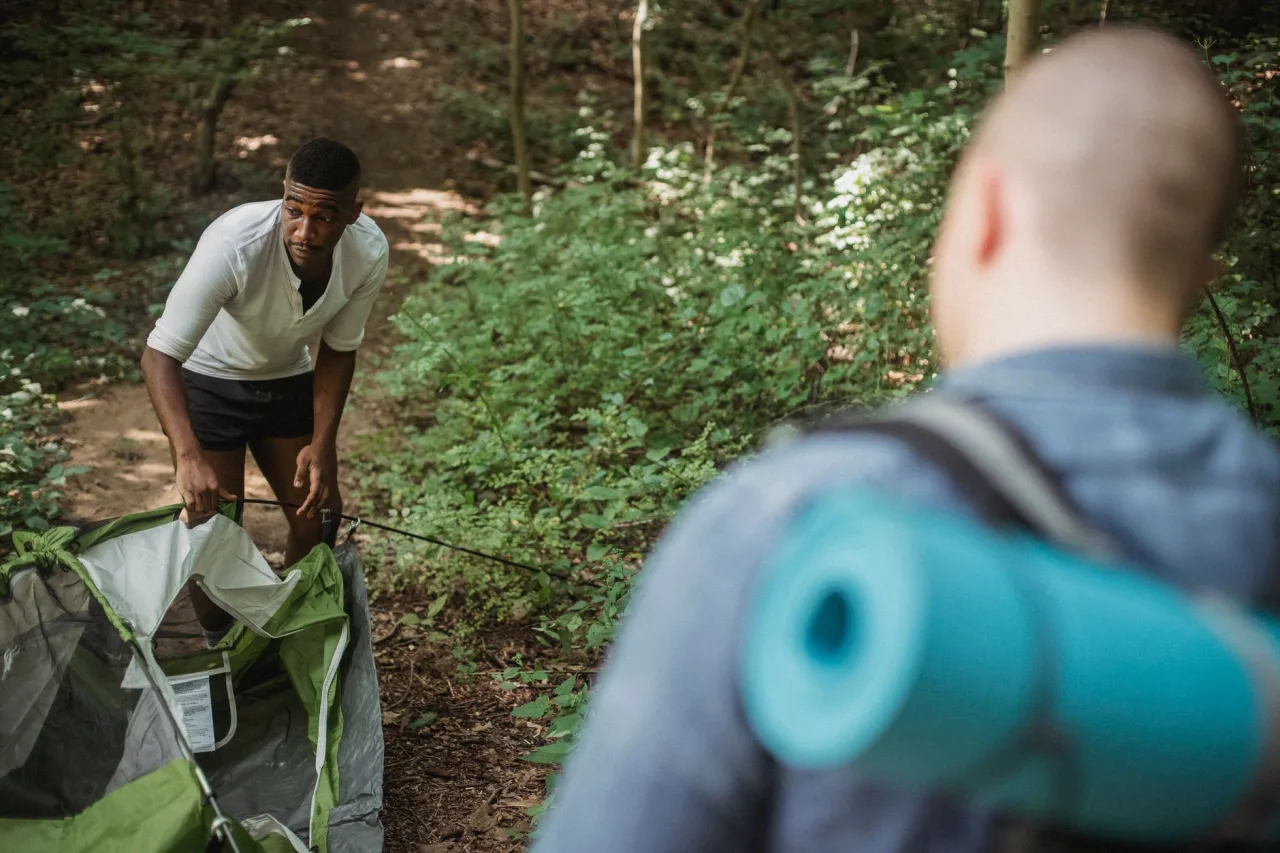
For certain trips, nothing beats a pop up. Their strengths are real and worth naming:
- Speed: pitching takes seconds, which is a gift after a long drive or when rain is closing in.
- Simplicity: there are no poles to thread and nothing to assemble, so first-time and solo campers cannot really get it wrong on setup.
- Festivals and events: arrive, throw the tent, and go enjoy the day. That is exactly the pop up's home turf.
- Beach and day use: smaller pop up shelters make excellent sun and wind breaks for a day by the water.
If your camping is mostly short, warm-weather, drive-up trips and events, a pop up may genuinely be the best tent for you, precisely because it removes the one barrier that puts people off camping: the faff of setting up.
Where pop up tents struggle
The trade-offs are just as real, and buying one without knowing them leads to disappointment. Be honest with yourself about these:
- Wind: the lightweight, spring-loaded frame is not built for storms. In strong wind a pop up flexes, flaps and can fail. It is a fair-weather shelter.
- Packed size: pop ups fold into a large flat disc, not a compact bundle, so they are awkward to carry and to store. They are a poor choice for backpacking.
- Folding: collapsing a pop up back into its bag takes a specific twist-and-fold technique that catches everyone out the first time.
- Durability: budget pop ups in particular can have thinner fabric and lower waterproof ratings, so they may not survive many seasons.
Tip: master the fold before you leave
- Practise folding it back down in the garden, not for the first time at a rainy campsite.
- Most pop ups fold by twisting the frame into a figure-of-eight and flattening it into a disc.
- Keep the storage bag: without it, a folded pop up will try to spring open again.
- Never pack it away wet, or it will grow mould before your next trip.
How to choose one by budget
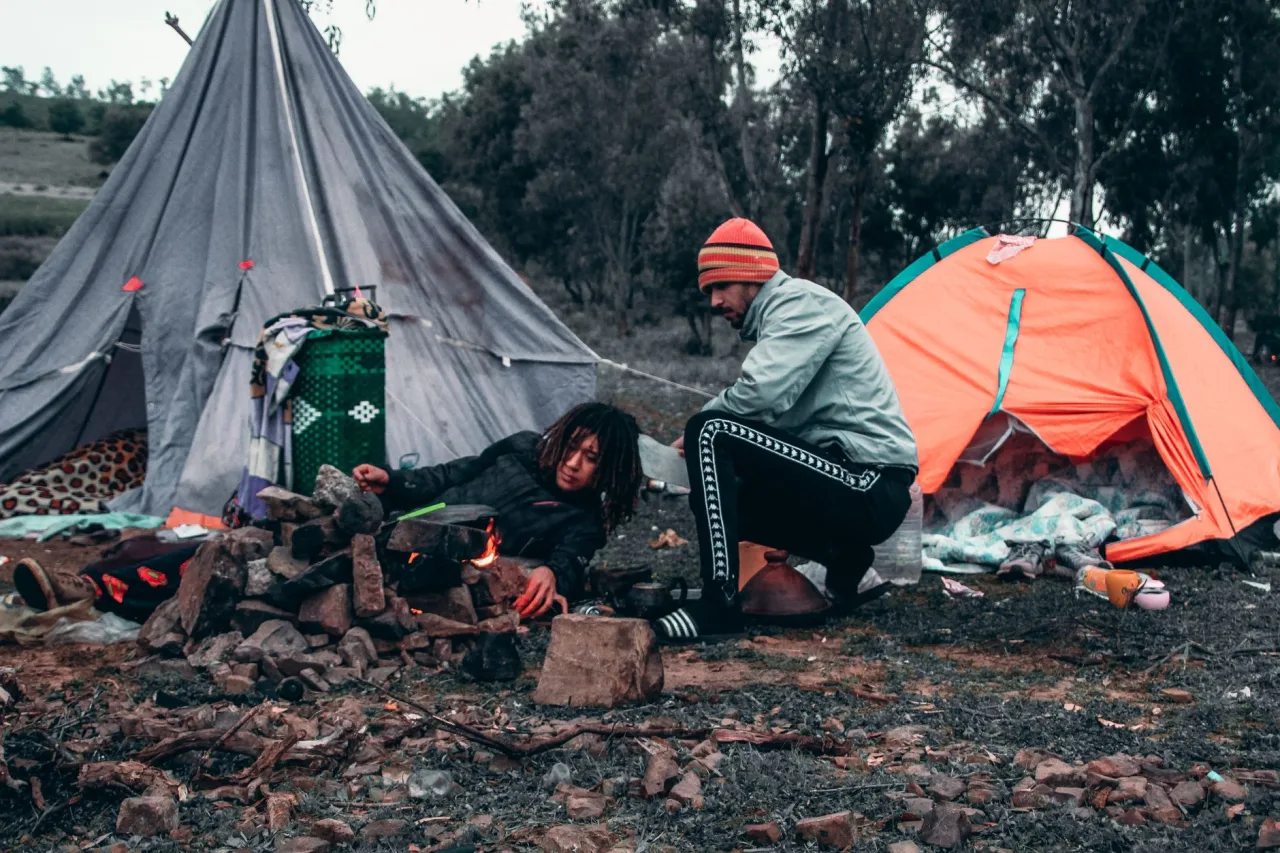
Prices vary by size, brand and season, so treat these as broad expectations to confirm against current listings rather than fixed prices:
- Budget tier: the cheapest pop ups are fine for a single festival or a one-off warm-weekend trip, but expect lower waterproofing and a short lifespan. Do not rely on one in bad weather.
- Mid tier: better fabric, a higher hydrostatic head and sturdier stitching from established brands. This is where to shop if you will use it several times a year.
- Larger family pop ups: bigger instant tents cost more and are heavier to move, but they bring the pop up's speed to family-sized shelters for drive-up camping.
Whatever the tier, check the waterproof rating in millimetres of hydrostatic head, look for taped or sealed seams, and read recent owner reviews for how the specific model handles wind and rain. A slightly pricier pop up that actually keeps you dry is far better value than a bargain that leaks on night one.
Pop up versus the alternatives
A pop up is not your only fast option, and it is worth comparing before you commit. Traditional pole tents are cheaper, pack smaller and handle wind better, at the cost of a few minutes of setup. Larger family tents and air tents offer far more space and weather resistance for multi-night trips. To weigh the pop up against the whole field, read our broad best tent buyer's guide, and if comfort over several nights matters more than speed, our guide to the best camping tents covers the roomier options.
Where you use a pop up also shapes whether it is the right call. On a sheltered festival field or a calm beach it excels, while an exposed hillside will punish it. Wherever you pitch, the Leave No Trace principles published by the U.S. National Park Service, such as camping on durable surfaces and packing out all waste, apply just as much to a quick pop up as to any other tent. Our guide to finding beach camping near you and our wider complete guide to camping sites can help you pick ground where a pop up's strengths shine and its weaknesses stay hidden.
Frequently asked questions
Are pop up tents any good for real camping?
Yes, for the right trips. Pop up tents are excellent for festivals, beaches and short warm-weather, drive-up camping because they pitch in seconds and are simple to use. They are less suited to stormy weather, backpacking or long expeditions, where their limited wind resistance and bulky packed size become real drawbacks.
Why are pop up tents so hard to fold?
The same pre-tensioned flexible poles that make a pop up spring open also resist being packed away, so collapsing one requires a specific twist-and-fold technique into a flat disc. It catches everyone out the first time, so practise in the garden before your trip and always keep the storage bag to hold it flat.
Can a pop up tent handle wind and rain?
A pop up handles light rain well if it has a decent hydrostatic head and taped seams, but its lightweight frame is not built for strong wind and can flex or fail in a storm. Treat a pop up as a fair-weather shelter, peg and guy it out fully, and avoid exposed pitches in bad forecasts.
How much should I spend on a pop up tent?
It depends on use. A budget pop up is fine for a single festival or one-off warm weekend, but for several trips a year a mid-tier model with better fabric and a higher waterproof rating is worth the extra. Always confirm current prices against live listings, as they vary by size, brand and season.
Is a pop up tent good for backpacking?
Generally no. Pop up tents fold into a large flat disc rather than a compact bundle, so they are awkward to strap to a pack and heavier than purpose-built backpacking tents. For hiking trips, a lightweight dome or tunnel tent that packs small is a far better choice.
More guides on Tents & Camping Gear
Have a question or a topic to suggest?
We read every message. Tell us what you would like to see next on the blog.
Get in touchYou may also like
Best Tent 2026: How to Choose by Budget
There is no single best tent, only the best one for how you camp. An honest framework for choosing by weather rating, size and budget in 2026.
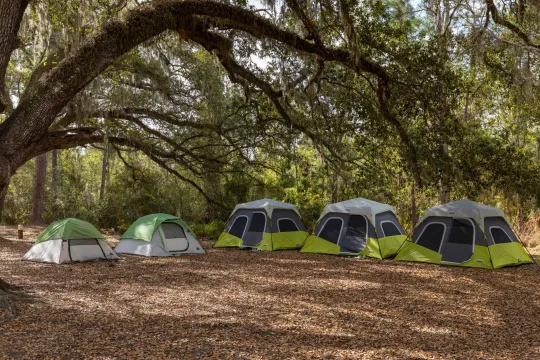
Best Camping Tent 2026: Family Picks
Roomy family and car camping tents built for comfort over several nights. How to choose one by space, weather protection and budget in 2026.
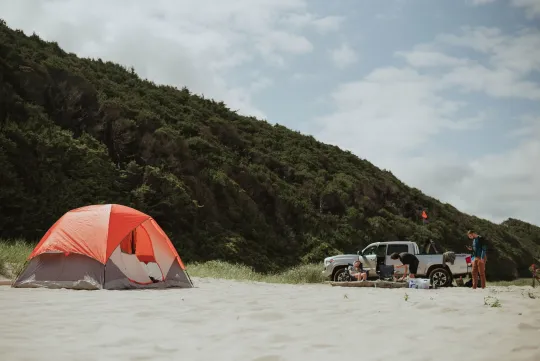
Beach Camping Near Me: How to Choose
A practical method for finding, comparing and choosing a beach campsite near you: where to search for real availability, how to weigh distance, tide exposure, facilities and cost, and how to camp safely on the coast.