Tents & Camping Gear
Best Car Tent in 2026
A car tent turns any parking spot with a view into a campsite, whether that means a rooftop tent that folds out above your vehicle or a ground tent
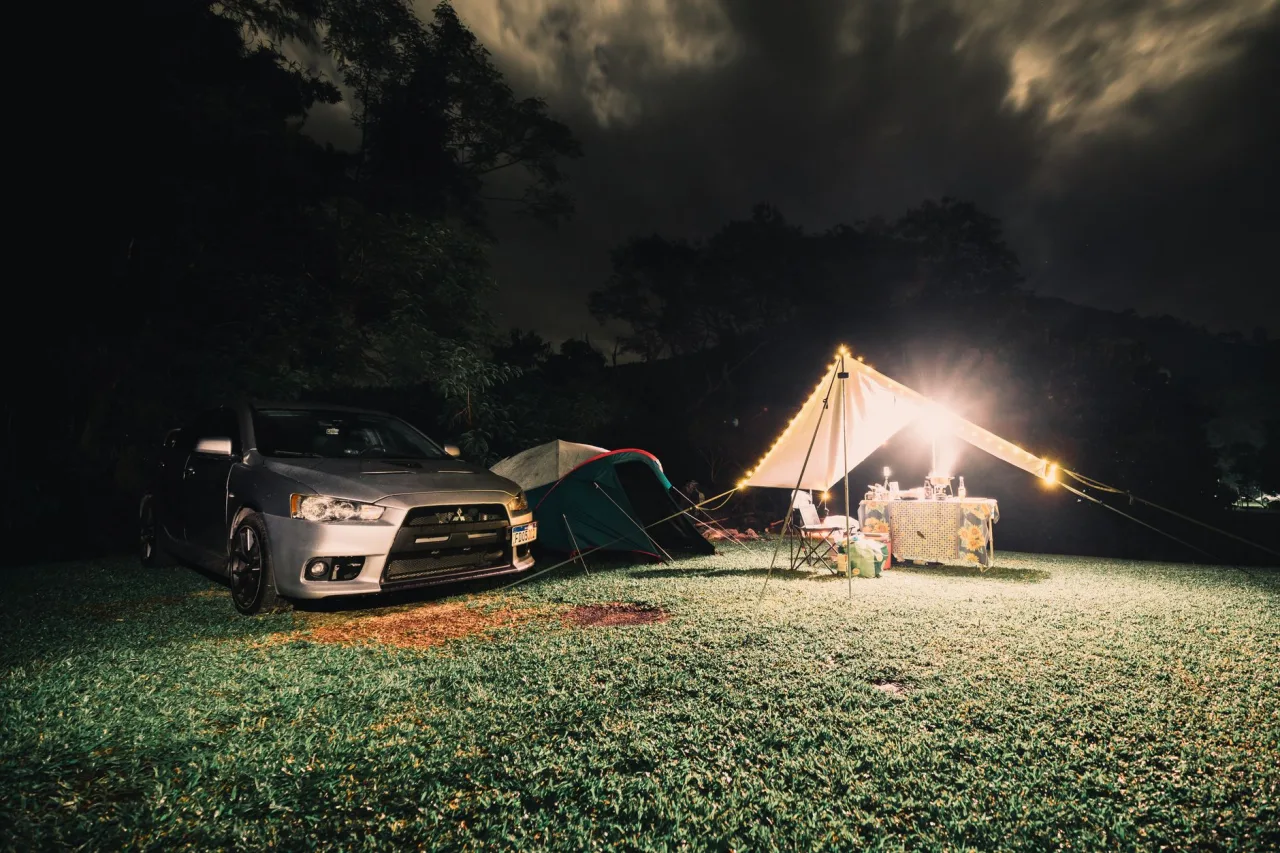
A car tent turns any parking spot with a view into a campsite, whether that means a rooftop tent that folds out above your vehicle or a ground tent that attaches to the tailgate. This is not a fake leaderboard of secret "best" models. It is an honest buyer's guide to the car tent categories, the specs that matter, and what each budget tier realistically buys, so you can choose the right one for your vehicle and trips.
The short version
- "Car tent" covers three things: rooftop tents, tailgate or SUV tents, and standalone tents you pitch beside the car. Decide which you actually need first.
- Rooftop tents get you off cold, wet ground fast but need a rated roof rack and add weight and cost.
- Check your vehicle's dynamic and static roof load limits before buying any rooftop model. It is a hard safety limit, not a suggestion.
- Prices vary hugely by type, brand and season, so treat the tiers here as rough ranges and confirm current prices and fit when you buy.
First, decide which kind of car tent you mean
The phrase "car tent" gets used for several very different products, and picking the wrong category is the most expensive mistake you can make. Sort out which one fits your trips before comparing any specs.
- Rooftop tents mount on a roof rack and fold or pop up into a sleeping platform above the vehicle. A rooftop tent, as defined by outdoor references, lets you sleep in relative comfort off the ground, with a built-in mattress and quick setup, at the cost of weight, height and price.
- Tailgate and SUV tents attach to the open boot or hatch of an estate, SUV or van, extending your sleeping space into a tent while keeping access to the vehicle. They suit people who want to sleep inside the car but cook and change under cover.
- Standalone car-camping tents are ordinary ground tents chosen for easy pitching next to where you park. They are the cheapest, most flexible option and work with any vehicle.
Rooftop tents: the appeal and the catch
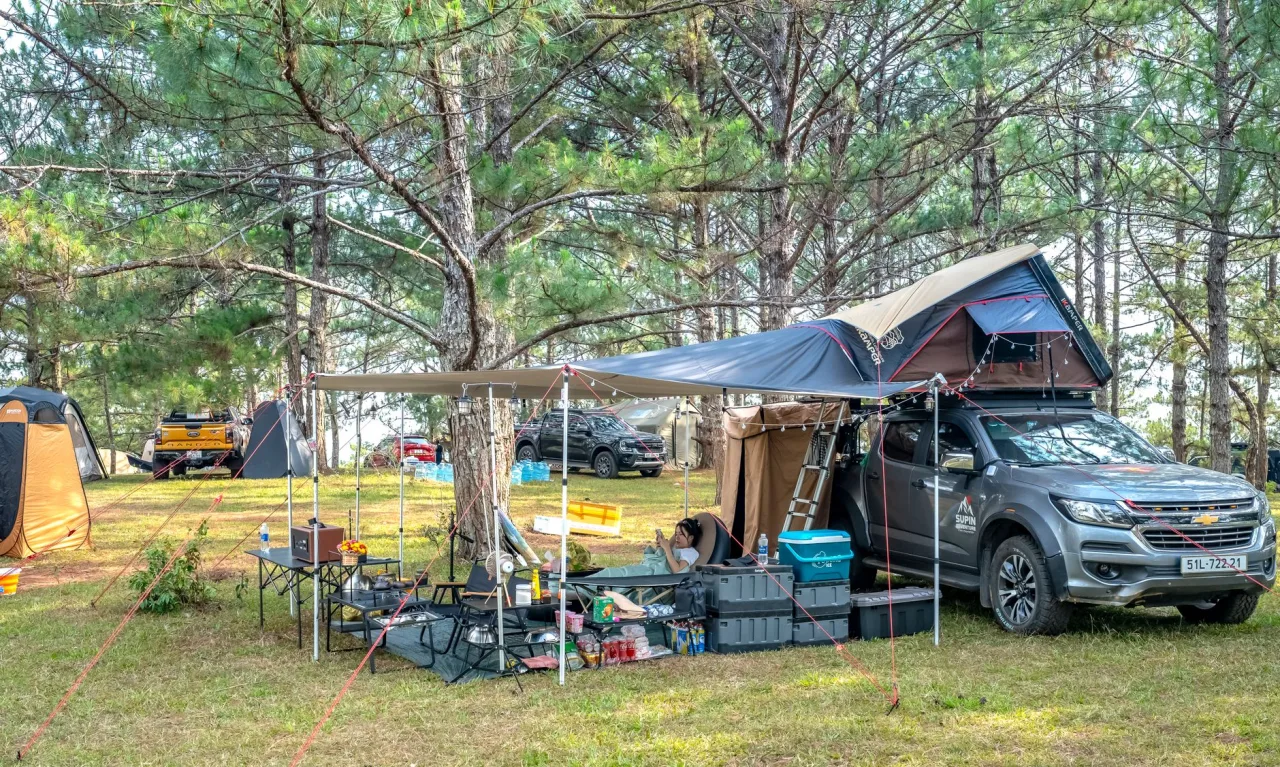
Rooftop tents have surged in popularity because they solve real problems. You sleep on a flat, sprung platform instead of hunting for level, dry ground, setup takes minutes once the rack is fitted, and you are raised away from damp, insects and small wildlife. For touring and overlanding, where you move camp often, that speed is genuinely valuable.
The catch is the whole system around them. A rooftop tent is heavy, often 45 to 75 kilograms for a hard shell, and it must sit on crossbars rated to carry it both while driving and while parked. It raises your vehicle's height and centre of gravity, affects fuel economy, and costs far more than a comparable ground tent. It is a commitment to a style of travel, not a casual purchase.
Warning: Every vehicle has two roof load limits. The dynamic limit applies while driving and is usually much lower than the static limit that applies when parked. A tent plus occupants can exceed the static limit that supports your sleeping weight, so check both figures in your owner's manual and the rack's rating before buying. If in doubt, ask the manufacturer.
Soft shell versus hard shell rooftop tents
If you settle on a rooftop tent, the main fork is soft shell against hard shell:
- Soft shell tents fold open off one side, often over a ladder, giving a larger sleeping area and sometimes an attached annex below. They pack smaller front-to-back but need more setup and a cover to close.
- Hard shell tents have a rigid lid that pops up in seconds and closes clean, with better aerodynamics and weather protection. They cost more and usually sleep fewer people for the same footprint.
Neither is universally better. Soft shells favour space and value, hard shells favour speed and low profile. Think about how often you will pitch and how many people share the tent.
Specs that actually matter
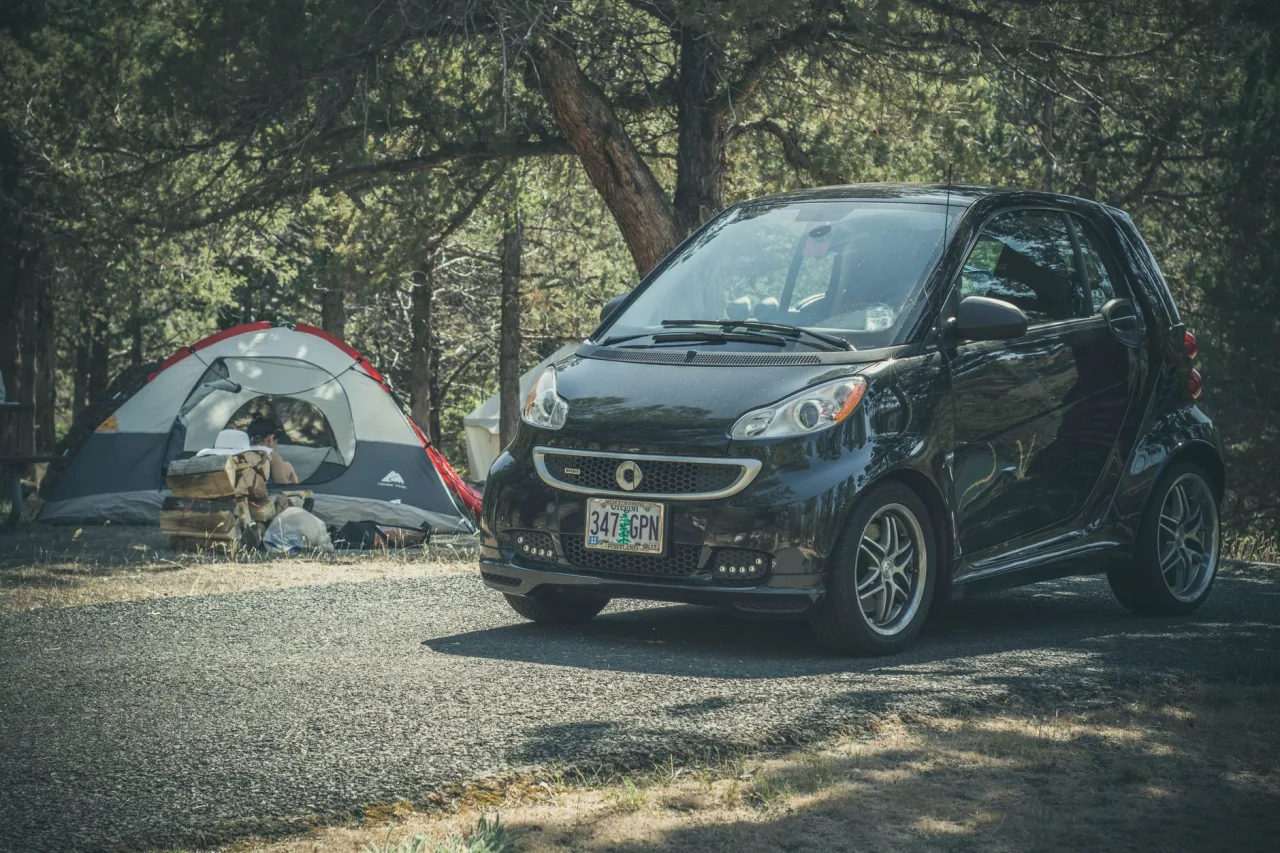
Whichever category you choose, judge a car tent on measurable features rather than marketing:
- Capacity and floor size: a "two person" rating is a snug fit. If you want room to move or store gear, size up, exactly as you would with a ground tent.
- Weather rating: look for a genuine waterproof rating on the flysheet and floor, taped seams, and a design that sheds wind. A tent that leaks or flaps ruins the trip.
- Weight and packed size: critical for rooftop tents against your roof limits, and for how easily two people can lift one onto a rack.
- Setup time and mechanism: poles, gas struts or fold-out ladders all differ. Try the mechanism if you can, since you will repeat it every trip.
- Ventilation: multiple mesh windows and doors cut condensation, which is worse in the enclosed space of a rooftop or tailgate tent.
If you are weighing a rooftop tent against simply pitching on the ground, compare it with our camping tent buyer's guide and the compact two person tent guide, both of which use the same honest, criteria-first approach.
Picking by budget: what your money buys
Rather than name specific models, which change every season and vary by region, here is what each tier honestly tends to get you. Treat these as broad ranges that move with sales, currency and materials, and confirm the current price and vehicle fit at checkout.
- Entry level: a standalone ground tent chosen for easy car-side pitching, or a basic tailgate tent for an SUV. The most affordable route into car camping, flexible and light on your wallet.
- Mid range: a soft-shell rooftop tent or a quality tailgate tent with better fabrics and poles. This is where most first rooftop buyers land, balancing space, weather protection and cost.
- Premium: a hard-shell rooftop tent with gas-strut setup, a thick built-in mattress, robust weatherproofing and a low packed profile. Worth it for frequent tourers who value fast, clean setup and durability.
Tip: Before committing to a rooftop tent, price the full system: the tent, a rated roof rack or crossbars, fitting, and any drop in fuel economy. A cheaper tailgate or ground tent plus a good sleeping pad often delivers a comfortable night for a fraction of the total.
Living with a car tent day to day
The practical details decide whether you keep using a car tent or leave it in the garage. Rooftop tents mean you cannot easily drive off without packing down, so you lose the car as a runabout at camp unless you tow or bring a second vehicle. Height matters too, since a raised tent may not clear low car parks or garages. Tailgate tents keep the car usable but tie your shelter to the boot. Standalone tents keep everything separate and flexible. Match the trade-off to how you actually travel, and pair any option with a proper sleeping setup from our sleeping bag guide.
Frequently asked questions
What is a car tent?
Car tent is a broad term for three things: a rooftop tent that mounts on your roof rack and folds out above the vehicle, a tailgate or SUV tent that attaches to an open boot or hatch, and a standalone ground tent chosen for easy pitching next to where you park. Deciding which type you actually want is the first and most important step.
Can any car take a rooftop tent?
No. A rooftop tent needs a roof rack with crossbars rated to carry its weight, and your vehicle must have both a dynamic roof load limit for driving and a static limit for parked sleeping that the tent plus occupants stay within. Check your owner's manual and the rack's rating first, since exceeding these limits is a genuine safety risk.
Are rooftop tents worth the money?
They are if you move camp often and value fast setup, a flat sprung bed and getting off cold, wet ground. They are less worthwhile if you camp in one spot, want to use the car freely at camp, or are on a tight budget, since a tailgate or ground tent plus a good sleeping pad costs far less and can be just as comfortable.
How much does a car tent cost?
Prices vary hugely by type, brand and season. A standalone ground or basic tailgate tent is the most affordable, a soft-shell rooftop or quality tailgate tent sits in the middle, and a hard-shell rooftop tent with gas struts is the most expensive. Always price the full system, including a rated rack and fitting, and confirm current figures when you buy.
Do car tents leak or get cold?
A well-made car tent with a genuine waterproof rating, taped seams and good ventilation sheds rain and manages condensation, but any enclosed tent can feel cold and damp without airflow and insulation. Use a decent mattress or pad and a sleeping bag rated for the conditions, keep vents open, and check independent reviews for real-world weather performance before buying.
Sources and further reading:
- Roof tent on Wikipedia for how rooftop tents mount, fold out and are used on vehicles.
- Tent on Wikipedia for tent construction, materials and weather protection basics.
More guides on Tents & Camping Gear
Have a question or a topic to suggest?
We read every message. Tell us what you would like to see next on the blog.
Get in touchYou may also like

Easy Camping Meals: Complete Guide
Good camp food is not about clever recipes, it is about a plan that survives a cooler, a two-burner stove and tired campers at the end of a long day.

Camping Pillow
A camping pillow is the small piece of kit that quietly decides whether you wake up refreshed or with a stiff neck and a ruined mood. This complete guide explains the main types

Best 2 Person Tent in 2026
A 2 person tent is the most versatile shelter you can own, small enough to carry and pitch alone, big enough for a couple or a solo camper who likes room to spread out.