Camping & Outdoors (General) · Camping & Outdoors (General)
Camping Pillow
A camping pillow is the small piece of kit that quietly decides whether you wake up refreshed or with a stiff neck and a ruined mood.
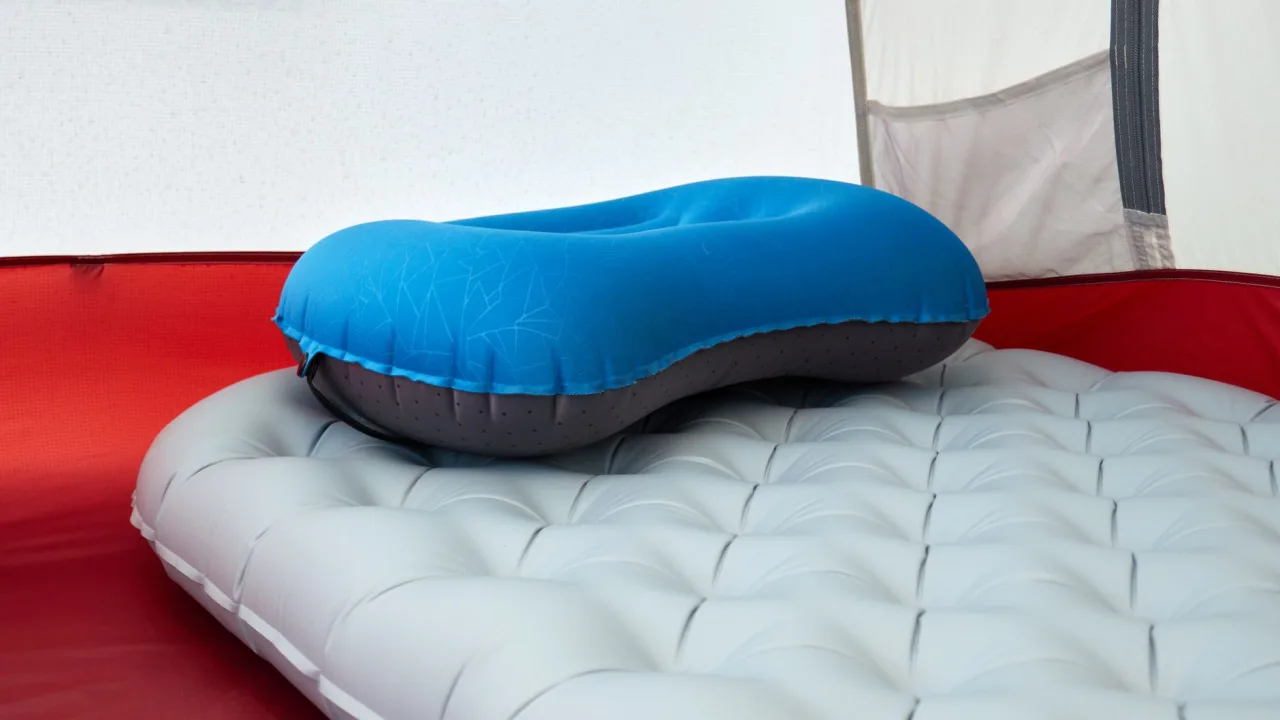
A camping pillow is the small piece of kit that quietly decides whether you wake up refreshed or with a stiff neck and a ruined mood. This complete guide explains the main types, what actually drives comfort and packed size, honest price ranges, and how to choose the right pillow for tent camping, backpacking or the campervan.
The short version
- Three main types dominate: inflatable, compressible foam and hybrid. Each trades packed size against comfort.
- Backpackers prioritise weight and packed size, car campers and glampers can prioritise a full-size, plush feel.
- Loft, firmness and a non-slip, brushed surface matter more to real comfort than the marketing name on the box.
- Prices vary widely by type, brand and retailer, so treat any figure here as a rough range and confirm it when you buy.
Why a dedicated camping pillow is worth it
A pillow exists to keep your head and neck in line with your spine while you sleep, and that alignment is exactly what a bundled jacket or a stuff sack of clothes fails to hold. Improvised pillows flatten, slide off the sleeping pad and leave you propped at an awkward angle. A purpose-made camping pillow holds its loft, resists slipping and packs down far smaller than the clothes you would otherwise scrunch up.
It is also the cheapest upgrade to your sleep system. You can spend heavily on a tent and a sleeping bag, but if your head is unsupported you will still sleep badly. A good pillow completes the trio of shelter, insulation and support, and it usually costs a fraction of the other two.
The main types of camping pillow

Almost every camping pillow falls into one of three families, plus the humble stuff-sack approach. Knowing the trade-offs makes the choice obvious for your style of trip.
- Inflatable pillows are the lightest and smallest packed, deflating to the size of a phone. You set the firmness by how much you inflate them. The downside is a bouncy, sometimes crinkly feel, and a cold surface unless covered.
- Compressible foam pillows are filled with shredded foam that squashes into a stuff sack and lofts back up at camp. They feel the most like a home pillow, but they are bulkier and heavier, which suits car camping more than backpacking.
- Hybrid pillows combine an inflatable core for support with a thin foam or fibre top layer for comfort and warmth. They aim for the best of both, at a small weight and cost penalty over pure inflatables.
- Stuff-sack pillows are simply a fleece-lined sack you fill with spare clothing. They weigh almost nothing on their own and double as gear, but comfort depends entirely on what you stuff them with.
Tip: Whatever type you choose, a brushed or fleece surface transforms the experience. Bare plastic or nylon feels cold and slippery, while a soft cover holds your head in place and stops the pillow migrating off the pad at night.
What actually makes a pillow comfortable
Marketing names aside, a handful of measurable features decide real comfort:
- Loft and firmness: loft is the pillow's thickness, and the right amount depends on your sleep position. Side sleepers need more loft to fill the gap between shoulder and head, back sleepers need less, and front sleepers need very little.
- Shape and contour: some pillows are flat rectangles, others are contoured or have a raised edge to cradle the head. A contour helps if you move around, since it gently keeps you centred.
- Surface and grip: a soft, non-slip face keeps your head on the pillow and the pillow on the pad. Many pillows add a silicone dot pattern or a strap that clips to the sleeping mat.
- Adjustability: inflatable and hybrid designs let you tune firmness on the spot, which is a genuine advantage over fixed foam.
Your pillow does not work in isolation. It sits on top of your sleeping pad and pairs with your bag, so it is worth reading our sleeping bag buyer's guide alongside this one, and the complete guide to camping for how the whole sleep system fits together.
Matching the pillow to how you camp

The single most useful question is how you get to the pitch. If you carry everything on your back, weight and packed size dominate. If you drive to the site, you can prioritise comfort without penalty.
- Backpacking and bikepacking: choose an inflatable or a light hybrid. Every gram and cubic centimetre counts, and the adjustable firmness compensates for the thinner build.
- Car camping and festivals: a compressible foam pillow gives the closest thing to a home night's sleep, and its bulk is irrelevant in a boot or tent.
- Campervans and motorhomes: you often have room for a full domestic pillow, though a compressible one stows more neatly. See our RV camping guide for kitting out a van interior.
- Glamping: comfort is the whole point, so bring the plushest pillow you like. Our glamping guide covers the wider comfort-first mindset.
Picking by budget: what your money buys
Rather than name models, which change every season and vary by region, here is what each price tier tends to get you honestly. Treat these as broad ranges that move with sales, currency and materials, and confirm the price at checkout.
- Entry level: a basic inflatable or a simple stuff-sack pillow. Light and cheap, fine for occasional trips, though the surface may feel plasticky and cold without a cover.
- Mid range: a hybrid with an inflatable core and a brushed top, or a decent compressible foam pillow. This tier suits most campers and is where comfort and packability balance best.
- Premium: a well-contoured hybrid or a plush foam pillow with a washable cover and a low packed weight for its comfort. Worth it for frequent campers or anyone who sleeps poorly on lesser designs.
Warning: Be sceptical of pillows sold purely on how small they pack. A tiny packed size often means a thin, hard, cold sleep surface. Read independent reviews for comfort and surface feel, not just the packed dimensions on the label.
Care, cleaning and making it last
A camping pillow lasts for years with basic care. Air it out after each trip so trapped moisture does not turn musty, and store compressible foam pillows loosely rather than crammed in their sack, since long-term compression tires the foam. Spot clean covers when you can, and follow the wash label for removable covers. For inflatables, keep grit and sharp objects away from the valve and bladder, and carry a small repair patch on longer trips so a pinhole leak does not cost you a night's sleep.
Frequently asked questions
Are camping pillows actually worth it?
Yes, for most campers. A dedicated pillow keeps your head and neck aligned, holds its loft through the night and resists slipping off the pad, which a bundle of clothes cannot do. It is also the cheapest part of a sleep system to upgrade, so it delivers a lot of comfort for the money and packs far smaller than the clothes you would otherwise use.
Which type of camping pillow is best?
It depends on how you travel. Inflatable pillows are lightest and smallest, ideal for backpacking. Compressible foam pillows feel most like home but are bulkier, suiting car camping. Hybrids blend an inflatable core with a soft top for a middle path. If comfort matters more than pack size, lean foam or hybrid; if weight rules, choose inflatable.
How do I stop my camping pillow sliding around?
Choose one with a brushed, non-slip surface or a silicone grip pattern, and look for a strap or loops that clip it to your sleeping pad. A soft cover also helps friction. If your pillow lacks these, a fleece cover or slipping it inside your bag's hood pocket keeps it in place through the night.
How much should I spend on a camping pillow?
Prices vary widely by type, brand and retailer. An entry-level inflatable or stuff-sack pillow covers occasional use, a mid-range hybrid or foam pillow suits most regular campers, and premium designs are worth it for frequent trips or restless sleepers. Buy for how often and how you camp rather than the lowest price, and confirm the current cost when you order.
Can I just use a stuff sack full of clothes instead?
You can, and a fleece-lined stuff-sack pillow is a light, dual-purpose option. The catch is that comfort depends entirely on what you stuff it with, and clothes flatten and shift overnight. It works well as a backup or ultralight choice, but a purpose-made pillow holds its shape and support far more reliably.
Sources and further reading:
- Pillow on Wikipedia for how pillows support the head and neck and the materials used.
- Camping on Wikipedia for background on shelter and sleep systems in the outdoors.
More guides on Camping & Outdoors (General)
Have a question or a topic to suggest?
We read every message. Tell us what you would like to see next on the blog.
Get in touchYou may also like

Easy Camping Meals: Complete Guide
Good camp food is not about clever recipes, it is about a plan that survives a cooler, a two-burner stove and tired campers at the end of a long day.

Best Car Tent in 2026
A car tent turns any parking spot with a view into a campsite, whether that means a rooftop tent that folds out above your vehicle or a ground tent that attaches to the tailgate.

Best 2 Person Tent in 2026
A 2 person tent is the most versatile shelter you can own, small enough to carry and pitch alone, big enough for a couple or a solo camper who likes room to spread out.