Camping & Outdoors (General)
Best Camping Places Near Me: Find
Searching for the "best camping places near me" is really a search for the right place for your trip, not a fixed leaderboard that suits everyone.
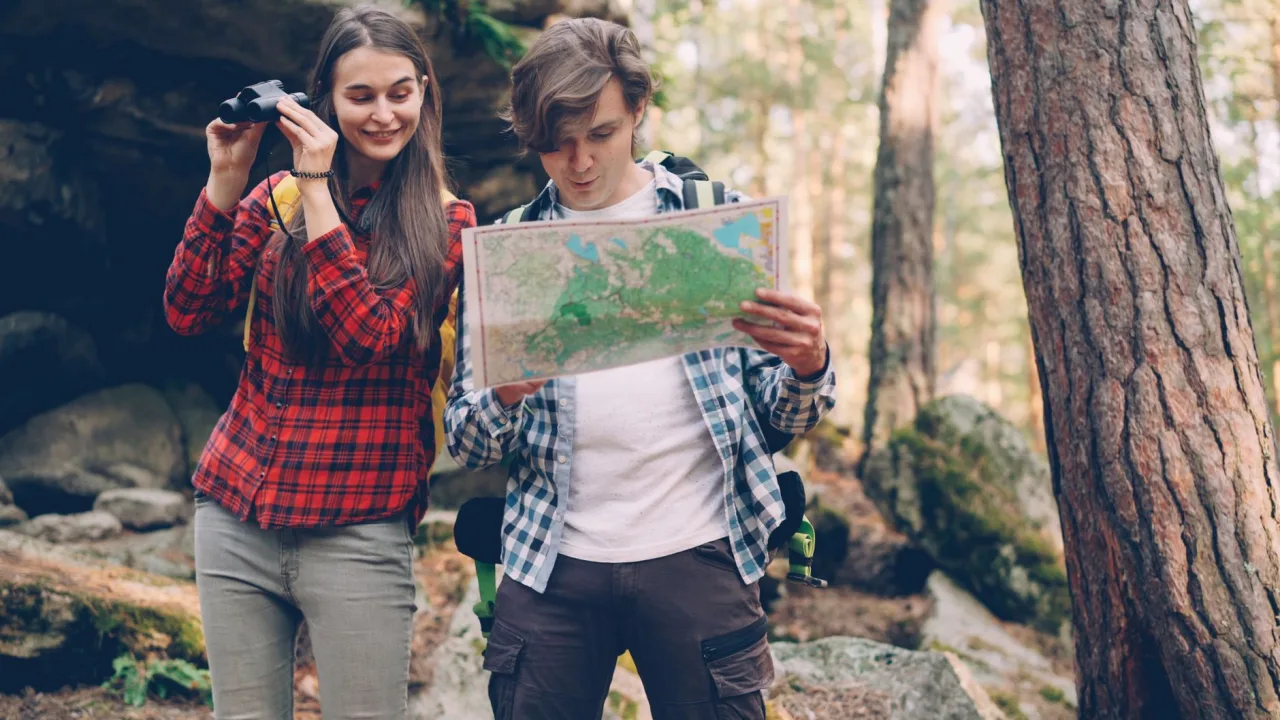
Searching for the "best camping places near me" is really a search for the right place for your trip, not a fixed leaderboard that suits everyone. This guide skips the fake rankings and instead shows you where to look, how to compare campsites like a pro, what to expect to pay, and how to book with confidence, so the spot you choose is genuinely the best one for you.
The short version
- The "best" camping place depends on your group, your gear and how far you will travel.
- Use official reservation systems and park sites to find real, bookable pitches near you.
- Compare on location, amenities, access, reviews and rules, not headline claims.
- Nightly fees vary widely by region and season, so confirm current rates before you book.
What "best camping places near me" really means
There is no single best campsite, only the best match for how you camp. A family towing a large tent wants flat, serviced pitches with toilets and a playground. A backpacker wants quiet, scenery and a short walk from the car park. A motorhome traveller needs hook-ups and hardstanding. So the first step is not to find a top-ten list, it is to describe your own trip honestly: who is coming, what you are sleeping in, and how far you are willing to drive.
Once you have that picture, "near me" becomes a practical filter rather than a vague hope. A great site an hour away often beats a mediocre one down the road, especially for a weekend, so decide your realistic travel radius before you start comparing.
Where to search for campsites near you
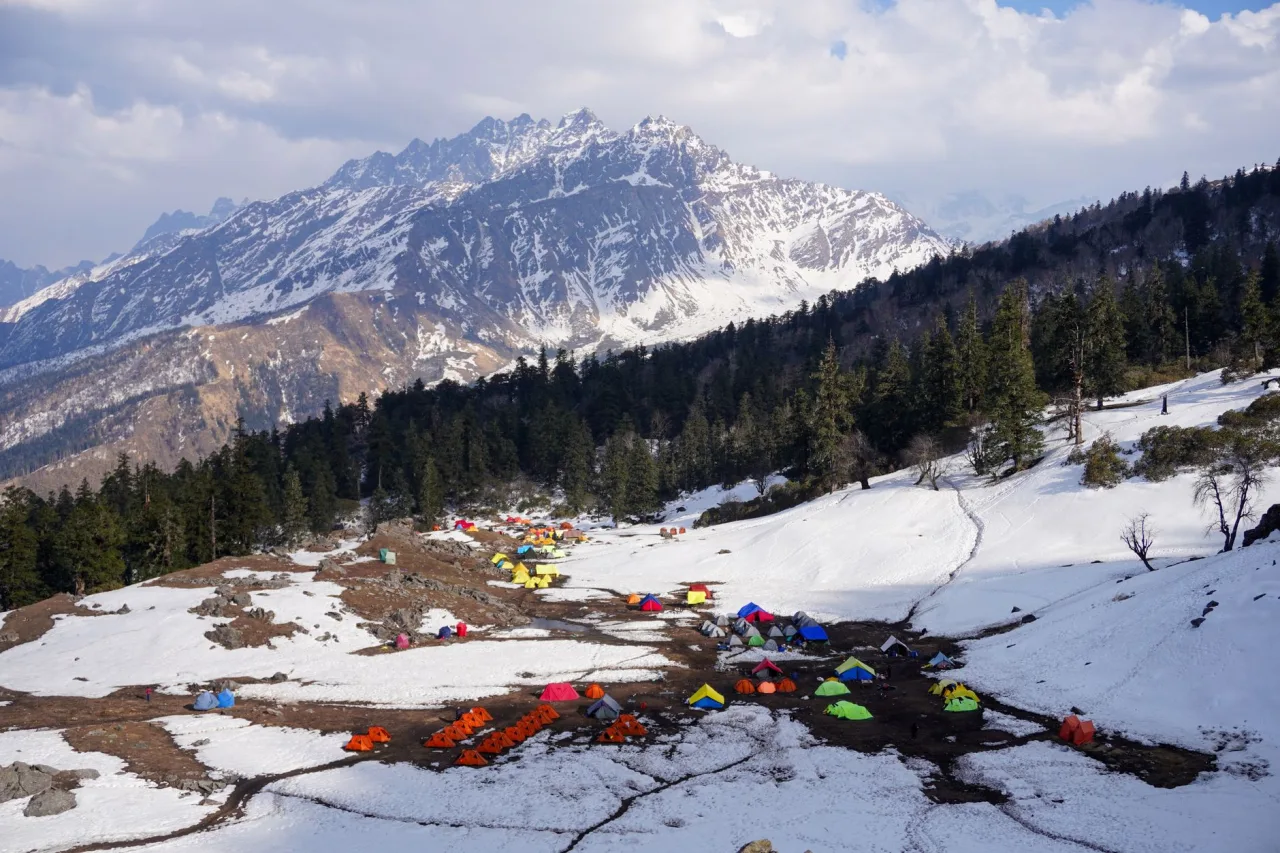
Skip the anonymous listicles and go straight to sources that show real, current availability. The most reliable places to search are official and well established:
- Federal and public-land booking: in the United States, Recreation.gov lists and reserves thousands of campsites and RV sites across national parks, forests and other federal land.
- National and state park websites: the National Park Service camping pages point you to park-specific campgrounds and their rules.
- Reputable campsite platforms: established booking sites let you filter by amenities, dates and location, then read verified guest reviews.
Our own walkthroughs help you narrow the field too. For a general starting point, see our guide to finding camping near you and our overview of how to compare campgrounds. If you prefer wilder, low-cost pitches, our guide to finding dispersed camping near you explains where free public-land camping is allowed.
How to judge a good camping place
Once you have a shortlist, compare each option against the criteria that actually shape your trip rather than the loudest marketing. The factors that matter most are:
- Location and setting: distance from home, and whether it is near the activities, water or scenery you came for.
- Access and pitch type: road quality, whether pitches are grass, gravel or hardstanding, and how level they are.
- Facilities: toilets, showers, drinking water, waste disposal and any hook-ups you need.
- Rules and suitability: policies on fires, dogs, noise, group size and vehicles.
- Recent reviews: patterns across many reviews, not a single glowing or angry one.
Reviews are most useful when you look for repeated themes. One complaint about a muddy pitch after heavy rain is weather, but a dozen comments about broken showers is a real warning. Weigh recent reviews more heavily, since sites change hands and standards drift over time.
Amenities checklist
- Flushing toilets and hot showers, or a plan for going without them.
- Drinking water on site, or how much you must carry in.
- Electric hook-up if you need power for a motorhome or medical device.
- Waste and grey-water disposal, especially for RVs and campervans.
- Phone signal or an emergency contact plan for the area.
What it costs
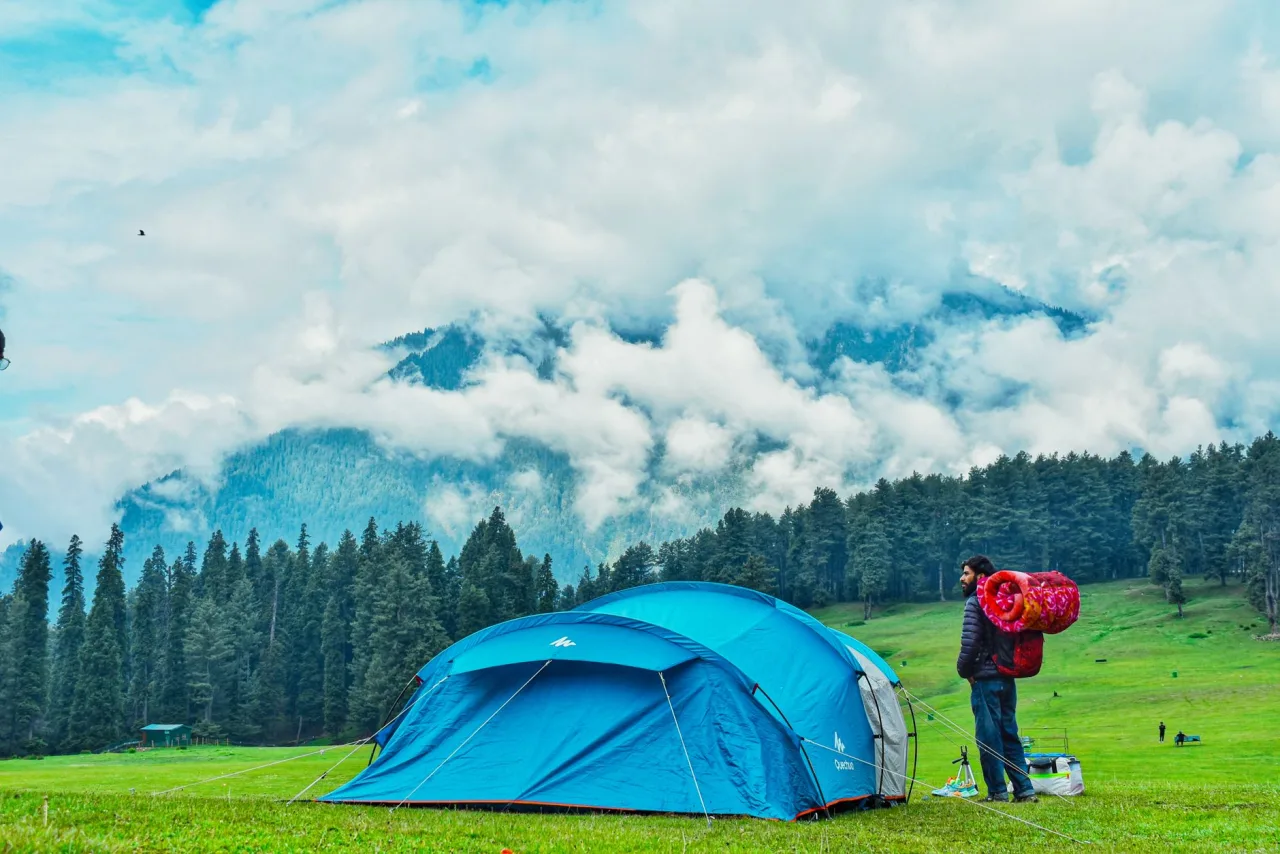
Camping fees swing widely, so treat all figures as ranges to confirm at the time of booking rather than fixed prices. Broadly, you can expect four tiers:
- Primitive and dispersed: often free or a small permit fee, with few or no facilities.
- Developed public campgrounds: a modest nightly fee for toilets, water and sometimes showers.
- Private parks and holiday sites: more per night for showers, shops, hook-ups and extras.
- Premium and resort sites: the highest nightly cost for pools, activities and full services.
Prices also climb in peak season, on weekends and around holidays. If your dates are flexible, midweek and shoulder-season stays are usually cheaper and quieter. Always check what the fee includes, since extras such as showers, firewood or an extra vehicle can add up.
Booking tips and timing
Popular campgrounds fill early, sometimes months ahead for peak dates, so book as soon as your plans are firm. Many public campgrounds release sites on a rolling window, so learning when a park opens bookings can be the difference between a prime pitch and none at all. Keep some first-come sites in mind as a backup, but arrive early because they can go by early afternoon on busy weekends.
Before you confirm, re-read the cancellation policy, the check-in and check-out times, and any rules that affect your group, such as quiet hours or pet limits. A five-minute read now avoids a nasty surprise on arrival. When you are choosing between several good options, our guide to picking the right area for camping helps you weigh setting against convenience, and our regional roundup of the best camping areas near you is a useful next step.
Camping responsibly close to home
Wherever you pitch, the same low-impact habits keep sites open and pleasant for the campers who follow you. Pack out everything you bring in, keep to marked pitches and paths, respect quiet hours, and follow the local rules on fires, which may be banned entirely in dry conditions. Store food properly where wildlife is a concern, and never run stoves or heaters inside a closed tent because of carbon monoxide.
These habits matter just as much at a busy holiday park as at a remote forest pitch. Leaving a site as clean as you found it, or cleaner, is the simplest way to protect the very places that make camping near home worth doing, and it keeps landowners and public agencies willing to welcome campers back.
Frequently asked questions
What is the best way to find camping places near me?
Start with official sources that show real availability, such as Recreation.gov for United States federal land and national or state park websites, then use reputable booking platforms to filter by location, dates and amenities. Decide your travel radius first, then compare shortlisted sites on setting, facilities, access, rules and recent reviews.
How do I compare campsites fairly?
Judge each option on location and setting, access and pitch type, facilities, rules and recent reviews rather than marketing claims. Look for repeated themes across many reviews instead of a single comment, and weight recent feedback more heavily, since ownership and standards can change over time.
How much does camping near me usually cost?
Fees range from free or a small permit for primitive and dispersed sites, to a modest nightly charge at developed public campgrounds, up to higher rates at private parks and resorts. Prices rise in peak season and on weekends, and all figures vary by region, so confirm current rates when you book.
How far ahead should I book a campsite?
Book as soon as your plans are firm, because popular campgrounds fill early and some release sites months ahead on a rolling window. Learning when a park opens reservations helps you secure a prime pitch. Keep first-come sites as a backup, but arrive early since they can fill by early afternoon on busy weekends.
Do I need to book or can I just turn up?
For popular sites and peak dates, booking ahead is strongly advised. Some public-land campgrounds keep first-come pitches, but they can go quickly on busy weekends. Booking gives peace of mind and guarantees facilities, which is especially reassuring for a first trip or when travelling a long way to reach a site.
More guides on Camping & Outdoors (General)
Have a question or a topic to suggest?
We read every message. Tell us what you would like to see next on the blog.
Get in touchYou may also like
Outdoor Adventure
Outdoor adventure covers everything from a first afternoon hike to a multi-day backcountry expedition, and the good news is that you can start almost anywhere.
Outdoor Adventure Center
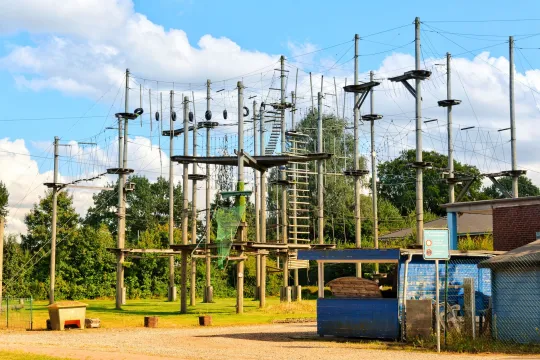
An outdoor adventure center is one of the easiest ways to try climbing, zip lines, kayaking or high ropes without buying gear or teaching yourself the ropes.
Area for Camping
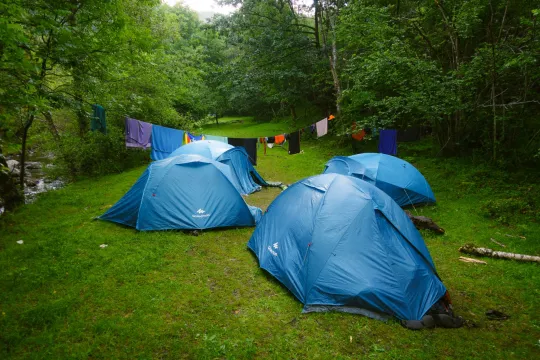
Choosing the right area for camping matters as much as the tent you pitch on it, because a sheltered, well-run spot can rescue a modest setup while a bad one can defeat the best gear.