Camping & Outdoors (General) · Camping & Outdoors (General)
Area for Camping
Choosing the right area for camping matters as much as the tent you pitch on it, because a sheltered
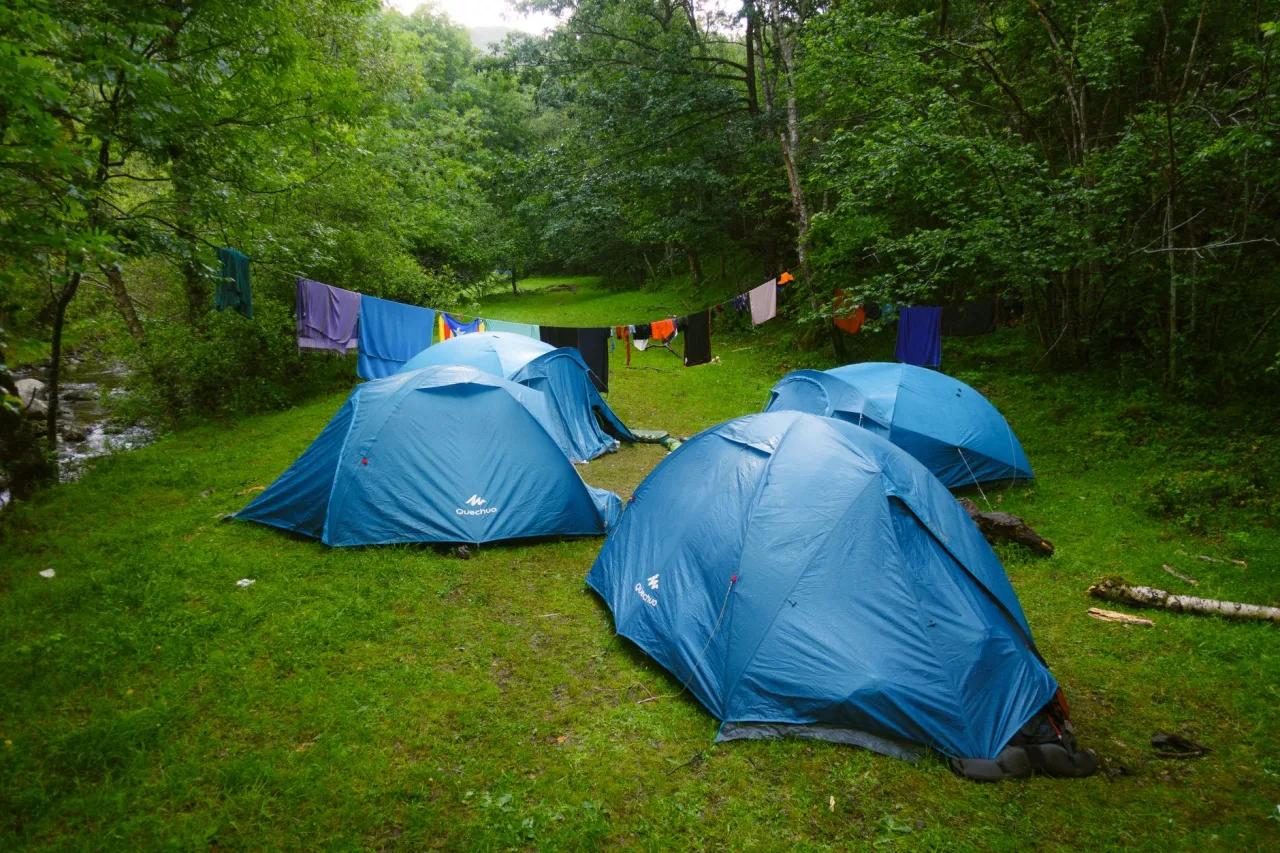
Choosing the right area for camping matters as much as the tent you pitch on it, because a sheltered, well-run spot can rescue a modest setup while a bad one can defeat the best gear. This complete guide explains the different types of camping areas, how to choose between them, and how to pick your exact pitch once you arrive, so every trip starts on the right ground.
The short version
- A camping area is where you are allowed to camp, from a developed campground to open public land.
- Match the area type to your comfort needs, gear and how remote you want to be.
- Within any area, a good pitch is flat, sheltered, well drained and away from hazards.
- Rules, permits and costs differ sharply by area type, so check before you go.
What "area for camping" means
An area for camping is simply any place where staying overnight outdoors is permitted, whether that is a marked pitch at a serviced campground, a numbered site in a national park, or a stretch of open public land where dispersed camping is allowed. The term spans a huge range of comfort and cost, which is exactly why choosing well is the first real decision of any trip.
Getting the area right shapes everything that follows. It decides your access to water and toilets, how sheltered you are from wind and rain, how quiet your night is, and whether help is close at hand. That is why experienced campers spend as much time choosing where to camp as what to bring, a theme we return to throughout our complete guide to camping.
Types of camping areas
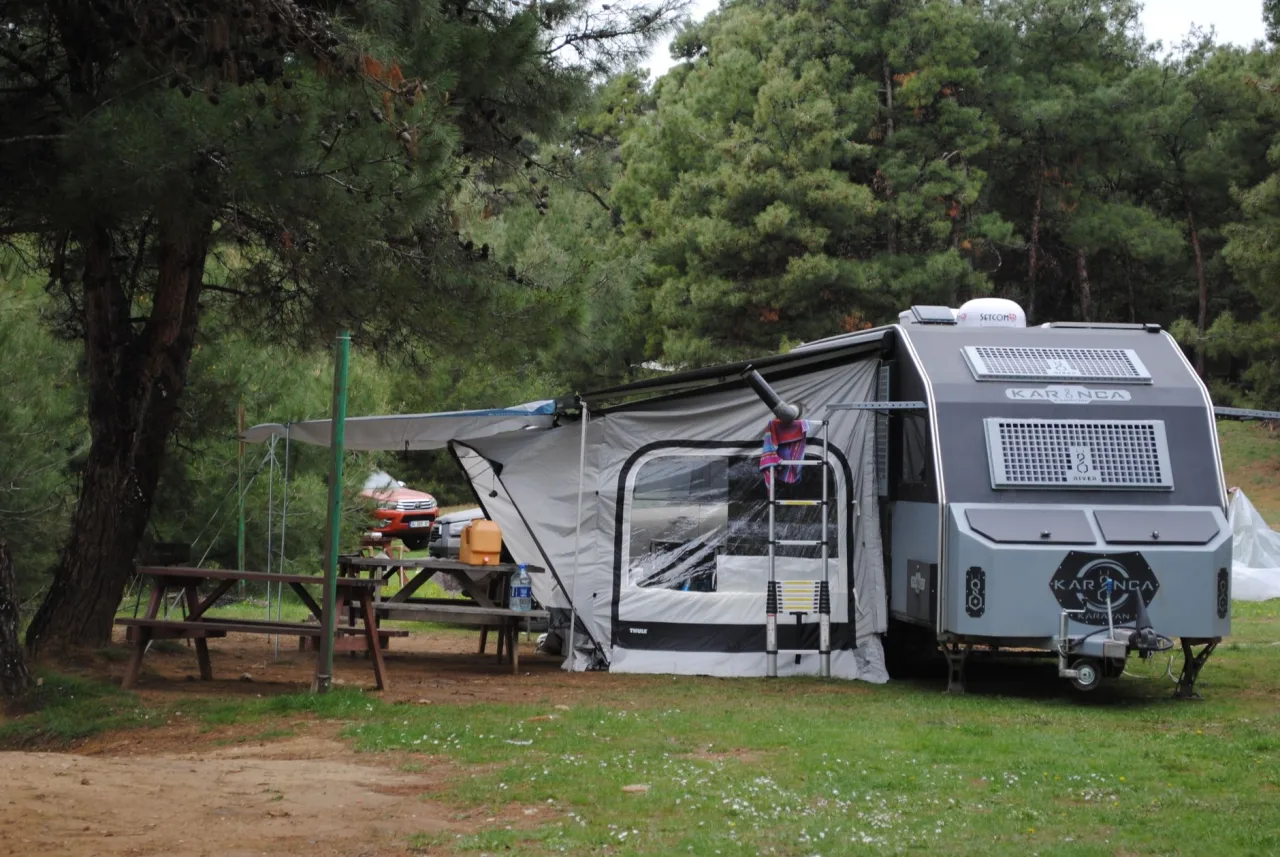
Camping areas fall into a few broad categories, each with a different balance of comfort, cost and solitude. Knowing them makes it far easier to pick the right one for your trip:
- Developed campgrounds: marked pitches with toilets, water and often showers, the easiest option for beginners and families.
- Primitive public campgrounds: basic designated sites with few facilities, cheaper and quieter than developed ones.
- Dispersed and wild camping: camping on open public land outside formal campgrounds, usually free but with no facilities at all.
- Backcountry sites: remote pitches reached on foot, prized for scenery and solitude, often needing a permit.
- Private parks and holiday sites: full-service pitches with shops, pools and hook-ups, at the higher end of the cost scale.
Public land agencies manage many of these areas, and their guidance is the best starting point. The National Park Service camping pages explain how developed and backcountry camping work in United States parks, while our guide to national park campgrounds and our overview of comparing campgrounds help you weigh specific options.
How to choose a good camping area
The best area is the one that matches your trip, so start by describing the trip honestly: who is coming, what you are sleeping in, how far you will travel, and how much comfort you need. From there, weigh each candidate area against a short set of practical criteria:
- Facilities you need: toilets, drinking water, showers and any hook-ups, versus what you can comfortably go without.
- Access: road quality, distance from parking to pitch, and whether your vehicle or trailer can reach it.
- Setting and shelter: proximity to water, trails or scenery, and natural protection from wind and sun.
- Rules and suitability: policies on fires, dogs, group size and noise, which vary widely by area.
- Safety and support: phone signal, how remote you are, and how quickly help could reach you.
Beginners are almost always better served by a developed area with facilities and staff on hand, saving wilder, dispersed areas for once they have some experience. If you are still weighing options, our guide to finding the best camping places near you walks through comparing real, bookable sites step by step.
Choosing your exact pitch within an area
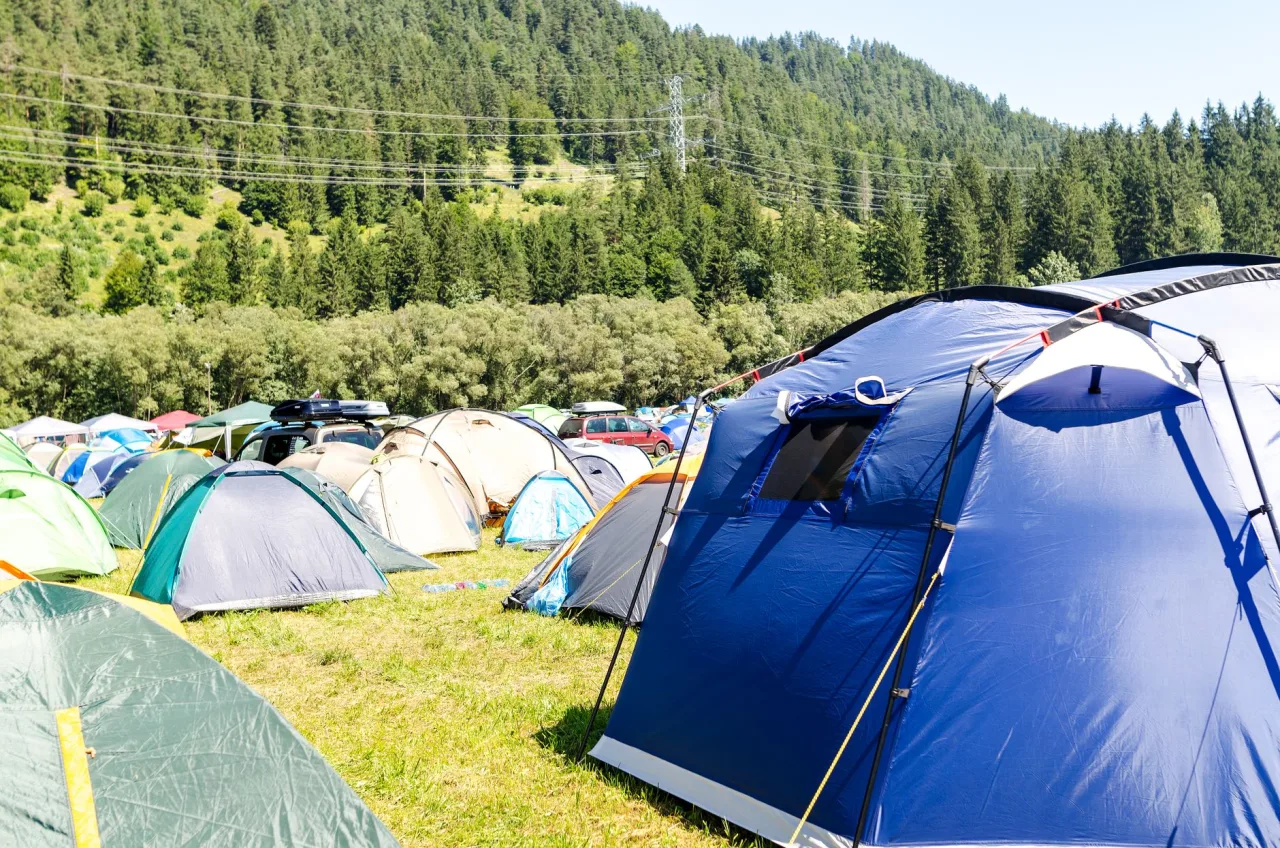
Once you reach a camping area, the specific spot you choose can make or break the night. A few minutes of scouting pays off handsomely. Look for ground that is level, well drained and naturally sheltered, and avoid the traps that catch out newcomers.
- Go flat: a gentle slope means a poor night's sleep and a tent that sags; find the most level ground you can.
- Think about water: avoid dips and hollows where rain will pool, and never pitch in a dry stream bed.
- Use natural shelter: a hedge, bank or tree line can break the wind, but keep clear of dead branches overhead.
- Mind the sun: a little morning sun dries dew fast, while full afternoon sun turns a tent into an oven.
- Respect spacing: leave a courteous gap from neighbours, and keep away from toilets and busy paths.
Warning: Never pitch in a dry riverbed or the bottom of a narrow valley, however inviting the flat ground looks. Flash floods can turn these areas dangerous within minutes during heavy rain, even when the storm is falling miles upstream.
Rules, permits and costs by area type
Every camping area comes with its own rules, and ignoring them can mean fines or a ruined trip. Developed campgrounds have posted rules on quiet hours, fires and vehicles. Dispersed camping on public land is often allowed only in certain zones, for a limited number of nights, and away from roads and water. Backcountry sites frequently require a permit booked in advance, partly to protect fragile areas from overuse.
Costs track the level of service closely. Dispersed and primitive areas are often free or carry a small permit fee, developed public campgrounds charge a modest nightly rate, and private parks cost more for their extra facilities. Treat all figures as ranges that vary by region and season, and confirm current rates and any booking requirements before you travel. Our guide to finding dispersed camping near you explains where free public-land camping is permitted and how its rules differ.
Leaving your camping area as you found it
Whatever area you choose, the same low-impact habits keep it open and pleasant for everyone. Pack out all your rubbish, use established pitches and paths, follow the local fire policy, which may forbid open flames entirely in dry weather, and store food properly where wildlife is a concern. Respect quiet hours and keep a courteous distance from other campers.
These principles matter most in wild and dispersed areas, where there are no staff to tidy up and fragile ground recovers slowly. Leaving a spot cleaner than you found it is the surest way to keep landowners and public agencies willing to allow camping, and it protects the very landscapes that draw us outdoors. Pairing a well-chosen area with a broader plan, such as the activities in our outdoor adventure guide, turns a good pitch into a great trip.
Frequently asked questions
What is the best type of camping area for beginners?
A developed campground is usually best for beginners, because it offers marked pitches, toilets, drinking water and often showers, plus staff on hand if something goes wrong. This lets you focus on learning the basics of camping without the added challenge of managing a remote, facility-free area on your first trips.
How do I choose a good spot within a camping area?
Look for ground that is level, well drained and naturally sheltered from wind. Avoid dips and hollows where rain pools, never pitch in a dry riverbed, and keep clear of dead branches overhead. A little morning sun helps dry dew, and leaving a courteous gap from neighbours makes for a calmer stay.
Can I camp anywhere on public land?
Not always. Dispersed camping on public land is often permitted only in certain zones, for a limited number of nights, and away from roads and water, while backcountry sites may need a permit. Developed campgrounds have their own posted rules. Always check the specific area's regulations before you go.
How much do different camping areas cost?
Dispersed and primitive areas are often free or carry a small permit fee, developed public campgrounds charge a modest nightly rate, and private parks cost more for extra facilities. All figures are ranges that vary by region and season, so confirm current rates and any booking requirements before you travel.
Why does choosing the right camping area matter so much?
The area decides your access to water and toilets, your shelter from weather, how quiet your night is, and how close help is. A sheltered, well-run area can make a modest setup comfortable, while an exposed or poorly chosen one can spoil even the best gear, which is why the choice deserves real thought.
More guides on Camping & Outdoors (General)
Have a question or a topic to suggest?
We read every message. Tell us what you would like to see next on the blog.
Get in touchYou may also like
Outdoor Adventure
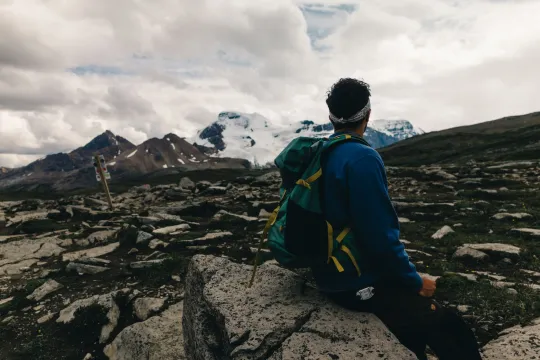
Outdoor adventure covers everything from a first afternoon hike to a multi-day backcountry expedition, and the good news is that you can start almost anywhere.
Best Camping Places Near Me: Find
Searching for the "best camping places near me" is really a search for the right place for your trip, not a fixed leaderboard that suits everyone.
Outdoor Adventure Center
An outdoor adventure center is one of the easiest ways to try climbing, zip lines, kayaking or high ropes without buying gear or teaching yourself the ropes.