Camping & Outdoors (General) · Camping & Outdoors (General)
Outdoor Adventure Center
An outdoor adventure center is one of the easiest ways to try climbing, zip lines
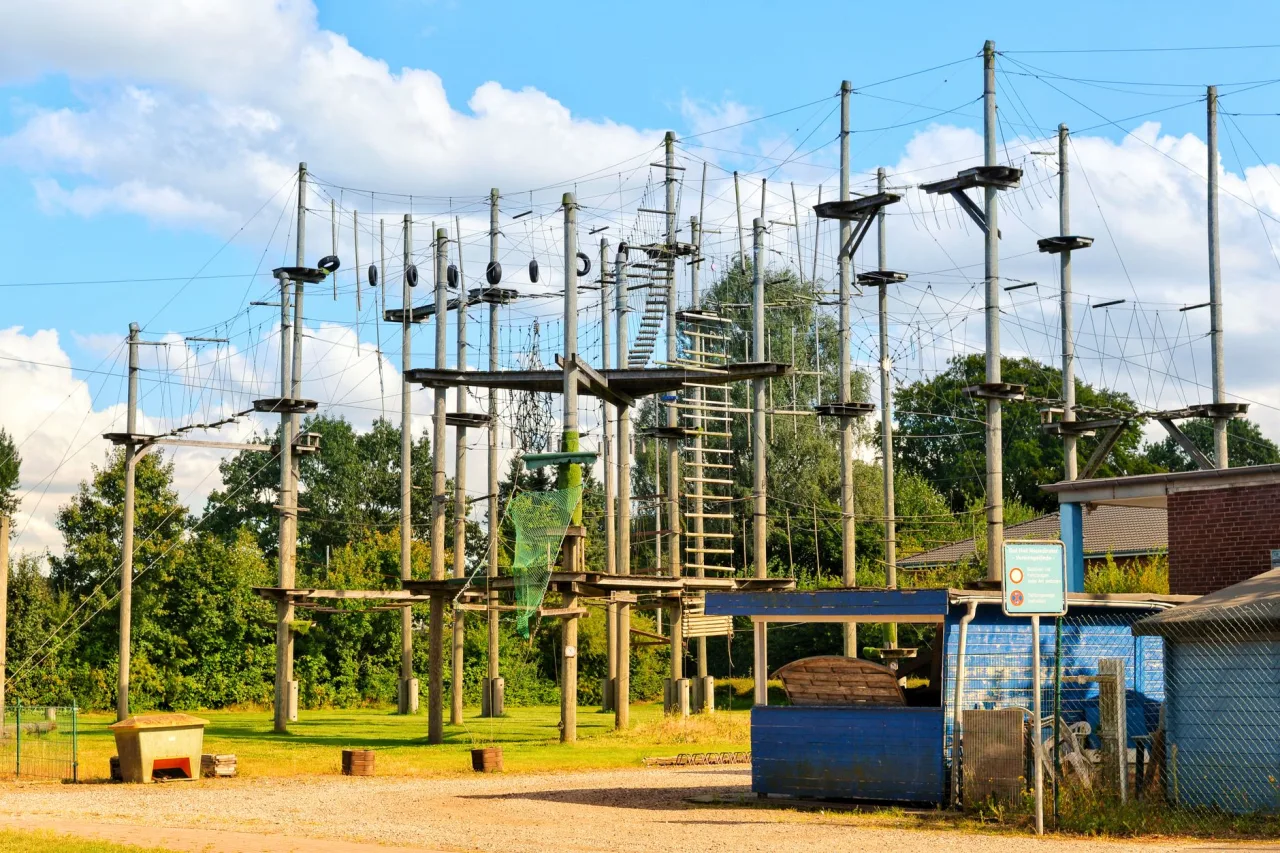
An outdoor adventure center is one of the easiest ways to try climbing, zip lines, kayaking or high ropes without buying gear or teaching yourself the ropes. This complete guide explains what these centers are, the activities you will typically find, how to choose a good one, and what to expect on the day, so you can book with confidence and know exactly what you are paying for.
The short version
- An outdoor adventure center offers guided activities with equipment and instruction included.
- They suit beginners, families, groups and schools who want a safe, supervised taster.
- Choose one on qualifications, safety record, activity range and honest reviews.
- Prices vary by activity, duration and group size, so confirm what is included before booking.
What an outdoor adventure center is
An outdoor adventure center is a managed venue that provides supervised outdoor activities, usually with equipment, safety gear and trained instructors all included in the price. Rather than expecting you to own a kayak or know how to belay a climber, the center supplies the kit and the know-how, so you can simply turn up and take part. That makes it a natural first step into the wider world of outdoor adventure.
These centers sit within the broader field of outdoor recreation, which covers activity done in natural settings for exercise and wellbeing. What sets a center apart is the structure: instead of planning and risk-managing an adventure yourself, you hand that responsibility to professionals whose job is to keep the experience both safe and genuinely fun.
Typical activities you will find
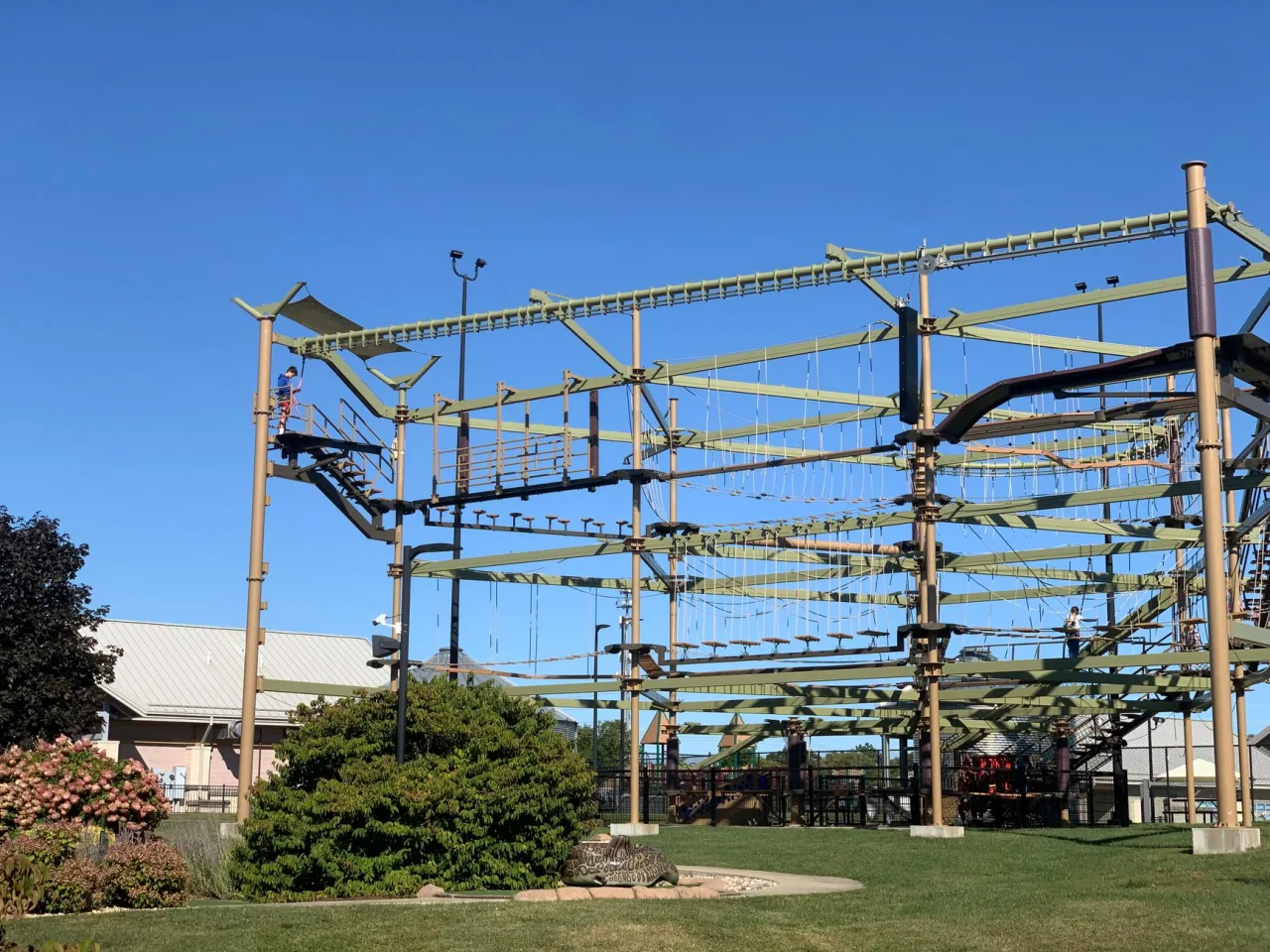
No two centers are identical, and offerings depend on the landscape and facilities. That said, a well-equipped center often includes a recognisable core of activities:
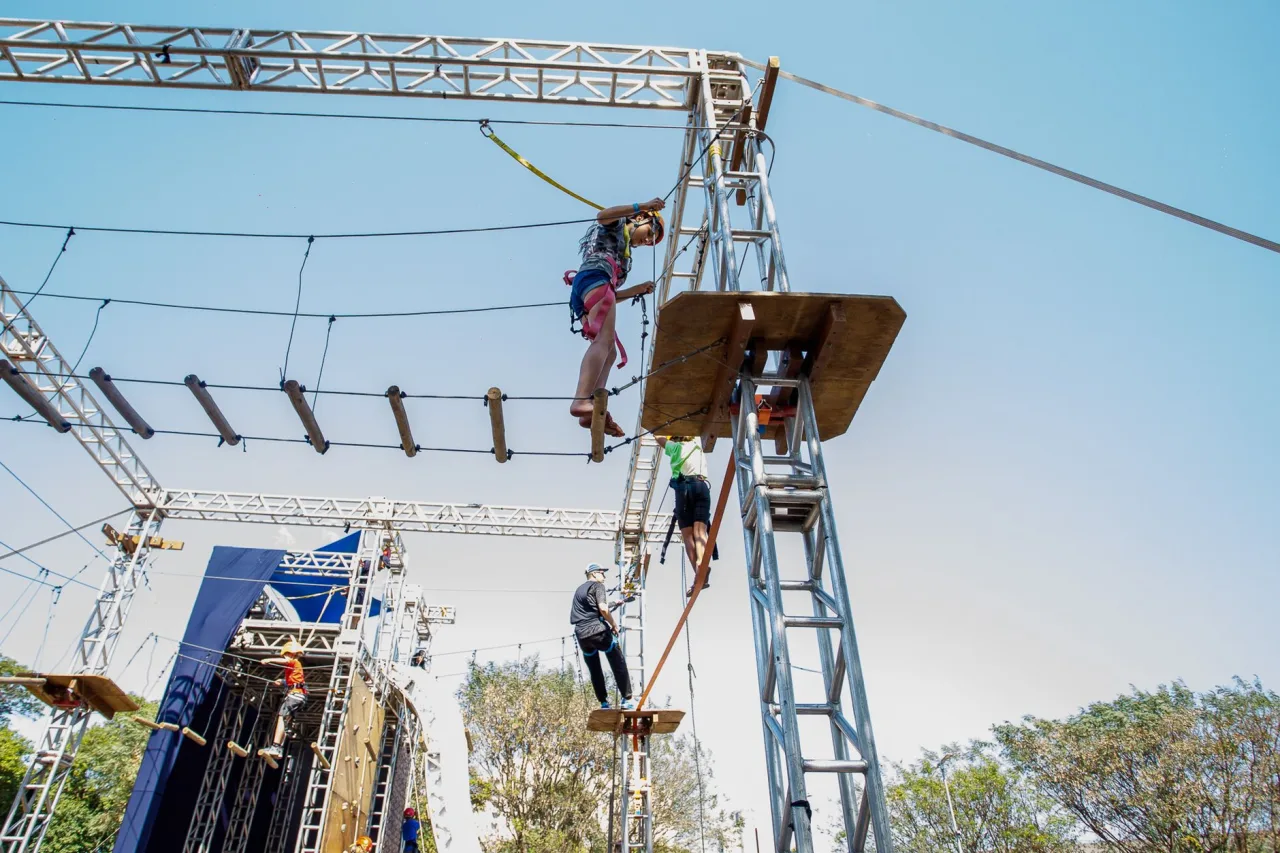
- High ropes and zip lines: elevated courses and cables that deliver a thrill with a harness and safety system.
- Climbing and bouldering: natural crags or built walls, with instruction on technique and safety.
- Water activities: kayaking, canoeing, paddleboarding or rafting on nearby lakes or rivers.
- Team and problem-solving challenges: low ropes, orienteering and group tasks popular with schools and companies.
- Archery and target sports: lower-intensity options that suit mixed-ability groups.
Many centers bundle several of these into a half-day or full-day package. If one activity catches your eye, it is worth reading up on it first: our complete guide to ziplining explains what to expect from the most popular high-adrenaline option before you book.
Who outdoor adventure centers suit
The great strength of a center is how many different people it serves well. Because instruction and equipment are provided and activities are graded by difficulty, the same venue can challenge a confident teenager and reassure a nervous first-timer on the same afternoon.
- Complete beginners: a low-commitment way to try an activity before buying gear or booking a course.
- Families: graded activities let different ages and abilities take part together safely.
- Schools and youth groups: structured, supervised sessions that build teamwork and confidence.
- Companies and clubs: team-building days with catering and meeting space at some larger centers.
- Stag, hen and celebration groups: a shared thrill that most people can join regardless of fitness.
Because the risk is professionally managed, a center is often the right recommendation for anyone who wants the excitement of an adventure without yet having the skills or equipment to run one independently.
Tip: Ask about minimum ages, weight limits and any health restrictions before you book. Activities like high ropes and zip lines often have firm limits for safety reasons, and checking early avoids disappointment on the day for part of your group.
How to choose a good center
Centers vary in quality, so compare them on substance rather than slick photography. The factors that matter most are safety, staff and suitability for your group:
- Qualifications and licensing: look for instructors with recognised industry qualifications and any national licensing your country requires for adventure activities.
- Safety record and equipment: well-maintained gear, clear safety briefings and sensible group sizes.
- Activity range and grading: a spread of activities and difficulty levels so everyone in your group is catered for.
- Honest reviews: patterns across many recent reviews, especially comments on staff, safety and value.
- Clear pricing: transparent packages that state exactly what is included, with no vague extras.
Do not be shy about phoning ahead with questions. A good center will happily explain its qualifications, ratios and safety procedures, and how it answers is itself a useful signal. Vague or evasive responses are a reason to look elsewhere.
What to expect on the day
Arrive a little early, wear clothes and footwear you do not mind getting dirty or wet, and bring a change of clothes for water activities. The center will usually provide any specialist equipment, from harnesses and helmets to buoyancy aids, along with a safety briefing before each activity. Listen carefully to that briefing, because it is the single biggest factor in staying safe and getting the most from the session.
Sessions are typically led by an instructor who sets the pace, encourages nervous participants and steps back as your confidence grows. You are always free to sit out an activity that feels beyond you, and a good instructor will never pressure you. Bring water, sun protection and any personal medication, and check in advance whether food is provided or whether you should pack your own.
What it costs and combining it with a trip
Prices depend on the activity, the length of the session and your group size, so treat any figure as a range to confirm when booking. A single taster activity is usually the cheapest option, half and full-day multi-activity packages cost more but offer better value per activity, and private or bespoke group days sit at the top of the range. Always check whether equipment, instruction and any food are included, since that is where quoted prices really differ.
An adventure center pairs beautifully with a night or two outdoors, turning a day trip into a proper weekend. Many centers sit near campsites, so you can combine your session with a stay nearby. Our guide to choosing an area for camping helps you find a base close to the action, and if you would rather not rough it, our glamping guide covers comfortable stays that work well after an active day.
Frequently asked questions
What is an outdoor adventure center?
It is a managed venue offering supervised outdoor activities such as climbing, zip lines, high ropes and kayaking, with equipment, safety gear and trained instructors included in the price. Rather than planning and risk-managing an adventure yourself, you turn up and take part under professional guidance, which makes it ideal for beginners.
Do I need my own equipment or experience?
No. Centers provide the specialist equipment and instruction, so no prior experience is needed. You usually just bring suitable clothing, footwear you do not mind getting dirty, and a change of clothes for water activities. Instructors give a safety briefing before each activity and grade sessions to suit different abilities.
Are outdoor adventure centers suitable for children and families?
Yes, many are designed for families and youth groups, with activities graded by difficulty so different ages and abilities can take part together. Check minimum ages, weight limits and any health restrictions before booking, since activities like high ropes and zip lines often have firm safety limits.
How do I choose a good adventure center?
Compare centers on instructor qualifications and licensing, safety record and equipment, the range and grading of activities, honest recent reviews, and clear pricing that states what is included. Phoning ahead with questions is worthwhile, because a reputable center will explain its safety procedures openly rather than being vague.
How much does a visit cost?
It varies by activity, session length and group size, so treat quotes as ranges. A single taster is usually cheapest, half and full-day multi-activity packages offer better value per activity, and private group days cost the most. Always confirm whether equipment, instruction and food are included when comparing prices.
More guides on Camping & Outdoors (General)
Have a question or a topic to suggest?
We read every message. Tell us what you would like to see next on the blog.
Get in touchYou may also like
Outdoor Adventure
Outdoor adventure covers everything from a first afternoon hike to a multi-day backcountry expedition, and the good news is that you can start almost anywhere.

Best Camping Places Near Me: Find
Searching for the "best camping places near me" is really a search for the right place for your trip, not a fixed leaderboard that suits everyone.
Area for Camping
Choosing the right area for camping matters as much as the tent you pitch on it, because a sheltered, well-run spot can rescue a modest setup while a bad one can defeat the best gear.