Campgrounds & Campsites
Family Friendly Campsites: Find and Compare
A "family friendly" label on a campsite means very little on its own. What actually makes a trip smooth with kids is a specific set of features
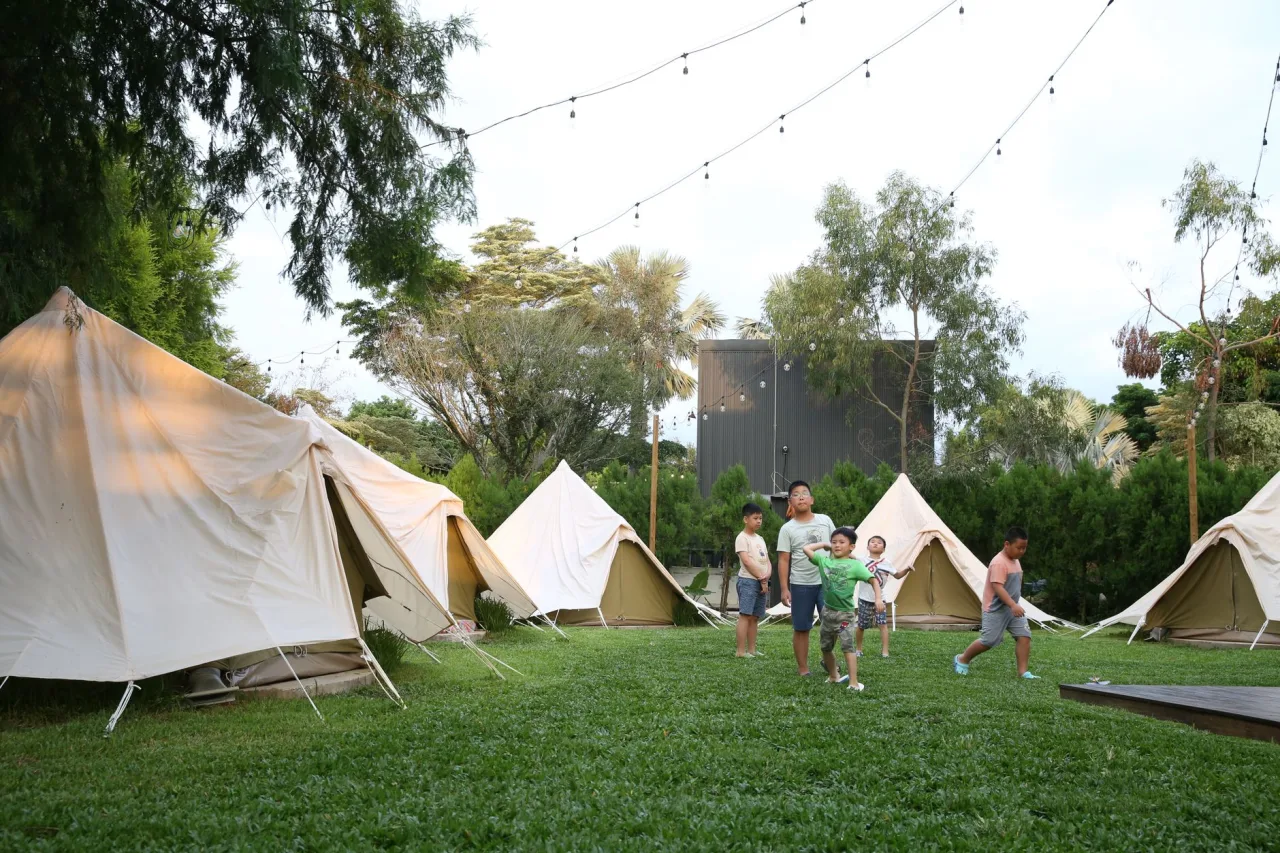
A "family friendly" label on a campsite means very little on its own. What actually makes a trip smooth with kids is a specific set of features, safety details, and rules that you can check in advance. This guide shows you how to find, compare, and choose a campsite that genuinely works for your family, without relying on marketing badges or made-up rankings.
The short version
- "Family friendly" is not a standard. Decide which features your family needs, then check each campsite against that list.
- The features that matter most are safe, level pitches, clean toilets and showers, a safe play area, and proximity to water without unfenced hazards.
- Prices vary by season and location. Peak school holidays cost the most and book out first, so plan early or travel off-peak.
- Read recent reviews, confirm the rules that affect your group, and always keep your booking confirmation.
Decide what "family friendly" means for you
A family with a toddler needs different things from a family with three energetic ten-year-olds. Before you compare sites, write down your non-negotiables. Common ones include a fenced or traffic-free play area, toilets close to your pitch, hot showers, a shallow safe swimming or paddling option, and space for kids to run without disturbing other campers.
Once you know your list, a campsite either has those things or it does not. This turns a vague search into a clear checklist and protects you from booking somewhere that photographs well but frustrates everyone by day two.
The features that make camping easier with children
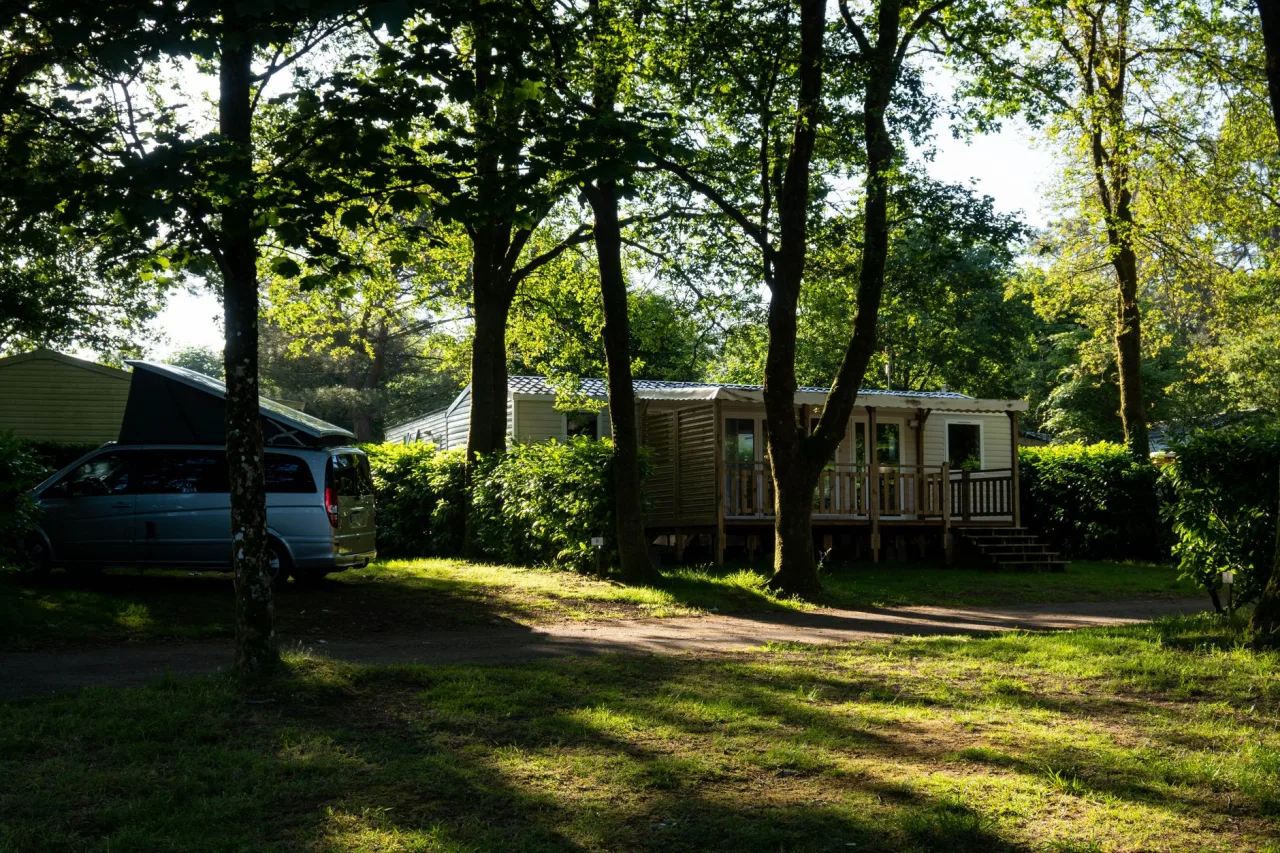
Across most families, a handful of features do the heavy lifting:
- Level, spacious pitches: Room for a family tent plus space to move, and flat ground so nobody rolls to one side of the tent overnight.
- Clean, close facilities: A short, safe walk to toilets and showers matters enormously with young children, especially at night.
- A safe play area: A playground or open field set away from car traffic keeps kids occupied and lets you relax.
- Water with sensible safety: A lake, pool, or stream is a highlight, but check for supervision rules, depth, and whether hazards are fenced.
- Practical extras: An on-site shop, laundry, and Wi-Fi can save a trip when you forget an essential or need a rainy-day backup.
Safety checks that are worth your time
Fun matters, but a few safety checks prevent the trip going wrong. Ask about or look for the following before you book:
- How traffic is managed on site, and whether there is a speed limit or a car-free zone near pitches.
- Whether any water features are supervised or fenced, and what the site's rules are for children near them.
- Fire and barbecue policy, since open fires and hot equipment are a real risk with small children around.
- Lighting on paths to the toilet block for night trips.
Warning: read the water rules before you promise a swim
Children remember a promised swim. Confirm that any pool or lake is open for your dates and check the supervision rules, so you are not managing disappointment or an unsafe situation on arrival.
How to compare campsites objectively
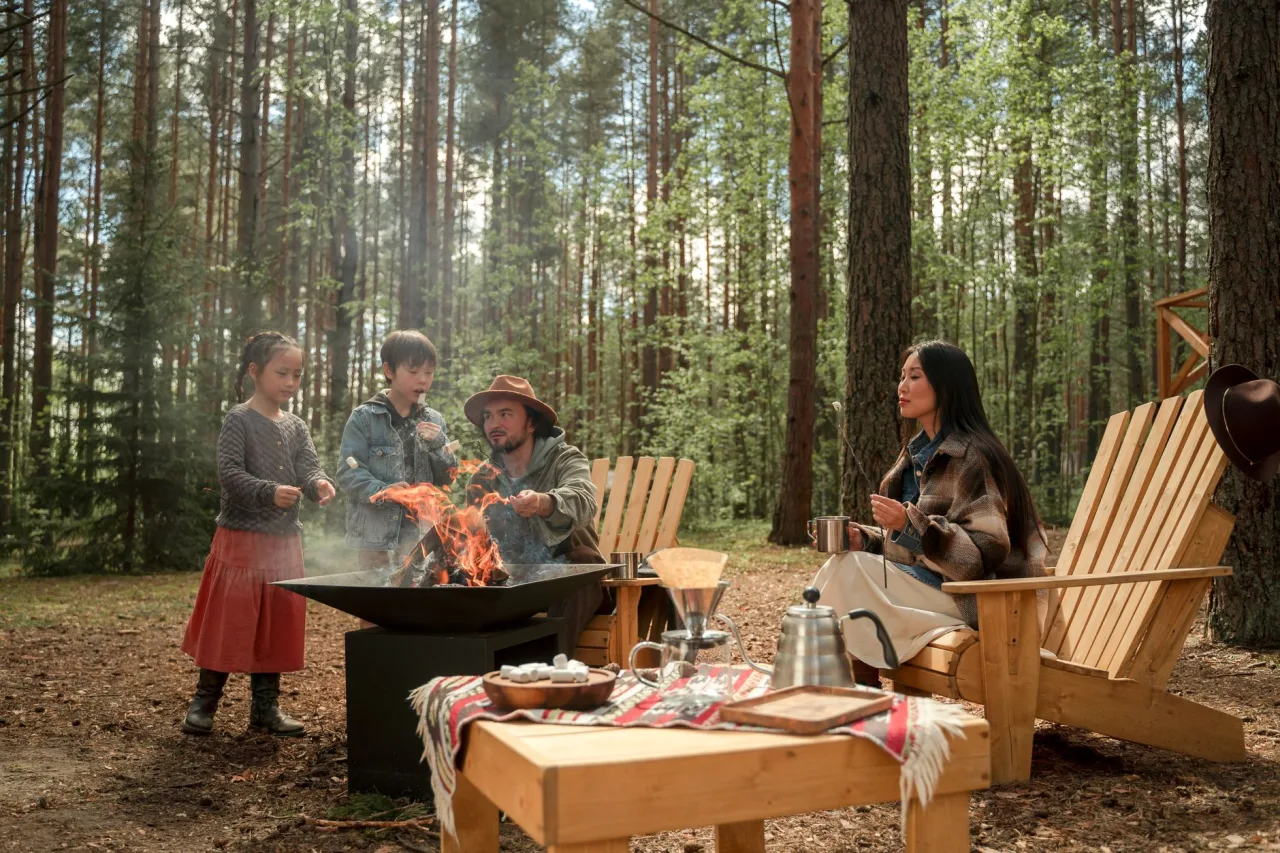
When several sites look similar, score each one out of five on your key criteria and compare the totals. This stops a single attractive photo or a persuasive tagline from swaying the decision.
- List your must-have features down one side.
- Give each campsite a score for how well it delivers each feature.
- Note the total price for your exact dates, including any booking fee.
- Compare totals and value, then read the newest reviews on your top two.
For federal and public campgrounds in the United States, the official Recreation.gov platform lets you filter by amenities and book across the National Park Service, Forest Service, and other agencies, which is a reliable way to see what a site genuinely offers.
Understanding family campsite pricing
Prices vary widely by country, location, season, and pitch type, so treat any figure as a range to confirm rather than a fixed rate. Basic tent pitches are the cheapest, hardstanding and electric hook-up cost more, and cabins, lodges, or glamping units cost several times a basic pitch. School holidays carry the highest prices and sell out first.
To manage cost, look at shoulder season and midweek stays, and weigh the value of extras. A slightly pricier site with a good playground, a pool, and clean facilities can be better value for a family than a cheap field with nothing to do when it rains.
Gear that makes family camping smoother
The right kit reduces stress more than any single campsite feature. A roomy tent with separate sleeping areas gives everyone space, and a reliable lantern makes night trips to the toilet less daunting for young children. Our guide to the best family tents explains how to size a tent for your group, and if you prefer walls and a roof, cabin camping can be a gentler introduction for first-timers.
Pack a rainy-day plan too. Cards, books, and a nearby indoor attraction turn a wet afternoon from a disaster into a memory.
Booking safely and setting expectations
Once you have chosen, protect the trip with a few simple habits. Book directly with the site or through a platform you recognise, and keep the confirmation. Read the cancellation policy in case a child gets sick. Confirm anything specific your family needs, such as an accessible pitch or a cot, in writing. Finally, set expectations with the kids by showing them photos and the site map before you go, so the reality matches their imagination.
If your first choice is full, widen the net. Our camping near me guide helps you search efficiently, and for larger public sites with plenty of space to roam, our overview of national park campgrounds is a good next step. If you are drawn to a coastal trip, this look at a clifftop Dorset park shows the same method applied to a sea-view holiday.
Frequently asked questions
What makes a campsite family friendly?
There is no official standard, so it comes down to specific features: level and spacious pitches, clean toilets and showers close to your pitch, a safe play area away from traffic, sensible water safety, and useful extras like a shop or laundry. Decide which of these your family needs and check each site against that list.
How do I compare family campsites fairly?
List your must-have features, score each campsite out of five on how well it delivers them, note the total price for your exact dates, then compare totals and read the newest reviews on your top choices. This keeps a single attractive photo from swaying the decision.
How much do family campsites cost?
Prices vary by country, location, season, and pitch type. Basic tent pitches are cheapest, hardstanding and hook-up cost more, and cabins or glamping cost several times a basic pitch. School holidays are the most expensive and sell out first, so confirm the final figure when you book.
What safety checks should I make before booking?
Check how traffic is managed near pitches, whether water features are fenced or supervised, the fire and barbecue policy, and whether paths to the toilet block are lit at night. Confirm the rules that affect your group directly with the site.
What should I do if my preferred site is fully booked?
Widen your search to nearby sites and apply the same feature checklist and scoring. Shoulder season and midweek stays are easier to book and usually cheaper than peak school holidays, so flexibility on dates helps a lot.
More guides on Campgrounds & Campsites
Have a question or a topic to suggest?
We read every message. Tell us what you would like to see next on the blog.
Get in touchYou may also like
Highlands End Campsite: Find and Compare
Searching for "Highlands End campsite" usually means you want a clifftop pitch in West Dorset with a sea view and easy access to the Jurassic Coast. This guide is not a fake booking directory.
Cb Smith Campground: Find and Compare
If you are searching for "CB Smith campground," you probably want to camp close to the Fort Lauderdale and Miami area without driving hours to a remote forest. This guide explains what C.B.

Dispersed Camping Near Me: Find and Compare
"Dispersed camping near me" is a search for free, primitive camping outside official campgrounds, usually on public land. This guide explains what dispersed camping really is, how to find legal spots near