Tents & Camping Gear
Best 2 Person Tent in 2026
A 2 person tent is the most versatile shelter you can own, small enough to carry and pitch alone
A 2 person tent is the most versatile shelter you can own, small enough to carry and pitch alone, big enough for a couple or a solo camper who likes room to spread out. This is not a fake leaderboard of secret "number one" tents. It is an honest buyer's guide to the specs that matter, the trade-offs between backpacking and camping designs, and what each budget tier realistically buys.
The short version
- A "2 person" rating means two sleeping mats side by side with little spare room. For comfort plus gear, many solo campers size up to a two-person model.
- The big fork is backpacking versus car camping: one prizes low weight, the other prizes space and headroom.
- Judge tents on waterproof rating, poles, ventilation and a genuine three-season build, not just the headline price.
- Prices vary widely by brand, materials and season, so treat the tiers here as rough ranges and confirm current prices when you buy.
What "2 person" really means
Tent capacity ratings describe how many standard sleeping mats fit shoulder to shoulder on the floor, with almost no extra space. A two-person tent, therefore, sleeps two adults snugly, with gear stored in the porch or vestibule rather than beside you. This is the single most misunderstood spec, and it explains why so many campers feel cramped in a tent that technically fits them.
If you value elbow room, plan to keep bags inside, or camp with a restless partner or a dog, treat the two-person rating as comfortable for one and cosy for two. Solo campers who want space often choose exactly this size, gaining a roomy retreat that is still light enough to carry. Couples who like to sprawl sometimes step up to a three-person tent for the same reason.
Backpacking versus car-camping two-person tents
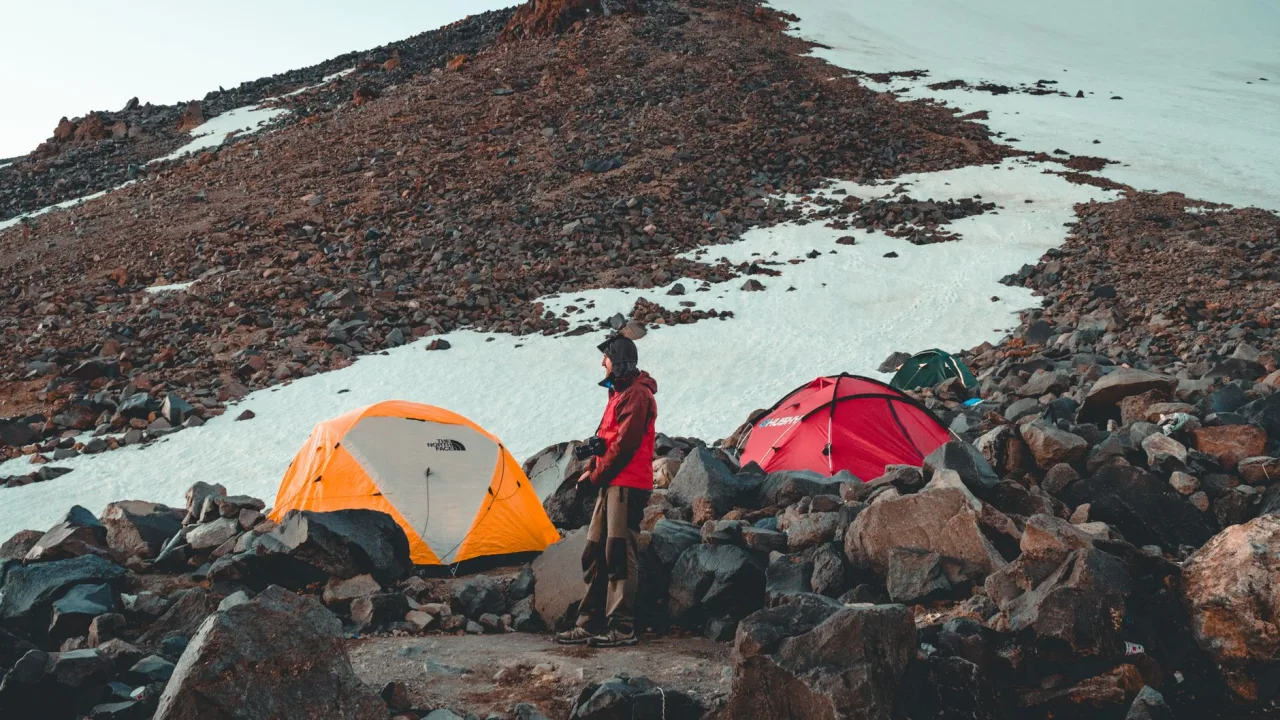
Two tents can both say "2 person" and be built for completely different trips. Knowing which you need prevents both overpaying and overpacking.
- Backpacking tents chase low weight and small packed size. They use thin, strong fabrics, minimal poles and a lower profile to shed wind. You trade interior space and headroom for the ability to carry them for miles.
- Car-camping tents assume you drive to the pitch, so they add height you can sit up in, larger porches, thicker fabrics and easier pitching. They weigh more and pack bigger, which does not matter when the car does the carrying.
Be honest about how you will actually use it. A heavy, palatial tent is miserable on a hiking trip, while an ultralight shelter feels cramped and fragile at a festival. If you carry your kit any distance, weight should lead your decision, much as it does when choosing a sleeping bag.
Tip: Look at the vestibule or porch as closely as the sleeping area. A generous porch lets you store packs, boots and a stove out of the rain, effectively adding a room without adding much weight. Two doors and two porches make a shared two-person tent far more civilised.
The specs that actually matter
Ignore the marketing name and judge a two-person tent on measurable features:
- Waterproof rating: measured as a hydrostatic head in millimetres. A higher flysheet and floor rating shed more rain and resist pressure from knees and elbows. Taped seams matter as much as the number.
- Season rating: most campers want a three-season tent for spring to autumn. Four-season tents add strength and warmth for snow and strong wind, at a weight and cost penalty most people do not need.
- Poles and pitch: aluminium poles are stronger and lighter than fibreglass. Freestanding designs are easy to move and pitch on hard ground, while some ultralight tents pitch with trekking poles to save weight.
- Ventilation: mesh panels and adjustable vents cut the condensation that forms overnight, keeping the inner dry.
- Packed size and weight: decisive if you carry the tent, minor if you drive to the site.
Picking by budget: what your money buys
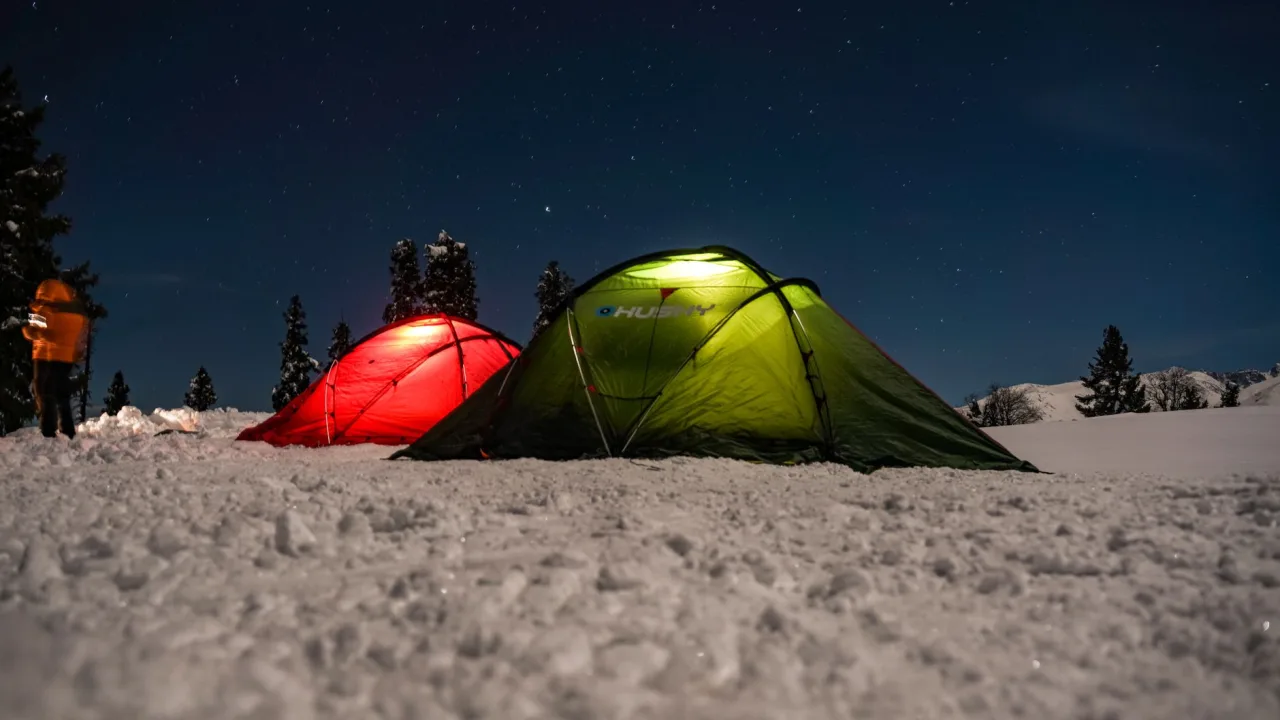
Rather than name specific models, which change every season and vary by region, here is what each tier honestly tends to get you. Treat these as broad ranges that move with sales, currency and materials, and confirm the current price at checkout.
- Entry level: a heavier three-season tent with fibreglass poles and a modest waterproof rating. Fine for occasional summer campsites and festivals in fair weather, though bulkier and less durable.
- Mid range: aluminium poles, a better hydrostatic head, taped seams and a smarter porch layout. This tier suits most campers and is where reliability and value meet.
- Premium: lightweight, strong fabrics, a low packed weight, excellent weatherproofing and thoughtful details like dual doors. Worth it for frequent campers, backpackers counting grams, or anyone facing rough weather.
Warning: Be wary of very cheap tents advertising huge waterproof numbers with no taped seams or tested rating. An untested figure on the box means little if water wicks through the stitching. Read independent reviews for real-world weather performance rather than trusting the headline spec alone.
Setting up and caring for your tent
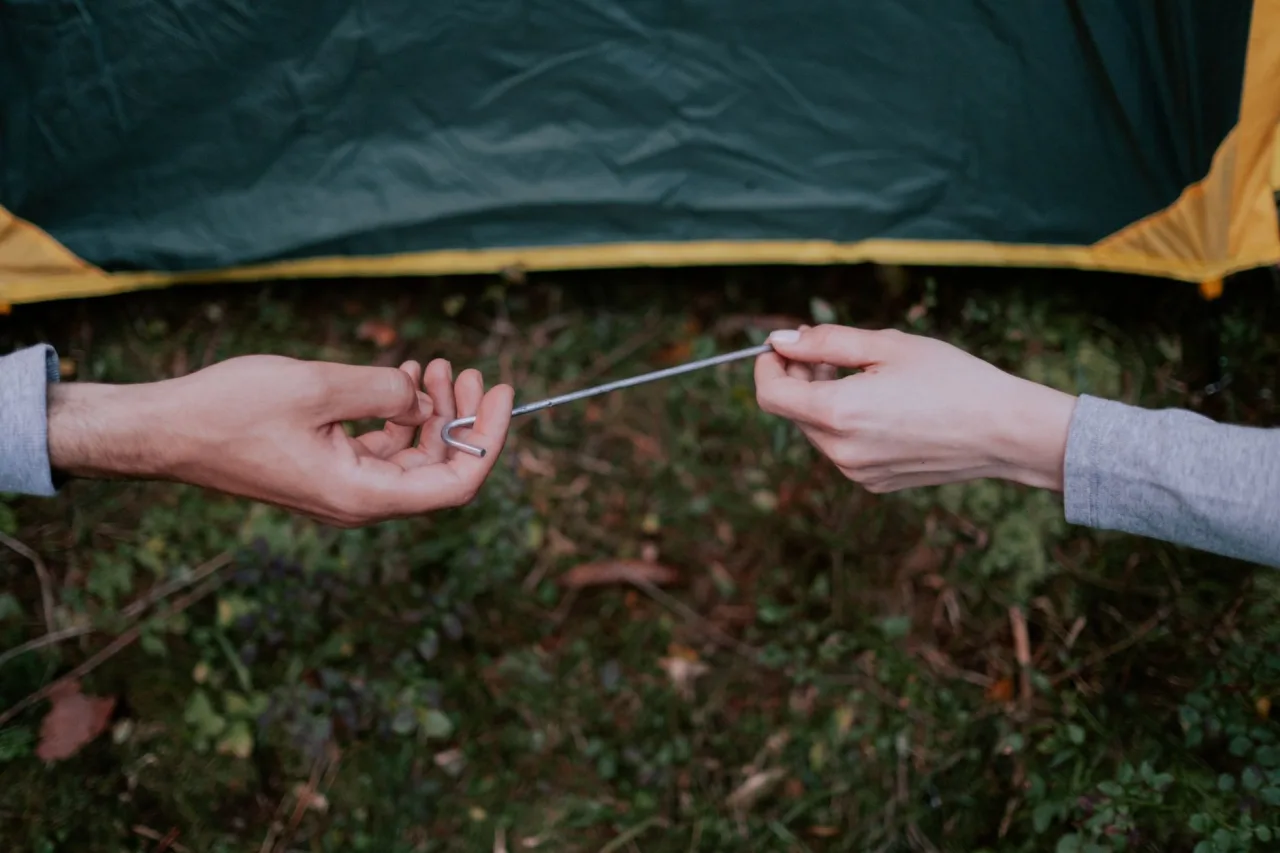
A two-person tent rewards a little practice and care. Pitch it once in the garden before your first trip so you are not learning the poles in the dark or the rain. On site, use a footprint or groundsheet to protect the floor, peg out the guy lines properly so the flysheet stays taut and sheds wind, and keep the inner and fly separated to reduce condensation. Afterwards, dry the tent fully before storing it, since packing it damp invites mould and delaminates the waterproof coating over time. Stored dry and clean, a good tent lasts many seasons.
Once your shelter is sorted, round out your kit with our general camping tent guide, the car tent guide for vehicle-based options, and the complete guide to camping for the wider picture.
Frequently asked questions
Does a 2 person tent really fit two people?
It fits two adults on sleeping mats side by side, but with little room to spare and gear stored in the porch. If you want space to move, keep bags inside, or share with a restless partner or dog, treat it as comfortable for one and cosy for two. Many solo campers choose a two-person tent precisely for that extra room.
Should I get a backpacking or car-camping 2 person tent?
Choose by how you reach the pitch. If you carry your kit any distance, pick a backpacking tent built for low weight and small packed size. If you drive to the site, a car-camping tent gives you more headroom, a bigger porch and easier pitching, with weight that no longer matters. Matching the tent to your trips prevents both overpaying and overpacking.
What waterproof rating do I need for a tent?
Waterproofing is measured as a hydrostatic head in millimetres, and a higher flysheet and floor rating shed more rain and resist pressure from knees and elbows. For general three-season camping, look for a solid rated flysheet, an even higher-rated floor, and crucially taped seams, since sealed stitching keeps water out as much as the headline number does.
How much should I spend on a 2 person tent?
Prices vary widely by brand, materials and season. An entry-level tent covers occasional fair-weather camping, a mid-range tent with aluminium poles and taped seams suits most regular campers, and a premium lightweight tent is worth it for frequent trips, backpacking or rough weather. Buy for the trips you actually take, and confirm current prices when you order.
How do I stop condensation inside my tent?
Condensation forms when warm, moist air from your breath meets the cool flysheet. Reduce it by opening vents and doors to keep air moving, keeping the inner tent and flysheet separated so they do not touch, and avoiding cooking inside. Pitching where there is a little breeze and not sealing the tent completely shut also helps keep the interior dry.
Sources and further reading:
- Tent on Wikipedia for tent construction, pole materials and weather protection.
- Camping on Wikipedia for background on shelter choices in outdoor recreation.
More guides on Tents & Camping Gear
Have a question or a topic to suggest?
We read every message. Tell us what you would like to see next on the blog.
Get in touchYou may also like

Easy Camping Meals: Complete Guide
Good camp food is not about clever recipes, it is about a plan that survives a cooler, a two-burner stove and tired campers at the end of a long day.
Camping Pillow
A camping pillow is the small piece of kit that quietly decides whether you wake up refreshed or with a stiff neck and a ruined mood. This complete guide explains the main types
Best Car Tent in 2026
A car tent turns any parking spot with a view into a campsite, whether that means a rooftop tent that folds out above your vehicle or a ground tent that attaches to the tailgate.