Caravan Brands · Caravan Parks & Touring
Baileys Caravans: The Complete Guide
The hub of our Bailey cluster: ranges, build, and smart new and used buying advice.

Search for "Baileys caravans" and you are almost certainly looking for Bailey of Bristol, one of Britain's best known touring caravan makers. This complete guide explains who Bailey is, the ranges it builds, how its caravans are put together, and the honest questions to ask before buying new or used. It is the hub of our Bailey cluster, so use it as a starting map rather than a sales pitch.
The short version
- Bailey of Bristol has built leisure vehicles since 1948 and remains a family-owned British manufacturer of caravans, motorhomes and campervans.
- Its caravan line-up spans several ranges from more affordable entry models up to higher-specification flagship layouts.
- Prices vary widely by range, layout, age and condition, so treat any figure as a range and confirm with a dealer.
- Choosing well is about matching layout, weight and your car's towing limit to how you travel, not just picking a badge.
Who Bailey of Bristol is
Bailey of Bristol is a long-established British leisure vehicle manufacturer. According to the company's Wikipedia entry, it was founded in 1948 in Bristol, England, after founder Martin Bailey built his first caravan in a South Bristol garage the year before. The business has been owned by the Howard family since 1977, employs around 650 people, and builds at a main production facility in South Bristol. It has since expanded beyond caravans into motorhomes, launching its Approach range in 2011, and into campervans with the Endeavour range in 2023.
You can see the current line-up on the official Bailey of Bristol website, which lists the caravan, motorhome and campervan ranges along with virtual showroom tours. Because model names and availability change from year to year, the manufacturer's own site is the definitive place to confirm what is currently sold.
The Bailey caravan ranges
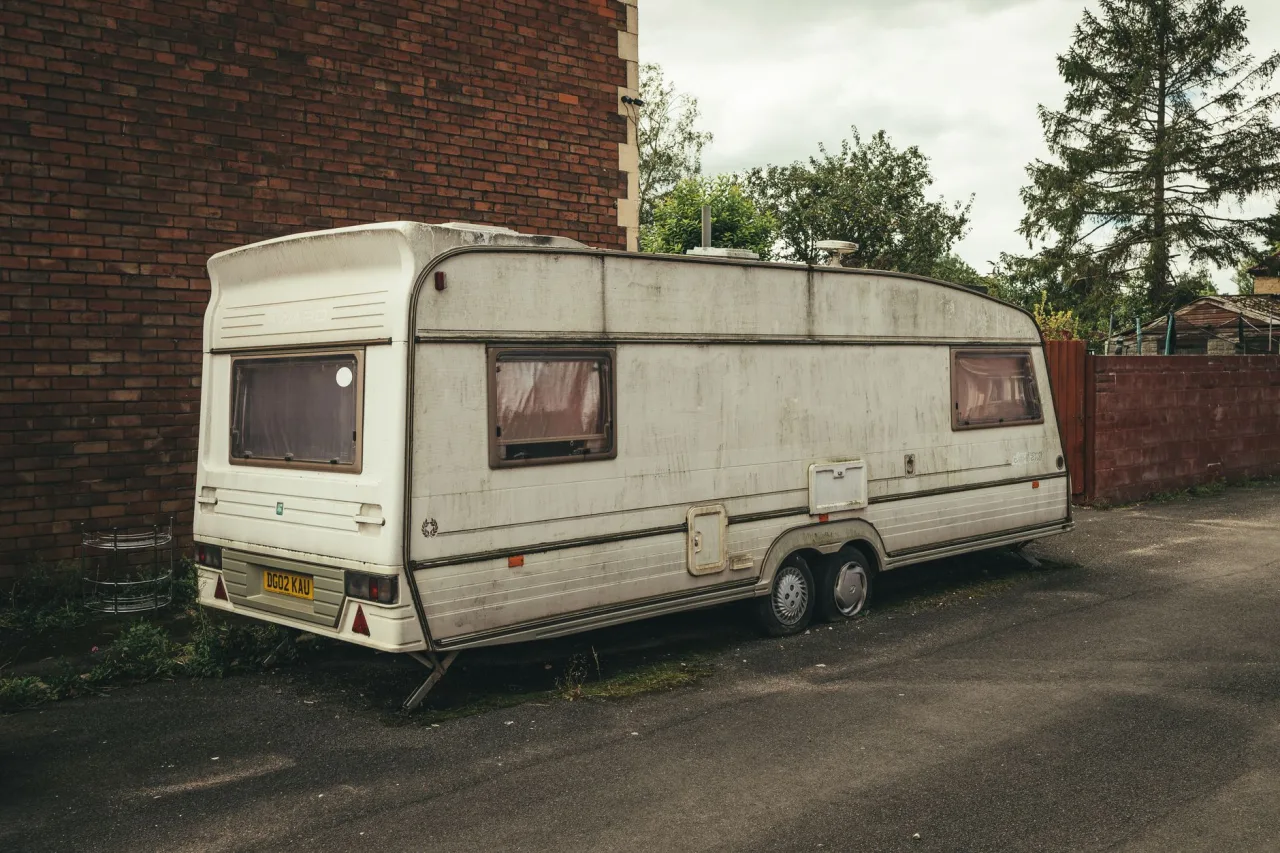
Bailey structures its touring caravans into distinct ranges that step up in specification and price. At the time of writing the caravan ranges listed on the official site include Discovery, Phoenix, Unicorn, Pegasus and the flagship Alicanto Grande, each offered in several floor layouts. Rather than treat these as a ranking, think of them as tiers: entry ranges keep weight and cost down for smaller tow cars and first-time buyers, while flagship ranges add more equipment, insulation and premium finishes.
- Entry ranges: lighter, simpler layouts aimed at keeping the towing weight and purchase price accessible.
- Mid ranges: a broader choice of layouts with more fitted equipment and a step up in interior specification.
- Flagship ranges: the most equipped and best insulated, with premium fittings and larger, more luxurious layouts.
Because layouts vary within each range (fixed bed, twin beds, end washroom, front lounge and so on), the range name only tells you half the story. The layout you choose matters just as much for daily comfort. For a wider view of how brands compare, see our guides to Swift caravans and Adria caravans.
How Bailey caravans are built
Bailey is known for its bonded body construction, which the company markets under names that have evolved over the years. The idea behind a bonded shell is a body built from composite panels bonded together rather than a traditional timber frame, which aims to resist water ingress, one of the classic weaknesses of older caravans. When buying, the practical takeaway is to ask which construction generation a given model uses and to check the manufacturer's guidance on damp inspections and warranty terms. Any towed caravan is still a road vehicle subject to weight and loading rules, as the general Wikipedia overview of towed caravans explains.
Tip: check the weights before you fall for the layout. Every caravan has a maximum technically permissible laden mass (MTPLM) and an unladen mass. Compare the MTPLM against your car's legal towing capacity and your licence entitlement before you get attached to a particular model. A gorgeous layout you cannot legally or safely tow is no use.
New versus used Bailey caravans

Buying new gets you the latest construction, a full manufacturer warranty and the exact layout and options you want, at the highest price. Buying used spreads your budget further and lets a well-cared-for Bailey hold value reasonably, but it puts the burden on your inspection. Whichever route you take, prices vary widely by range, layout, age and condition, so treat any quoted figure as a range and confirm with a dealer or seller.
For pricing research across the market, our guides to caravan prices and used caravans for sale explain how to read listings and avoid overpaying.
What to inspect on a used Bailey
- Damp: ask for a recent damp report and check corners, around windows, and the floor for soft spots or musty smells.
- Service history: a documented habitation and chassis service history signals a cared-for van.
- Chassis and running gear: inspect tyres for age and cracking, and check brakes, jockey wheel and corner steadies.
- Bodywork: look for delamination, cracks and past repairs on the bonded panels.
- Electrics and gas: confirm the last habitation check covered gas and electrical safety.
- Paperwork: verify the CRiS or equivalent registration and that the van is not on outstanding finance.
Towing and living with a Bailey
Living with any touring caravan comes down to towing safely and pitching comfortably. Load the van so the heaviest items sit low and over the axle, keep within the nose weight limit, and never exceed your car's towing capacity. Once on site, a Bailey pitches like any touring caravan: level it, connect the electric hook-up if provided, and set up your water and waste. To find somewhere to stay, our touring caravan sites guide and caravan sites near me directory walk through choosing and comparing sites honestly.
Warning: verify every claim with the seller or manufacturer. Specifications, warranty terms and construction methods change between model years. Do not rely on a general guide, including this one, for the exact weights, dimensions or terms of a specific caravan. Confirm those directly with Bailey or the selling dealer in writing before you buy.
Frequently asked questions
Are Baileys caravans and Bailey of Bristol the same thing?
Yes. People often search for "Baileys caravans," but the manufacturer's actual name is Bailey of Bristol. It is a British company founded in 1948 that builds touring caravans, motorhomes and campervans, and it remains family owned. There is no separate brand called Baileys; the extra letter is just a common way people type the name.
Where are Bailey caravans made?
Bailey caravans are made in Bristol, England, at the company's main production facility in South Bristol. The business has been based in Bristol since it was founded in 1948 and continues to manufacture there. You can confirm current models and factory information on the official Bailey of Bristol website.
How much does a Bailey caravan cost?
Prices vary widely by range, layout, age and condition, so treat any figure as a range and confirm with a dealer. Entry ranges are the most affordable, mid ranges cost more for added equipment, and flagship ranges are the most expensive. Used Bailey caravans spread your budget further, but the price then depends heavily on the van's condition and service history.
Are Bailey caravans good quality?
Bailey is a long-established mainstream British manufacturer known for its bonded body construction, which aims to resist the water ingress that affects older timber-framed caravans. Quality still varies by model year and by how well an individual van has been maintained, so a documented service history and a clean damp report matter more than the badge alone when buying used.
What should I check before buying a used Bailey caravan?
Check for damp around windows, corners and the floor, ask for a service history and a recent habitation check covering gas and electrics, inspect tyres and running gear, and look for delamination or past repairs on the body. Confirm the registration through CRiS or an equivalent and make sure the caravan is not subject to outstanding finance before you pay.
More guides on Caravan Parks & Touring
Have a question or a topic to suggest?
We read every message. Tell us what you would like to see next on the blog.
Get in touchYou may also like

Touring Caravan Sites: Complete Guide
The types of touring caravan site, what they cost, the hook-ups and facilities to look for, and how to choose one that suits your van and your trip.

Swift Caravan: The Complete Guide
What Swift builds, how its touring ranges differ, what one costs to buy and run, and how to inspect a used Swift before you buy.
Adria Caravans
Adria is one of Europe's better known leisure vehicle makers, and its caravans turn up constantly in "for sale" listings and on sites across the continent.