Motorhome Parks
Motorhome Parks Near Me: How to Choose
Skip the fake leaderboards: filter by what your motorhome actually needs, then compare parks on the things that shape your stay.
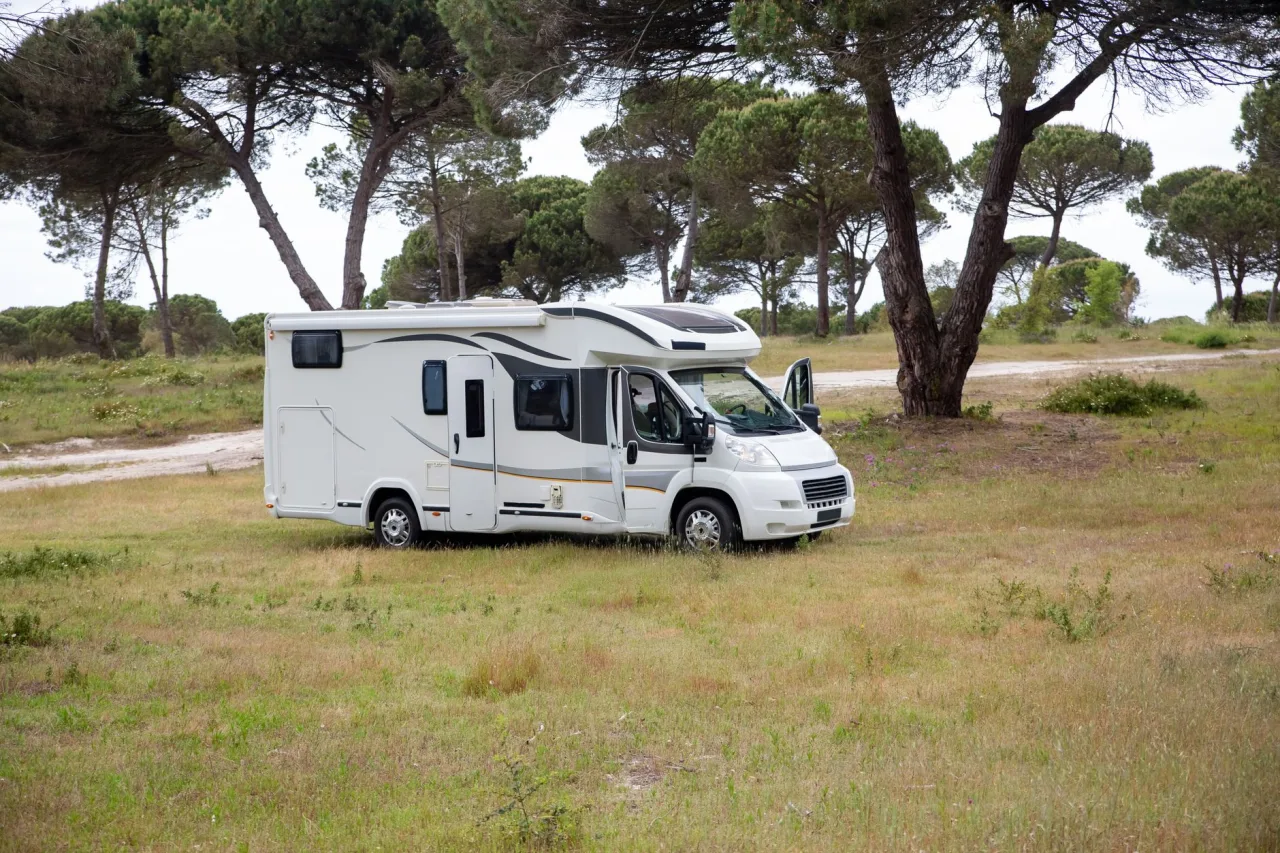
Searching for "motorhome parks near me" usually means one thing: you are driving a large, self-propelled home on wheels and you need somewhere tonight or this weekend that can actually fit it, power it and let you settle in without stress. This guide skips the fake leaderboards and shows you how to find, compare and choose a genuinely good motorhome park, whether you drive a compact camper van or a 40 foot Class A coach.
The short version
- Filter first by what your motorhome physically needs: total length, hookup amperage and turning access. Comfort comes second.
- Expect nightly rates to range widely by region and season, roughly from budget public sites at the low end to full service resorts at the high end. Always confirm the current price when you book.
- Use the amenities checklist below to compare two or three parks side by side instead of trusting a single star rating.
- Book ahead for holidays and popular destinations, but keep a shortlist of overnight fallbacks for travel days.
What "motorhome park" actually means
A motorhome park is a facility with marked pitches, called sites or bays, where a drivable recreational vehicle can park overnight or for longer stays. The defining feature is the hookup: a serviced connection for electricity, and often fresh water and a sewer drain, at the individual site. According to Wikipedia's overview of RV parks, sites typically offer electrical power in 15, 20, 30 or 50 amp options, along with drinking water, sewer, and sometimes television and Wi-Fi connections.
Motorhomes are the drivable end of the recreational vehicle family. As Wikipedia's recreational vehicle article describes, Class A coaches run roughly 26 to 45 feet on a heavy chassis, Class C models sit around 20 to 30 feet with a bunk over the cab, and Class B camper vans are the compact 17 to 23 foot option. That size range is exactly why "motorhome park near me" is a different search from a generic tent campground: your rig's length and power draw decide which sites you can even use.
It also helps to know what a motorhome park is not. It is not a general parking lot, and it is not a wild pull-off with no facilities. The presence of marked, serviced sites is what separates a real motorhome park from an informal overnight stop. Some parks focus purely on the vehicle, offering little more than a level pad and a pedestal, while others build a small community around the coaches with a clubhouse, laundry and organized activities. Knowing where on that spectrum a park sits tells you far more than a single headline rating ever will, and it lets you match the park to the kind of trip you are actually taking.
Start with what your motorhome physically needs
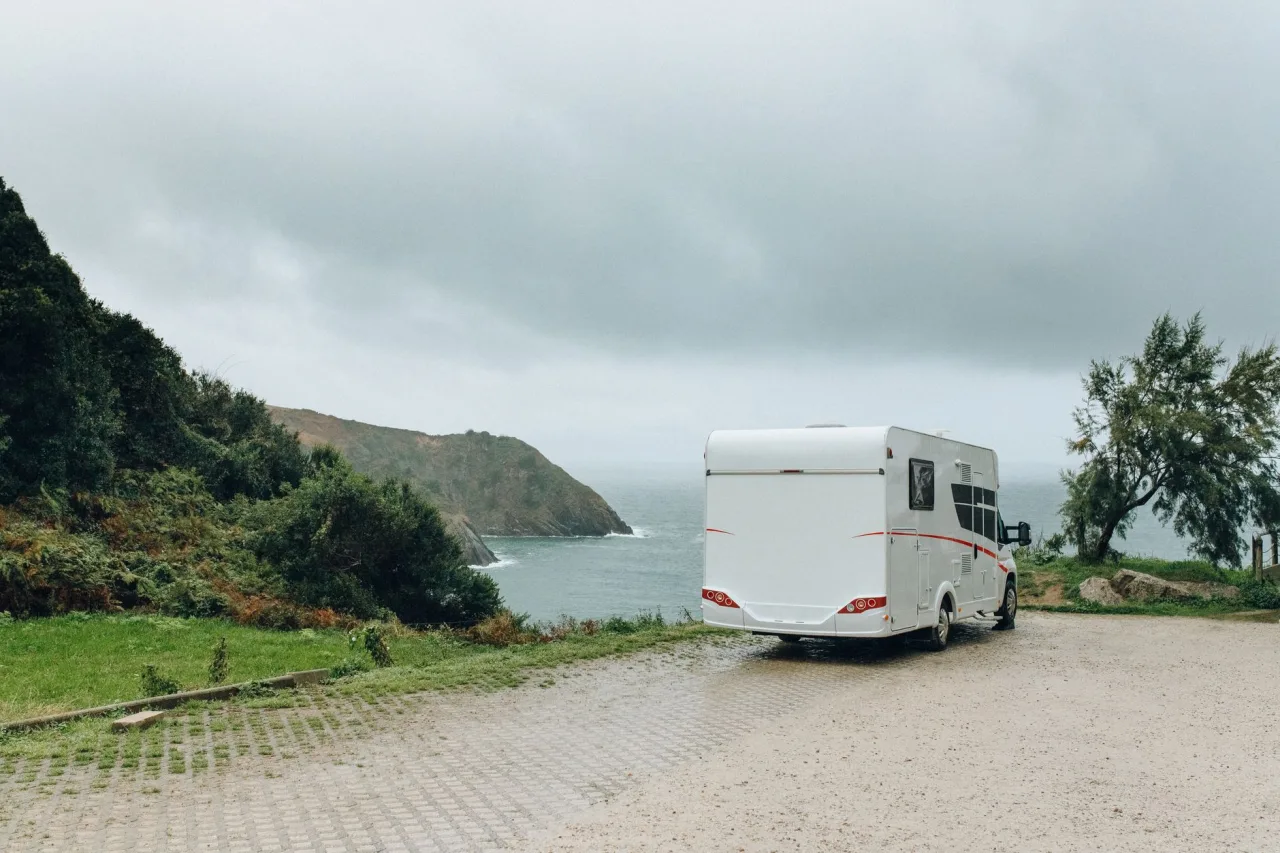
Before you compare pretty photos, compare hard numbers. A gorgeous park is useless if your coach cannot get into the site.
- Total length: Measure bumper to bumper, and add extra if you tow a car. Match this against the park's maximum site length, not just the average.
- Hookup amperage: Larger motorhomes with two air conditioners usually need 50 amp service. Smaller rigs run fine on 30 amp. Check that the park offers your level.
- Access and turning: Tight lanes, low branches and sharp corners defeat big coaches. Look for parks that mention big rig friendly access or pull-through sites.
- Levelness: A sloped gravel bay makes setup harder. Paved, level pads are worth paying a little more for.
Tip: call before a long drive
- Photos age and listings lapse. A 60 second phone call to confirm they have a site for your length and amperage tonight can save you a wasted detour.
The motorhome park amenities checklist
Use this list to score any two or three parks against each other. You will rarely find every item, so decide which three or four matter most for your trip.
- Full hookup versus partial: does the site include sewer, or only water and electric?
- Pull-through versus back-in bays, and whether pull-through is worth a premium for your driving comfort.
- Dump station on site for parks without sewer at every bay.
- Potable water fill and, for longer stays, laundry and clean bathhouses.
- Reliable Wi-Fi or strong cell signal if you work or stream on the road.
- Pet policy, quiet hours, and rules on generators or slide-outs.
- Proximity to what you actually came for: a trailhead, a town, a lake or a highway junction.
What motorhome parks typically cost
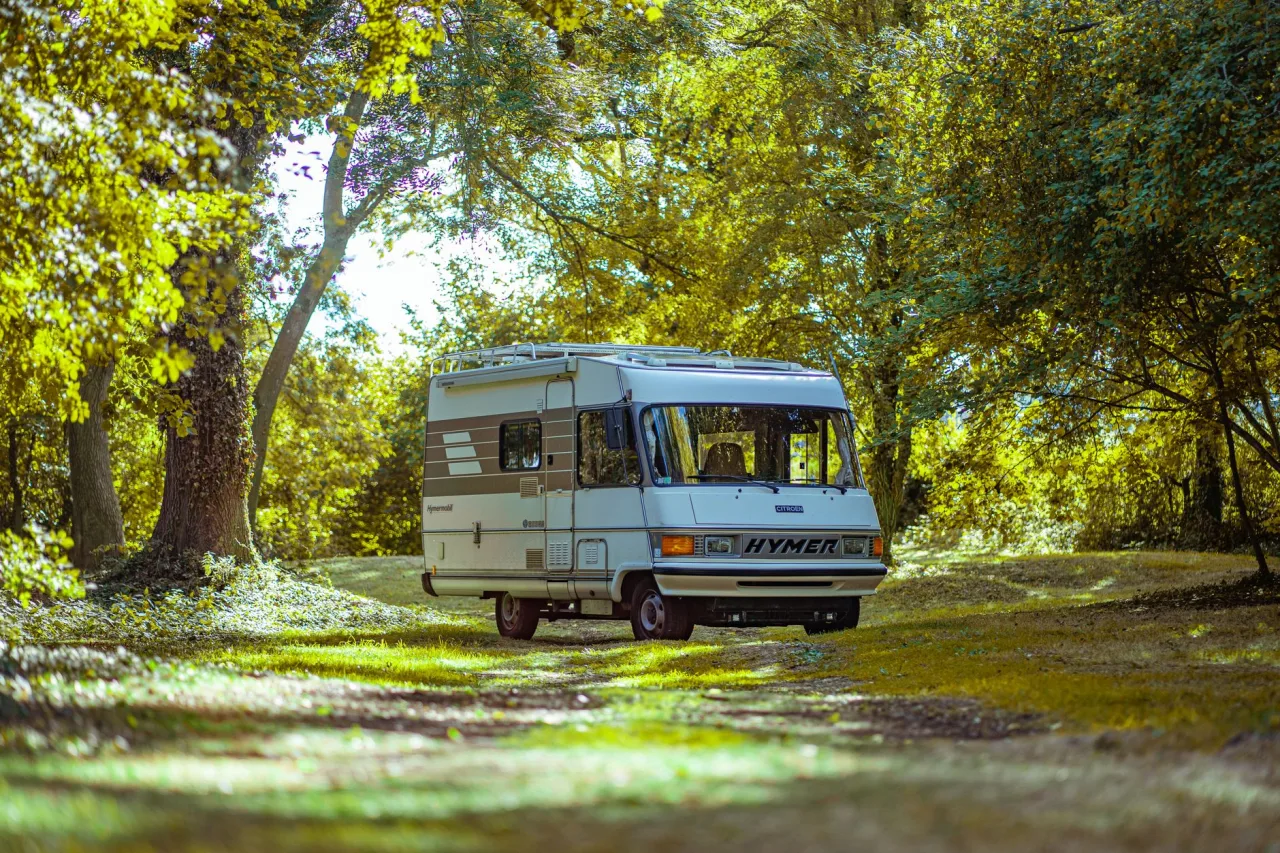
Prices vary enormously, so treat any number as a range rather than a quote. Simple public and rural sites tend to sit at the budget end. Mid range private parks with full hookups occupy the middle. Full service resorts with pools and paved pads reach the top end, and coastal or national park gateway locations command a premium in peak season. Weekly and monthly rates usually work out cheaper per night than nightly stays. Whatever figure you see advertised, confirm the current rate, taxes and any hookup or extra vehicle fees at the moment you book, because seasonal pricing shifts constantly.
One useful habit is to separate the base rate from the extras. Many motorhome parks quote an attractive nightly figure, then add fees for a second vehicle, a 50 amp connection, pets, or use of premium sites. A resort with a low base rate can end up costing more than a plainer park once those add-ons stack up. When you compare two parks, compare the all-in price for your actual setup, not the advertised headline. For stays of a week or more, ask specifically about weekly and monthly rates, since the saving over nightly booking is often substantial and rarely advertised up front.
If you are still weighing whether a full service park is worth it over a simpler campground, our complete guide to RV camping walks through the trade-offs in more depth.
How to search without getting misled
A map search for "motorhome parks near me" returns a mix of genuine parks, closed listings and marketing pages. Cross reference before you trust any single source.
- Read a spread of recent reviews, not just the average score. Look for comments that mention rigs your size.
- Check the park's own website or phone line for current opening status and site types.
- For public land, the official reservation systems are the most reliable. Recreation.gov lists reservable camping and RV sites across federal parks and forests, covering over 100,000 individual sites nationwide.
- Be wary of any listing with no phone number, no address and pressure to pay off platform.
For a broader look at how to filter and compare, see our companion piece on using apps and tools to find RV parks.
Motorhome parks versus other options near you
"Motorhome park" overlaps with several similar searches, and the right label depends on your rig and expectations. A dedicated RV park caters to all recreational vehicles including towables. An RV resort adds hotel style amenities and a higher price. A basic campground may accept motorhomes but offer no hookups at all. If your priority is being close to your current location right now, our guide to finding RV parks close to me focuses on that last-minute, on-the-road scenario.
Booking and arrival tips for larger rigs
Once you have chosen a park, a little planning makes arrival smooth.
- Book early for holidays, festivals and national park gateways, where the best sites go months ahead.
- Ask for a pull-through if you dislike reversing a long coach, and request a level, shaded site if the park allows preferences.
- Arrive before dark. Setting up hookups and leveling a big rig is far easier in daylight.
- Keep a fallback overnight option saved in case a reservation falls through or you run out of daylight on a travel day.
Frequently asked questions
What is the difference between a motorhome park and an RV park?
In practice they overlap heavily. "RV park" is the broader term covering all recreational vehicles, including towed travel trailers and fifth wheels. "Motorhome park" simply emphasizes drivable coaches. Most parks that advertise one accept the other, but always confirm they can fit your specific length and hookup needs.
How much does a motorhome park cost per night?
It varies widely by region, season and amenities. Simple public or rural sites sit at the budget end, mid range private parks in the middle, and full service resorts at the top, with coastal and peak-season locations charging a premium. Weekly and monthly rates usually cost less per night. Always confirm the current price when you book.
Do I need a full hookup site?
Not always. A full hookup adds a sewer connection at your site, which is convenient for longer stays. For a night or two, a partial hookup with electric and water plus a shared dump station is often fine, and usually cheaper.
How far ahead should I book a motorhome park?
For holidays, festivals and popular national park gateways, book weeks or months ahead. For ordinary weekdays in less busy areas, you can often find something a day or two out, but keeping a fallback option saved is always wise.
Can a large Class A coach fit at most parks?
Not automatically. Many parks have shorter maximum site lengths or tight access lanes. Measure your rig, including anything you tow, and check the park's maximum length and big rig access before you commit.
More guides on RV Parks & Resorts
Have a question or a topic to suggest?
We read every message. Tell us what you would like to see next on the blog.
Get in touchYou may also like
RV Parks Near Me: Find the Best
A practical guide to finding, comparing and booking a good RV park near you: how to filter by hookups, read reviews, judge price ranges and keep a backup for busy dates.
RV Sites Near Me: Pick the Right Pad
Zoom in from the park to the pad: how to choose the right RV site near you by hookup amperage, pull-through or back-in layout, length and levelness, with honest price guidance.

Camper RV Park: How to Find and Compare
An honest buyer's framework for camper RV parks: what makes a good one, the basic, standard and resort tiers, what they cost, and how to compare a few options before booking.