Finding RV Parks
RV Parky: How to Search and Compare
Where to search, how to filter, how to read reviews honestly, and how to avoid scams and stale listings.
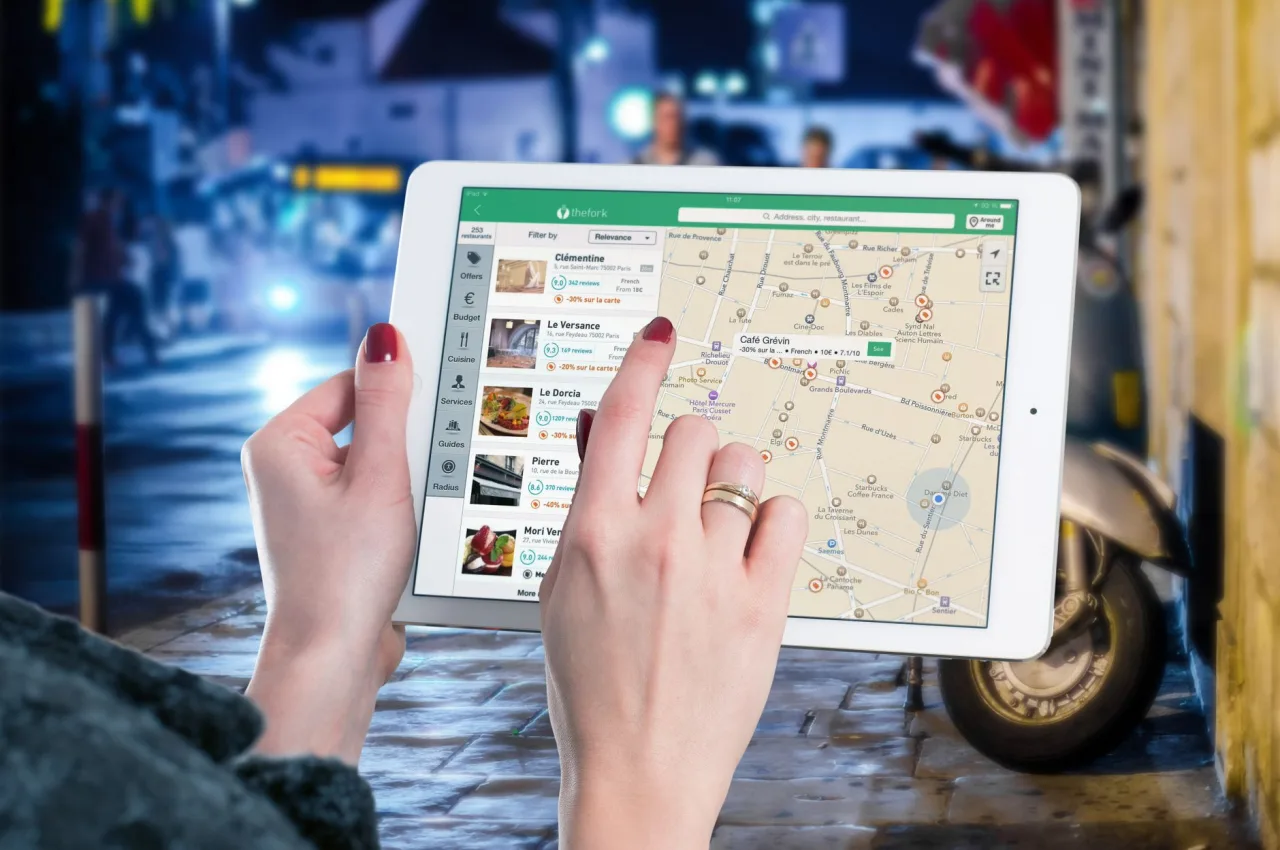
"RV parky" is one of those search terms that pops up when people are hunting for RV parks on the move, often typed fast on a phone. Whatever spelling got you here, the intent is the same: find a good RV park and compare your options. This guide is about the how, using apps, maps, official reservation systems and reviews to search smartly and avoid dead listings, tourist traps and outright scams.
The short version
- "RV parky" is a common search variant for finding RV parks. The skill that matters is knowing how to search and filter well.
- Use official reservation systems for public land and reputable booking platforms or park websites for private parks.
- Filter by the non-negotiables first: rig length, hookup amperage and dates, then sort by comfort.
- Read a spread of recent reviews and confirm current status before you commit or pay.
What people mean by "RV parky"
There is no brand or standard called "RV parky." It is simply a way people search for RV parks, a place where recreational vehicles stay overnight or longer in serviced sites. As Wikipedia's RV park article describes, those sites usually offer electrical hookups at 15, 20, 30 or 50 amps, along with water and sewer, and often Wi-Fi. So rather than chase an exact spelling, this guide focuses on the genuinely useful skill: searching for and comparing real RV parks efficiently.
Where to actually search

Different park types live in different systems, so use the right tool for each.
- Public land parks: Federal campgrounds and RV sites are booked through official channels. Recreation.gov lets you search over 100,000 individual sites across national parks and forests, with filters for site type and length. State park systems have their own reservation portals.
- Private parks: Many list on booking platforms and comparison sites, and most also take direct bookings through their own website or phone.
- Maps: A map search surfaces nearby parks fast, but treat the results as a starting list to verify, not a ranked truth.
Each source has a bias worth understanding. Booking platforms make money from bookings, so they highlight parks that pay to list and may not show every option in an area. Map apps show whatever has been added to their database, including closed and mislabeled places. Official reservation systems are the most authoritative for the land they cover, but they only cover that public land, not private parks. No single tool is complete, which is exactly why cross-referencing two or three of them beats trusting any one. Think of your search as assembling a picture from several partial sources rather than finding one perfect list.
For the broader picture of RV travel and how parks fit into it, our RV camping complete guide is a good companion.
Filter by the non-negotiables first
Good search tools let you filter. Set the hard constraints before you browse photos, because a beautiful park that cannot fit your rig is a waste of time.
- Dates: Filter to your actual nights so you only see real availability.
- Rig length: Enter your total length including anything you tow.
- Hookup amperage: 30 or 50 amp, plus water and sewer if you need a full hookup.
- Site type: Pull-through or back-in, if the tool allows.
- Then sort by comfort: pool, Wi-Fi, pet policy, quiet hours and location.
Our guide to choosing the right RV site explains those pad-level specs in depth.
Saving your rig's details somewhere you can reach quickly pays off every time you search. A short note on your phone with total length, height, hookup amperage and whether you tow means you can answer a booking form or a park's phone question in seconds, rather than guessing. Height in particular is easy to forget until a low canopy or bridge forces a detour. The travelers who search fastest are simply the ones who never have to go and measure anything mid-trip.
How to read reviews without being fooled
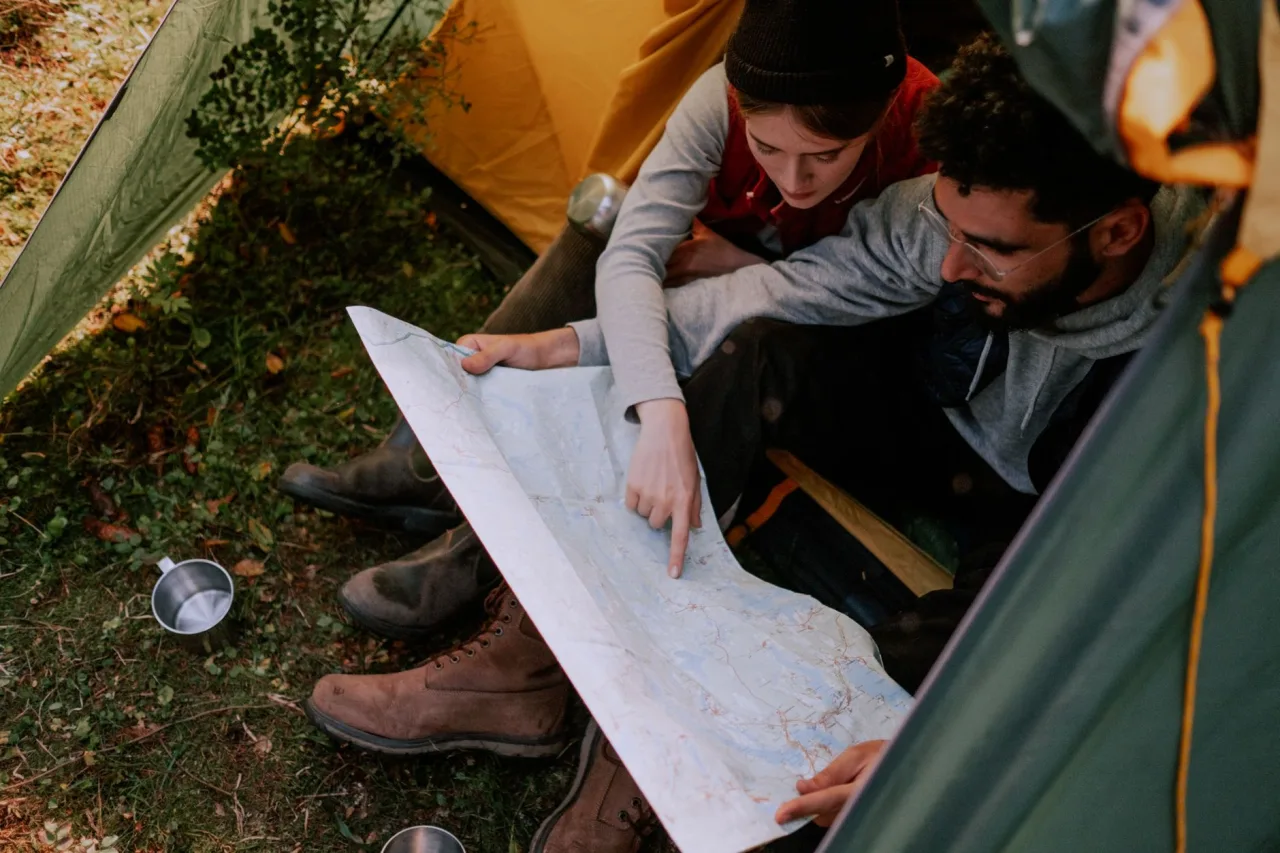
Ratings are useful only if you read them properly.
- Sort to the most recent reviews. A park can change hands or decline in a single season.
- Read across the score range, not just five-star praise or one-star rants.
- Weight reviews from rigs like yours. A tent camper's take on shade differs from a big rig owner's take on access.
- Look for specific, checkable details: clean bathhouses, working hookups, honest site spacing. Vague superlatives tell you little.
- Notice how the park responds to criticism. Polite, practical replies to complaints are a good sign, while defensive or absent responses hint at how you would be treated as a guest.
One more habit sharpens your judgment: read the middle-ranked reviews, the three-star ones, most carefully. Five-star and one-star reviews tend toward extremes and emotion, while a balanced three-star review usually lists both what worked and what did not, which is exactly the honest picture you need. If several middling reviews mention the same specific issue, whether it is thin spacing, weak Wi-Fi or a noisy road, treat that as reliable signal rather than one person's bad day.
Warning: spotting fake or dead listings
- Be cautious of listings with no phone number, no physical address, pressure to pay off-platform, or reviews that all sound identical. Confirm the park exists by calling or checking an official source before sending money.
Verify before you pay
The final step separates a smooth trip from a roadside scramble. Do these quick checks before booking.
- Confirm current opening status and that your dates are genuinely available.
- Re-check that the park takes your rig length and hookup amperage.
- Read the cancellation policy, and note any resort, hookup or extra-vehicle fees on top of the base rate.
- Prefer paying through the official reservation system or the park directly over an unfamiliar third party.
What you will pay, and why it varies
No honest tool can quote one fixed nightly figure, because RV park pricing swings with tier, region and season. Basic public sites sit at the budget end, standard full hookup parks in the middle, and resorts at the top, with peak-season and prime locations charging a premium. Weekly and monthly bookings usually lower the per-night rate. Whatever a search result shows, confirm the live price at checkout, since that number moves with demand.
Watch for the gap between the advertised price and the total. A low nightly headline can grow once a booking fee, a hookup surcharge, a pet fee and local taxes are added, and some platforms only reveal the full amount at the final step. When comparing two parks in a search tool, always scroll to the all-in total for your exact dates and setup before deciding. A slightly higher base rate with everything included can easily beat a cheap-looking listing that piles on extras.
Search, compare, choose: a simple workflow
Put it together into a repeatable routine.
- Set your dates, location and rig filters in an official system or booking platform.
- Shortlist two or three parks that pass the hard filters.
- Read recent reviews and check each park's own site or phone for current details.
- Compare price against amenities and location, then book through the official channel.
- Save a simpler fallback for travel nights in case plans shift.
The same workflow scales up or down. For a big planned trip, run it days or weeks ahead and lock in the best sites early. For a spontaneous weekend, run a lightweight version an hour before you leave, checking availability and one or two reviews. Either way, the discipline of filtering by hard constraints first, then verifying before paying, is what separates a smooth booking from a gamble. Over time it becomes second nature, and searching for an RV park stops feeling like a chore and starts feeling like a quick, confident routine.
If your priority is simply what is nearest right now, our guide to RV parks close to me focuses on the last-minute, on-the-road search.
Frequently asked questions
Is "RV parky" a real brand or platform?
No. There is no standard brand called "RV parky." It is a common way people search for RV parks. The useful skill is knowing where to search, such as official reservation systems and reputable booking platforms, and how to filter and verify results.
What is the best way to search for an RV park?
Use the right system for the park type: official reservation portals for public land, and booking platforms or the park's own website for private parks. Filter by dates, rig length and hookup amperage first, then sort by amenities and location, and verify current status before you pay.
How do I avoid RV park scams and dead listings?
Be wary of listings with no phone number, no address, pressure to pay off-platform, or suspiciously identical reviews. Confirm the park exists through an official source or a phone call, and prefer paying through the official reservation system or the park directly.
Can I trust map search results for RV parks?
Treat map results as a starting list, not a ranking. Listings can be outdated or closed. Cross-reference recent reviews and the park's own booking page or phone line before you rely on any single result.
How far ahead should I search and book?
For holidays and popular destinations, search and book weeks or months ahead. For ordinary weekdays in quieter areas, a day or two out is often enough, but keep a fallback option saved for travel nights.
More guides on RV Parks & Resorts
Have a question or a topic to suggest?
We read every message. Tell us what you would like to see next on the blog.
Get in touchYou may also like
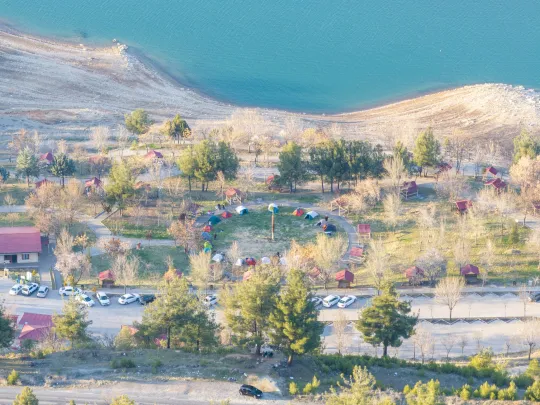
RV Parks Near Me: Find the Best
A practical guide to finding, comparing and booking a good RV park near you: how to filter by hookups, read reviews, judge price ranges and keep a backup for busy dates.
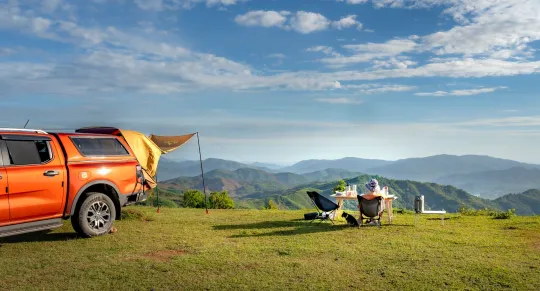
RV Sites Near Me: Pick the Right Pad
Zoom in from the park to the pad: how to choose the right RV site near you by hookup amperage, pull-through or back-in layout, length and levelness, with honest price guidance.

RV Parks Close to Me: Find One Tonight
Built for the tired, on-the-road moment: how to find an RV park close to you tonight, build a tiered fallback plan, check access and confirm prices before committing to the drive.