RV Sites
RV Sites Near Me: Pick the Right Pad
The park is only half the decision. Here is how to pick the individual site that makes or breaks your stay.
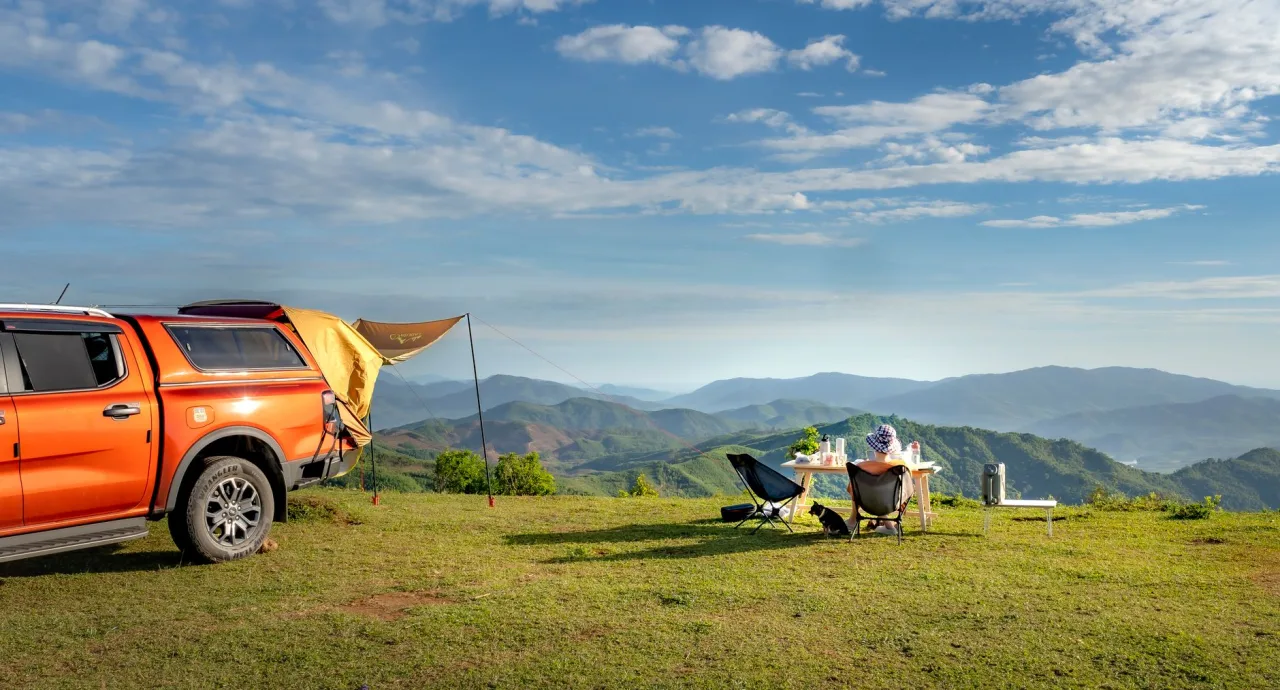
When you search "RV sites near me," the park is only half the decision. The other half is the individual site, the actual pad you park on, and a great park can still hand you a cramped, sloped, hard-to-reach site if you do not know what to ask for. This guide zooms in on the site level: hookups, pull-through versus back-in, leveling, spacing and how to pick the best pad in any park near you.
The short version
- A "site" is your individual pad and its hookups. Choosing the right site matters as much as choosing the right park.
- Know your hookup amperage: most RVs use 30 or 50 amp service, and picking the wrong one causes real problems.
- Pull-through sites are easier to enter and exit, back-in sites are often better positioned but need reversing skill.
- Confirm site length, levelness and spacing before booking, and expect prices to shift with season and location.
What "RV site" means
Within any RV park, the space you actually occupy is called a site or campsite. As Wikipedia's RV park article puts it, an RV park is a place where people stay in allotted spaces known as sites, and each site's hookups typically include electrical power at 15, 20, 30 or 50 amps, plus drinking water and sewer connections, with television and Wi-Fi available at some.
That per-site detail is the whole game. Two sites in the same park can differ wildly: one level and paved with 50 amp and full sewer, the next sloped gravel with 30 amp and no drain. Searching for "RV sites near me" is really a search for the right pad, not just the right postcode.
Hookup levels: get the amperage right
Electrical service is the single most important site spec to match. Plugging into the wrong amperage either overloads a smaller connection or leaves a large rig short of power.
- 30 amp: Common for smaller and mid-size RVs with a single air conditioner. Uses a three-prong plug.
- 50 amp: Needed by larger rigs, especially those with two air conditioners or heavy electrical loads. Uses a four-prong plug.
- Adapters: A 30 to 50 or 50 to 30 adapter, sometimes called a dogbone, lets you connect when only the other service is available, though a 50 amp rig on 30 amp service will have to limit power use.
Water and sewer round out a full hookup. A partial site gives you electric and water but no sewer, so you rely on the park's dump station. For a single night that is usually fine. For a week or more, full sewer at the site is a big convenience.
A few small pieces of equipment make hookups painless regardless of the site. A water pressure regulator protects your plumbing from parks with unusually high mains pressure. A short and a long sewer hose, plus an elbow fitting, cover pads where the drain sits at an awkward distance. A surge protector or electrical management system guards your electronics against faulty pedestals, which are more common at older parks than you might expect. None of this is glamorous, but it turns a marginal site into a comfortable one, and it means you can accept a wider range of pads without worry.
Pull-through versus back-in sites
This choice shapes your arrival, your view and sometimes your price.
- Pull-through: Open at both ends, so you drive straight in and straight out. Ideal for large motorhomes, rigs towing a car, and anyone who dislikes reversing. Often priced a little higher.
- Back-in: You reverse into the pad. These are often the more scenic or private sites, positioned along a lake edge or tree line, and usually cost less. They reward a bit of reversing practice.
Tip: request a specific site, not just a site type
- Many parks let you request a particular pad number. A quick look at the park map, plus a call, can land you a level, shaded, well-spaced site instead of the leftover next to the dumpster.
Checklist for choosing the right pad

- Length fit: Site max length at or above your rig plus any towed vehicle.
- Levelness: Paved and level pads make setup fast. Sloped gravel means more blocks and leveling.
- Hookup match: Correct amperage, and sewer if you want a full hookup.
- Spacing: Room between rigs for slide-outs, awnings and a little privacy.
- Shade and drainage: Trees help in heat, but avoid low spots that flood in rain.
- Position: Away from the entrance road, restrooms and dumpsters if you want quiet.
What individual RV sites cost
Site price depends on the park tier, the site type and the season. Within one park, premium pull-through or waterfront sites usually cost more than standard back-in sites, and full hookup more than partial. Across parks, basic public sites sit at the budget end while resort sites reach the top, with peak-season and prime-location pads charging a premium. Longer bookings often lower the nightly rate. As always, treat advertised numbers as a range and confirm the current price and any extra fees when you reserve.
It is worth deciding in advance whether a premium site is actually worth it for your trip. If you will spend most of your days out hiking or at the beach and only sleep at the site, paying extra for a waterfront pull-through may be wasted money, and a plain back-in a row back will serve just as well. If, on the other hand, you plan to relax at your rig, cook outside and enjoy the view, the better site earns its premium. The point is to spend where it matters to you, rather than defaulting to the most expensive option or always chasing the cheapest.
Finding sites near you without guesswork
Map results for "RV sites near me" mix real availability with stale listings, so verify before you drive.
- Check live availability and the specific site map on the park's booking page or by phone.
- For public land, the official systems show real, reservable sites. Recreation.gov covers over 100,000 individual sites across federal parks and forests, with filters for site type and length.
- Read recent reviews that mention specific site numbers or areas of the park.
To compare at the park level rather than the pad level, see our guides to RV parks near me and, for drivable coaches specifically, motorhome parks near me. If you want the full background on RV travel, our RV camping complete guide ties it all together.
Arrival and setup at your site
- Walk the site before backing in. Check for low branches, hookup post position and slope.
- Level side to side first with blocks, then front to back, before disconnecting a tow vehicle.
- Connect power last after checking the pedestal breaker is off, then water with a regulator, then sewer if fitted.
- Note the site number and pedestal amperage in case you need to report an issue.
- Test the pedestal with a plug-in tester before connecting, so a wiring fault trips the tester and not your rig.
If you arrive and the assigned site is genuinely unusable, too short, badly flooded, or with a dead pedestal, do not just make do. Speak to the office promptly and politely. Most parks would far rather move you to a working pad than deal with a complaint later, and being early and courteous puts you first in line for a better spot. Keeping a photo of the problem helps if you need to escalate. A little assertiveness at check-in is often the difference between a frustrating stay and a good one.
Frequently asked questions
What is the difference between an RV site and an RV park?
An RV park is the whole facility. An RV site is your individual pad within it, along with its specific hookups. You book a site inside a park, and two sites in the same park can differ in length, levelness, hookup amperage and position.
Should I choose 30 amp or 50 amp service?
Match the service to your rig. Smaller and mid-size RVs with one air conditioner usually run on 30 amp, while larger rigs with two air conditioners need 50 amp. Carry an adapter so you can connect either way, but remember a 50 amp rig on 30 amp service must limit its power use.
Is a pull-through site worth the extra cost?
If you drive a long motorhome, tow a car, or dislike reversing, a pull-through site is often worth the small premium for the easy entry and exit. If you are comfortable backing in and want a more scenic or private spot, a back-in site usually costs less.
What is a full hookup site?
A full hookup site provides electric, water and sewer connections right at your pad. A partial hookup gives electric and water but no sewer, so you use the park's dump station. Full hookups are most useful for longer stays.
How do I make sure a site fits my RV?
Compare the site's maximum length against your rig's total length including anything you tow, confirm the hookup amperage, and check whether the pad is level and paved. When details are unclear, call the park and ask about a specific site number.
More guides on RV Parks & Resorts
Have a question or a topic to suggest?
We read every message. Tell us what you would like to see next on the blog.
Get in touchYou may also like
RV Parks Near Me: Find the Best
A practical guide to finding, comparing and booking a good RV park near you: how to filter by hookups, read reviews, judge price ranges and keep a backup for busy dates.
Motorhome Parks Near Me: How to Choose
A practical guide to finding, comparing and choosing a good motorhome park near you, covering hookups, site length and access, realistic price ranges and smart booking tips for coaches of every size.
RV Spots Near Me: Find the Best
A guide to the full range of RV spots near you: paid parks, public campgrounds, free dispersed land and overnight parking, with tools, costs and the rules that matter.