Camper RV Parks
Camper RV Park: How to Find and Compare
What an RV park really is, the three tiers you will meet, and how to judge a good one on fit and function first.

"Camper RV park" is one of those searches that means slightly different things to different people. Some want a place to park a towable camper, others a spot for a drivable motorhome, and many just want to understand what an RV park is before they book their first trip. This guide is an honest buyer's framework: what defines a good RV park, the tiers you will encounter, what they cost, and how to compare a few options like a pro instead of trusting a single rating.
The short version
- An RV park is a facility with serviced sites where any recreational vehicle, towable or drivable, can stay overnight or longer.
- Parks fall into rough tiers: basic, standard full hookup, and resort. Price climbs with amenities.
- Judge a park by fit and function first, hookup type, site size and location, then by comfort extras.
- Nightly rates vary widely by tier, region and season, so always confirm the current price at booking.
What a camper RV park is
An RV park is, in plain terms, a place where people with recreational vehicles stay overnight or longer in allotted spaces called sites. That definition comes straight from Wikipedia's RV park article, which also notes that individual sites commonly provide electrical power at 15, 20, 30 or 50 amps, plus drinking water and sewer connections, and sometimes television, telephone and Wi-Fi.
The word "camper" covers a lot of ground. It can mean a towable travel trailer, a truck camper, or a compact camper van. As Wikipedia's recreational vehicle overview explains, the RV family spans small Class B vans through large Class A coaches and towable trailers and fifth wheels running anywhere from 13 to over 50 feet. A good camper RV park accommodates several of these types, which is why understanding the tiers below matters more than the exact label a park uses.
The three tiers of RV park
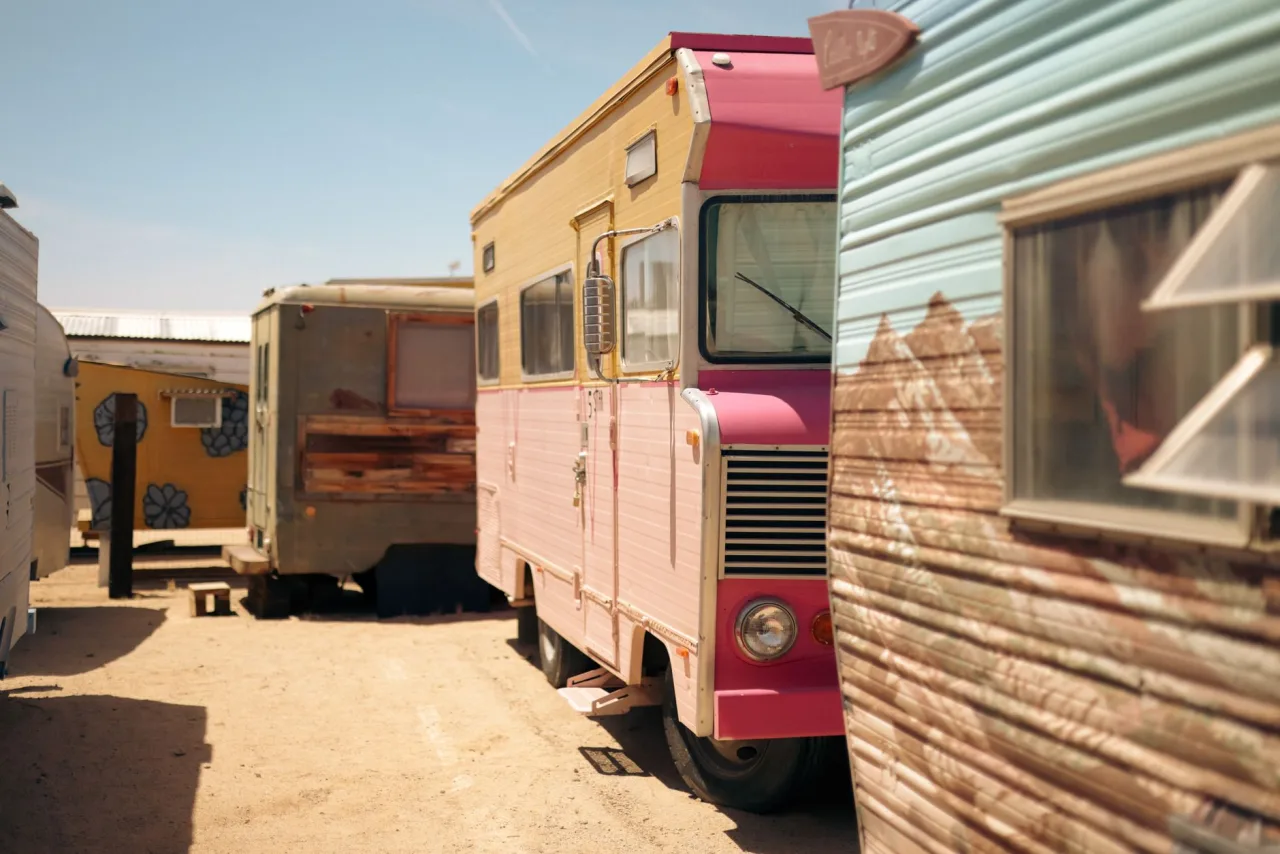
Most parks fall into one of three loose categories. Knowing which tier you want narrows your search fast.
- Basic or rustic: Gravel or grass sites, limited or no hookups, shared water and a dump station. Cheapest, closest to nature, common on public land.
- Standard full hookup: Level pads with electric, water and sewer at each site, plus laundry and clean bathhouses. The everyday workhorse of RV travel.
- Resort: Paved pads, pools, clubhouses, planned activities and premium landscaping. As the RV park article notes, these can include bathhouses, laundry, swimming pools, recreation halls and more. Most expensive, and most hotel-like.
These tiers are not rigid categories, and plenty of parks straddle two of them. A standard park in a scenic location might charge resort prices, while a resort in the off-season might feel almost empty and rustic. The tiers are a mental shortcut for setting expectations, not a guarantee. What matters is that you decide, before you search, roughly how much comfort and service you want, so you can filter out the parks that will disappoint you or blow your budget. A family with young children on a two-week holiday values a pool and clean facilities very differently from a couple passing through for a single night on a long drive.
If the resort tier appeals to you, our complete guide to RV resorts digs into what the higher price actually buys.
Tip: match the tier to the trip, not the ego
- A weekend by a lake rarely needs a resort. A month of remote work benefits hugely from reliable power, sewer and Wi-Fi. Pick the tier that fits the stay.
How to judge a good camper RV park
Ignore the marketing adjectives and score each candidate on the things that actually shape your stay.
- Fit: Can it take your rig's length and hookup amperage? This is a pass or fail before anything else.
- Hookups: Full hookup, partial, or none. Decide what your trip length requires.
- Site quality: Level, well drained pads with enough spacing from neighbors.
- Cleanliness: Recent reviews mentioning clean bathhouses and tidy grounds are a strong signal.
- Location: How close it is to what you came for, whether that is a trail, a beach, a town or a highway.
- Rules and vibe: Quiet hours, pet policy, age or family focus, and long-term resident mix.
What a camper RV park costs
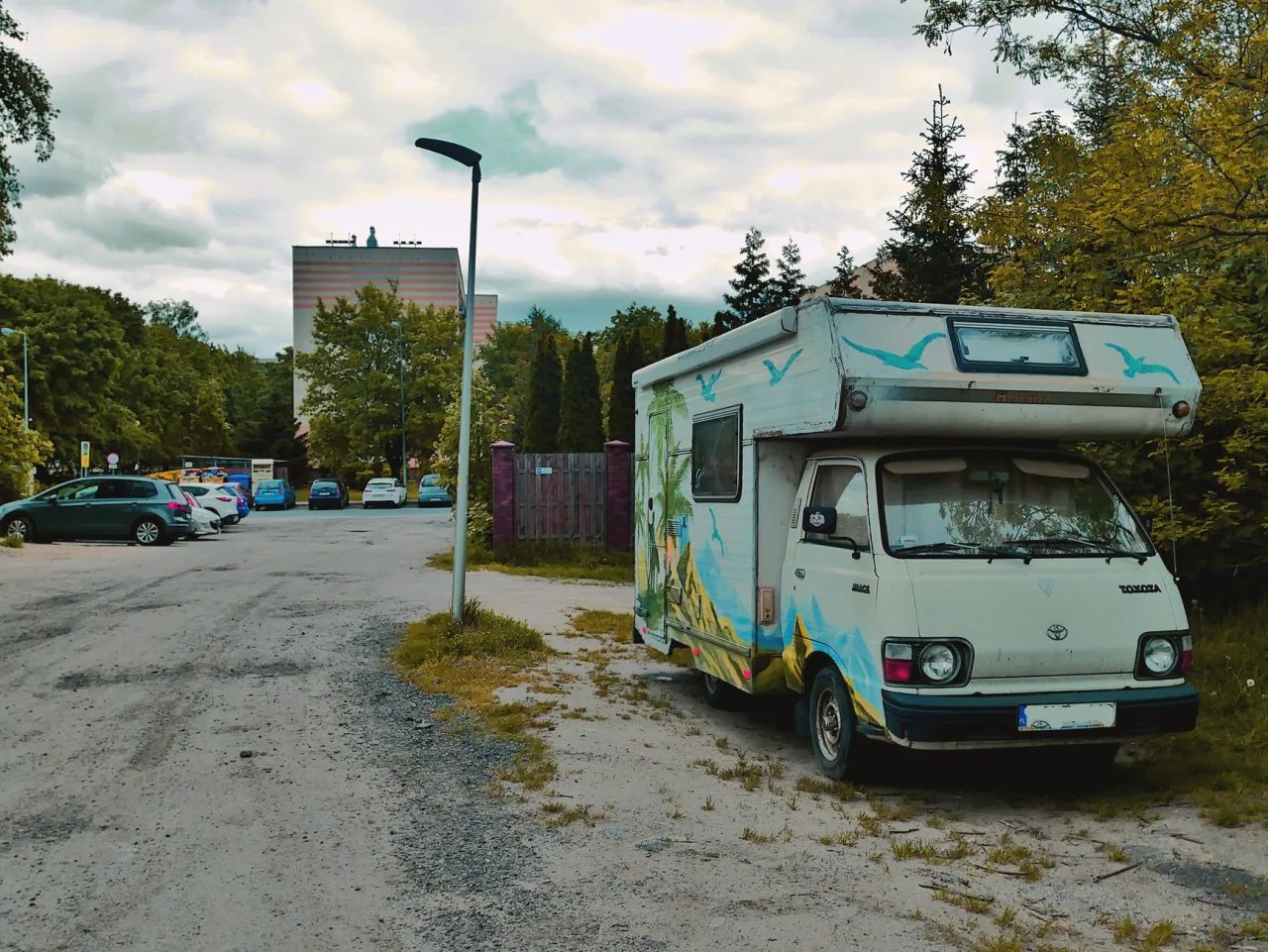
Cost tracks the tier closely. Basic and public sites sit at the budget end. Standard full hookup parks occupy the middle. Resorts and prime locations, like coastal or national park gateways in peak season, reach the top. Longer stays usually earn weekly or monthly discounts, so the per night figure drops the longer you book. Because seasonal demand swings prices constantly, treat any advertised rate as a starting point and confirm the current price, taxes and any extra vehicle or hookup fees when you reserve.
Location often matters more than the tier when it comes to price. A plain park a short drive from a famous beach or national park entrance can cost more than a well-appointed resort out in quieter countryside, simply because demand for the location is higher. If your budget is tight, one of the most effective moves is to stay a little further from the headline attraction and drive in, rather than paying the premium for a site right at the gate. Shoulder seasons, the weeks just before and after peak, frequently offer the best balance of pleasant weather, open facilities and lower rates.
How to search and compare
A search for "camper RV park" surfaces a jumble of genuine parks, marketing pages and stale listings. Compare at least two or three before committing.
- Read recent reviews across a range of scores, not just the headline average.
- Confirm current status and site types on the park's own site or by phone.
- For public land, lean on official systems. Recreation.gov handles reservations for camping and RV sites across federal parks and forests. For a broader sense of what park camping offers, the National Park Service camping pages are a reliable starting point.
- Cross reference the near-me variants too: our guides to RV sites near me and RV parks near me cover the site-level and location-level angles.
Camper RV park versus campground
People often use "RV park" and "campground" interchangeably, but there is a useful distinction. A campground leans toward nature, tents and simpler facilities, and may or may not offer hookups. An RV park is built around serviced sites for vehicles, with hookups as the norm. Many facilities blend both. If your camper is small and you are happy without a sewer connection, a campground may suit you and cost less. If you want full services and a level pad, an RV park is the better fit. Our RV campgrounds guide covers that middle ground.
First-timer tips
- Note your rig's length, height and amperage on your phone so you can check fit instantly.
- Book ahead for peak dates, but keep a simpler fallback for travel nights.
- Arrive in daylight for your first few setups while you learn the routine.
- Carry adapters for both 30 and 50 amp service, and a basic water pressure regulator.
- Read the park rules on arrival. Quiet hours, speed limits, campfire policy and pet leash rules protect everyone's stay.
- Introduce yourself to the office or host. They often know which sites are best and can flag any issues with your pad.
Above all, resist the urge to over-optimize your very first booking. You will learn more from one real weekend than from days of comparing listings. Pick a well-reviewed standard park that clearly fits your rig, keep the trip short and close to home, and treat it as practice. Once you know your own preferences, whether you crave hookups and Wi-Fi or care more about space and quiet, every future search for a camper RV park gets faster and more confident.
Frequently asked questions
What is a camper RV park?
It is a facility with serviced sites where recreational vehicles, whether towable campers or drivable motorhomes, can stay overnight or longer. Sites typically offer electric hookups and often water and sewer, with shared amenities like laundry and bathhouses depending on the park's tier.
What is the difference between an RV park and a campground?
A campground leans toward nature and simpler facilities and may lack hookups, while an RV park is built around serviced vehicle sites with hookups as standard. Many places blend the two, so check the specific site types and services rather than relying on the label.
How much does a camper RV park cost?
It depends on the tier, region and season. Basic sites are cheapest, standard full hookup parks sit in the middle, and resorts cost the most, with prime locations charging a premium in peak season. Weekly and monthly stays lower the per night rate. Always confirm the current price at booking.
Do all RV parks have full hookups?
No. Basic and rustic parks may offer only partial hookups or none, relying on a shared dump station and water fill. Standard and resort tier parks usually provide full hookups with electric, water and sewer at each site.
How do I know if a park fits my camper?
Check the park's maximum site length against your rig's total length, including anything you tow, and confirm they offer your hookup amperage, usually 30 or 50 amp. When in doubt, call and ask before you book.
More guides on RV Parks & Resorts
Have a question or a topic to suggest?
We read every message. Tell us what you would like to see next on the blog.
Get in touchYou may also like

RV Park: Find and Compare Spots
How to find, compare and choose an RV park that fits your rig and your trip, whether you are stopping for one night or settling in for a season.
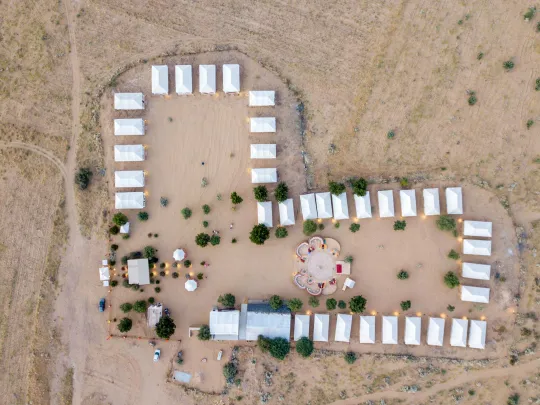
RV Resorts: The Complete Guide
What RV resorts actually are, how they differ from standard parks, what the amenities and premium cost, and how to tell a genuine resort from a marketing label.
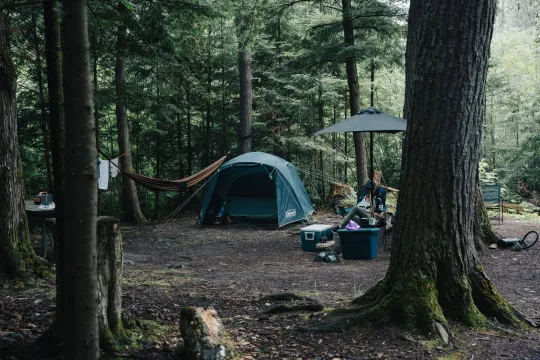
RV Campgrounds: Find and Compare
How to find, compare and choose an RV campground that matches your vehicle, your power needs and the kind of trip you want.