Find And Compare
Great Camping Spots Near Me
Skip the fake leaderboard and learn how to judge a genuinely great campsite close to home.
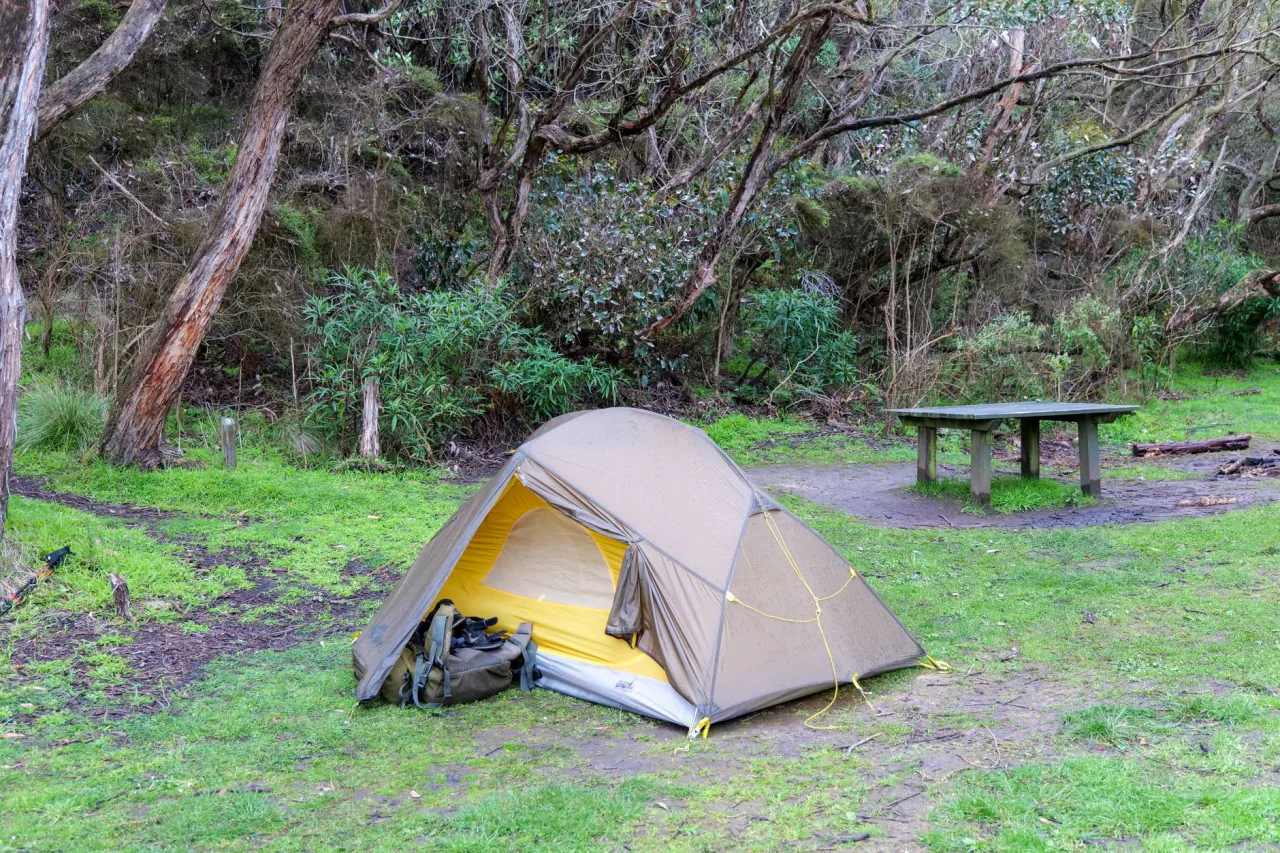
When you search for "great camping spots near me," you are not really after a list, you are after confidence that the place you book will actually be good. This guide skips the fake leaderboard and instead shows you how to spot a genuinely great campsite close to home, and how to tell it apart from a merely available one.
The short version
- A "great" spot is one that fits your trip, not one with the most stars on a page.
- Build a shortlist from official booking sites and maps, then judge each on setting, facilities and recent reviews.
- The best pitches at popular sites go first, so book early and keep a backup in reserve.
- Expect nightly fees to vary by season, region and site type, and always confirm the full total at checkout.
What makes a camping spot genuinely great
Greatness in a campsite is personal. A backpacker rates silence, a clean water source and a view, while a family rates flat ground, showers and a safe place for children to roam. Before you compare anything, decide which two or three qualities would make or break your trip. That single step turns a vague search into a filter you can actually use.
There is a useful distinction between a site that is good on paper and one that is good in practice. Photos flatter, and a headline price hides extras. The spots that people return to year after year tend to share a few traits: a setting that suits the activity, facilities that match the length of stay, and management that keeps the place clean and calm. If you are still weighing what kind of camping you enjoy, our complete guide to camping is a good place to get oriented first.
Where to look for the best spots near you
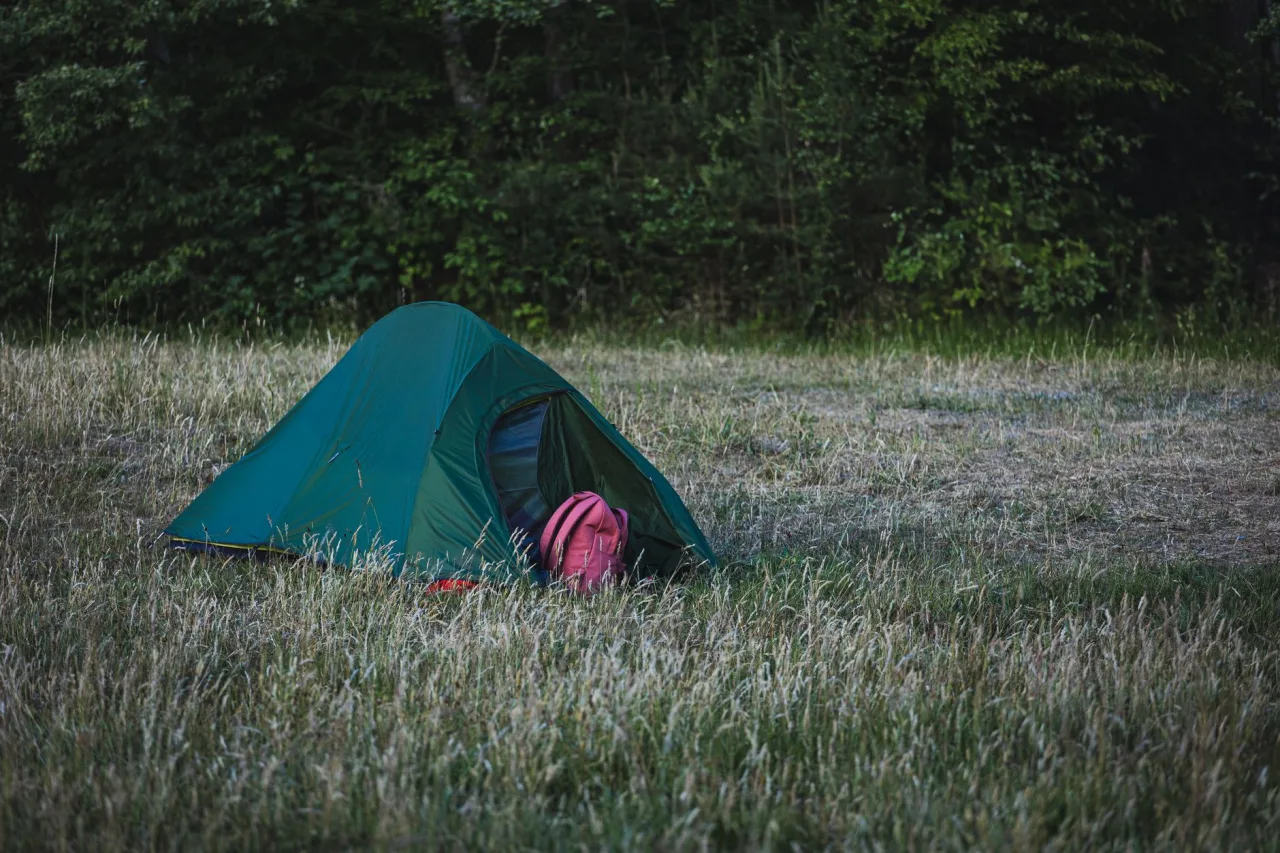
Skip any blog that promises secret spots and instead build your list from sources that show real availability and independent feedback. A sensible search stack looks like this:
- Official public-land booking sites: in the United States, Recreation.gov lists federal campgrounds and individual sites you can reserve directly, covering thousands of facilities.
- National and state park pages: the National Park Service camping pages explain seasons, rules and what each park offers before you commit.
- Private-park directories and booking platforms: handy for RV resorts and holiday parks, though quality varies, so lean on recent reviews.
- Plain map searches: these reveal nearby sites the directories miss and let you judge distance to towns, lakes and trailheads.
Cross-checking two or three of these gives a realistic picture. If one platform shows a site as full, another may hold a different block of pitches, and the park's own page is the final word on current conditions. For a broader walk-through of the same method, our guide to finding camping near you covers the search step in more depth.
The signals that separate great from average
Once you have four or five candidates, read them against the same signals so you are comparing like for like. These are the details that quietly predict a good stay:
- Setting and pitch type: wooded, open field, lakeside or hardstanding, and whether pitches are marked, spacious or tightly packed.
- Facilities that match your stay: a one-night stop needs little, but a week wants reliable showers, drinking water and waste disposal.
- Access and terrain: road quality, whether your vehicle fits, and how far you carry gear from the car to the pitch.
- Atmosphere and rules: quiet hours, campfire policy, pet rules and how tightly the site is managed.
- Recent reviews only: read the last few months, since cleanliness, ownership and atmosphere all drift over time.
Tip: Read the three-star reviews before the five-star ones. Middling reviews tend to name the real trade-offs, such as thin shade, road noise or a long walk to the toilets, that glowing and angry reviews both skip.
Finding the hidden gems close to home
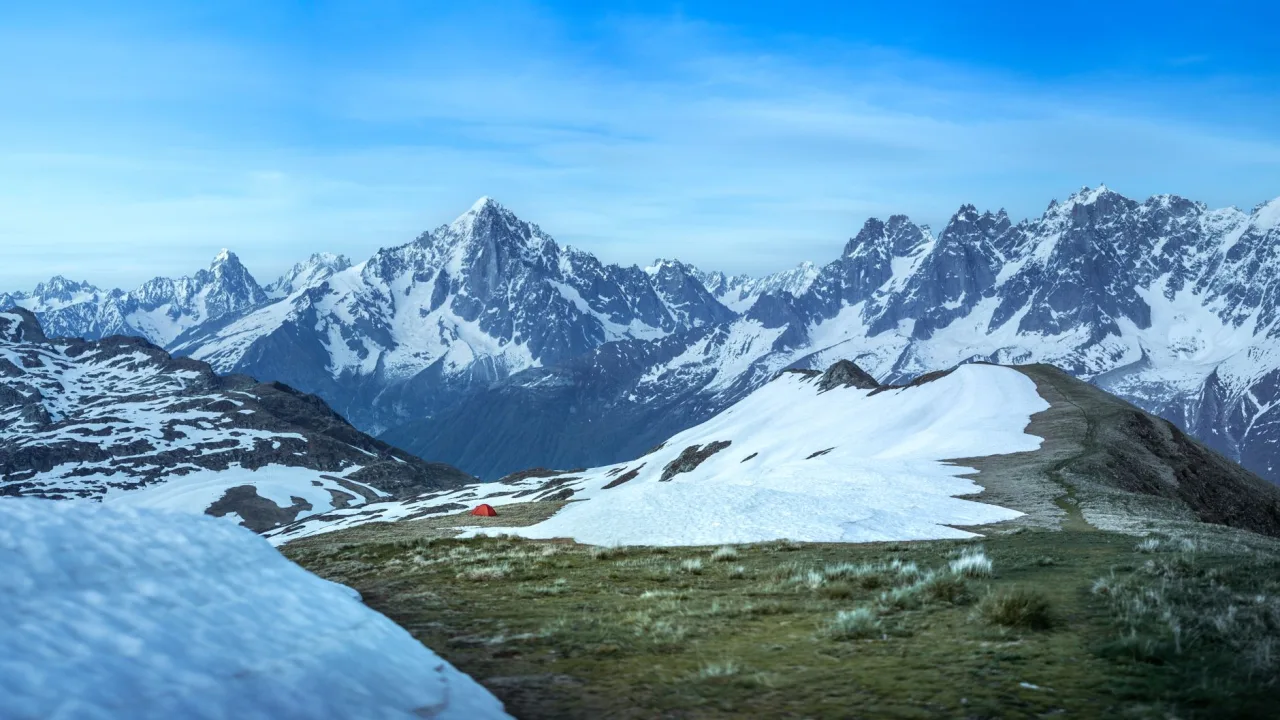
Some of the best spots near you are not the ones topping search results. Quieter, well-run sites often sit a short distance beyond the obvious honeypots. To surface them, widen your map radius by twenty minutes, look at smaller state and regional parks rather than only the famous ones, and check midweek availability, which often reveals sites that vanish on weekends.
Season is your other lever. A spot that feels crowded and ordinary in peak July can be spacious and beautiful in September. Shoulder seasons bring lower prices, thinner crowds and, in many regions, better weather for hiking. If a lakeside setting is what you are chasing, our roundup of lake camping near you shows how to judge water access, and families should see our notes on nice campgrounds near you for comfort-focused picks.
What a great spot near you typically costs
Prices move with the season, the region and how developed the site is, so treat any figure as a range rather than a quote. As a rough guide, a basic tent pitch on public land often sits at the lower end, developed private campgrounds with showers and hook-ups sit in the middle, and holiday parks or RV resorts with pools and extras sit at the top. Peak summer weekends and public holidays push everything upward, while shoulder-season midweek nights are usually the best value.
Watch for costs that never appear in the headline rate: extra-vehicle charges, fees per additional tent, pet surcharges, firewood and booking or resort fees. A site that looks cheaper can end up dearer once these stack up, so confirm the full total at checkout before you decide. Confirm fees when booking, since they vary widely by site and season.
Matching the spot to how you camp
The "best" spot depends entirely on your setup. A small tent fits almost anywhere with a flat patch of ground, so your options are widest. A camper van or trailer needs level ground, turning space and often hook-ups, which narrows the field. If you travel by RV, filter specifically for RV-friendly campsites near you rather than assuming a tent-focused site can take a large rig.
Tent campers who value a lighter footprint should check whether a site is walk-in or drive-up, since carrying gear a long way changes what you pack. Getting the kit right matters too, and our roundup of the best tents by budget can help you spend sensibly on gear that lasts more than one season.
Booking a great spot without disappointment
The most common mistake is leaving it late. The best pitches at popular sites near cities and famous parks fill months ahead for peak dates. Book early when you can, read the cancellation policy, and treat the following as a quick pre-trip routine:
- Confirm the essentials: dates, pitch or bay type, number of people and vehicles, and any pet or campfire rules.
- Hold a backup: keep a second site bookmarked in case your first choice is full or the weather turns.
- Save details offline: address, gate codes, arrival window and the site phone number, since signal is often poor on arrival.
- Check current conditions: fire bans, seasonal closures and flooding can all change a site at short notice.
Camping responsibly keeps great spots great. The widely used Leave No Trace principles boil down to packing out all rubbish, keeping to durable ground, minimising fire impact and respecting wildlife and neighbours. Leaving a pitch as you found it is the single habit that keeps these places open and pleasant for the next camper.
Frequently asked questions
How do I find great camping spots near me right now?
Start with an official booking platform or map to see what is genuinely available on your dates, then shortlist four or five sites and compare them on setting, facilities, access and recent reviews. Cross-check availability on two sources, because one platform may show different pitches from another.
What actually makes a camping spot great?
A great spot is one that fits your trip. Decide on the two or three qualities that matter most to you, such as quiet, a good view, clean showers or safe space for children, then judge each site against those rather than against a generic star rating.
How do I find quieter, less crowded spots?
Widen your map radius by twenty minutes, look at smaller state and regional parks rather than only the famous ones, and check midweek and shoulder-season dates. Quieter, well-run sites often sit just beyond the obvious honeypots and open up when demand drops.
How much should I expect to pay?
It varies a lot by season, region and site type. Basic public-land tent pitches tend to be cheapest, developed private campgrounds sit in the middle, and resorts cost the most. Peak weekends push prices up, so always confirm the full total, including any extra-vehicle or booking fees, at checkout.
Is it safe to just turn up without booking?
Sometimes, but it is risky at popular sites and in peak season, when the best spots fill early. Some public-land sites keep first-come pitches, yet these can go by early afternoon on busy weekends. Booking ahead and keeping a backup site is the safer approach.
More guides on Campgrounds & Campsites
Have a question or a topic to suggest?
We read every message. Tell us what you would like to see next on the blog.
Get in touchYou may also like
Camping Near Me: Find and Compare Spots
A practical method for finding, comparing and choosing a genuinely good campsite close to you, using the tools and questions experienced campers rely on.
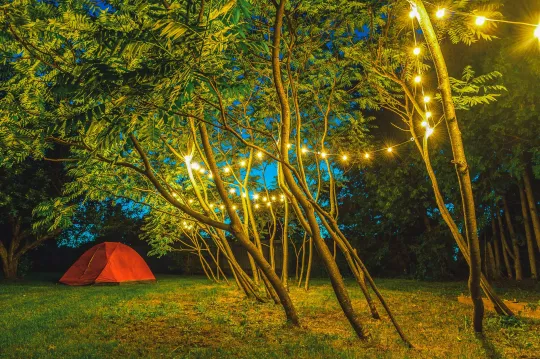
Nice Campgrounds Near Me
How to spot a comfortable, well-kept campground near you and tell it apart from one that only photographs well, from clean-facility signals to which amenities really matter.
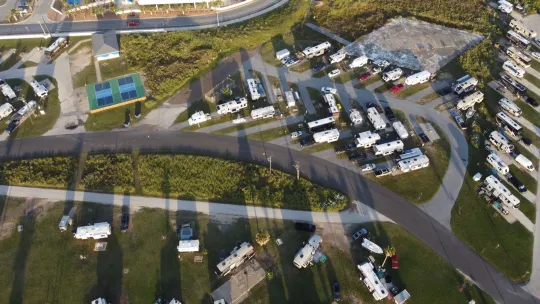
Camper Campgrounds Near Me
How to find a campground that fits a camper van, truck camper or small trailer near you, from choosing hook-ups versus self-contained pitches to checking access and cost.