Find And Compare
Camper Campgrounds Near Me
Between tent pitch and RV resort: how to find a site that fits your camper.
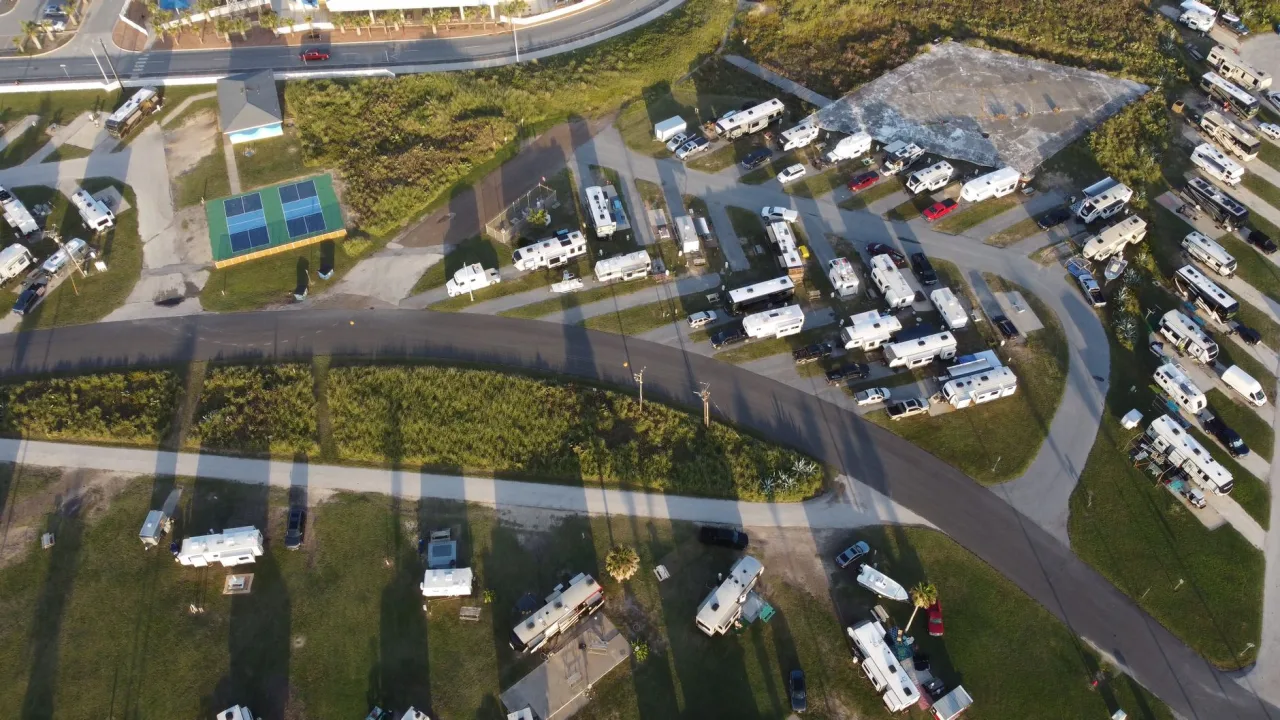
"Camper campgrounds near me" is a search with a foot in both worlds: campers range from van conversions and truck campers to small towable trailers, so the sites that suit them sit between tent pitches and full RV resorts. This guide is not a fake list of the best sites. It shows you how to find, compare and choose a campground that genuinely fits a camper.
The short version
- A "camper" is usually smaller and more flexible than a big rig, so more sites fit, but not all.
- Decide early whether you need hook-ups or can camp self-contained on your own power and water.
- Compare on access, pad or pitch surface and facilities, not just headline price.
- Fees vary by season and site type, so confirm the full total when you book.
What counts as a camper
Camper is a broad word, and that is the key to searching well. It covers camper vans and van conversions, truck campers that sit in a pickup bed, and smaller towable trailers and pop-ups. These are generally more compact and manoeuvrable than large motorhomes, so they fit a wider range of campgrounds, including many that a big rig could never enter. That flexibility is the camper's biggest advantage.
The trade-off is that campers carry smaller tanks and batteries than a large RV, so how long you can stay self-contained is limited. Before you search, decide two things: roughly how big and tall your camper is, and whether you want hook-ups or can manage a night or two off-grid. Those answers shape every site choice that follows. For the wider context of touring in a van, our complete guide to campervan sites is a useful companion.
The sites that suit a camper
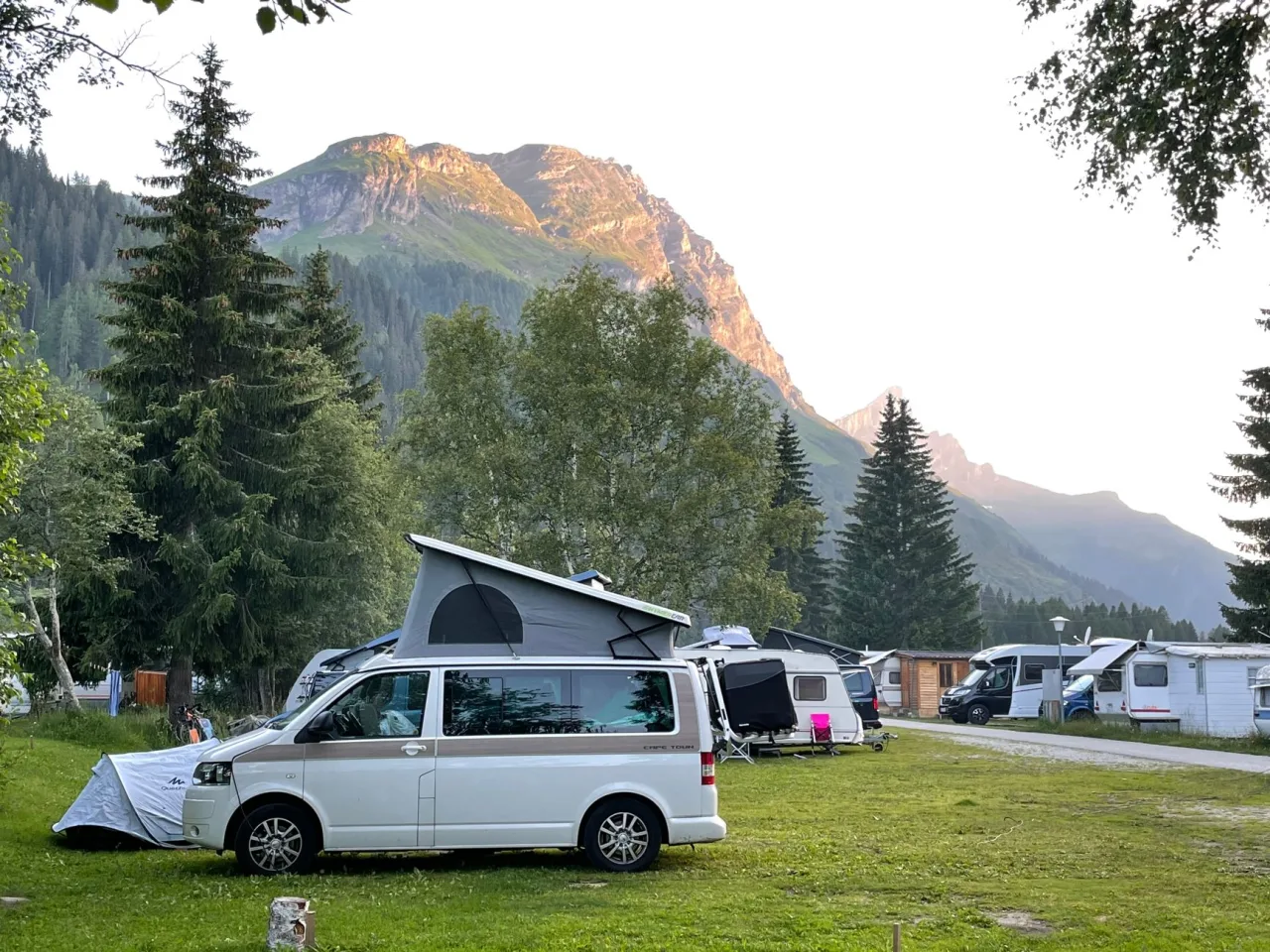
Because campers straddle the tent and RV worlds, several site types can work. Knowing the options widens your search:
- Standard campgrounds with vehicle pitches: many tent-and-vehicle sites happily take a van or small trailer on a drive-up pitch.
- RV parks and hook-up sites: ideal when you want electric, water and a dump station, though you may pay for capacity you do not need.
- Forest and public-land sites: often more natural and cheaper, with a mix of reservable and first-come pitches, though facilities are basic.
- Aires and van-friendly stopovers: simple overnight spots suited to self-contained campers, more common in some regions than others.
Match the type to how you travel. A weekend tourer who wants comfort leans toward hook-up sites, while a self-contained van chasing quiet leans toward forest or public-land pitches. If you decide you want full utilities, our guide to RV campsites near you covers hook-ups in detail, and tent-friendly options are in our guide to tent camping near you.
Where to search for camper sites
Build your shortlist from sources that show real availability rather than a single blog's picks:
- Official public-land booking sites: in the United States, Recreation.gov lists federal campgrounds and individual sites, with details such as maximum vehicle length.
- National and state park pages: the National Park Service camping pages explain which parks take vehicles and any size limits before you commit.
- Private-park directories and booking platforms: handy for hook-up sites and van-friendly stopovers, though quality varies, so read recent reviews.
- Maps and satellite view: a quick look at the access road and pitch layout reveals whether a van or trailer will fit comfortably.
Tip: Note your camper's height as well as its length. Low branches, height barriers at park entrances and covered walkways catch out van and truck-camper owners far more often than pitch length ever does.
The comparison checklist for campers
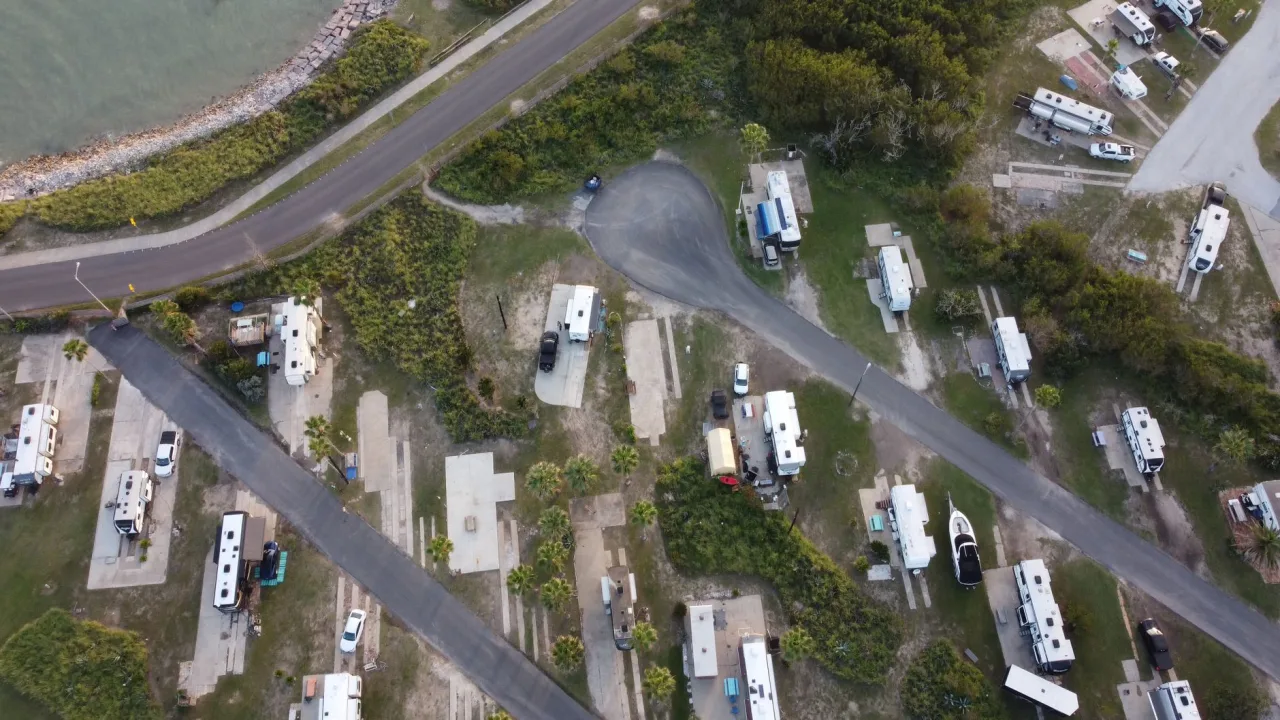
Once you have a few candidates, weigh them on the same criteria so you compare like for like:
- Access and size limits: confirm your length and height fit the pitch, the access road and any entrance barriers.
- Hook-ups versus self-contained: decide whether you need electric and water or can run off your own systems for the stay.
- Pitch surface: firm, level ground matters for sleeping comfort and for driving off after rain.
- Facilities: toilets, showers, drinking water and, importantly, somewhere to empty a portable or built-in toilet.
- Rules and setting: quiet hours, whether awnings or camping beside the van are allowed, and how close neighbours sit.
Read the last few months of reviews for notes from other camper owners about tight access or awkward pitches, since those rarely show in photos. The same method works anywhere, as our guide to finding great camping spots near you explains.
What camper sites typically cost
A camper often gives you a pricing advantage, because you can use cheaper vehicle pitches or basic public-land sites rather than paying full RV-resort rates. Still, prices move with the season, region and facility level, so treat any figure as a range. As a rough guide, basic public-land and forest pitches sit at the lower end, standard campgrounds and partial-hook-up sites sit in the middle, and full-hook-up parks and resorts sit at the top. Peak weekends push everything up, while midweek shoulder-season nights are the best value.
Watch for costs beyond the nightly rate, such as extra-vehicle or extra-guest fees, electric surcharges and booking fees. Because campers need less, it pays to avoid paying for hook-ups you will not use. Always confirm the full total at checkout, since rates vary widely by site and season.
Weekend touring versus longer trips
How long you plan to stay changes which campground suits your camper. For a weekend, a self-contained van can happily use a basic forest pitch or a simple stopover, since your fresh water and battery will comfortably last a night or two and the appeal is quiet and low cost. Facilities barely matter when you are only there to sleep and move on.
Longer trips shift the balance toward hook-ups and services. Once you are staying several nights, tank capacity becomes the limiting factor, and a site with electric, a water fill and a dump point lets you settle in rather than constantly managing power and waste. Showers and laundry start to matter too. A useful habit is to mix the two: use cheaper self-contained pitches for short hops, then book a fuller-service site every few days to recharge, refill and empty. Planning your route around where you can reliably top up water and dispose of waste is what keeps a longer camper trip relaxed rather than a running logistics puzzle.
Camping smart in a camper
A little preparation makes camper trips smooth. Run through a short routine before each stay:
- Confirm the essentials: dates, your length and height, whether you need hook-ups, and any awning or beside-the-van rules.
- Plan your services: know where you will fill fresh water and empty waste and toilet, especially on self-contained stays.
- Arrive in daylight: levelling and parking a van or trailer is far easier before dark and quieter for neighbours.
- Keep a backup site: a bookmarked alternative saves the day if your first choice is full or access looks tight.
Responsible camping keeps these sites open to campers. Follow the widely used Leave No Trace principles, empty waste only at proper facilities, never tip grey water or toilet waste on the ground, keep to quiet hours and pack out all rubbish. For a broader look at how camping works across tents, vans and RVs, the general overview of camping is a helpful primer.
Frequently asked questions
What is a camper compared with a full RV?
Camper is a broad term covering camper vans, truck campers and smaller towable trailers, which are generally more compact and manoeuvrable than large motorhomes. That means more campgrounds can take them, though they carry smaller tanks and batteries, so self-contained stays are shorter.
Can I use a normal campground with a camper?
Often yes. Many tent-and-vehicle campgrounds accept a van or small trailer on a drive-up pitch, which is a real advantage over big rigs. Always confirm the length and height limits and check the access road, since some sites and entrances are tighter than they look.
Do I need hook-ups for a camper?
Not always. If your camper is self-contained with its own power and water, you can stay a night or two off-grid at basic or forest sites. If you want electric and water on tap or plan a longer stay, choose a partial or full hook-up site instead.
How much do camper campgrounds cost near me?
It varies by season, region and facility level. Basic public-land and forest pitches are cheapest, standard campgrounds sit in the middle, and full-hook-up parks and resorts cost the most. A camper often lets you use cheaper pitches, so avoid paying for hook-ups you will not use and confirm the full total at checkout.
What should I check before booking for my van or trailer?
Confirm your length and height fit the pitch, the access road and any entrance barriers, then decide whether you need hook-ups or can run self-contained. Check the pitch is firm and level, and know where you will fill fresh water and empty waste, especially on off-grid stays.
More guides on Campgrounds & Campsites
Have a question or a topic to suggest?
We read every message. Tell us what you would like to see next on the blog.
Get in touchYou may also like
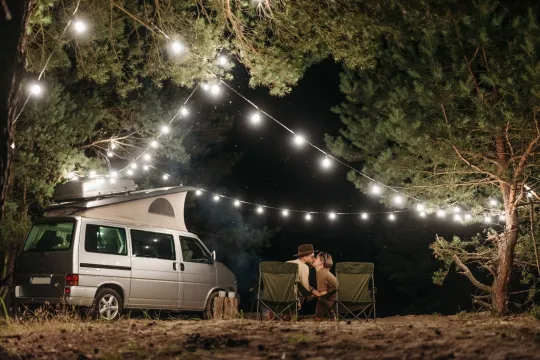
Campervan Sites: The Complete Guide
Everything you need to plan where to pitch a campervan: site types from serviced parks to farm pitches and stopovers, facilities, costs and how to book responsibly.
Campsites for RVs Near Me
How to find a campsite that actually fits your motorhome or trailer, from matching rig length and hook-ups to reading site types, comparing pads and avoiding arrival-day stress.
Tent Camping Near Me: How to Choose
An honest method for finding tent camping near you: what makes a good pitch, the amenities checklist, realistic pricing, and how to search and book properly. Not a fabricated leaderboard.