Kentucky Camping
Big Bone Lick Campground Guide
Kentucky's birthplace of American paleontology has a 62-site campground and a live bison herd. Here is how to choose your site and book.
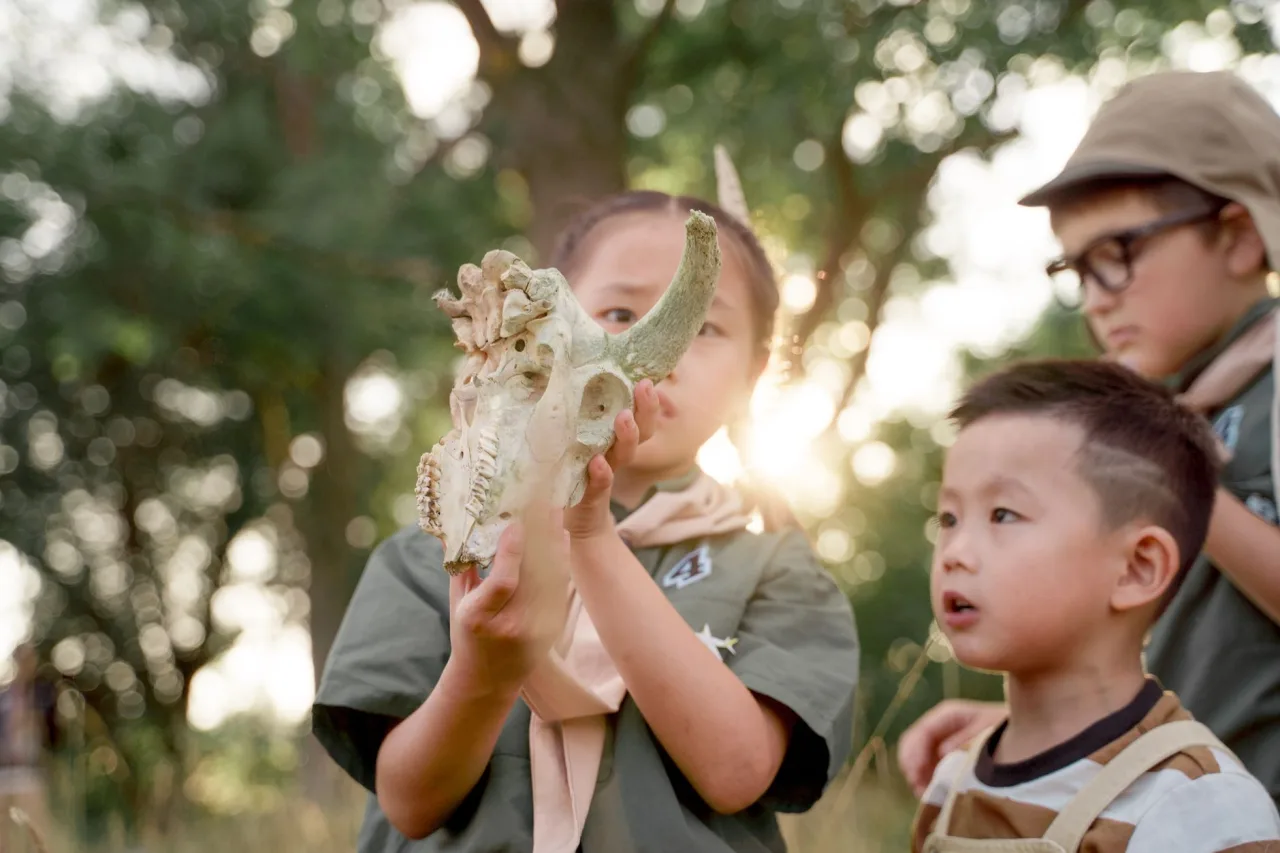
Big Bone Lick is one of the most unusual places you can pitch a tent in the United States: a Kentucky state historic site where Ice Age giants once gathered at a salt lick, and where a small bison herd still grazes today. This guide is not a fake directory. It is an honest look at how to find, compare, and choose your stay at the Big Bone Lick campground, built on confirmed facts.
The short version
- Big Bone Lick State Historic Site is in Boone County, Kentucky, and is billed as the birthplace of American paleontology.
- The park has a 62-site campground plus picnicking facilities, and maintains a small bison herd on-site.
- It earned National Natural Landmark status in 2009 and National Historic Landmark status in 2024.
- This is a compact, family-friendly historic-site campground, so book directly through Kentucky State Parks and confirm current rates and open dates.
What makes Big Bone Lick special
Big Bone Lick State Historic Site sits in Boone County in northern Kentucky, and its story is genuinely one of a kind. During the Pleistocene, a salt lick deposited around sulfur springs drew in megafauna such as mammoths and mastodons, whose bones gave the site both its name and its scientific fame. It is widely described as the birthplace of American paleontology, a claim reflected in its formal recognition: it was designated a National Natural Landmark in 2009 and received National Historic Landmark status in 2024.
For campers, that history is the whole point. A stay here pairs a night under the stars with a walkable outdoor museum, interpretive trails, and a small bison herd maintained on-site, a living nod to the great grazing animals that once used the lick. If you want a campground with a sense of place, this delivers.
The campground, by the confirmed facts
Keeping strictly to what is confirmed, here is what the site offers:
- Campground size: A 62-site campground.
- Day-use facilities: Picnicking facilities on-site.
- On-site attraction: A small bison herd is maintained at the park.
- Management: It is run by the Kentucky Department of Parks as a state historic site.
For specifics such as hookup availability, site types, current fees, and open dates, check the official Kentucky State Parks page for Big Bone Lick, and cross-reference the background on its Wikipedia entry. Because it is a single, compact campground, the choice here is less "which of many parks" and more "which site within this one park," which changes how you compare.
How to choose your site within the campground
At a 62-site campground you are comparing individual pitches rather than whole parks. Use these criteria:
- Hookups vs primitive: Decide whether you need electric or water hookups for an RV, or prefer a simpler tent site. Confirm what each loop offers.
- Shade and privacy: Ask about tree cover and spacing, which vary across loops.
- Proximity to restrooms and the bison viewing area: Families often value being close to facilities and the herd.
- Level ground and drainage: Important for both tents and RVs, especially after rain.
- Quiet vs social loops: Some campers want a quieter corner, others like being near the action.
For a broader primer on judging any campsite, see our complete guide to camping sites, and if you are traveling by motorhome, our RV campgrounds guide covers hookups and rig-length questions.
Wildlife tip: respect the bison
The bison herd is a highlight, but bison are large, powerful wild animals, not livestock you can approach. View them from the designated areas and fences, never enter their enclosure, keep children and dogs back, and use a zoom lens or binoculars rather than getting close. Give them space and enjoy the show safely.
Typical costs, as realistic ranges
Prices vary by season and site type and should be confirmed when booking. As a realistic 2026 planning range, Kentucky state park campgrounds commonly run from the mid-teens per night for basic tent sites up to the $30s for sites with electric and water hookups, with any premium or holiday pricing higher. Treat any figure as a starting point and confirm the current rate on the official Kentucky State Parks booking page, since state parks adjust fees over time and rates differ between primitive and full-hookup loops.
What to do on-site and nearby
Big Bone Lick rewards campers who stay to explore rather than just sleep over:
- Walk the interpretive trails and diorama that tell the Ice Age story of the salt lick.
- Visit the museum or visitor center to see fossils and learn why this is called the birthplace of American paleontology.
- View the bison herd from the designated viewing area.
- Use the picnicking facilities for a relaxed family lunch between activities.
Because the park is compact and history-focused, it pairs well with a broader Kentucky or Ohio River road trip. For trip-planning fundamentals, our complete guide to camping covers gear, meal planning, and Leave No Trace.
Booking tip
A 62-site campground is small, so summer weekends and holidays can fill up. Book directly through Kentucky State Parks as early as your dates allow, confirm the campground's open season before you travel, and have a backup plan for peak weekends. Booking with the official operator protects you from unofficial resellers.
Building your Big Bone Lick plan
Put it together like this. Understand that this is one compact, history-rich campground, not a directory of many. Choose your site within it by hookup needs, shade, and proximity to facilities and the bison. Confirm current fees and open dates on the official Kentucky State Parks page. Then book early for busy weekends and plan time to actually explore the trails, museum, and herd. That honest approach beats any fake ranking, because at a single-park destination like this, the best site is simply the open, bookable one that fits your setup and your family. For more destination ideas, our lake camping guide is a useful next read.
Frequently asked questions
Does Big Bone Lick have a campground?
Yes. Big Bone Lick State Historic Site in Boone County, Kentucky has a 62-site campground along with picnicking facilities. It is run by the Kentucky Department of Parks, so you book directly through Kentucky State Parks.
Why is Big Bone Lick famous?
During the Pleistocene, a salt lick around sulfur springs attracted megafauna such as mammoths and mastodons, whose bones made the site scientifically important. It is widely called the birthplace of American paleontology and holds National Natural Landmark status from 2009 and National Historic Landmark status from 2024.
Are there really bison at Big Bone Lick?
Yes. The park maintains a small bison herd on-site as a living connection to the great grazing animals that once used the lick. View them only from the designated areas and fences, since bison are large, powerful wild animals that should never be approached.
How much does camping at Big Bone Lick cost?
Prices vary by season and site type and should be confirmed when booking. As a realistic 2026 range, Kentucky state park campgrounds commonly run from the mid-teens per night for basic tent sites up to the $30s for sites with electric and water hookups. Confirm the current rate on the official Kentucky State Parks page.
How do I book a site at Big Bone Lick?
Book directly through Kentucky State Parks, which manages the site. Because it is a small 62-site campground, reserve as early as your dates allow for summer weekends and holidays, and confirm the campground's open season before you travel.
What is there to do at Big Bone Lick besides camping?
You can walk interpretive trails about the Ice Age salt lick, visit the museum or visitor center to see fossils, view the bison herd from the designated area, and use the picnicking facilities. The park is compact and history-focused, making it a good stop on a wider road trip.
More guides on Campgrounds & Campsites
Have a question or a topic to suggest?
We read every message. Tell us what you would like to see next on the blog.
Get in touchYou may also like
Mammoth Campground: How to Choose
Which Mammoth do you mean? An honest guide to Yellowstone's year-round Mammoth Campground and the campgrounds around Mammoth Lakes, California.
Big Bend Campground Guide
A factual guide to Big Bend National Park's real campgrounds, Chisos Basin, Rio Grande Village and Cottonwood, plus its RV and backcountry options, and how to reserve and prepare for the desert.
Riverside Campgrounds: How to Choose
An honest framework for vetting any riverside campground, covering flood safety, bank access, insects, drainage and realistic 2026 prices before you book.