Texas National Park
Big Bend Campground Guide
The park's real campgrounds, RV and backcountry options, costs, booking on Recreation.gov, and how to prepare for the West Texas desert.
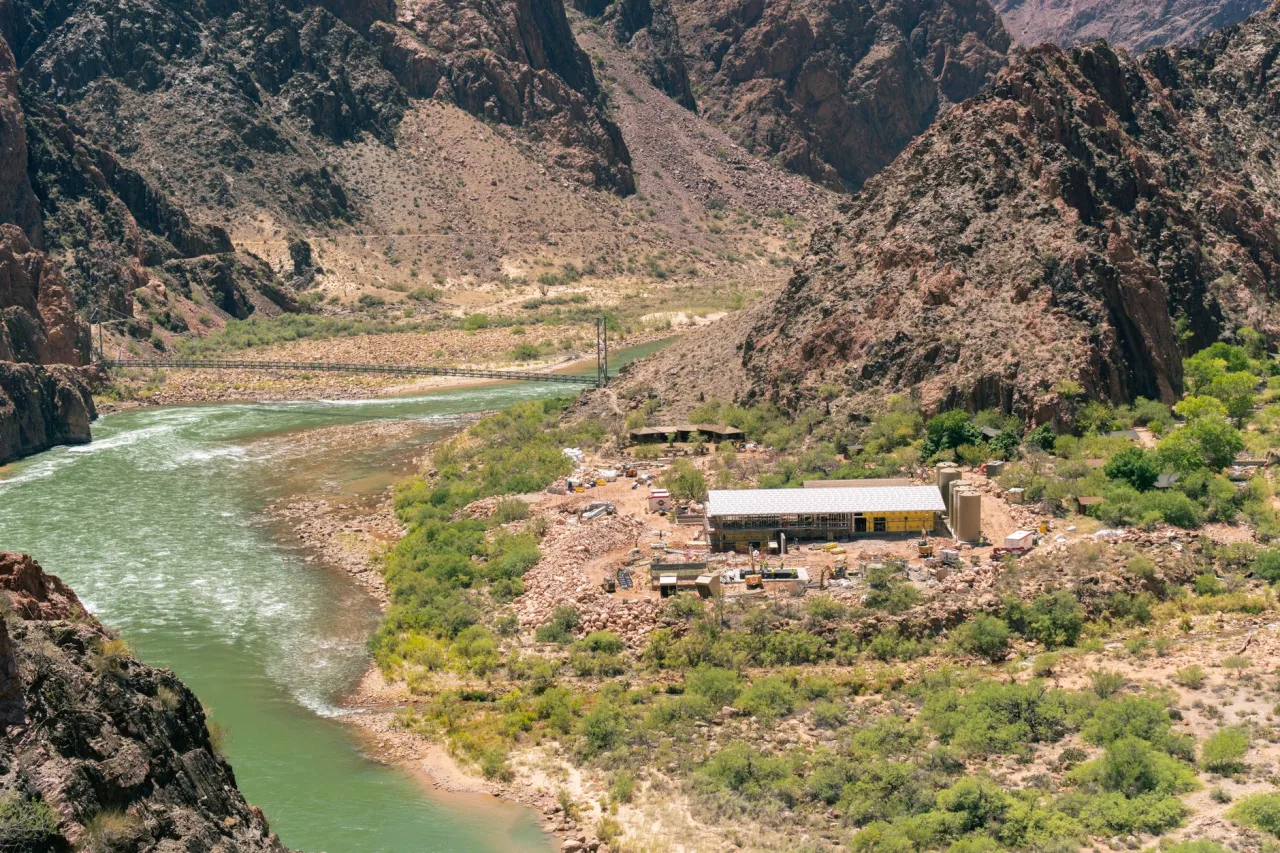
Big Bend National Park in West Texas is one of the darkest, most remote and most rewarding places to camp in the United States, with the Chisos Mountains rising from the Chihuahuan Desert and the Rio Grande carving canyons along the Mexican border. This is an honest guide to the park's real campgrounds and how to choose and book the right one, not a made-up ranking.
The short version
- Big Bend has three developed campgrounds run by the National Park Service: Chisos Basin, Rio Grande Village and Cottonwood, all requiring reservations through Recreation.gov.
- A separate concession-run RV park at Rio Grande Village offers full-hookup sites for larger rigs.
- Standard developed sites have been listed around 16 US dollars per night, but always confirm the current fee when you book, as rates change.
- The park is huge, hot in summer and cold on winter nights at altitude, so match your campground and gear to the season and your vehicle.
The real campgrounds inside Big Bend
According to the National Park Service camping page for Big Bend, the park operates three developed frontcountry campgrounds, each with a distinct character:
- Chisos Basin Campground sits high in the Chisos Mountains at roughly 5,400 feet, ringed by rocky cliffs. Its altitude makes it the coolest option in summer and a favorite base for hiking. Sites are compact and the access road is steep, so it suits tents and smaller vehicles rather than large RVs or trailers.
- Rio Grande Village Campground lies on the park's east side near the river and is the largest of the three, open year round. It offers shaded sites and is a good base for the eastern trails and the hot springs area.
- Cottonwood Campground is a smaller, quieter site on the western side near Santa Elena Canyon. It is more remote and, in recent seasons, has closed during the hottest summer months, so check current status before planning around it.
All three developed campgrounds require reservations through Recreation.gov. If you want a broader grounding in campground types and how park systems work before you dive in, our complete guide to camping is a good starting point.
RV camping at Big Bend
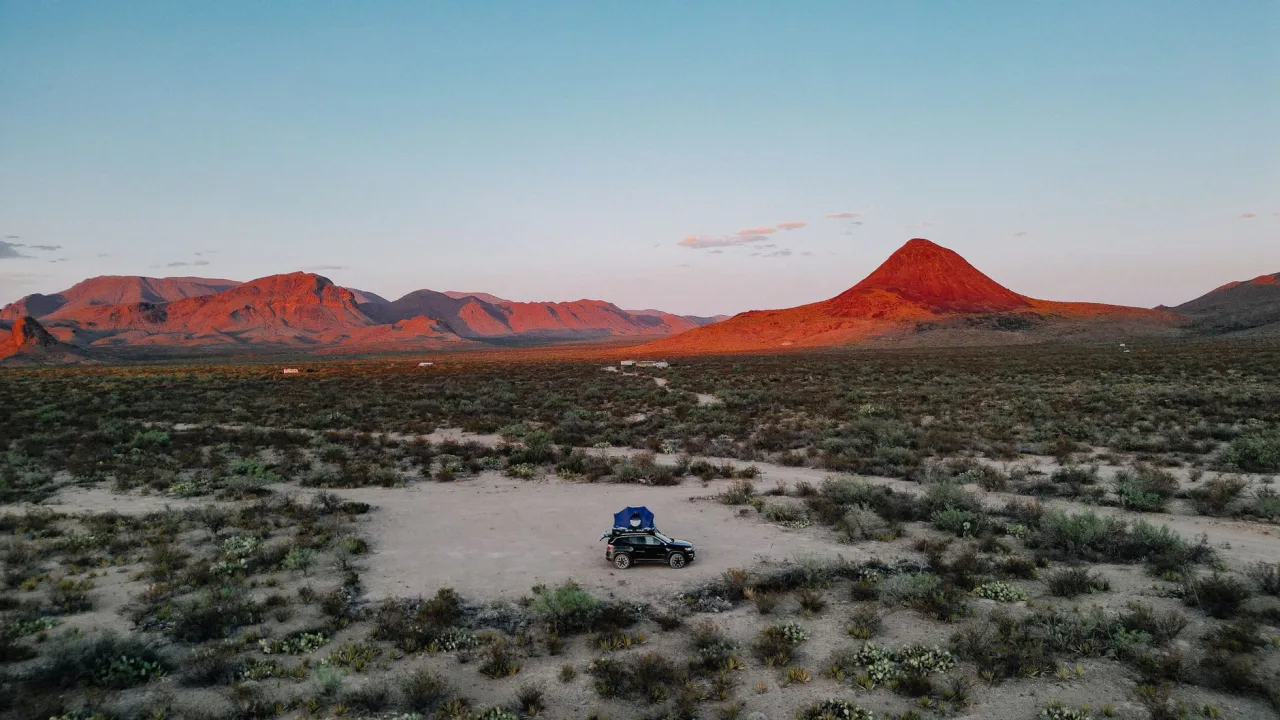
The developed campgrounds above are primarily for tents and smaller setups, and they do not have hookups. For RV travelers who need electricity, water and sewer connections, there is a separate concession-operated RV park at Rio Grande Village with full-hookup sites, run by the park's concessioner rather than the Park Service directly. Sites there are limited, so book early.
If you are touring the wider region in a motorhome, it helps to understand how full-service parks differ from national park campgrounds. Our overview of how to find and compare RV campgrounds explains hookups, rig-length limits and what to check before you commit.
Big rig warning
- The Chisos Basin road is steep with sharp switchbacks, and the Park Service advises against trailers over 20 feet and RVs over 24 feet on it. Check current vehicle guidance before driving up.
- The developed campgrounds do not offer hookups. For full connections, use the concession RV park at Rio Grande Village.
Backcountry and primitive camping
Beyond the developed campgrounds, Big Bend has an extensive network of backcountry sites for those who want solitude. The Park Service issues permits for most designated backcountry campsites, including the Chisos backpacking campsites and primitive roadside sites, online through Recreation.gov. Permits for some remote areas along rugged roads such as Maverick Road, River Road and Old Ore Road are available in person only at park visitor centers, so plan accordingly if that is your route.
Primitive camping here means genuine self-sufficiency: no water, no toilets and no cell service in most of the park. Carry far more water than you think you need, tell someone your plans, and never rely on a phone signal.
What it costs and how to book
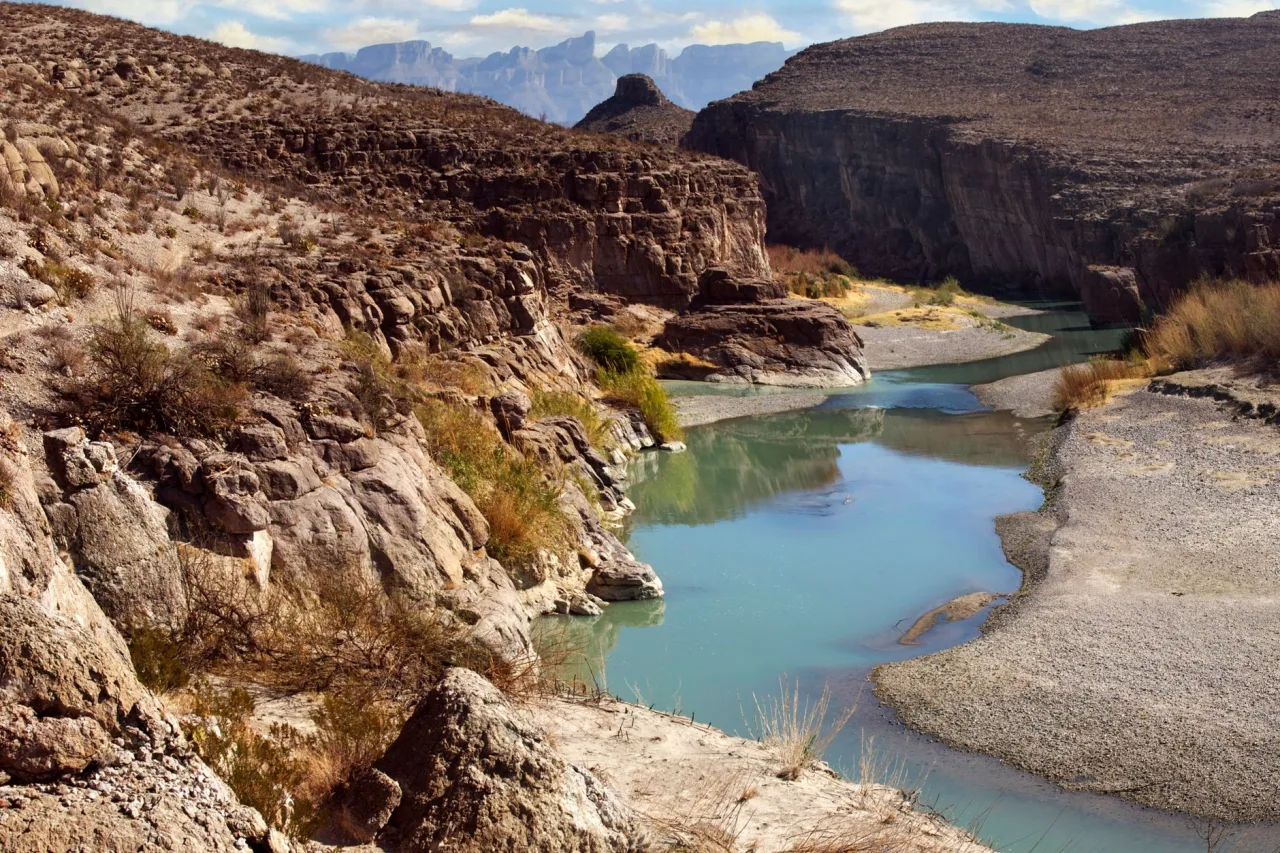
Standard developed sites at Big Bend have been listed at around 16 US dollars per night, with group and backcountry options priced differently. Because federal fees are reviewed periodically, treat any figure as a guide and confirm the exact rate at checkout. The official Big Bend camping gateway on Recreation.gov shows live availability, current pricing and reviews for each campground and is the authoritative place to book.
To secure a spot, especially in the busy spring season:
- Create a Recreation.gov account and save your details in advance.
- Learn the booking window. Federal sites typically open on a rolling basis a set number of months ahead.
- Be logged in and ready the moment your dates open, because popular spring weekends can book out very quickly.
- If your first choice is full, check back for cancellations and consider shifting to a weekday.
When to go: seasons at Big Bend
Timing shapes the whole experience:
- Spring is peak season, with pleasant temperatures and the biggest crowds. Reservations are essential and go fast.
- Summer brings intense desert heat at the lower elevations. The higher Chisos Basin stays cooler, which is why it is prized in the warm months.
- Autumn offers cooling temperatures and thinner crowds, a favorite of many returning visitors.
- Winter is mild by day but can be genuinely cold at night, especially at altitude, so pack a warm sleeping bag.
Because desert nights swing cold even after hot days, a properly rated bag matters. Our guide to the best sleeping bags for 2026 can help you match warmth to the season.
Packing for the desert
Big Bend's remoteness is the whole appeal, and also its main hazard. Prepare like the nearest store is hours away, because it often is:
- Water. Carry ample drinking water and extra for your vehicle. Supplies inside the park are limited and distances between them are long.
- Fuel and food. Fill up before entering and bring more food than you expect to need.
- Sun and heat gear. Wide-brim hat, sunscreen, and a shade tarp for exposed sites.
- A solid tent. Desert wind and sun test cheap shelters. See our tested tent picks by budget if you need an upgrade.
- Navigation. Download maps offline, as cell coverage is largely absent across the park.
Whatever site you choose, camp responsibly. Pack out all trash, respect wildlife including bears and mountain lions in the Chisos, and stay on established sites to protect the fragile desert.
Frequently asked questions
How many campgrounds are in Big Bend National Park?
The National Park Service operates three developed campgrounds: Chisos Basin, Rio Grande Village and Cottonwood. There is also a separate concession-run RV park with full hookups at Rio Grande Village, plus an extensive backcountry campsite network by permit.
Do I need a reservation to camp at Big Bend?
Yes. All three developed campgrounds require reservations through Recreation.gov, and most backcountry sites need a permit obtained online through the same system. Some remote backcountry areas require an in-person permit at a park visitor center.
How much does a campsite at Big Bend cost?
Standard developed sites have been listed at around 16 US dollars per night, with group and backcountry options priced differently. Fees change over time, so confirm the current rate on Recreation.gov when you book.
Can I bring a large RV to Big Bend?
The developed campgrounds have no hookups and Chisos Basin is not suited to large rigs because of its steep, winding road. For full hookups, use the concession RV park at Rio Grande Village, and check the park's current vehicle-size guidance before driving to the Basin.
What is the best time of year to camp at Big Bend?
Spring and autumn are the most comfortable and most popular. Summer is very hot at lower elevations, though the higher Chisos Basin stays cooler, and winter days are mild but nights can be cold. Book far ahead for spring, the busiest season.
More guides on Campgrounds & Campsites
Have a question or a topic to suggest?
We read every message. Tell us what you would like to see next on the blog.
Get in touchYou may also like
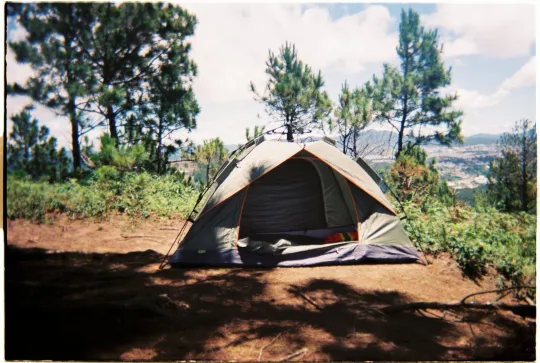
Camping: The Complete Guide
From types of camping and essential gear to planning a first trip, costs and safety, this complete guide helps you start with confidence.
RV Campgrounds: Find and Compare
How to find, compare and choose an RV campground that matches your vehicle, your power needs and the kind of trip you want.
Best Sleeping Bags 2026: Budget Picks
The right sleeping bag decides whether you sleep warm or shiver till dawn. This honest buyer's guide shows how to read temperature ratings, weigh down against synthetic, and pick the best bag for your budget and trips.