Buying a caravan · Caravan Parks & Touring
Autotrader Caravans: The Complete Guide
How to search marketplaces, read a listing without being fooled, and check a caravan properly before you buy.

If you have searched "Autotrader caravans" you are almost certainly hunting for a used or new caravan on a big classifieds marketplace, then trying to work out which listing is actually worth your money. This guide explains how those platforms work, the caravan types you will see, roughly what they cost, and the checks that separate a sound buy from an expensive mistake. It does not list specific vans or prices, because those change daily: it gives you the method to judge any listing yourself.
The short version
- Auto Trader and similar sites are classifieds marketplaces: they carry listings from dealers and private sellers, they do not vouch for each caravan themselves.
- The two broad families are touring caravans, towed behind a car, and static caravans, sited semi-permanently on a park.
- Prices swing enormously by age, layout, condition and whether you buy from a dealer or privately, so treat any single figure with caution and confirm at viewing.
- The listing is a shortlist tool. The real decisions are damp checks, weight limits and paperwork, done in person before money changes hands.
What "Autotrader caravans" really means
Auto Trader is a large vehicle classifieds marketplace, and alongside cars and vans it carries caravan and motorhome listings from both trade dealers and private sellers. Searching its caravan section, or any comparable marketplace, is how most buyers build a shortlist today. The important thing to understand is that a marketplace is a noticeboard, not a guarantor. It shows you what sellers have posted; it does not inspect each caravan or promise the description is accurate. That job stays with you.
Because of that, the search itself is only step one. A listing tells you a model, a year, an asking price and some photos. It cannot tell you whether the floor is soft, whether the damp has been papered over, or whether the tow weight suits your car. If you are new to the whole idea, start with our complete guide to caravans, then come back here to shop with a sharper eye.
Touring versus static caravans
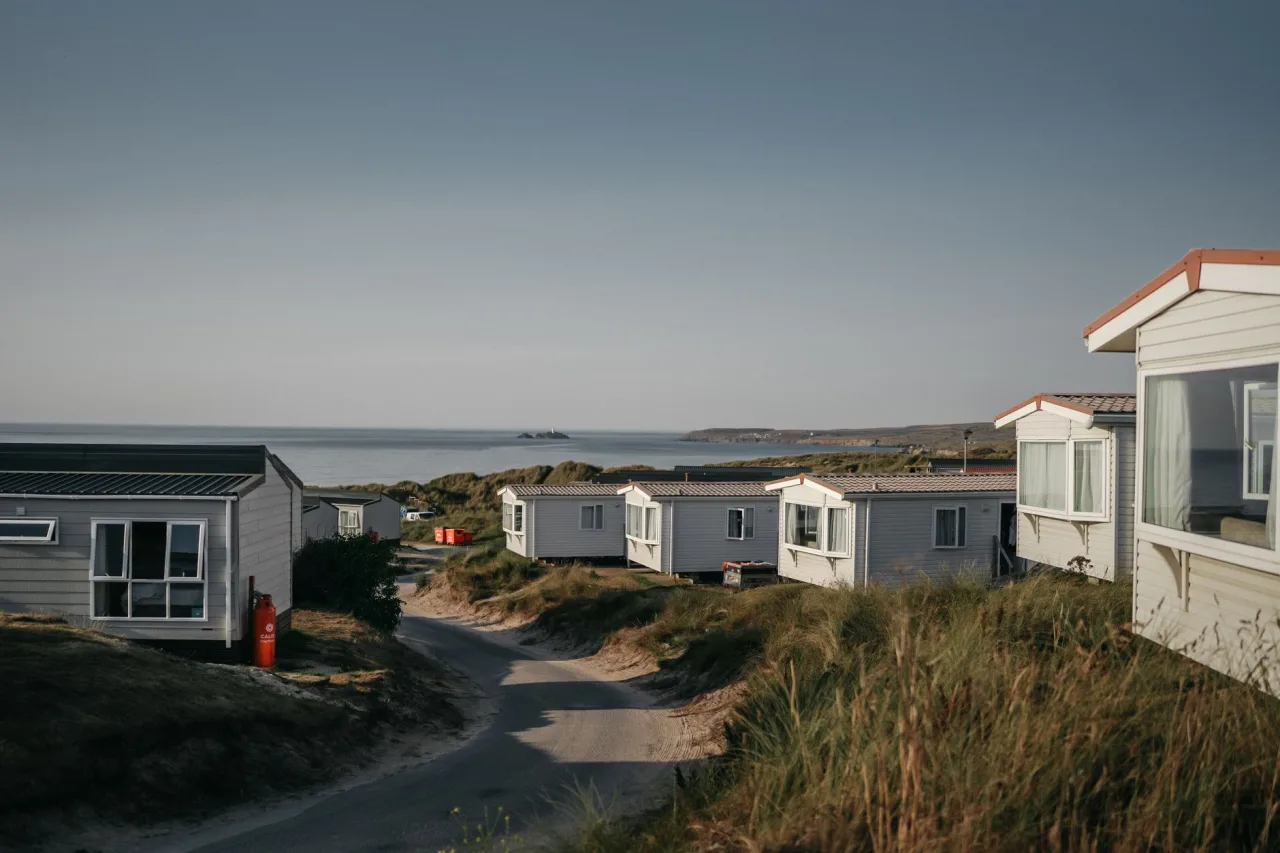
Almost every listing falls into one of two camps, and they suit completely different lives. According to Wikipedia's overview of caravans, the UK market separates touring caravans, which are hitched to a car and towed to a site, from static caravans and mobile homes, which are transported to a fixed pitch and anchored there.
- Touring caravans: you tow them, store them at home or in storage, and travel with them. Freedom is the appeal, but you must respect your car's towing capacity and licence limits.
- Static caravans: they stay put on a holiday park, often for years. You buy the van and then pay ongoing site fees, so the sticker price is only part of the cost.
Get this distinction clear before you filter listings, because a bargain static is useless if you wanted to tour, and a lightweight tourer will not give you a permanent seaside base. Our guides to caravanning and to buying static caravans go deeper on each path.
Reading a listing without being fooled
Listings are written to sell. Learn to read past the adjectives and focus on the facts that matter.
- Year and layout, not just model name: the same model changes over the years, and layout (fixed bed, bunks, end washroom) affects daily comfort far more than the badge.
- Weight figures: note the MTPLM (maximum technically permissible laden mass). Your car and licence must legally and safely handle it.
- Photo honesty: few, dark or cropped photos often hide something. Look for shots of the floor corners, ceiling seams and window surrounds where damp shows first.
- Dealer or private: dealers cost more but usually offer some warranty and a servicing history; private sales are cheaper but sold as seen.
- Service and damp history: a documented annual service and recent damp report are worth real money and reduce your risk sharply.
Tip: Treat the price as a question, not an answer. Ask yourself why this van is cheaper or dearer than similar ones. A low price usually reflects age, condition, damp risk or a fast sale, and a high one should be justified by history, condition and included extras.
What caravans actually cost
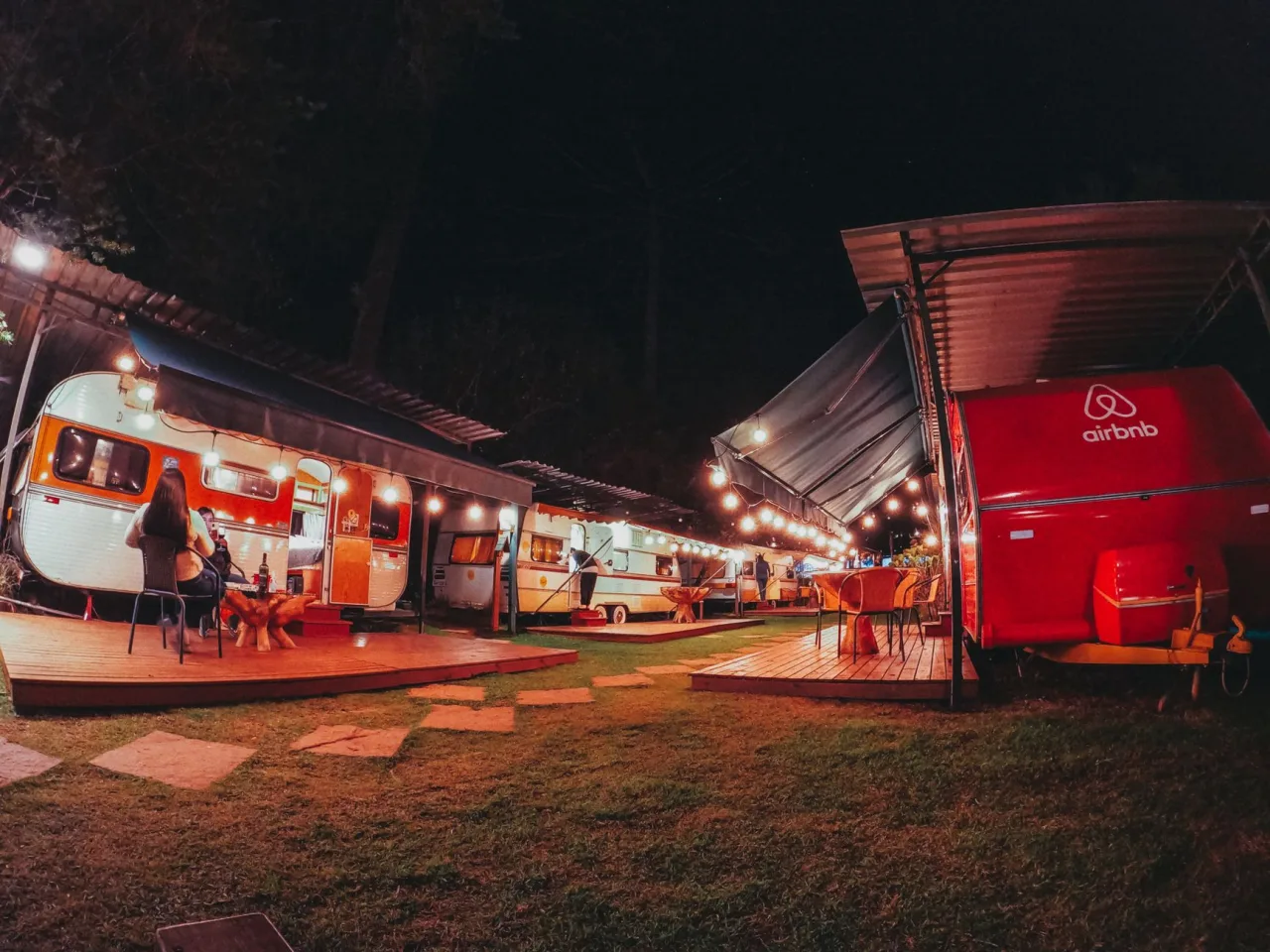
There is no honest single price, because the range runs from an old, tired tourer to a nearly new luxury van, and static caravans add years of site fees on top. Rather than chase a headline figure, price the exact model, year and condition you are considering, and compare several similar listings to find the going rate. Then factor the extras that catch first-time buyers out.
- For a touring caravan: insurance, a hitch lock and wheel clamp, storage if you cannot keep it at home, servicing, and any towing gear or mirrors your car needs.
- For a static caravan: annual site fees, rates, insurance, utilities and eventual decommissioning, which together often dwarf the purchase price over time.
For realistic figures and negotiation tactics, our pages on caravans for sale and used caravans break the costs down and, as always, confirm every number for your specific van and dates before committing.
The viewing: where deals are made or broken
Never buy a caravan from photos alone. A viewing, ideally in daylight and dry weather, is where you confirm the listing was honest.
- Damp is the big one: press around windows, floor corners and the shower for softness, look for stains and blistering, and smell for that musty odour. Damp repairs are expensive and often recurring.
- Structure and running gear: check the chassis for rust, tyres for age and cracking, and that the hitch, jockey wheel and corner steadies all work.
- Everything electrical and gas: test lights, the fridge, heating, water pump and sockets. Ask when the gas and habitation service were last done.
- Paperwork: confirm the seller's identity matches the documents, ask for the service history, and for statics check the site agreement and any transfer rules.
Warning: Be wary of any seller who will not let you view in person, pushes for a deposit to "hold" the van, or refuses to share documents. These are classic patterns in caravan scams on marketplaces. Never pay in full before seeing the caravan and its paperwork with your own eyes.
Where to look beyond one marketplace
A single classifieds site is a start, not the whole market. Cross-check across several sources so you know the true going rate and do not overpay on the first van you like. Dealer forecourts, specialist caravan sales sites, auctions and local listings all carry stock, and membership bodies such as the Caravan and Motorhome Club offer buying advice and member support. Comparing widely also helps you spot an unusually cheap listing that may be too good to be true.
Once you own a caravan, you will want somewhere to keep it and somewhere to take it. Our directory approach to finding and comparing sites can help you plan the trips that justify the purchase in the first place.
Frequently asked questions
Does Auto Trader sell caravans directly?
No. Auto Trader is a classifieds marketplace, so it hosts listings from dealers and private sellers rather than owning or selling the caravans itself. It does not inspect each van or guarantee the descriptions, which means all the usual checks, viewing in person, damp testing and confirming paperwork, remain your responsibility as the buyer.
What is the difference between a touring and a static caravan?
A touring caravan is towed behind a car to different sites and stored between trips, offering flexibility to travel. A static caravan is transported to a fixed pitch on a holiday park and anchored there semi-permanently, giving you a stable base but adding ongoing site fees. Decide which lifestyle you want before you filter any listings, because they suit very different needs.
How much should I budget for a used caravan?
There is no single figure, because price depends on age, model, layout, condition and whether you buy from a dealer or privately. Compare several similar listings to find the going rate, then add running costs such as insurance, storage, servicing and, for statics, annual site fees. Always confirm the total cost for the specific caravan before you commit.
What is the most important thing to check when viewing?
Damp is the single biggest risk. Press around windows, floor corners and the shower for soft spots, look for stains or blistering, and note any musty smell. Also check the chassis, tyres, hitch and all gas and electrical systems, and confirm the service history. Damp repairs are costly and recurring, so a thorough in-person check protects you.
How can I avoid caravan scams on marketplaces?
Insist on viewing the caravan in person before paying anything, and be suspicious of sellers who refuse. Never send a deposit to hold a van you have not seen, always check that the seller's identity matches the paperwork, and confirm the documents and service history. Paying in full only after an in-person viewing and verified paperwork removes most of the risk.
More guides on Caravan Parks & Touring
Have a question or a topic to suggest?
We read every message. Tell us what you would like to see next on the blog.
Get in touchYou may also like
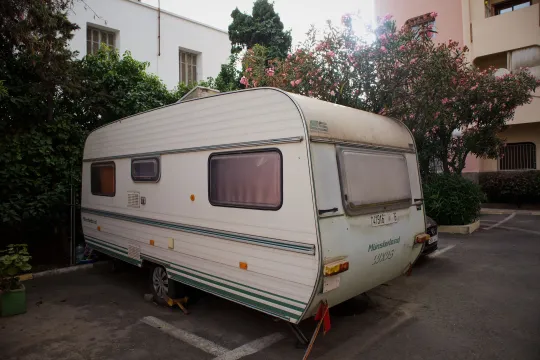
Caravan: The Complete Guide
Caravan types, buying and running costs, safe towing, and how to choose a caravan that fits how you actually travel.
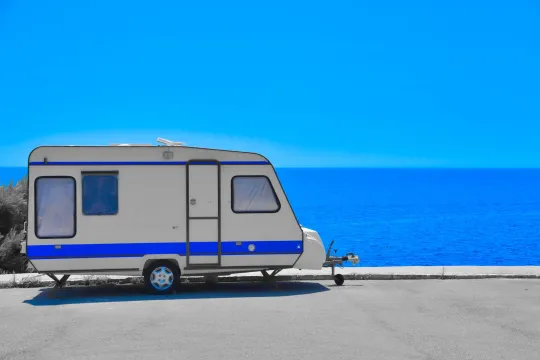
Caravans for Sale: Real Prices & Tips
Honest price ranges for used and new touring caravans in 2026, plus a damp and condition checklist and the running costs listings leave out.

Used Caravans: Prices & Buying Tips
A used caravan is cheap touring, or an expensive mistake. Get 2026 price ranges, the damp checks that make or break a deal, and how to negotiate from knowledge.