Find a Campsite
Tent Camping Near Me: How to Choose
A repeatable way to find tent campgrounds near you and compare them fairly, on the ground, drainage, amenities and true all-in cost that a map never shows.
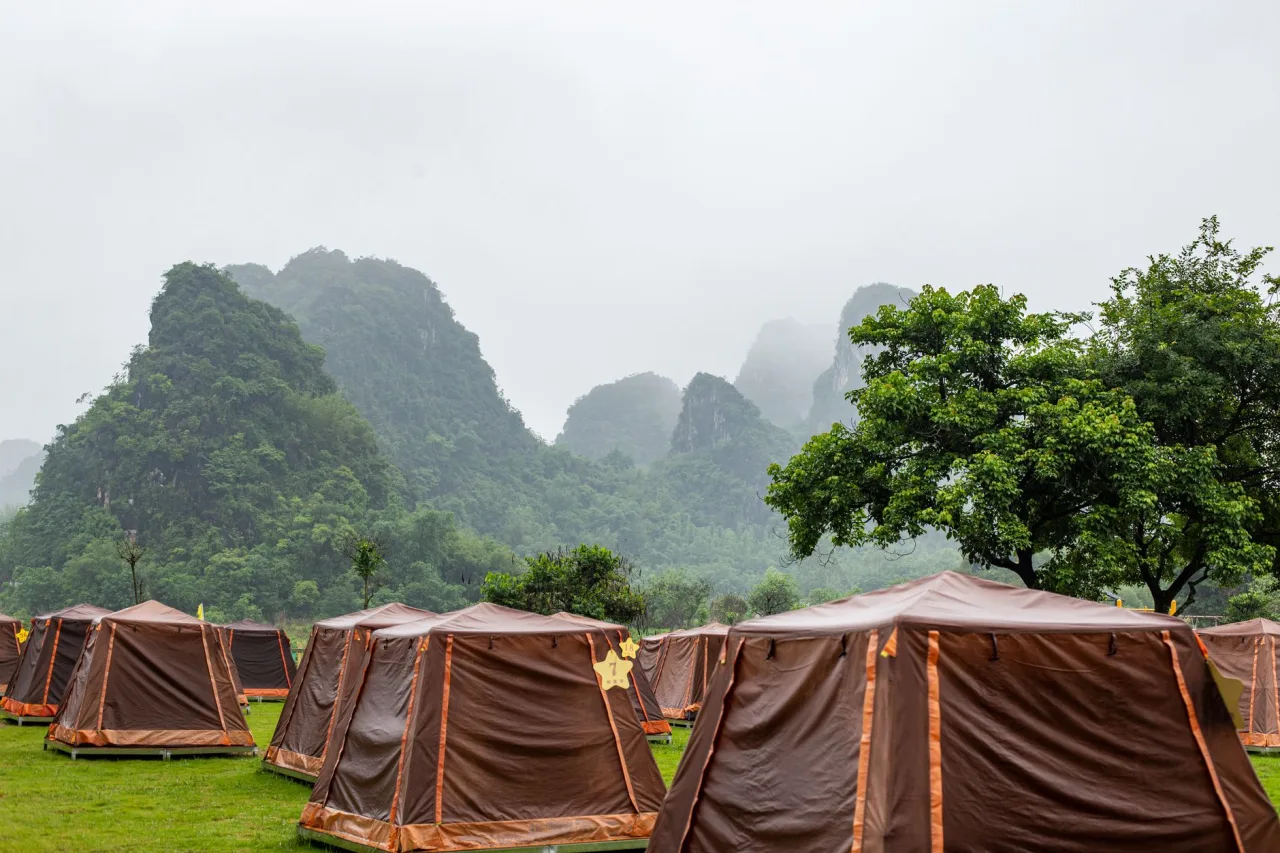
Searching "tent camping near me" hands you a map full of pins and no honest way to tell a great pitch from a gravel car park with a picnic table. This is not a fake leaderboard of "the ten best sites near you," because no such list can be accurate for every reader. It is the repeatable method for finding real tent campgrounds close to you, comparing them fairly, and booking the right one.
The short version
- "Near me" is a filter, not an answer. Proximity shortens the list; the same handful of criteria decide which nearby site is actually good.
- Tent camping has specific needs a map cannot show: level, well-drained ground, shade, and a sensible distance from toilets and the road.
- Compare on the all-in price, not the pitch fee. Extra-person charges, vehicle fees, firewood and shower tokens move the real number.
- Book official platforms and the site's own page, not just an aggregator screenshot, and read recent reviews from the season you plan to visit.
What "near me" actually buys you
A campground close to home is worth taking seriously, but not for the reason most people assume. The real value of local is low friction: a short drive means you can leave after work on a Friday, bail out cheaply if the weather turns, and try a first trip without committing a whole holiday to it. What proximity does not tell you is whether a site is any good. The nearest pin can be a cramped transit-stop field, and a place forty minutes further on can be a quiet, well-run campground by a river. So treat distance as the first filter you apply, then judge the survivors on merit, exactly as you would a site an hour away.
Start broader than a single map search. Look at each site's own website and its real booking calendar, not only the aggregator listing, and confirm what kind of place it actually is. As the general overview of camping notes, a campsite can be anything from a patch of dirt to a paved pad with utilities, and both appear under the same search. For a broader view of the whole process across all styles of stay, our guide to finding camping near you covers the general version; this page is specifically about tents.
What makes a good tent pitch, specifically
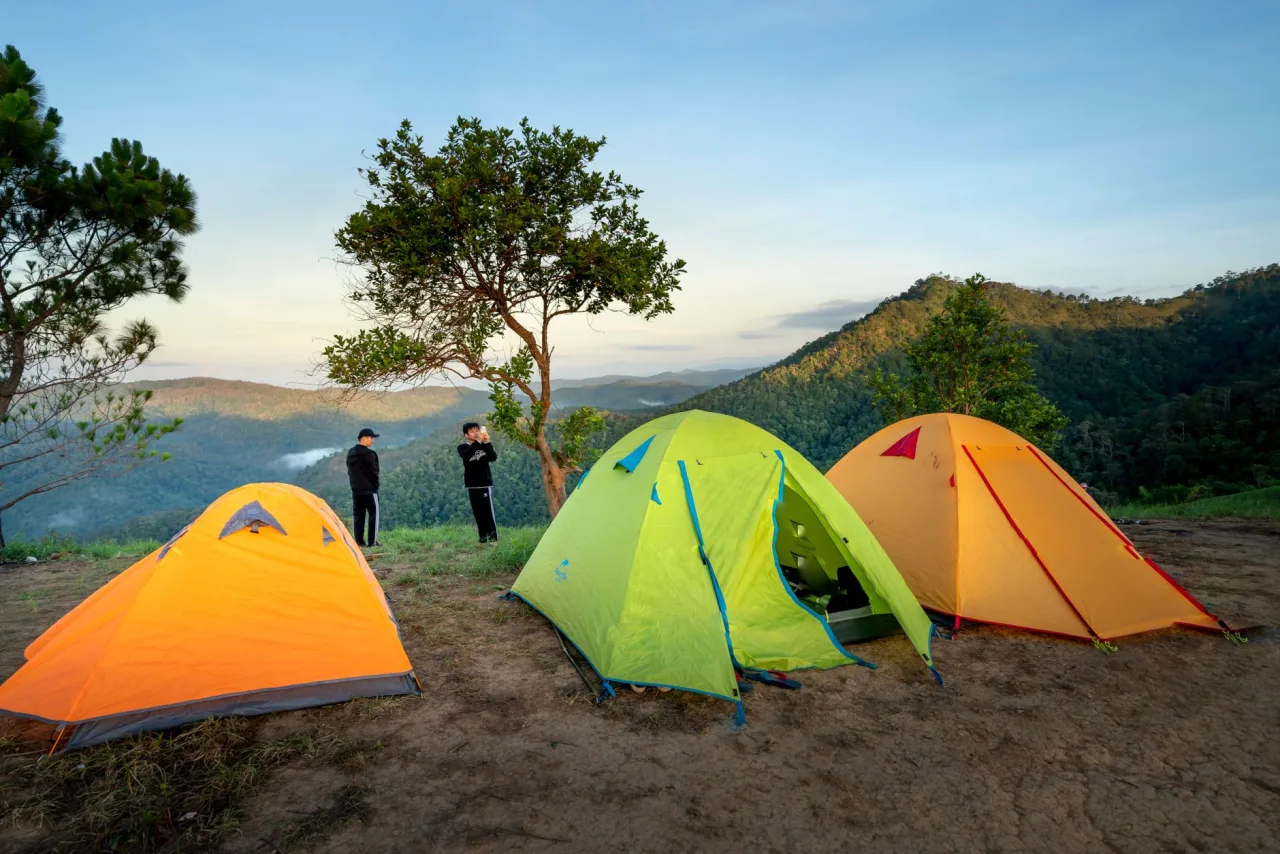
Tent camping is more sensitive to the ground than any other kind, because you sleep on it and your shelter has no wheels or floor of its own. A pitch that is fine for a motorhome can be miserable for a tent. The things that actually matter:
- Level, well-drained ground. A slight slope ruins sleep and a dip becomes a puddle in rain. Grass over free-draining soil beats hard-packed clay or a hollow.
- Shade and shelter. Some tree cover keeps a tent cooler in the morning sun and breaks the wind, but not directly under dead branches.
- Distance from the essentials. Close enough to the toilet block to walk at night, far enough that you are not beside the busiest path or the road.
- Ground you can peg. Solid rock or pure sand makes staking hard; a grassy pitch holds pegs and your guy lines.
None of this shows up on a map thumbnail, which is why photos and recent reviews matter more than the pin. If you are still sorting out the tent itself, our guides to the best tents by budget and the best camping tents cover choosing the shelter, and a good sleeping bag does as much for a comfortable night as the pitch does.
The amenities checklist
Decide what you actually need before you compare sites, because "amenities" means very different things to different campers. Run each shortlisted campground against this list and mark what it has:
- Toilets and showers: flush or vault, hot water or not, and how many blocks for the site's size.
- Drinking water: potable taps on site, or bring-your-own.
- Fire policy: fire rings or pits, whether fires are allowed at all, and current fire restrictions in dry seasons.
- Vehicle access: park-beside-tent, or a walk-in carry from a shared car park.
- Shade, picnic tables and food storage, plus any bear boxes where wildlife requires them.
- Extras: a camp shop, electric hook-up if you want it, phone signal, and dog policy.
What tent camping costs, honestly
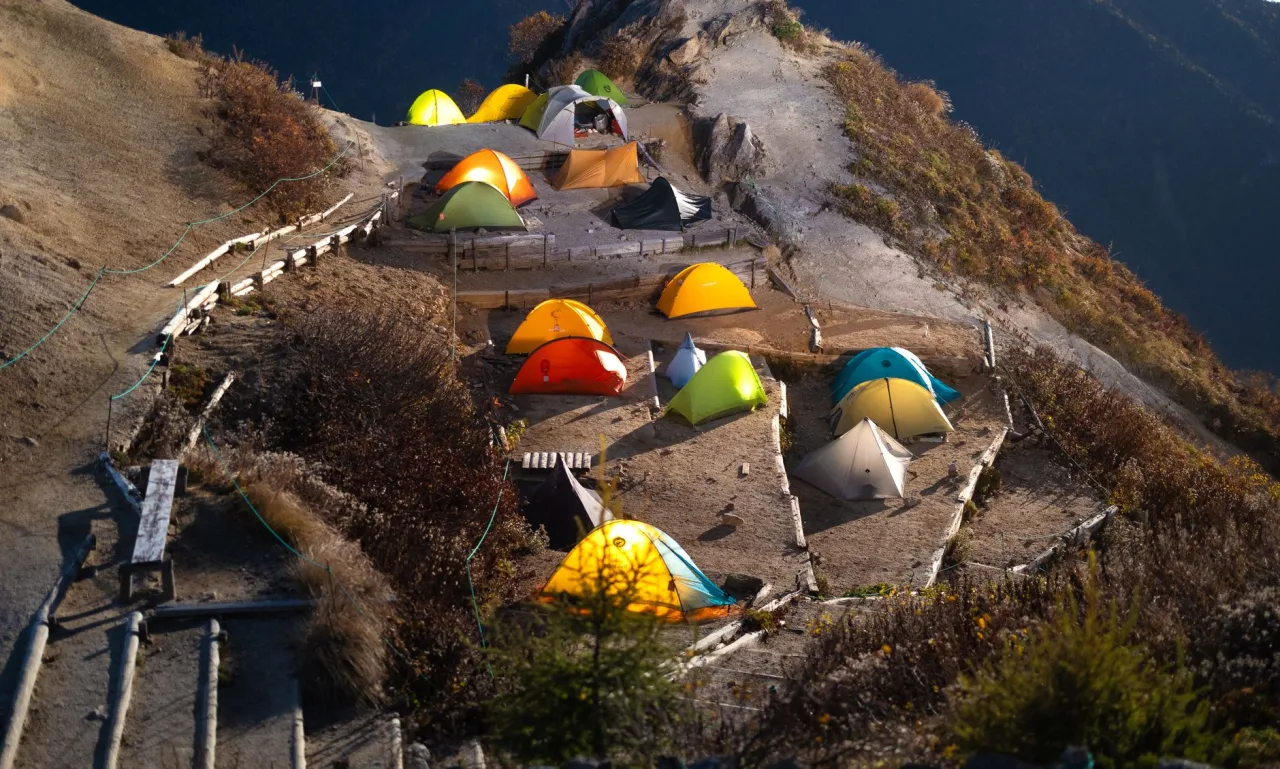
Do not trust a single quoted price, because tent pitch fees vary enormously by country, ownership and season. As a realistic frame rather than a promise: a basic tent pitch at a simple or public campground is usually inexpensive per night, a developed private site with good facilities costs more, and popular sites in peak season sit at the top. All of it varies by season and site, so confirm the real figure when you book. The trap is comparing headline pitch fees, because the true cost includes the add-ons.
Price the total, not the pitch: add per-person or per-tent charges, a separate vehicle or parking fee, firewood, shower tokens or coin meters, and any booking fee. Two sites with the same headline pitch price can differ sharply once these are counted, so ask for the all-in nightly total for your exact party size before you compare.
How to search and book properly
The map is where you start, not where you finish. A better process:
- Filter by distance and type to get a rough list of tent-friendly campgrounds in range.
- Open each site's own page, not just the aggregator card, to read the real facilities, pitch types and rules.
- Use official booking systems where they exist. In the United States, Recreation.gov is the reservation platform for many federal campgrounds across thousands of facilities and sites; elsewhere, national park and forestry bodies and reputable aggregators play the same role.
- Read recent reviews from your season. A site that is idyllic in June can be a mudbath in October, and reviews with dates tell you which you will get.
- Confirm the cancellation policy before you pay, since weather makes tent trips the most likely to move.
Camp responsibly wherever you pitch
A good tent trip leaves the site as good as you found it, and that is not just etiquette, it is what keeps campgrounds open and pleasant. The National Park Service publishes the seven Leave No Trace principles, which apply just as much at a busy developed campground as in the backcountry: plan ahead and prepare, camp on durable surfaces, dispose of waste properly, leave what you find, minimise campfire impacts, respect wildlife, and be considerate of other visitors. In practice that means using the pitch and fire ring provided, packing out your rubbish, keeping food secured from wildlife, and keeping noise down after dark.
Compare with the other ways to camp nearby
Tent camping is one option among several, and the honest move is to check whether it is the right one for your trip before you book. If you want to be beside water, our lake camping guide and beach camping guide apply the same method to those settings. If you are considering a vehicle instead of canvas, our motorhome campsites guide covers that route. And for the full picture of campground types, the campgrounds overview ties them together.
Frequently asked questions
How do I find good tent camping near me?
Start with a map search to see what is in range, then look past the pins. Open each campground's own website and booking calendar rather than trusting only an aggregator listing, confirm it genuinely takes tents, and read recent reviews from the season you plan to visit. Apply your real filters, distance, dates, party size and the facilities you need, so only sites that can actually host your trip survive. Proximity mainly buys you an easy, low-commitment trip; it does not guarantee the site is any good, so judge nearby sites on the same criteria as far ones.
What makes a good tent pitch?
Level, well-drained ground is the single most important thing, because you sleep on it and a slope or a dip ruins the night. Beyond that, look for some shade and wind shelter but not directly under dead branches, a sensible distance from the toilet block so it is walkable at night without being beside the busiest path, and ground you can actually peg into rather than solid rock or loose sand. None of this shows on a map, so lean on photos and recent reviews to judge it.
How much does tent camping cost?
It varies enormously by country, ownership and season, so confirm the price when you book. As a rough frame, a basic pitch at a simple or public campground is inexpensive per night, a developed private site with good facilities costs more, and popular sites in peak season sit at the top. The key is to compare the all-in total rather than the headline pitch fee, since per-person charges, vehicle fees, firewood and shower tokens can change the real cost significantly between two otherwise similar sites.
How do I book a tent campsite?
Once you have shortlisted sites, book through the official system where one exists. In the United States, Recreation.gov handles reservations for many federal campgrounds, while national park and forestry bodies and reputable aggregators fill the same role elsewhere. Book from the campground's own page or the official platform rather than a screenshot, read recent reviews from your season, and always check the cancellation policy before paying, because tent trips are the most likely to be moved by weather.
What amenities should I check for before booking?
Decide what you need first, then check each site against it: toilets and whether showers have hot water, potable drinking water, the fire policy and any seasonal fire restrictions, whether you can park beside your tent or must carry gear from a shared lot, plus shade, picnic tables, food storage or bear boxes where wildlife requires them, and extras like a shop, electric hook-up, phone signal and the dog policy. Matching the site's amenities to your real needs matters more than picking the one with the longest feature list.
Do Leave No Trace rules apply at a developed campground?
Yes. The National Park Service's seven Leave No Trace principles apply at a busy developed campground just as much as in the backcountry: plan ahead, camp on durable surfaces, dispose of waste properly, leave what you find, minimise campfire impacts, respect wildlife and be considerate of other visitors. In practice that means using the pitch and fire ring provided, packing out all your rubbish, keeping food secured from wildlife, and keeping noise down after dark so the site stays good for everyone.
More guides on Campgrounds & Campsites
Have a question or a topic to suggest?
We read every message. Tell us what you would like to see next on the blog.
Get in touchYou may also like
Camping Near Me: Find and Compare Spots
A practical method for finding, comparing and choosing a genuinely good campsite close to you, using the tools and questions experienced campers rely on.
Lake Camping Near Me: How to Choose
An honest method for finding lake camping near you: what lakeside really means, water safety and rules, the extra factors like bugs and water level, and how to book the right pitch.
Best Tent 2026: How to Choose by Budget
There is no single best tent, only the best one for how you camp. An honest framework for choosing by weather rating, size and budget in 2026.