Destination Guide
Big Bear Campgrounds Guide
A high mountain lake with a short season: how to pick and book the right Big Bear site.
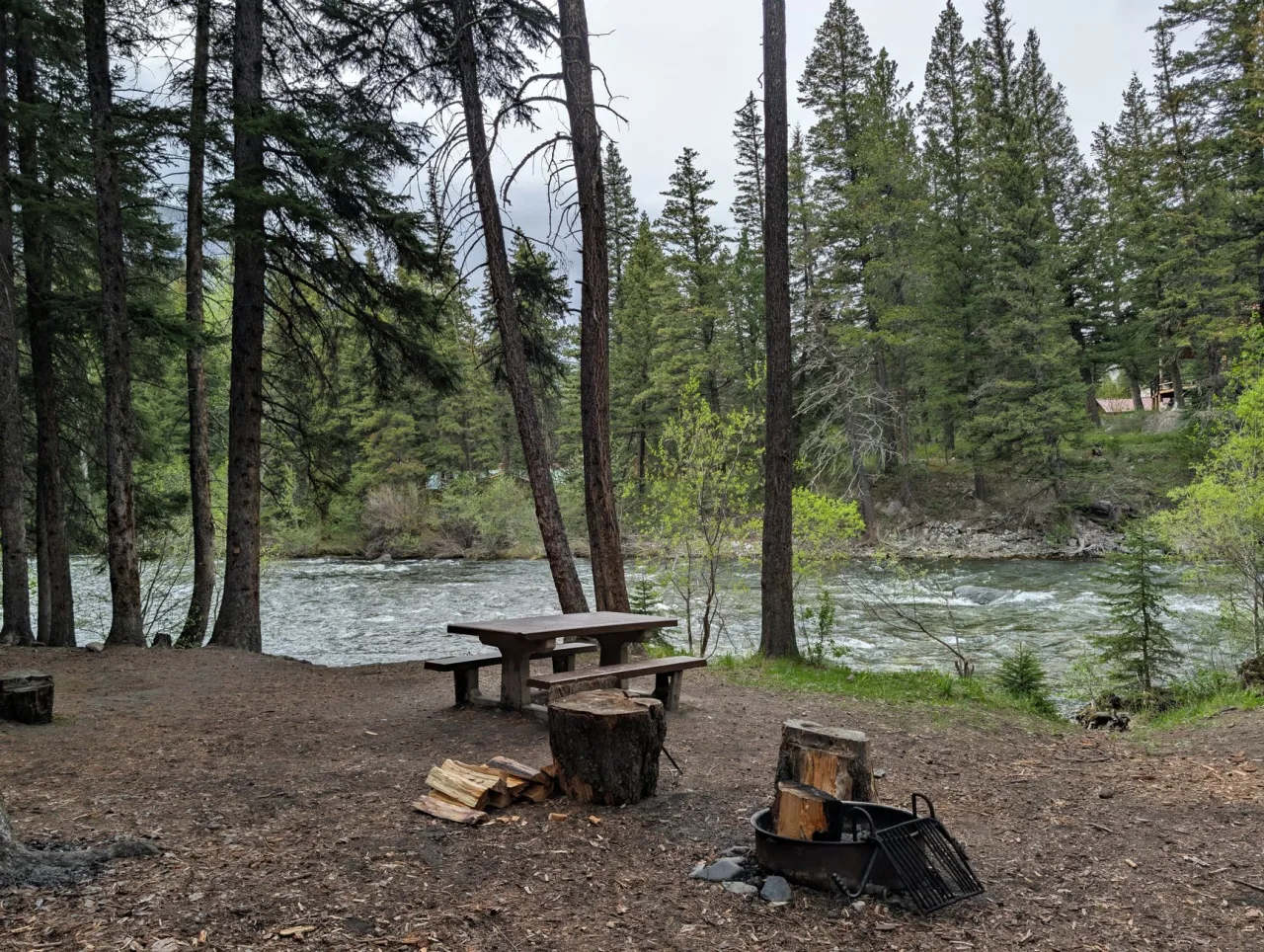
Big Bear is one of Southern California's favourite mountain escapes, and its campgrounds book up fast for exactly that reason. This guide will not hand you a fake ranking of secret sites. Instead it shows you how to find, compare and choose a genuinely good Big Bear campground, with honest notes on the season, the altitude and how to reserve.
The short version
- Big Bear Lake sits high in the San Bernardino Mountains, so nights are cold and the season is shorter than the coast.
- Forest and lakeside campgrounds around the lake are reservable through official platforms, and popular dates go months ahead.
- Compare sites on elevation, distance to the lake and village, hook-ups and shade, not just headline price.
- Fees vary by season and site type, so confirm the full total when you book.
Where Big Bear is and why it fills up
Big Bear Lake is a city in San Bernardino County, California, set in the San Bernardino Mountains and surrounded by the San Bernardino National Forest. At roughly 6,750 feet above sea level it is one of the highest incorporated cities in Southern California, and the lake itself is the largest recreational lake in the region. That combination of alpine air, water and forest within a couple of hours of the Los Angeles basin is why campgrounds here fill so quickly on summer weekends.
The altitude shapes everything about a trip. Even in midsummer, nights can be genuinely cold, and the camping season is shorter than at lower elevations. In winter the area sees regular snow, with two ski resorts drawing crowds, so many campgrounds close or run limited services. Plan your dates around this rather than assuming Big Bear behaves like coastal California. For a wider view of choosing high-country sites, our guide to national park camping seasons covers the same altitude-and-weather thinking.
The types of campground around the lake
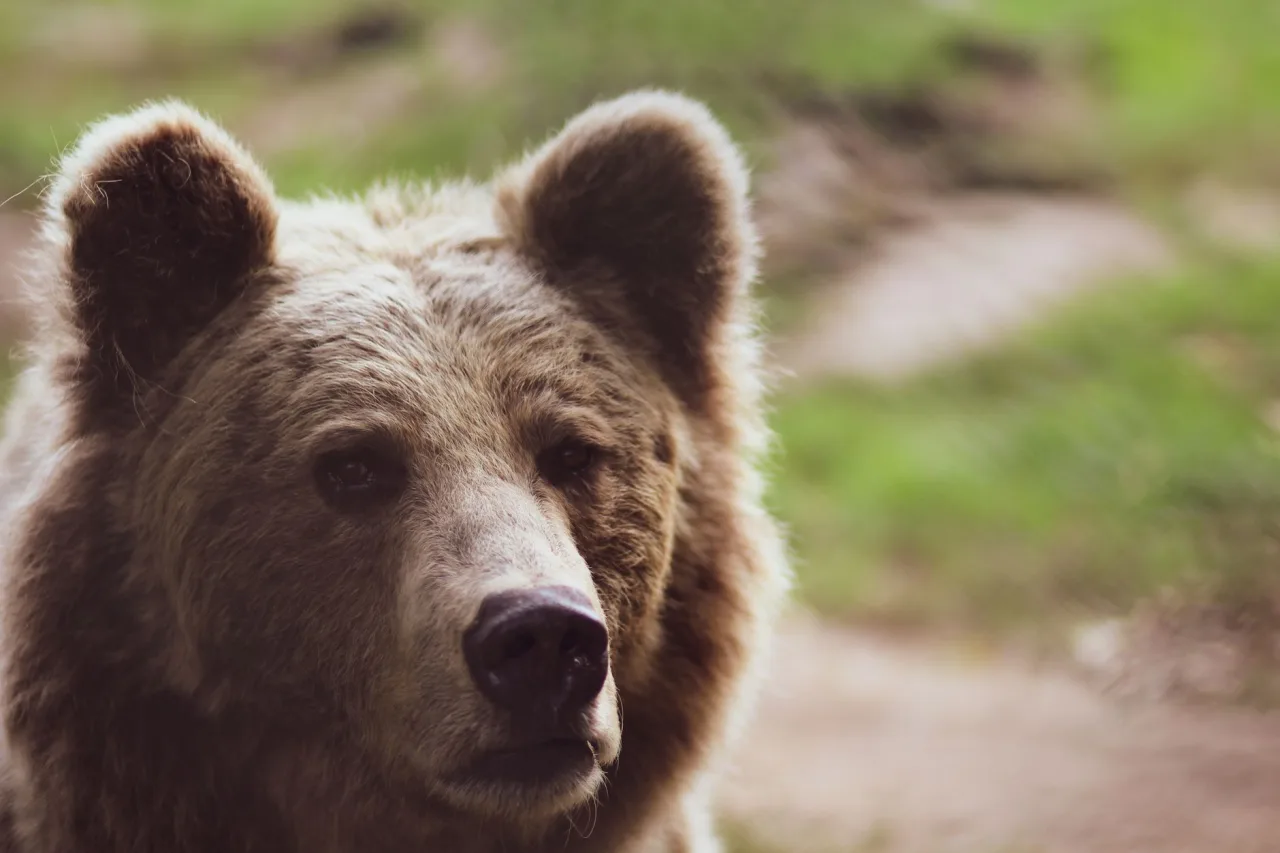
Big Bear offers a spread of styles rather than one kind of site. Knowing the categories helps you filter before you compare:
- National forest campgrounds: run within the San Bernardino National Forest, usually more natural and wooded, with a mix of reservable and first-come sites.
- Lakeside and near-lake sites: prized for water access and views, and the first to book out in summer.
- Private and RV-focused parks: closer to the village, often with hook-ups, showers and easier big-rig access.
- Dispersed and backcountry options: more remote forest camping with few or no facilities, subject to current forest rules and fire restrictions.
Match the category to your trip before you shortlist. A tent camper chasing quiet forest wants a very different site from a family towing a trailer who needs level hardstanding and a dump station. If you are travelling by motorhome, our notes on RV campsites explain what to check on rig length and hook-ups.
How to search and reserve
Rather than trusting any single top-ten list, build your shortlist from official sources that show real availability:
- Federal booking platform: Recreation.gov handles reservations for national forest campgrounds and individual sites, so it is the place to check availability for forest sites around the lake.
- Forest and park information: the National Park Service camping pages are a good primer on how public-land camping, seasons and rules work, which apply in spirit to national forest sites too.
- Private-park booking sites and maps: useful for RV parks and cabins closer to the village, though quality varies, so read recent reviews.
Tip: Popular Big Bear forest sites can open a booking window months ahead and sell out within minutes for holiday weekends. Note the exact date and time the window opens for your dates, and be ready when it does.
The comparison checklist for Big Bear
Once you have four or five candidates, weigh them on the same criteria. A few factors matter more here than at sea level:
- Elevation and exposure: higher, more exposed sites are colder and windier at night, which changes what you pack.
- Distance to the lake and village: lakeside is scenic but busy, while sites a little further out are quieter and often easier to book.
- Shade and pitch surface: wooded shade is welcome by day, and a level, firm pitch matters for both tents and rigs.
- Facilities: toilets, drinking water, showers and, for RVs, the electric, water and dump connections you need.
- Current rules: fire restrictions in the San Bernardino National Forest change with conditions and can ban open flames entirely.
Reading the last few months of reviews is worth the time, since cleanliness, road access and noise all shift with ownership and season. For a general framework you can reuse anywhere, see how we approach comparing great camping spots.
What Big Bear camping typically costs
Prices move with the season, the site type and how developed a campground is, so treat any figure as a range rather than a quote. As a rough guide, basic national forest tent sites sit at the lower end, developed campgrounds with showers and utilities sit in the middle, and private RV parks and cabins near the village sit at the top. Summer weekends and holidays push everything upward, while midweek and shoulder-season nights offer the best value and the calmest lake.
Watch for costs beyond the nightly rate, such as extra-vehicle fees, a per-night charge for additional tents, firewood, and any resort or booking fees at private parks. Fire restrictions may also mean firewood you bought is useless if open flames are banned, so check before you buy. Always confirm the full total at checkout, since Big Bear rates vary widely by site and season.
Seasons, altitude and staying comfortable
The single biggest adjustment for first-time Big Bear campers is the cold. Summer days can be warm and pleasant, but clear mountain nights drop sharply, so a warmer sleeping bag and an insulating mat matter far more here than on the coast. Layers, a hat for sleeping and a groundsheet all earn their place. If your bag is borderline, our roundup of the best sleeping bags by budget can help you pick something rated for cool nights.
Altitude also affects people. Coming from sea level to nearly 7,000 feet can leave you tired, dehydrated or short of breath for a day, so drink plenty of water, ease into activity and avoid a punishing hike on your first afternoon. Afternoon thunderstorms are common in summer, and weather can turn quickly, so pack a rain layer even for a fine forecast.
Camping responsibly in the forest
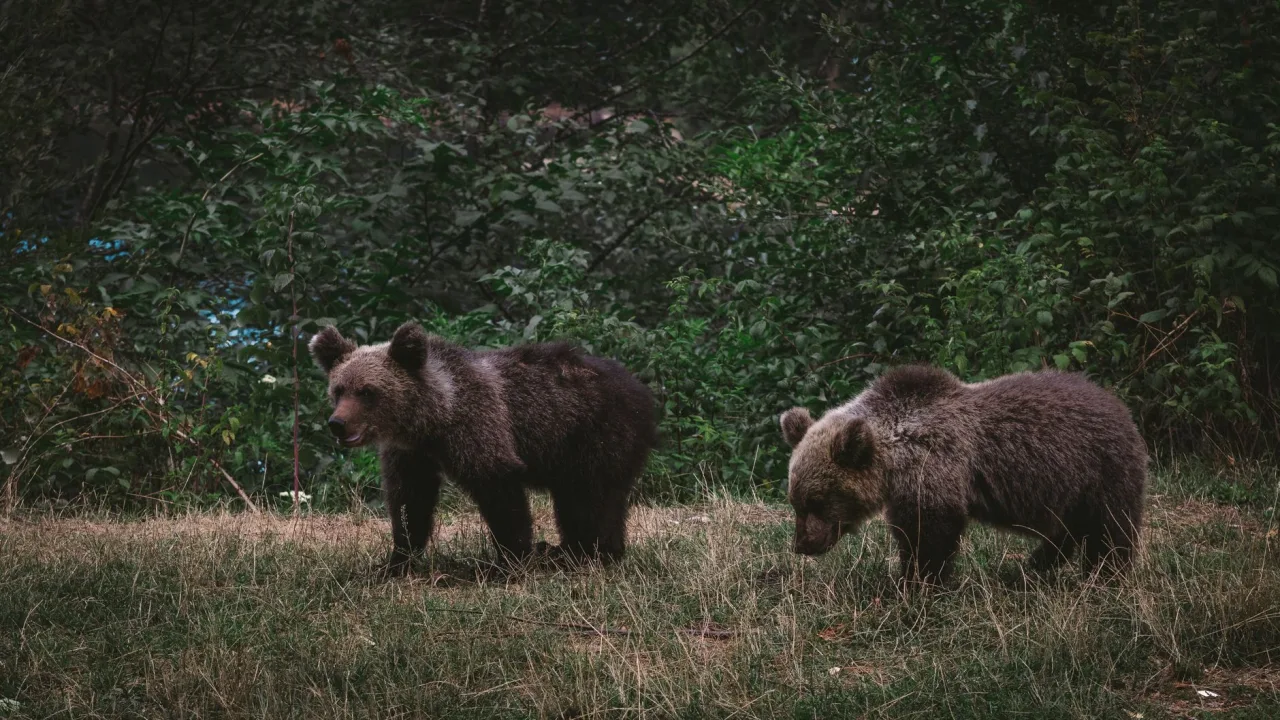
The San Bernardino National Forest is a working, fire-prone landscape, and Big Bear's popularity puts real pressure on it. Following the widely used Leave No Trace principles keeps these campgrounds open and beautiful: pack out all rubbish, keep to durable ground and marked pitches, respect wildlife, and follow the current fire policy to the letter. Bears live in the area, so store food and scented items securely and use any provided lockers.
Always check current conditions before you leave. Fire restrictions, seasonal closures and road status can change at short notice in the mountains, and the managing forest's own notices are the final word. A two-minute check can save a wasted three-hour drive. You can learn more about the area's setting and recreation on the Big Bear Lake overview.
Frequently asked questions
When is the best time to camp in Big Bear?
Late spring through early autumn is the main tent-camping season, with summer the busiest and warmest by day. Midweek and shoulder-season dates in June or September offer cooler crowds and often better value. Winter brings snow and cold, so many campgrounds close or limit services around ski season.
How do I reserve a Big Bear forest campground?
National forest campgrounds around the lake are generally reservable through the federal booking platform Recreation.gov, alongside some first-come sites. Popular dates open a booking window months ahead and can sell out fast, so note when your window opens and be ready. Private RV parks and cabins usually book through their own sites.
How cold does it get at night?
Big Bear sits at roughly 6,750 feet, so even summer nights can be genuinely cold and much colder than the nearby coast. Bring a warmer sleeping bag, an insulating mat and layers than you would use at sea level, and pack a rain layer for common summer afternoon storms.
Are there fire restrictions I should know about?
Yes. The San Bernardino National Forest is fire-prone, and restrictions change with conditions, sometimes banning open flames and campfires entirely. Always check the current forest fire status before you travel, and never assume a fire ring means fires are allowed on your dates.
Can I camp in Big Bear with an RV?
Yes. Some forest campgrounds take smaller rigs, while private parks nearer the village offer hook-ups, dump stations and easier big-rig access. Check the maximum rig length, the hook-up type and turning space before booking, since mountain roads and wooded sites can be tight for larger vehicles.
More guides on Campgrounds & Campsites
Have a question or a topic to suggest?
We read every message. Tell us what you would like to see next on the blog.
Get in touchYou may also like
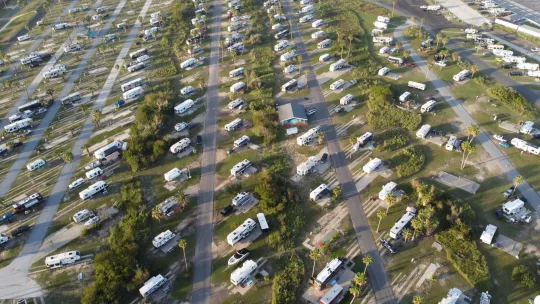
Campsites for RVs Near Me
How to find a campsite that actually fits your motorhome or trailer, from matching rig length and hook-ups to reading site types, comparing pads and avoiding arrival-day stress.
Great Camping Spots Near Me
A practical method for spotting a genuinely great campsite near you, from the signals that separate top sites from average ones to finding quieter hidden gems and booking smart.
National Park Camping Guide
How to choose a national park campground, the best seasons by region, how reservations and permits work, and the rules that catch first-timers out.