Caravan Brands · Caravan Parks & Touring
MDC Caravans: The Complete Guide
Who MDC are, the range explained, and the weights, warranty and servicing checks that matter when buying direct.
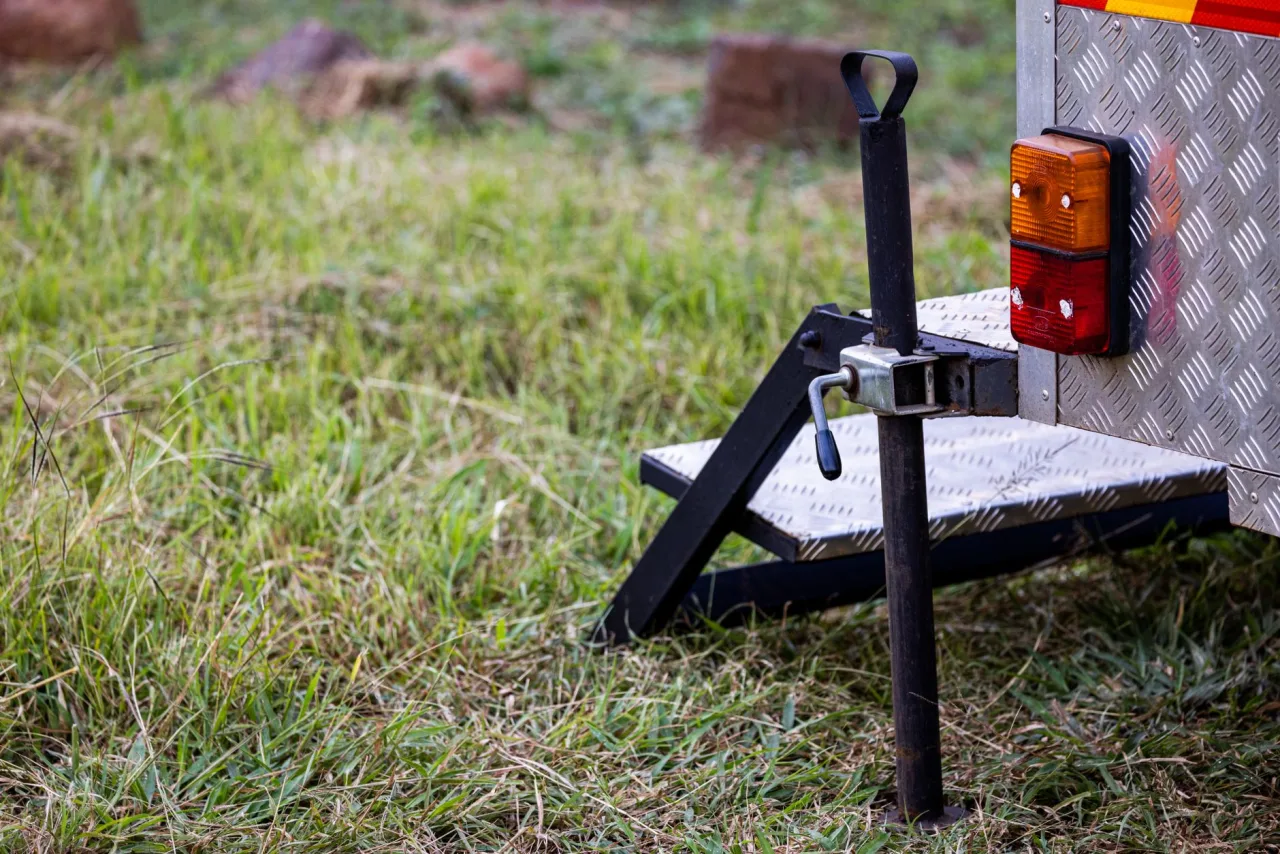
If you have been researching off-road caravans in Australia, the letters MDC keep appearing. MDC stands for Market Direct Campers, an Australian brand that sells camper trailers and caravans straight to the public. This complete guide explains who they are, what they build, how the direct-to-buyer model changes the sums, and the questions to ask before you commit.
The short version
- MDC is Market Direct Campers, an Australian owned brand operating since 2005 that sells camper trailers, off-road caravans and on-road caravans direct.
- The range spans folding camper trailers, hybrid and full off-road caravans, and lighter on-road tourers.
- Buying direct can lower the sticker price, but it puts more of the research and after-sales legwork on you.
- Judge any model on tare weight, build for your terrain, warranty and parts support, not just the headline figure.
Who are MDC (Market Direct Campers)?
Market Direct Campers is an Australian owned and operated company that, according to its own website, has been trading since 2005. It sells camper trailers and caravans through a direct model, backed by showrooms around the country and its own manufacturing facilities. The pitch is straightforward: by selling direct rather than through a traditional dealer network, the brand aims to keep prices competitive for buyers who are willing to do their own homework. You can see the current line-up on the official Market Direct Campers website.
Because "caravan" means different things in different countries, it helps to be precise. In the Australian sense used by MDC, these are towed units ranging from fold-out camper trailers up to hard-walled off-road caravans. If you want the wider background on what a caravan is and how the terms differ around the world, the Wikipedia overview of caravans is a useful primer.
The MDC range explained

MDC groups its products into a few broad families. Model names and specifications change year to year, so always confirm current details, but the categories are stable.
- Camper trailers: Forward-folding and dual-folding units that pack down small for towing and open into a tented living and sleeping space. The lightest and most affordable way into the range.
- Off-road caravans: Hard-walled vans built for corrugated tracks and remote touring, with heavier-duty suspension, chassis and clearance.
- Hybrid models: A middle ground that blends a hard shell with a fold-out or pop-top section, aiming for off-road ability at lower weight.
- On-road caravans: Lighter tourers pitched at sealed roads and holiday parks rather than serious four-wheel-drive tracks.
Choosing between them is really a question about where you will tow and how you like to camp, which is the next thing to work out.
Off-road, hybrid or on-road: which suits you?
The most common mistake is buying more caravan than your travel actually needs, then paying for it in fuel, tow-vehicle wear and parking hassle.
- Mostly sealed roads and caravan parks: An on-road van or a simple camper trailer keeps weight and cost down.
- A mix of blacktop and gravel, some free camping: A hybrid or a lighter off-road van gives flexibility without full remote-touring weight.
- Serious remote and outback touring: A full off-road caravan with heavy-duty running gear earns its keep, but only if your tow vehicle is rated for it.
If you are still weighing the whole category, our guide to off-road caravans covers the build features that matter, and our broader caravan guide explains the basics of layouts and berths.
Tip: match the caravan to your tow vehicle first
Before you fall for a floor plan, check your vehicle's braked towing capacity and the caravan's ATM (Aggregate Trailer Mass). Add water, gear and passengers to the tare weight and stay within limits. An underpowered tow car turns a great caravan into a stressful, unsafe tow.
What direct-to-buyer really means
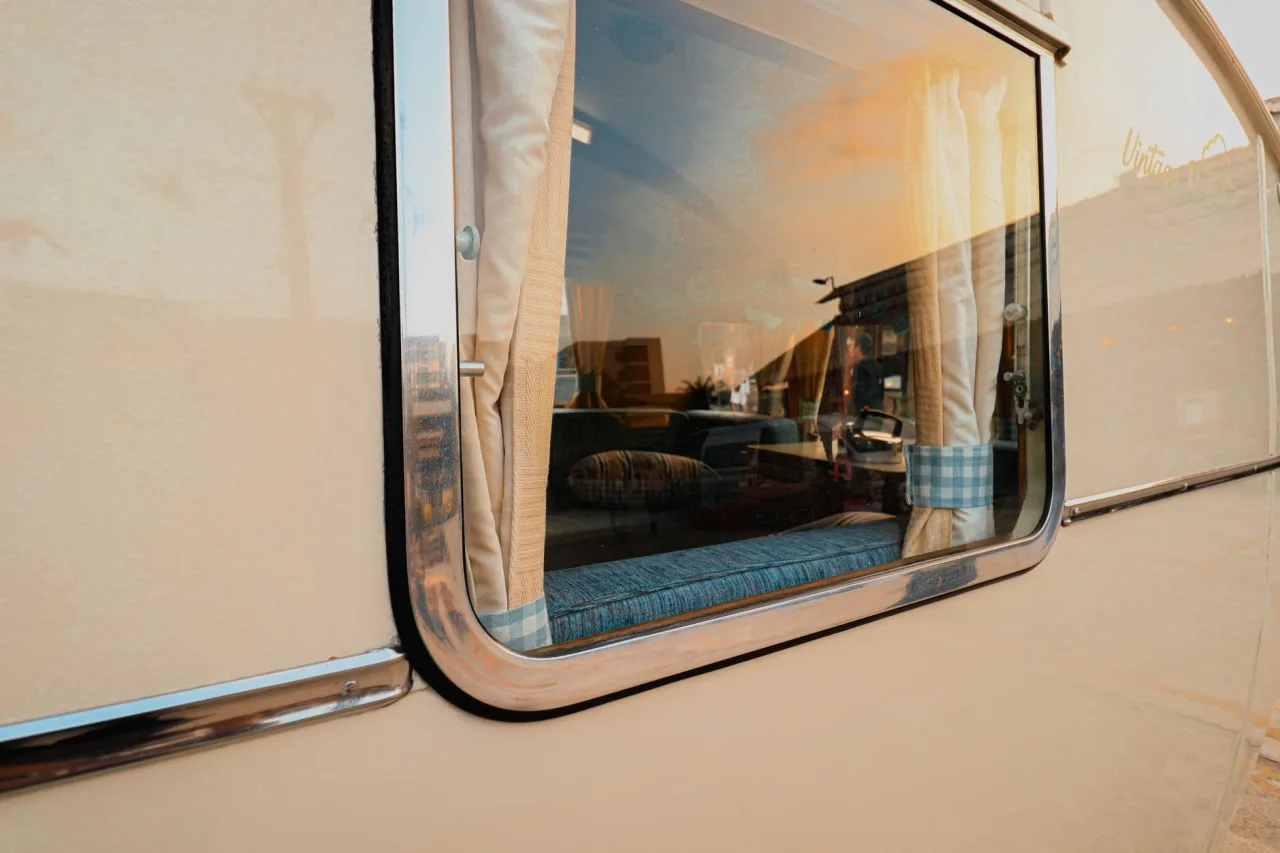
Buying direct from a manufacturer like MDC changes the experience in ways worth understanding up front.
- Price: Cutting out a third-party dealer margin can lower the price for the same specification. That is the main draw.
- Research burden: With no independent dealer walking you through options, you carry more of the comparison work yourself.
- Servicing and parts: Ask where you will get the unit serviced, how quickly spare parts ship, and whether your local mechanic can obtain them.
- Resale: Direct-sold brands can carry different resale patterns to established dealer marques, so factor that into total cost.
None of this is a reason to avoid a direct brand. It simply means the value depends on you asking the right questions rather than assuming a dealer has vetted everything.
A useful habit is to treat the buying process like a trade purchase rather than a retail one. Write down the exact specification you are quoted, ask for it in an email, and keep photographs of the actual unit rather than stock images. If a delivery or handover happens far from home, arrange for someone competent to walk through the caravan with you and tick off that specification item by item. Reputable sellers welcome this; anyone who resists a thorough handover is telling you something.
Reading the spec sheet without getting fooled
Two caravans can look identical in photos and behave completely differently on the road. Focus on the numbers that drive real-world use:
- Tare and ATM: The empty weight and the fully loaded maximum. The gap between them is your usable payload.
- Ball weight: The download on your tow hitch, which affects stability and your vehicle's rear axle.
- Suspension and chassis: Independent trailing-arm suspension and a well-braced chassis matter more off sealed roads.
- Water and power: Tank capacity, battery and solar determine how long you can camp away from hook-ups.
- Warranty terms: Length, what it covers, and whether structural and appliance cover differ.
Ownership costs beyond the purchase price
The sticker price is only the start. Budget for registration, insurance, servicing, tyres, and the running gear that off-road use wears faster. Corrugated tracks are hard on suspension bushes, wheel bearings and appliance mounts, so a caravan used the way it was designed will need more frequent attention than one that only sees sealed roads. Set aside a realistic annual maintenance figure rather than assuming the warranty covers everyday wear. Storage is another recurring cost many first-time owners forget; our guide to finding caravan storage near you explains how to compare secure sites. If you are cost-comparing across new and used, our honest look at caravans for sale sets realistic expectations, and if you are new to towing altogether, our caravanning guide is a good starting point.
Warning: inspect before you pay, wherever the caravan is built
A direct model still deserves a hands-on inspection or an independent pre-delivery check. Look at seals, seams, the chassis welds, door and window fit, and how the electrical and gas systems are finished. If you cannot inspect in person, ask for detailed photos and a written specification you can hold the seller to.
Is an MDC caravan right for you?
MDC suits buyers who value a competitive direct price and are comfortable doing their own research and after-sales coordination. If you want a nearby dealer to handle everything and prefer a long-established resale marque, a traditional route may fit better. Neither is wrong; it depends on how hands-on you want to be and how much you enjoy the research side of ownership. Some buyers relish comparing weights, chassis types and floor plans; others just want the keys and a nearby service centre. Whatever brand you land on, the winning approach is the same: match the caravan to your terrain and tow vehicle, read the weights honestly, confirm servicing and parts, and inspect before you buy.
Frequently asked questions
What does MDC caravans stand for?
MDC stands for Market Direct Campers, an Australian owned company trading since 2005. It designs and sells camper trailers, off-road caravans and on-road caravans directly to buyers rather than only through a separate dealer network.
Are MDC caravans good for off-road touring?
MDC builds several models aimed at off-road and remote touring, with heavier-duty suspension and chassis than their on-road range. Whether a specific model suits your trip depends on its weight, running gear and your tow vehicle's rating, so check the spec sheet and match it to where you actually travel.
Does buying direct from MDC save money?
Buying direct can lower the price for a given specification because it removes a third-party dealer margin. In return, you take on more of the research and after-sales coordination yourself, so the saving is real but comes with more legwork.
What should I check before buying any caravan?
Check the tare weight and ATM to work out usable payload, the ball weight for towing stability, the suspension and chassis for your terrain, and the warranty terms. Always inspect the unit in person or arrange an independent pre-delivery check, and confirm your tow vehicle can legally and safely handle the loaded weight.
Where can I get an MDC caravan serviced?
Ask the seller directly where servicing is available near you and how quickly spare parts ship, since this varies by location. Confirming service and parts support before you buy avoids delays later, especially for off-road models that wear running gear faster.
More guides on Caravan Parks & Touring
Have a question or a topic to suggest?
We read every message. Tell us what you would like to see next on the blog.
Get in touchYou may also like
Off Road Caravans
An off road caravan is built to follow you past the end of the sealed road, onto gravel, dirt and remote tracks where a standard tourer would struggle.
Caravan: The Complete Guide
Caravan types, buying and running costs, safe towing, and how to choose a caravan that fits how you actually travel.
Caravans for Sale: Real Prices & Tips
Honest price ranges for used and new touring caravans in 2026, plus a damp and condition checklist and the running costs listings leave out.