Buying a Campground
Campgrounds for Sale: Buyer Guide
Sourcing, valuing, and vetting a campground for sale, from occupancy and seasonality to due diligence and financing.

If you are looking at campgrounds for sale, you are considering one of the more approachable ways to own a real-estate-backed hospitality business. This is not a fake listing of specific campgrounds with invented prices. It is an honest buyer's guide to how to find, evaluate, and compare a campground for sale so you buy on facts, not on a seller's optimism.
The short version
- A campground for sale is a business and a piece of land together, so you are buying acreage, infrastructure, permits, and an income stream at once.
- Value is driven mainly by income and condition: occupancy, rates, the mix of tent, cabin, and hookup sites, and the state of utilities and buildings.
- Campgrounds are often seasonal, so understanding the operating calendar and how income is spread across the year is essential.
- Due diligence with an attorney and accountant, plus early conversations about financing, protect you from expensive surprises. Confirm every figure before you commit.
What "campgrounds for sale" really means
Buying a campground is very different from booking a weekend pitch. You are acquiring a business that sits on land, along with its infrastructure, permits, and reputation. The asking price blends the value of the real estate, the physical assets like restrooms and utility hookups, and the income the campground produces. The key shift is to stop thinking like a camper and start thinking like an owner-operator assessing revenue, costs, and risk.
Because campgrounds vary so widely in size, location, facilities, and income, there is no honest way to publish a ranked directory of specific campgrounds for sale with reliable prices. What genuinely helps is a repeatable framework for judging any campground you find, so you can compare very different opportunities fairly. To ground yourself in what campers actually value, our guide to finding and comparing campgrounds covers the features that drive occupancy and rates.
Types of campground business, honestly compared

"Campground" covers several business models, and each has a different risk and revenue profile:
- Tent-focused campgrounds: Lower infrastructure cost but often lower nightly rates and shorter seasons.
- Mixed campgrounds: A blend of tent sites, RV hookups, and cabins, which spreads income across guest types.
- Cabin and glamping operations: Higher rates per unit and growing demand, but more capital tied up in structures and furnishings.
- Seasonal or destination camps: Strong peak income but concentrated into a short window, which raises the stakes on each season.
Diversifying revenue is a common way to strengthen a campground business. If you are considering adding higher-value accommodation, our complete guide to glamping explains what these units involve and why they can command premium rates.
Where to find campgrounds for sale
Campgrounds change hands through several channels, each attracting different sellers:
- Business-for-sale marketplaces: General and recreation-focused websites list campgrounds among other small businesses.
- Commercial and recreational land brokers: Some specialise in hospitality and outdoor properties.
- Industry associations and networks: Owners often learn of sales through outdoor hospitality circles before wide advertising.
- Direct outreach: Approaching an owner whose campground you admire sometimes uncovers an off-market opportunity.
Treat advertised revenue, occupancy, and profit as claims to verify, never as established facts. Documentation during due diligence is what turns a claim into a number you can trust.
How to value a campground honestly
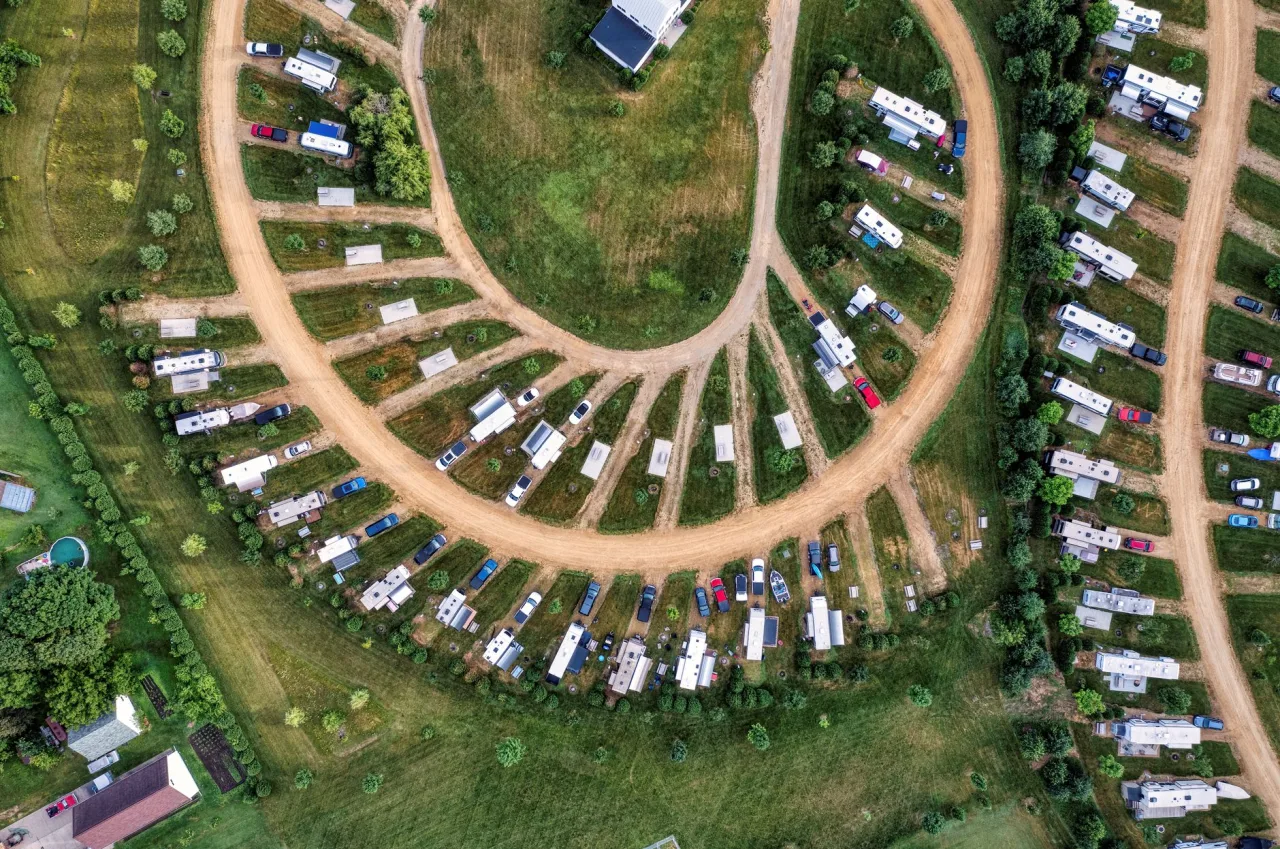
Valuation is where inexperienced buyers most often overpay. The US Small Business Administration lists several ways to price a business, including a capitalized earning approach based on expected return, a cash flow method reflecting how much loan the business can support, and a tangible assets or balance sheet method. For campgrounds, income and condition usually lead. The main value drivers are:
- Occupancy across the season: Not just peak weekends but the shoulder months too.
- Rate mix: How tent, RV, and cabin rates combine, and whether there is room to raise them.
- Facility condition: Restrooms, water, power, and roads are expensive to replace and heavily affect value.
- Extra income streams: Stores, firewood, equipment rental, events, and storage can add up.
- Location and demand: Proximity to attractions, water, or a strong travel corridor supports rates.
Due diligence warning
Never rely on a seller's summary. The Small Business Administration recommends a thorough, objective investigation before purchase, ideally with an attorney and accountant. Insist on financial statements, tax returns, contracts and leases, and confirmation of licenses, permits, and zoning. For land with buildings and utilities, environmental and septic checks matter, because hidden problems can cost far more than any bargain price saved.
Seasonality and the operating calendar
Many campgrounds earn most of their money in a short peak season, which changes how you must read the accounts. A strong summer can mask a long unprofitable off-season, so look at the full-year picture, not just July and August. Ask how the current owner handles the shoulder and off seasons, whether there is any year-round income, and what fixed costs continue when the gates are quiet. A campground that can extend its season with cabins, events, or winterised facilities often carries less risk than one that lives or dies on a few peak weekends.
Financing and buying an existing campground
Most buyers finance the purchase rather than paying cash. The US Small Business Administration notes that SBA-backed loans can be used for fixed assets such as real estate, machinery, and equipment, as well as general business purposes, and a campground combines land, buildings, and equipment. The SBA also publishes clear guidance on buying an existing business, including due diligence and the several valuation methods above. Start these conversations early, because financing terms shape how much you can realistically offer.
- Get pre-qualified so you know your true budget before making offers.
- Review the SBA's guidance on buying an existing business and on loans.
- Budget for closing costs, working capital, and improvements, not just the purchase price.
- Put every term in writing and confirm it with a qualified lender and adviser.
Read the official SBA guide to buying an existing business and the SBA loans overview before you commit to anything.
Typical price ranges, with heavy caveats
Campground prices vary enormously by region, size, facilities, and income, so any single figure is misleading. As a broad, realistic frame for 2026, small rural campgrounds can sell in the low-to-mid hundreds of thousands, while larger, well-established campgrounds and resort-style operations in strong markets sell for well over a million. Two campgrounds with the same site count can be priced very differently based on occupancy, rate mix, and the condition of their utilities and buildings. Treat every asking price as a starting point for analysis, verify the income with documents, and confirm the final numbers with your accountant.
Campgrounds versus RV parks as an investment
General campgrounds and RV parks overlap but are not the same investment. Campgrounds often carry lower per-site infrastructure cost and more flexibility to diversify into cabins and glamping, while RV parks lean harder on hookup infrastructure and long-stay guests. If you are weighing both, our guide to RV campgrounds for sale and our guide to RV parks for sale apply the same buying discipline to those models. Reading across all three helps you match the business type to your budget and goals.
Building your campground buying shortlist
Put it together like this. Treat the purchase as a business, not a lifestyle fantasy. Source opportunities from marketplaces, brokers, and industry contacts. Value each campground on verified income, seasonality, and the condition of its facilities. Run full due diligence with an attorney and accountant, understand the operating calendar, line up financing early, and never trust headline figures without documents. That disciplined process beats any ranked list, because the best campground for sale is the one whose real numbers, condition, and location fit your budget and your plan.
Frequently asked questions
What am I buying when I buy a campground?
You are buying a business and land together: the acreage, the infrastructure such as restrooms and utility hookups, any buildings, the permits, and the income the campground produces. That is why campgrounds are valued mainly on income and condition rather than acreage alone, and why thorough due diligence is essential.
How are campgrounds for sale valued?
Most are valued primarily on income and condition. The Small Business Administration lists methods including a capitalized earning approach, a cash flow method, and a tangible assets method. Key drivers are occupancy across the season, the mix of tent, RV, and cabin rates, facility condition, extra income streams, and location.
Why does seasonality matter so much?
Many campgrounds earn most of their income in a short peak season, so a strong summer can hide a long unprofitable off-season. Always review the full-year accounts, ask about shoulder and off-season income, and check which fixed costs continue when the campground is quiet. Season length is a major risk factor.
Can I use an SBA loan to buy a campground?
Often, yes. The SBA notes that SBA-backed loans can be used for fixed assets such as real estate, machinery, and equipment, and a campground combines land, buildings, and equipment. The SBA also publishes guidance on buying an existing business. Every lender assesses the specific deal, so get pre-qualified early and confirm all terms in writing.
How much does a campground cost to buy?
Prices vary enormously by region, size, facilities, and income. As a broad 2026 frame, small rural campgrounds can sell in the low-to-mid hundreds of thousands, while larger established or resort-style campgrounds in strong markets sell for well over a million. Treat every asking price as a starting point and verify the income before committing.
Is a campground a good business to buy?
It can be, but only if the specific numbers work. Campgrounds can offer flexible revenue and the option to diversify into cabins and glamping, but seasonality and facility maintenance are real risks. The right answer depends entirely on that campground's verified income, condition, operating calendar, and location relative to its price.
More guides on Campgrounds & Campsites
Have a question or a topic to suggest?
We read every message. Tell us what you would like to see next on the blog.
Get in touchYou may also like

RV Campgrounds for Sale: Buyer Guide
Buying an RV park means buying land, infrastructure and income at once. Here is how to value one, run due diligence, and finance the purchase sensibly.

RV Parks for Sale: Find and Compare
"RV parks for sale" is one of those searches with two very different audiences: campers hoping to find a spot, and buyers looking to own an RV park as a business. This guide serves the buyer.
Campgrounds: Find and Compare Spots
How to tell campgrounds apart, compare them fairly and pick the one that fits your trip, whether you are in a tent, a trailer or a hire cabin.